
0
$0.00
0 items
The first kind of photographer treats their camera equipment with the reverence of a sacred religious relic. They transport their gear in climate controlled backpacks, meticulously clean their lens and filters before and after use and invariably try and avoid any situation that might threaten the perfect condition of their camera, lenses and accessories. They aim for perfection in their photography and will go to any lengths to avoid physical defects in their equipment that might negatively impact on that aim.
The second kind of photographer chucks their equipment in a backpack like they're bagging groceries. They don't stress too much about marks or blemishes on the camera or lenses and only clean their equipment when they notice grey blotches on the RAW files in Lightroom. If they had a motto it would be, "Ego Potest Reficere Post In". They do not pay much consideration to the resale value of their gear because they know it will never be in a sufficiently saleable condition to merit attention from anyone but the most desperate purchaser.
There are shades of grey between these two polarised types of photographer of course, but when it comes to camera equipment, most folks tend to lean one way or the other. I most definitely fall into the second category of photographer and, despite some serious drawbacks, can't see myself changing any time soon.
My philosophy is pretty simple - I paid good money for all this equipment to use it, not to sit in a humidity controlled room gazing at it while it revolves on a motorised platter. I do not want to be in a situation where I might miss an incredible shot because I'm worried about what will happen to my kit. This does not mean I'm in the habit of setting a two second timer and throwing my camera off a cliff, but it does mean sometimes my kit gets damaged and even broken.
In order to offset any nervousness I might have about using my camera equipment to its fullest capabilities, I have insurance. Previously this was on the household policy, with all of my cameras and lenses listed as named items. However I am in the process of moving over to a proper photographer's insurance policy which is tailor-made for professional and serious hobbyist photographers. I do not put my camera equipment deliberately in harm's way, but should the worst happen, I know I will be able to replace it, minus an excess of $100. Of course I am also covered if my camera equipment is stolen - as all of my cameras and lenses are specifically itemised on my insurance policy, I can get like-for-like swapped out or an upgrade if it is not longer available.
If you have not insured your camera equipment I strongly suggest you look into it, because it's an incredibly liberating feeling. I also fly a DJI drone and I make a point of paying for the DJI Care package which means that should the drone crash, I can get it replaced quickly and efficiently. And the drone's going to be listed on my main insurance anyway, so should it a lost drone fall foul of DJI's famous small-print, I'll still be covered.
Unfortunately for my camera equipment, I do live right on the coast here in Australia and that means that the majority of my landscape photography takes place in that unforgiving environment known as a beach. Sand and salt-water are definitely not a camera's best friends but the coast is an incredible place to capture amazing shots and so I won't let the fear of corrosive salty air stand between me and a good shot. I'm on my third upgrade since I got back into photography 12 years ago and the old cameras (a Canon 550D and 7D2) both work fine.
When I return from the beach I wipe down all of my equipment with isopropyl alcohol swabs. This removes the salty residue left on cameras and lenses when they're at the beach and keeps them is tip-top condition. It doesn't take long to give everything a quick wipe over and I then store them all safely in the camera backpack ready for the next trip.
Sometimes you do find that you get build-up on the camera sensor. This usually occurs when you're swapping lenses and can happen no matter how careful you are. I have some specialist sensor cleaning swabs which I use whenever I get some sensor dirt appearing on my shots in Lightroom. It's a little bit trickier doing these clean-ups on a mirrorless camera with an internal sensor stabilisation system, but as long as you're careful nothing untoward will happen to your camera.
All the professional photographers I know send their cameras back to their camera brand's official repair centre once a year for a service. This makes perfect sense to me - you get the camera properly cleaned by a professional in a clean-room environment and you don't have to worry about breaking anything. They can also fix up any physical damage that may have occurred, such as broken dials or screens. If you did want to sell your camera down the line then being able to tell a prospective purchaser that it was serviced yearly by the manufacturer at an official service centre will not harm your prospects.
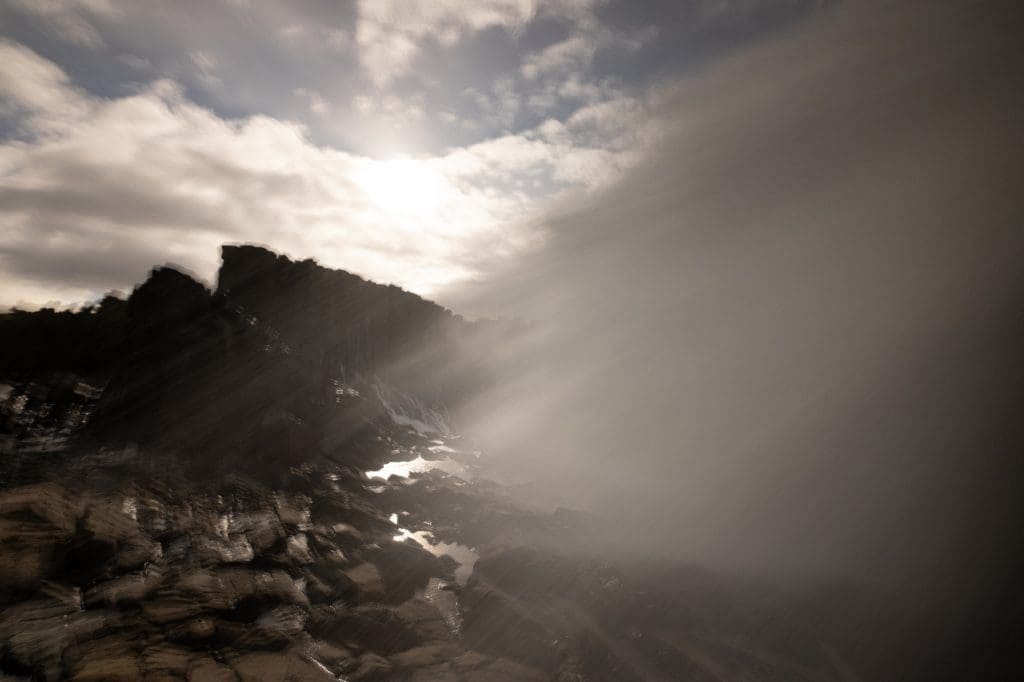
I have had my fair share of disasters with photography equipment. I have autism and ADHD and one of the less known symptoms of both of those neurodevelopmental disorders is clumsiness. Unfortunately, when you're swapping out a lens in a river, being a clumsy bastard is not a good fit. I have lost lenses and cameras to carelessness and clumsiness but also to bad luck which strikes everyone eventually.
I dropped my first DSLR - the Canon 550D - on quite a few occasions. I dropped it on the jagged headland rocks on the Kiama headland (smashed screen and broken 50mm lens), I fell at Camel Rock and smashed another 50mm and one time I dropped both camera and lens onto the ground in a carpark because I was stupidly walking around with the camera still on the tripod and the tripod resting on my shoulder. I had similar mishaps with my second DSLR - the 7D2 which had two trips to the official Canon repair centre and I broke my 10-22m three times. Then there's the GoPro Hero camera I managed to take for a swim with the SD card panel wide open, on the first day I had it. Also the Insta 360 which fell onto the steps at the Opera House and scratched the 360º lens.
Last year I switched to Fujifilm and, believe it or not, I am currently on my third X-T4 body. The picture above was the last photo I took on my second X-T4. I was shooting massive a swell at Kiama's famous Bombo Quarry and a freak wave, easily 20m high, came right over the top of the cliff face and completely swamped me, my X-T4 and my 10-24mm lens. As I've mentioned, I insure everything now but for my first six years or so I simply wore the cost of repairs from sales of prints and other merchandise sold in my online store.
Cameras are lovely bits of kit - precision engineering designed to do a very specific job and to, if necessary, do it under arduous conditions. You have to actually work quite hard to break a camera and it's entirely possible to push the limits a bit without having such a terrible track-record for busted and broken equipment as me. Enjoy your camera, make the most of it and remember that it is a tool to be used, not a trophy to be admired from afar.
You missed out on that big first wave of Instagram stardom, you jumped on YouTube too late and now your Facebook page's dwindling audience lives exclusively in Murmansk.
You feel like your landscape photography is as good as (or better than) all these big-name photographers and you just want a slice of the cake. How can you turn your landscape photography skills into dollars? There's good news and there's bad news. The good news is that it is possible to make money from landscape photography, the bad news is that there are a few hoops to jump through along the way. Here is my guide to the best way to maximise your income.
This one's easy. Everyone's looking for that shortcut to a winning shot - a quick and simple way of transforming a photograph from the ordinary to the exceptional. Lightroom presets will never do that - they're almost completely pointless - but your potential customers don't know that!
So here's the drill. Go and download someone else's pack of landscape photography presets and tweak them very slightly. Now give them pretentious sounding names such as Attack ships on fire off the shoulder of Orion export them and bundle them up. Before you stick them on Shopify always remember to give the pack an aspirational and pretentious name like Autumn Soliloquy. Add a couple of your better photos (they don't need to have any relevance whatsoever to the preset pack) and you're golden. Now watch as a parade of useless photographers queue up and demand that you, "Shut up and take my money!"
You'd rather be out taking your own shots and picking out keepers to hang on the walls of your very own gallery, but you've got to pay the bills, right? This step to financial independence is the famous photographic one-to-one. You offer tuition to people with all the photographic intuition of a spatula and earn filthy lucre for whoring yourself out. It's simple.
Simply advertise your services on your social media platforms and offer half or full day packages, out in the landscape, where photographic novices can learn all of the secret skills such as 'light', 'composition', 'the rule of thirds', 'tripods' and 'capturing the serenity of nature in all its glory'. In order to make it look like these sessions are over-subscribed remember to put the occasional post on social media saying that you have had 'cancellations for a fully booked session' the following weekend, but that if they are quick they can 'secure one of the strictly limited spots'.
Almost certainly the only way you'll ever make actual money from your landscape photography. The photographic calendar is a mainstay of the C-List Landscape Photographer's money-making arsenal, a guaranteed annual pay-off and rare ray-of-hope in an otherwise bleak financial landscape.
Simply try and find 14 decent shots from the tens of thousands you took over the course of the last year and stick 'em in a Snapfish calendar template. Give it a suitably arty name, such as Resplendent Vistas of the Artichoke Peninsula and you're good to go. Remember to get them on sale by July though, it's no use trying to sell them in December because your customers will all have bought your competitors effort.
Sometimes people will message you on Facebook, raving about your photography and asking you for a print of a particular photograph you took. You will excitedly go off and get a quote from your local printers and send it to the eager beaver customer and then you will never hear from them ever again. This is because nobody wants to pay any more than about $50 for a two metre stretched canvas with a floating oak border, including delivery, and if your quote exceeds that they will simply go and buy a generic print of palm fronds from their local DIY superstore.
So if you want to make money from prints you have to dispel the notion that you are selling 'fine art photography', embrace the bargain basement and sell $15 prints you produced yourself on your Canon Pixma printer and framed in plain white $3 frames from K-Mart. Easy.
Nothing screams maximum-effort-minimum-return like licensing your photographs on stock libraries. All you have to do is upload your photograph, spend an hour painstakingly selecting appropriate keywords, then add a title, category, location, description and model release and you're good to go. Now just repeat this several thousand times, to ensure that a few make it past the stock agency's reviewing panel. As you'll only be earning about $0.75 for a print resolution licence of your photograph, it's important to try and get as many photos up there as possible. If you apply yourself to the task, you might earn enough in a year to buy a yourself a cappuccino.

This is one of the leading growth areas in revenue for C-List landscape photographers. As with most photographic sectors, a corporate middle-man will do better than you out of the process, but that shouldn't stop you from pursuing this worthwhile money-making enterprise.
Simply sign up with an agency such as Pixsy or Copytrack and then add your images to their database. They will then scour the Internet searching for websites that have used your photograph and when they find an offender, alert you to the infringement. Then all you have to do is give the agency the go-ahead and they will pursue the offender and seek financial redress from them. Unfortunately most copyright infringement is centred on China and no agency will ever bother pursuing financial compensation from Chinese businesses as they have free rein to steal whatever they want from whomever they want and use in any way them deem necessary. Also - any image you ever uploaded to a stock library can't be pursued. However you will still find there are plenty of hapless idiots out there who think anything that's online is fair game and you can sue them for all they're worth or, you know, the market value of your shot.
If the success of people like Thomas Heaton has proven anything, it's that looking excruciatingly uncomfortable in front of a camera is not a barrier to financial freedom. If you're prepared to film yourself out and about taking your photographs and to then spend a full day editing your video and then uploading it to YouTube, it's possible that you might attract an audience. Spend several years building a subscriber base that climbs out of the double digits and eventually Google will deem you worthy of carrying advertising on your channel. Then just sit back and wait as the monthly payments for $10 or $15 make all those endless hours, days and weeks of effort worthwhile.
It's the photographers dream, encapsulated in one word ... Patreon. Oh how we love you Patreon. If enough people pity you sufficiently to throw in a few bucks, it's entirely possible to eat out once a month on the proceeds of your Patreon fund. Unfortunately it's also entirely possible that nobody will throw a few bucks in your direction and you'll end up looking like that toothless harmonica player busking outside the nearest strip mall with a few coins and a button in their begging bowl.
It's pretty tough to become an actual influencer in this day and age. Unless you are a spectacularly beautiful young (preferably very young) woman with big tits and a peach-like arse and unless you are prepared to show off said tits and arse in tiny bikinis on 'the gram', then you will find it hard to achieve the sort of social media follower numbers that businesses consider influencer-grade. But do not despair!
These days there's a thing called a micro-influencer which (contrary to popularly held belief) refers to follower numbers, not penis size. Micro-influencers are people who have crawled over enough broken glass on their hands and knees to achieve between 1,000 and 50,000 followers. That's right - with as few as 1,000 followers on your Instagram account or 2,000 subscribers on YouTube you are officially classed as a micro-influencer. This does not mean you will be invited to stay at five star beach resorts in the Caribbean or comped free business class seats to events and festivals. However you might score a new set of ND filters for your camera, or a cheap Chinese-made knock-off of a Fitbit watch. And who doesn't like knock-off Fitbit watches, right?
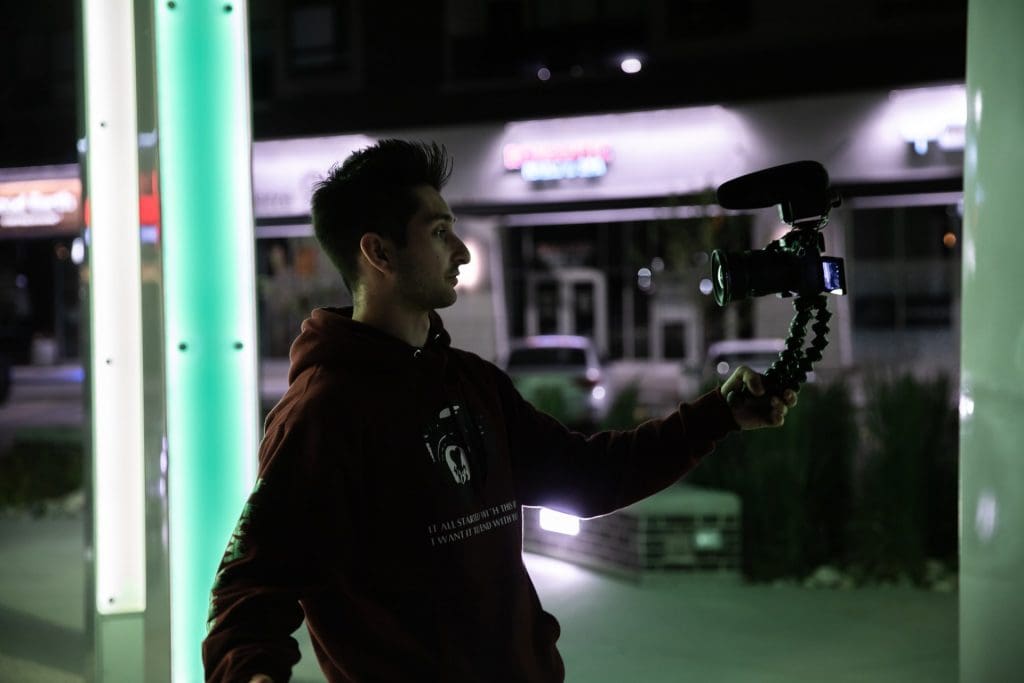
We've all seen them, the little list of blue links in the description of the YouTube video, or the bullet points in the 'My Kit' section of a photographers website. They're Amazon affiliate links and if someone clicks on that link and then buys something - you get a cut! It's virtually free money - you'd be crazy not to!
For every successful sale you point in Jeff Bezos's direction, you'll earn an amazing 4% of the purchase price, after taxes and deductions. So if someone buys a $2000 camera within 24 hours of clicking on your link, you'll get $80. How good is that? So get yourself an account and include a load of links to very expensive equipment that you 'recommend'. Make sure you don't put that list on an About Me page on your website which no-one apart from your mum's ever looked at - preferably stick it somewhere click-baity that you can generated a tonne of views on. Maybe reach out to a young female bikini influencer, do a soft-porn travel photo-shoot at a scenic location and refer to the camera equipment that made the photos possible with links to your Amazon affiliate account. Easy money.
The key to earning money from blogging is to lie through your teeth. People don't want to hear the truth, they want to hear pipe dreams. Articles that do well on photography blogs tend to be ones that suggest it's possible to earn a living from landscape photography. So go with things like, "How I Earn $200,000 a year from landscape photography" or "How I Made $50,000 in a Year from Calendars" and then pull a load of made-up facts and figures straight out of your arse. The reader will have no way of checking their veracity and you can clean-up with all those lovely AdSense dollars and affiliate links.
Being a C-List landscape photographer is to accept a life of graft and solitude, but with diligence and perseverance, it is possible to earn a salary comparable to that of a French Fry attendant in a fast food restaurant or an entry level call centre operative for an insurance company.
Maximum the income streams available to you, remind yourself that you're better than Marc Adamus, Galen Rowell and Chris Burkard combined, never pass up an opportunity to shill yourself - and mediocre success in a tightly-defend local region will surely come to you.
Authors Note: This is a self-own and a bit of fun. I am a proud C-list landscape photographer, so please don't doxx me and leave angry comments just because my little article rang true.
Back at the start of the year this part of the world was enduring the worst bushfire season in a generation and, as we all watched the daily updates from the amazing members of the RFS, we thought that fire was going to be the worst of it. But the only constant in life is change and those of us lucky enough to live in wealthy countries were about to get a taste of the sort of upheaveal that everyone else has been dealing with all along …
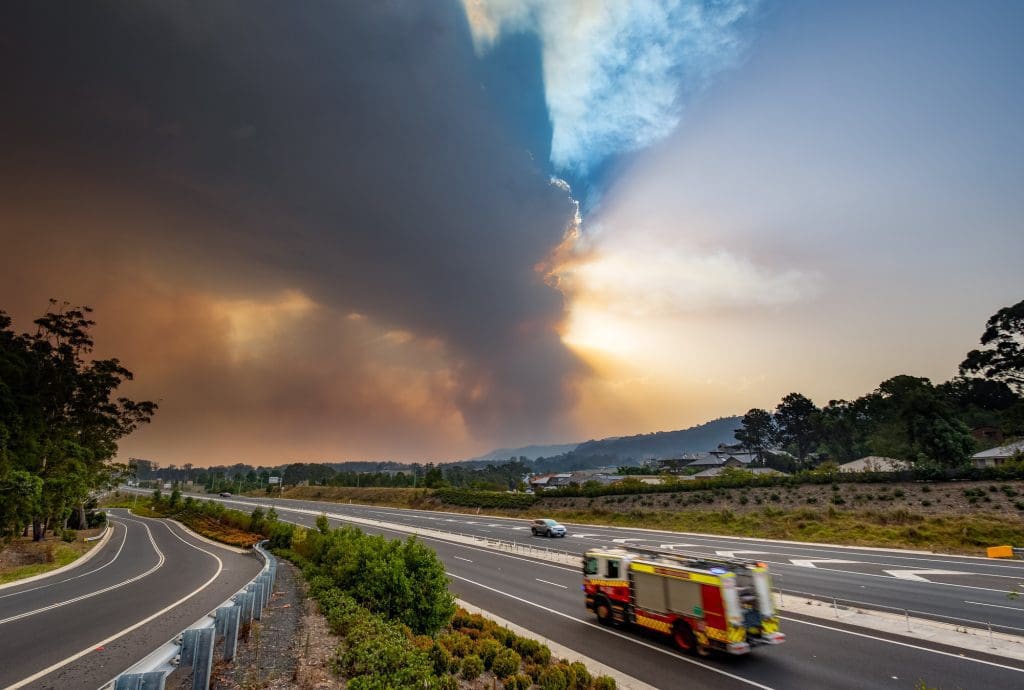
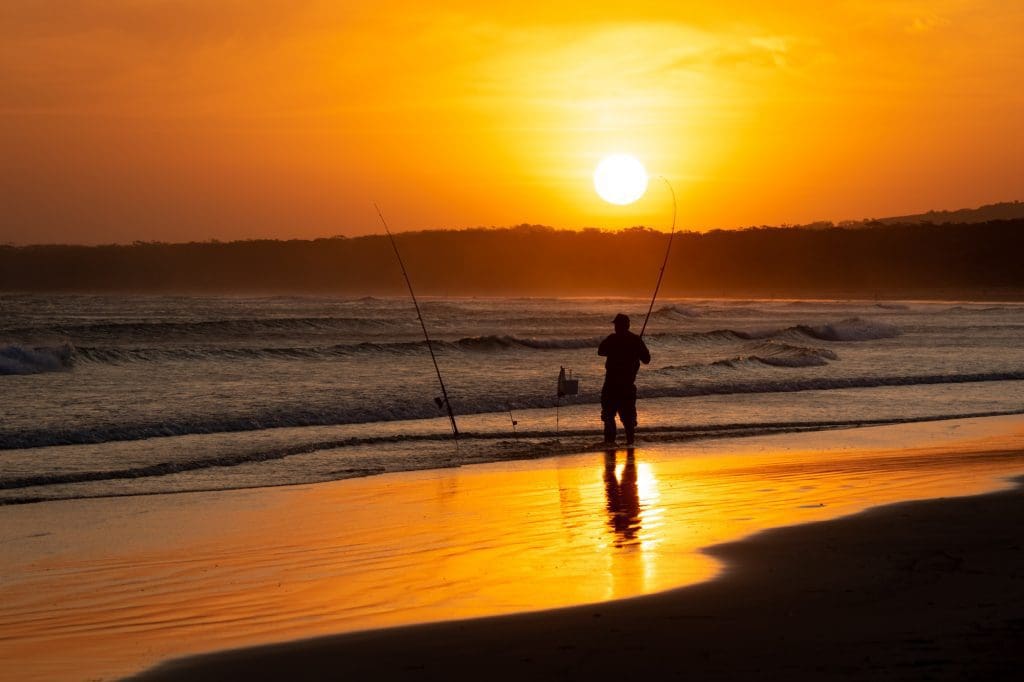
With so much of the Shoalhaven region burning, tourists who would have flocked to the area during the summer school holidays, were told to stay away. Some parts of the region were cut off completely by the fires meaning that supply trucks could not make their regular drops to the shops and supermarkets. This meant that there was considerable acrimony towards tourists that decided to visit anyway and ended up fighting for the limited resources of water and food in the stores. As a consequence of the fires, the beaches were uncommonly quiet for that time of the year.
January 22
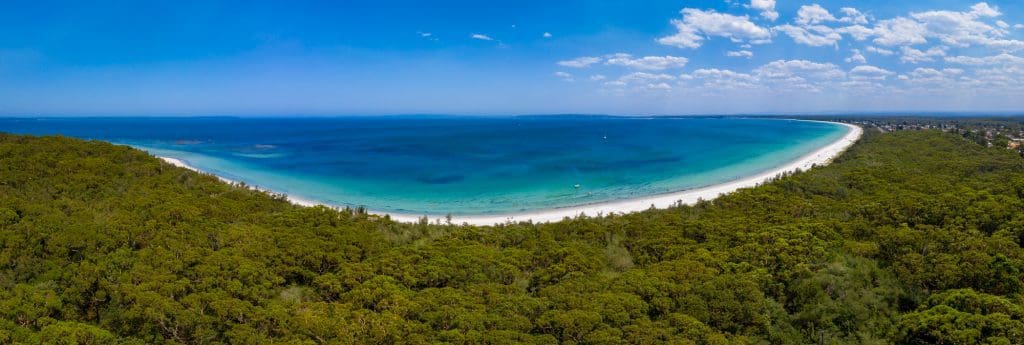

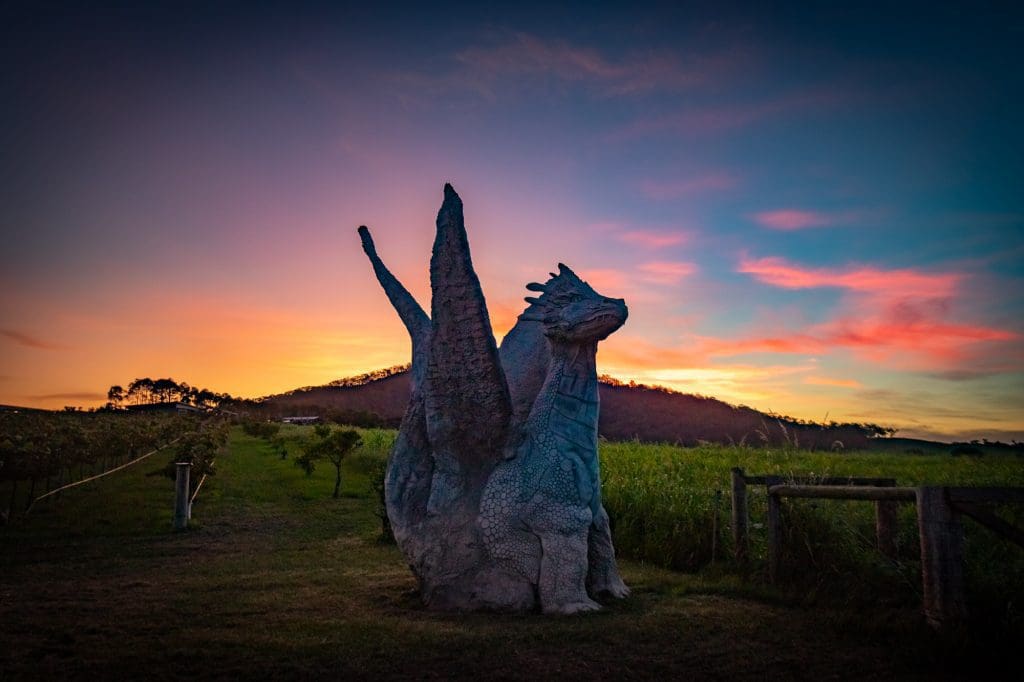
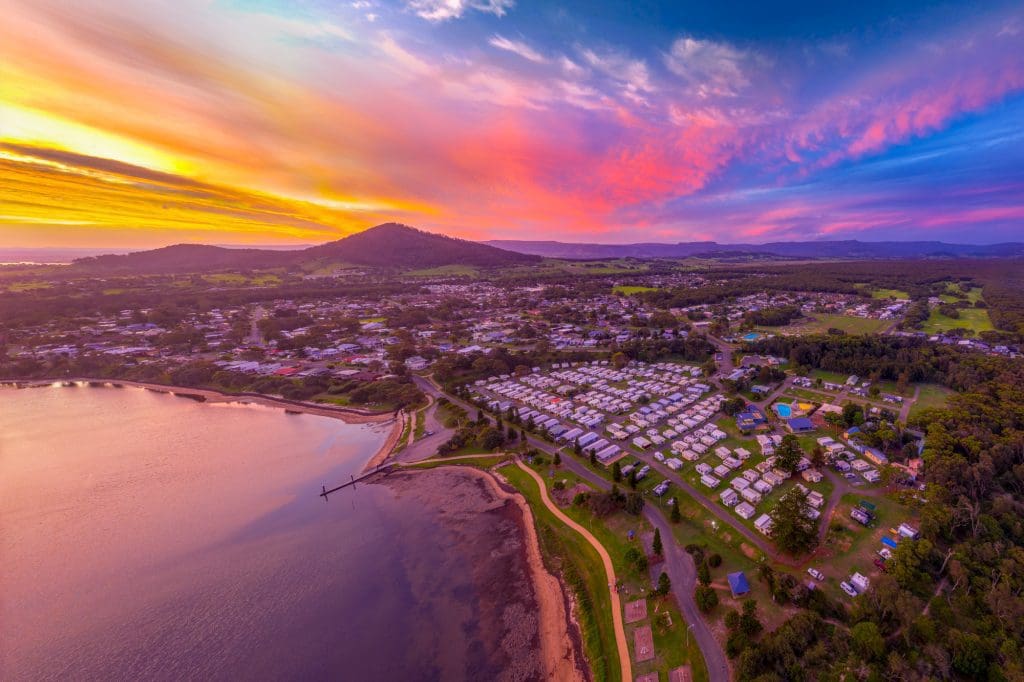
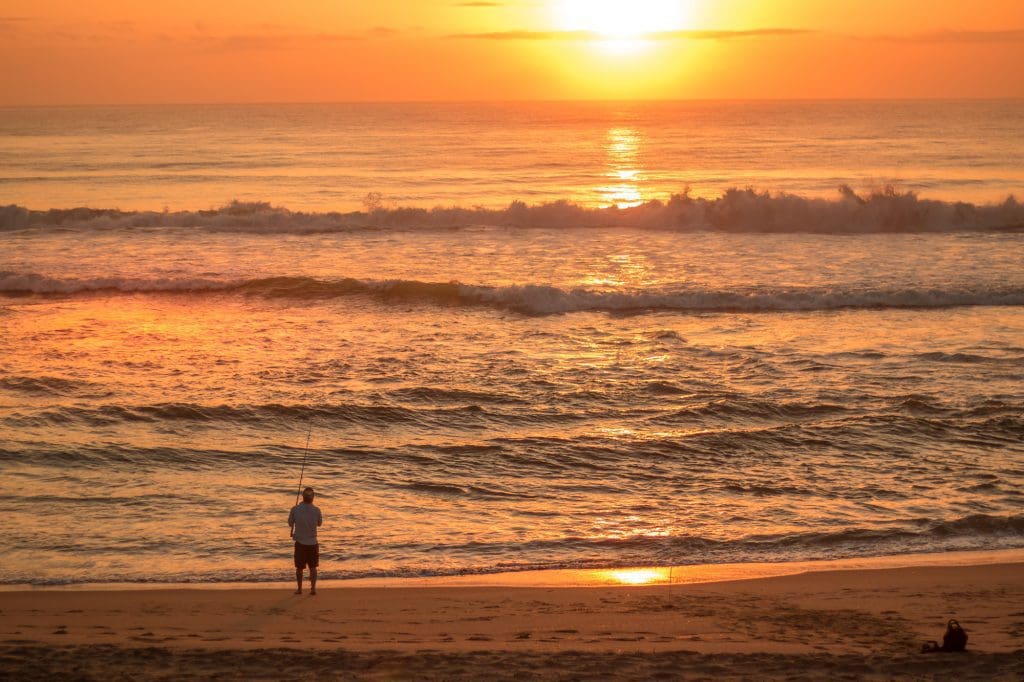

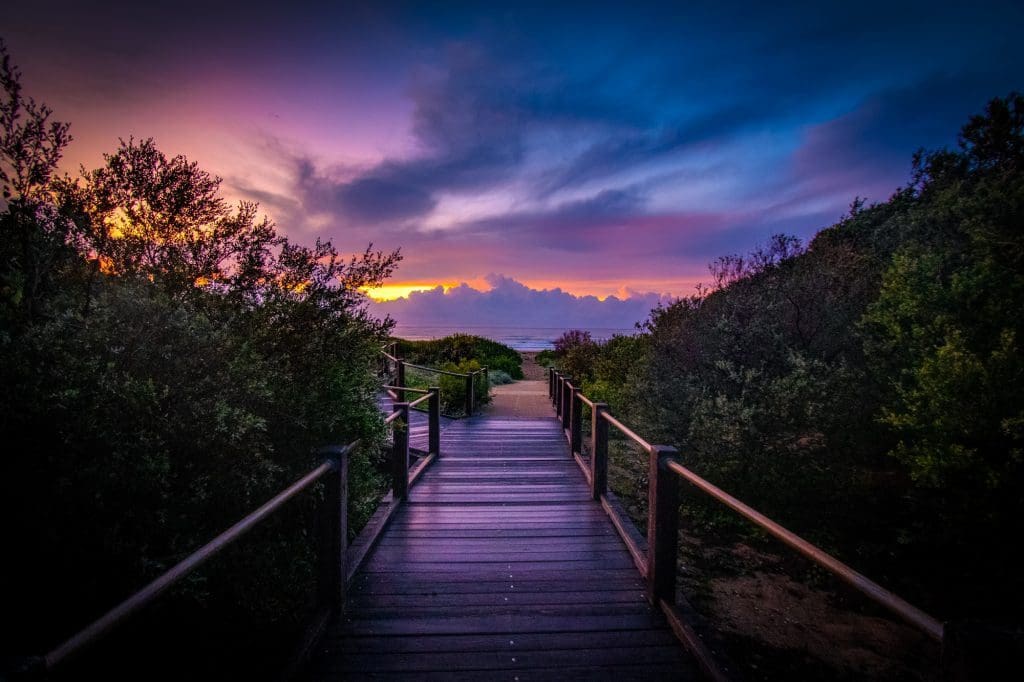
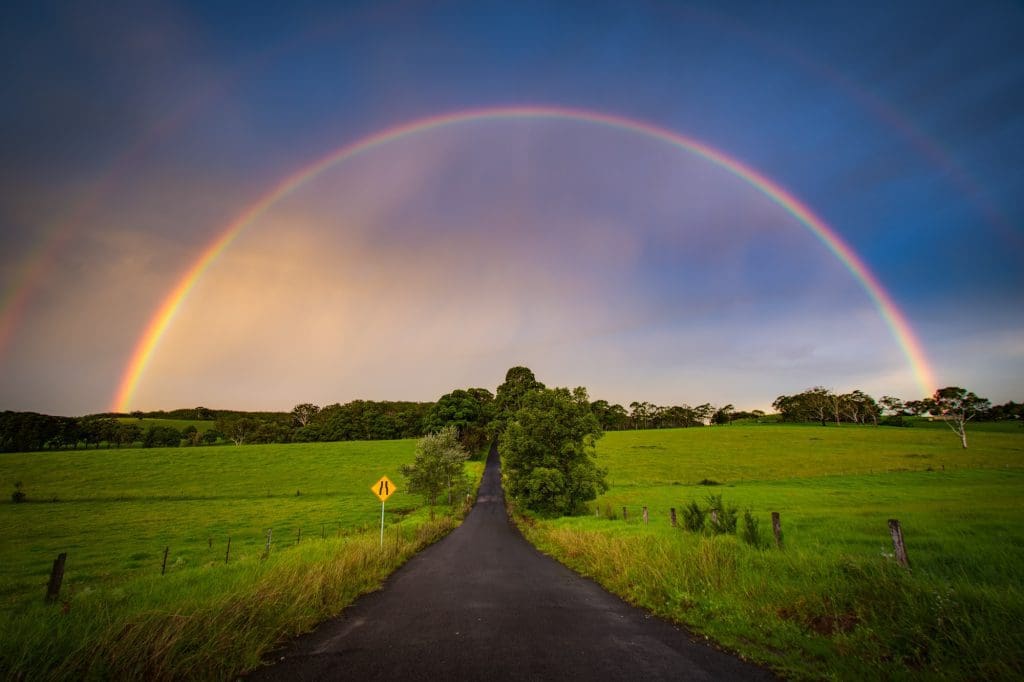
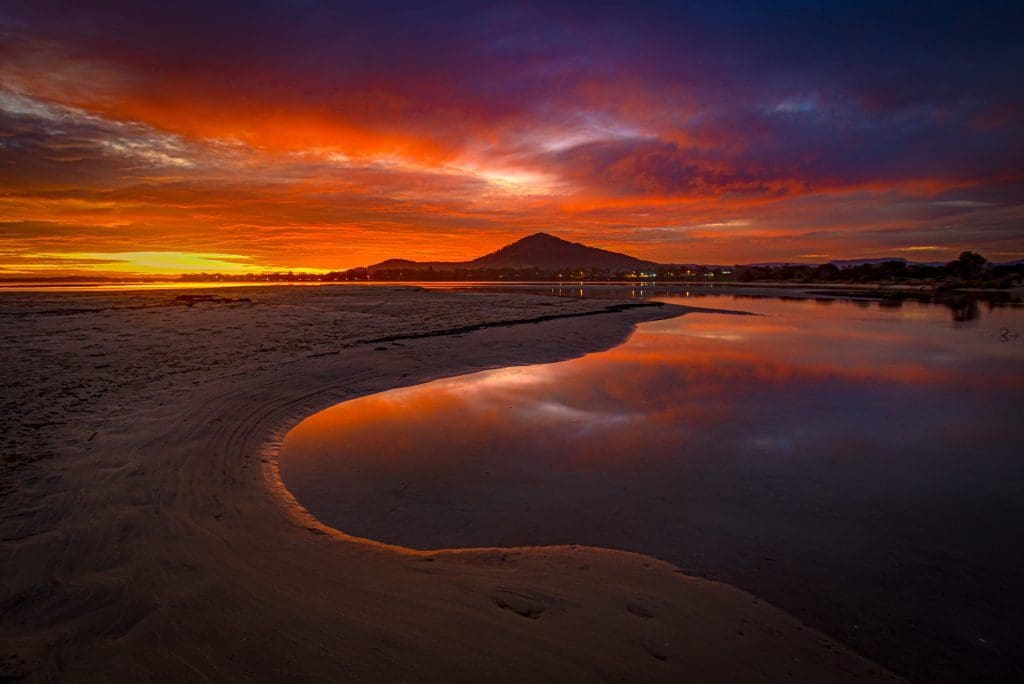
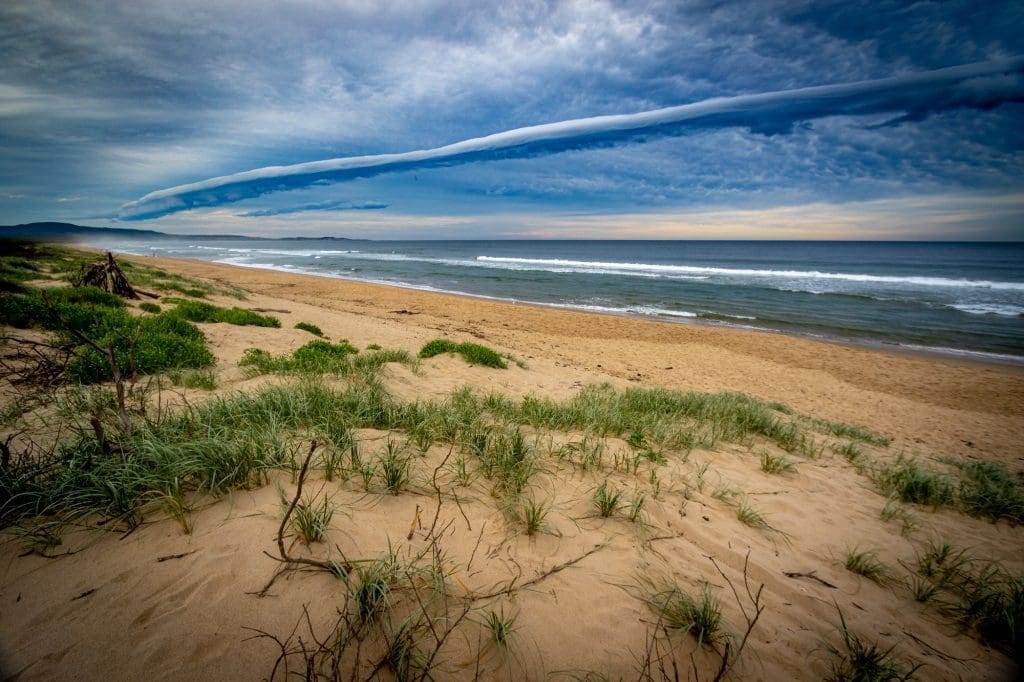
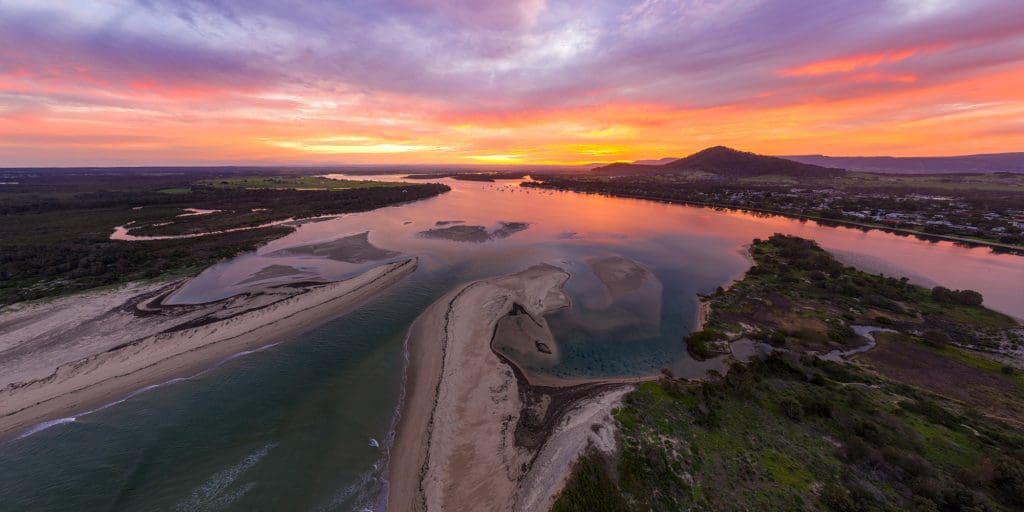
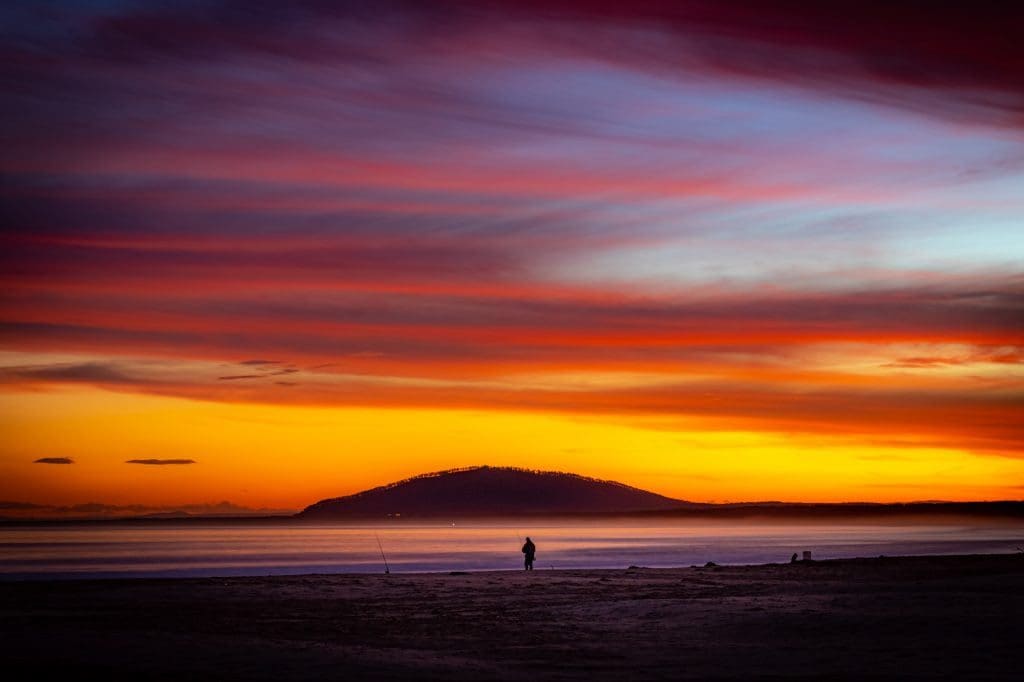
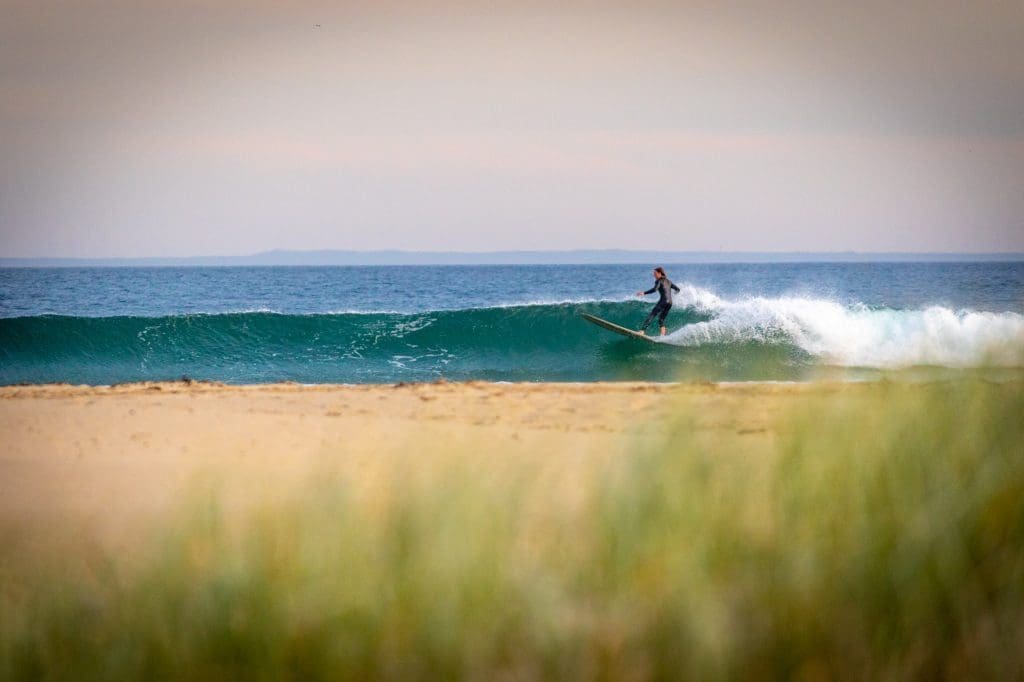
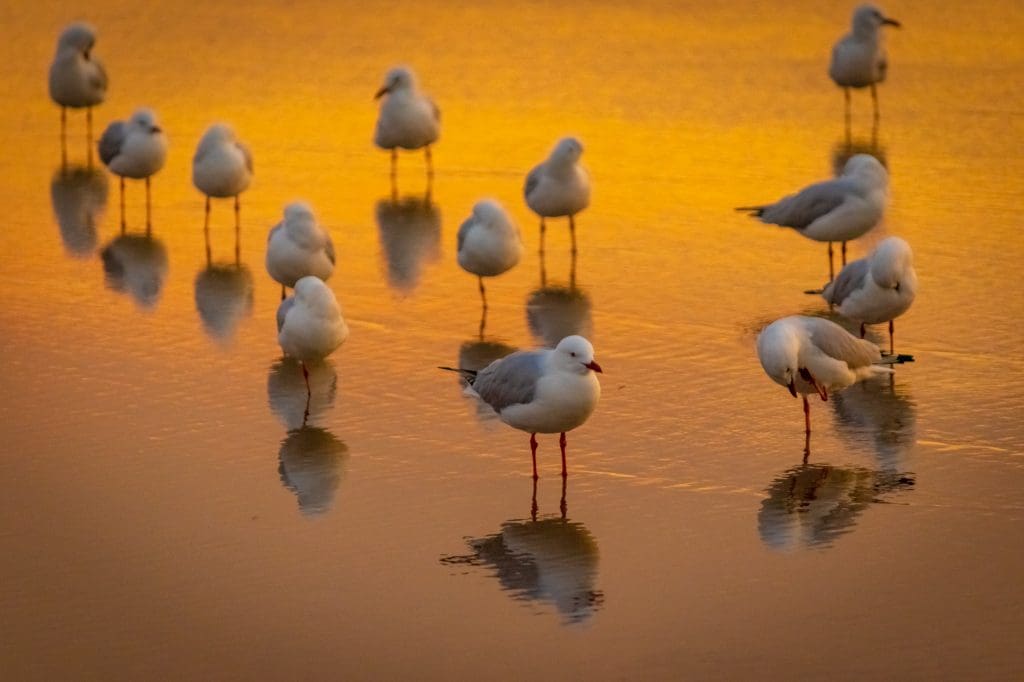
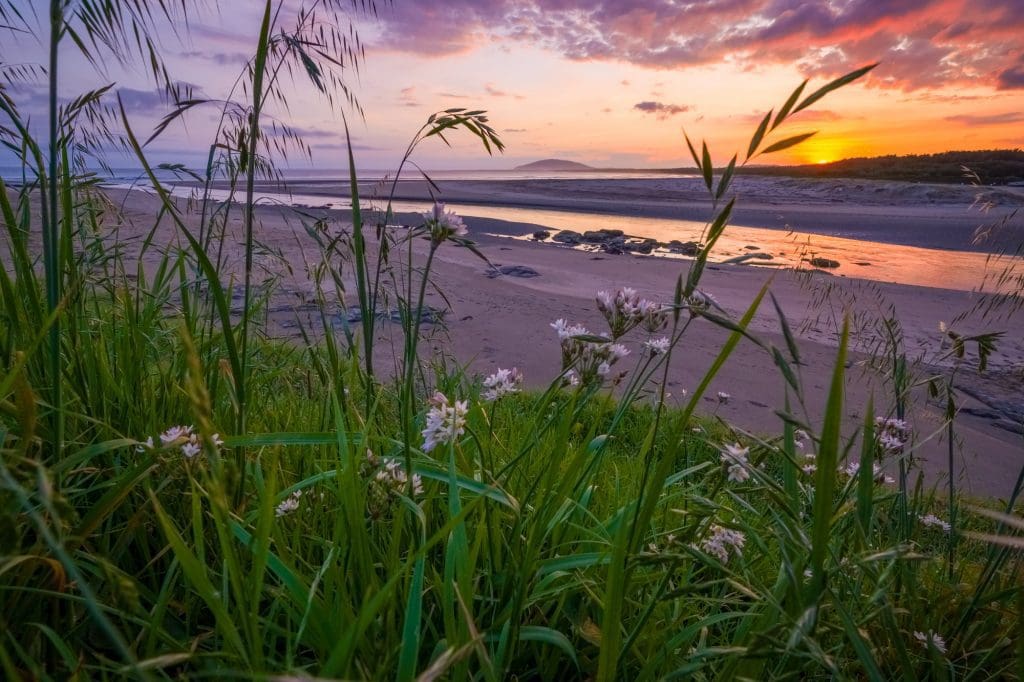
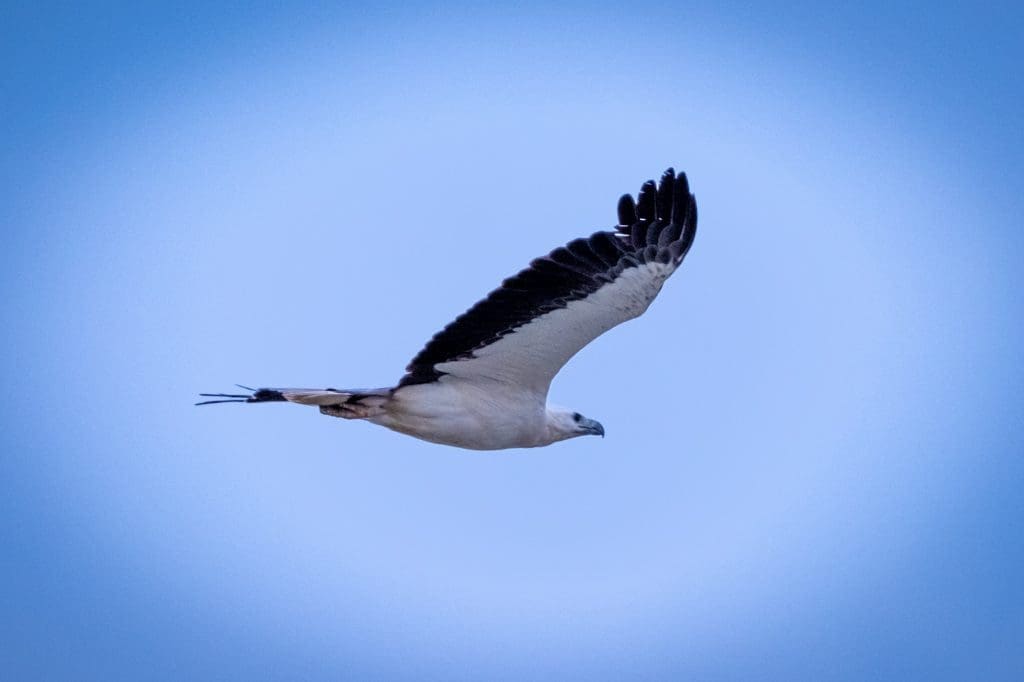
I love photographing the seabirds at Gerroa. Pretty often it’s just me and them on the beach, enjoying a vibrant sunset. Seven Mile Beach is a flat and shallow beach with no drop-off at all, which means you can get glassy reflections in the sand as the tide’s going out – April 25 & June 16
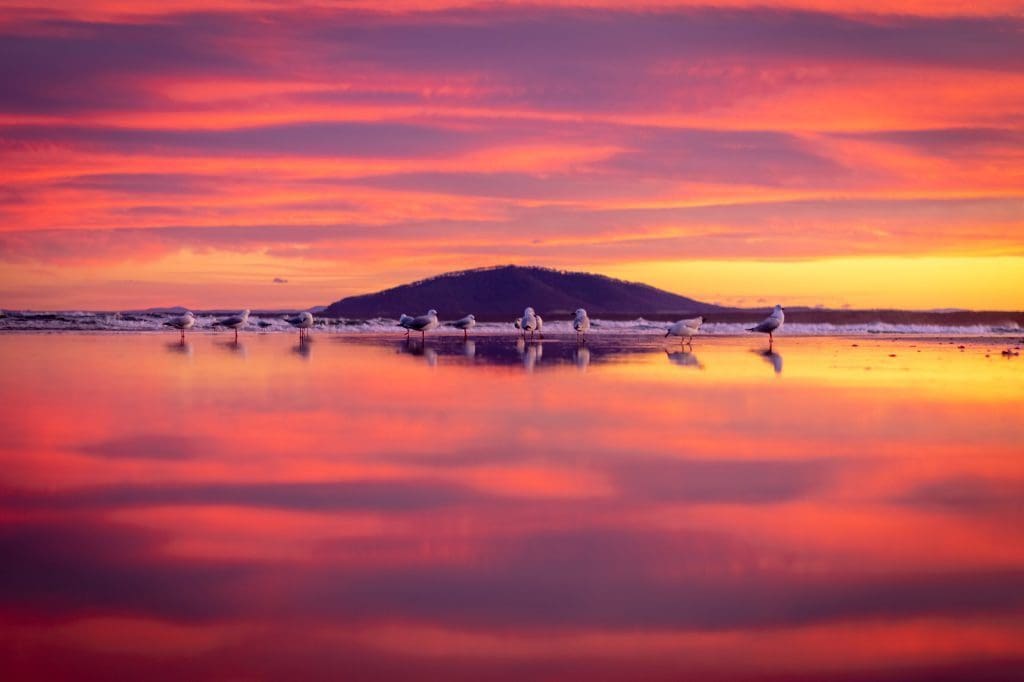
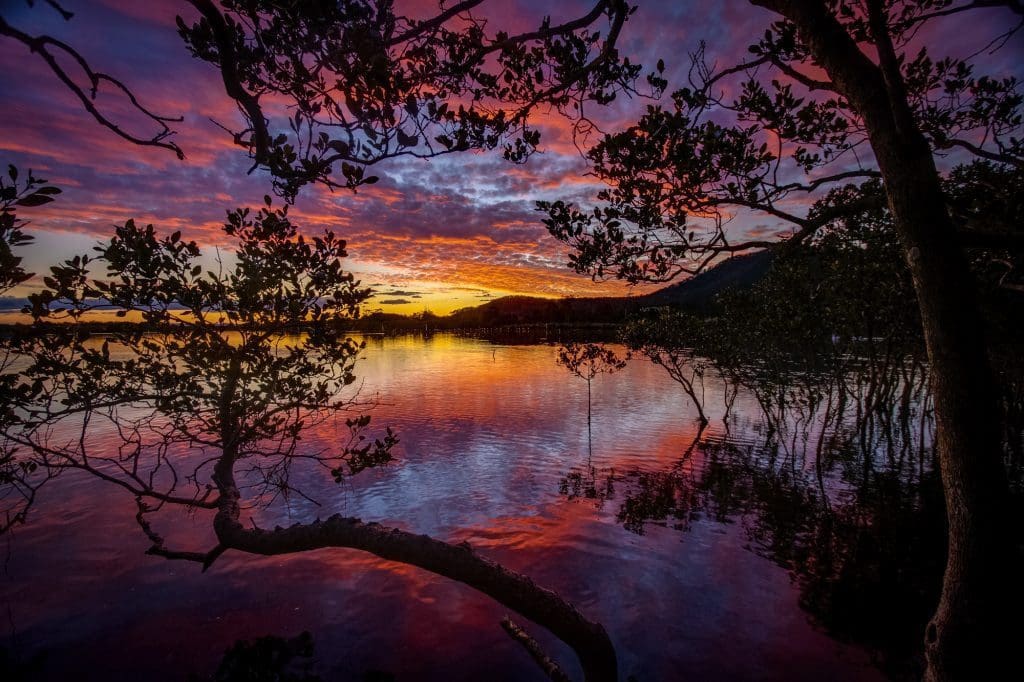
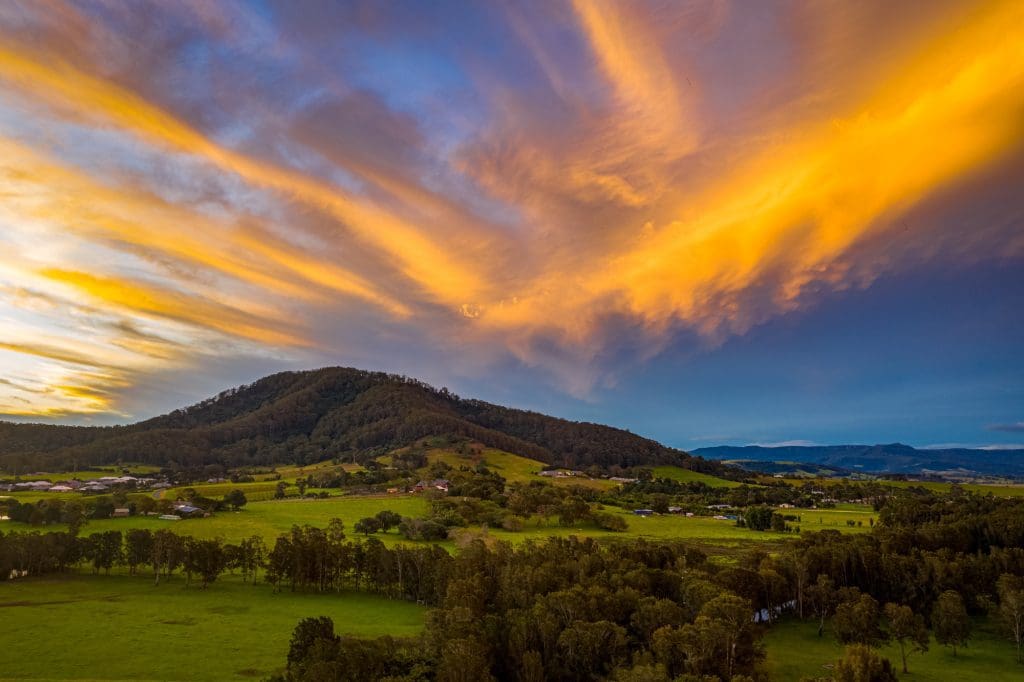
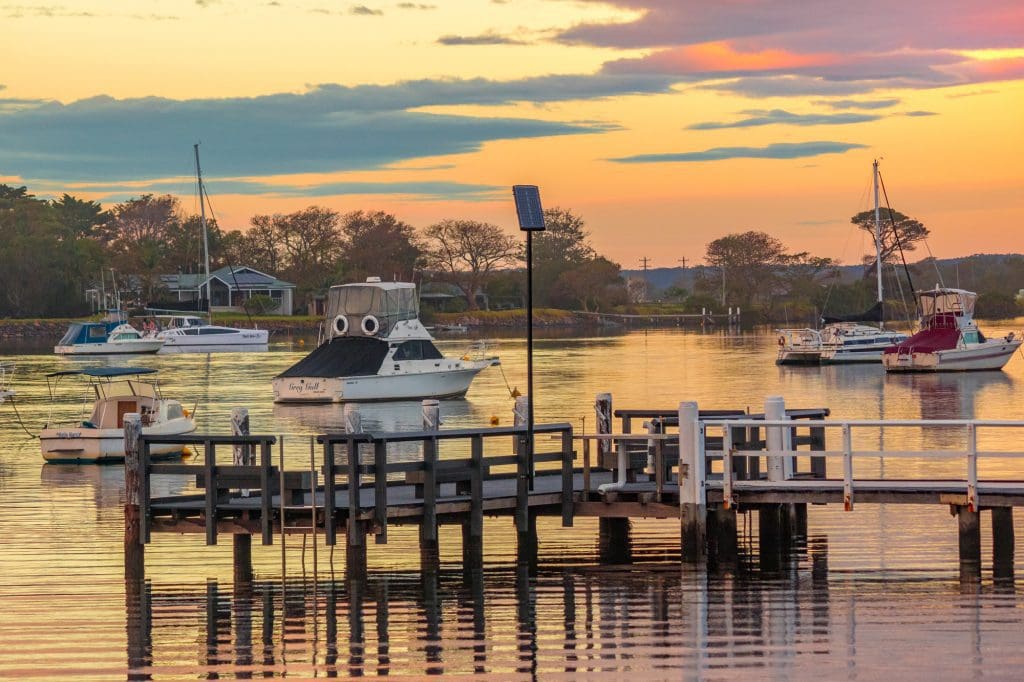
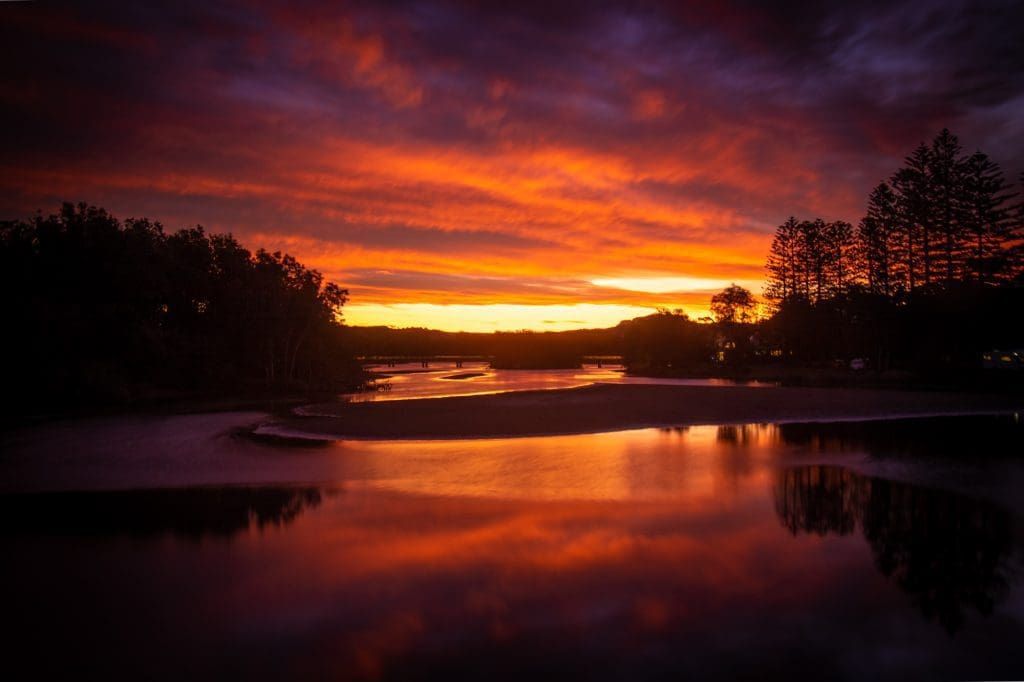
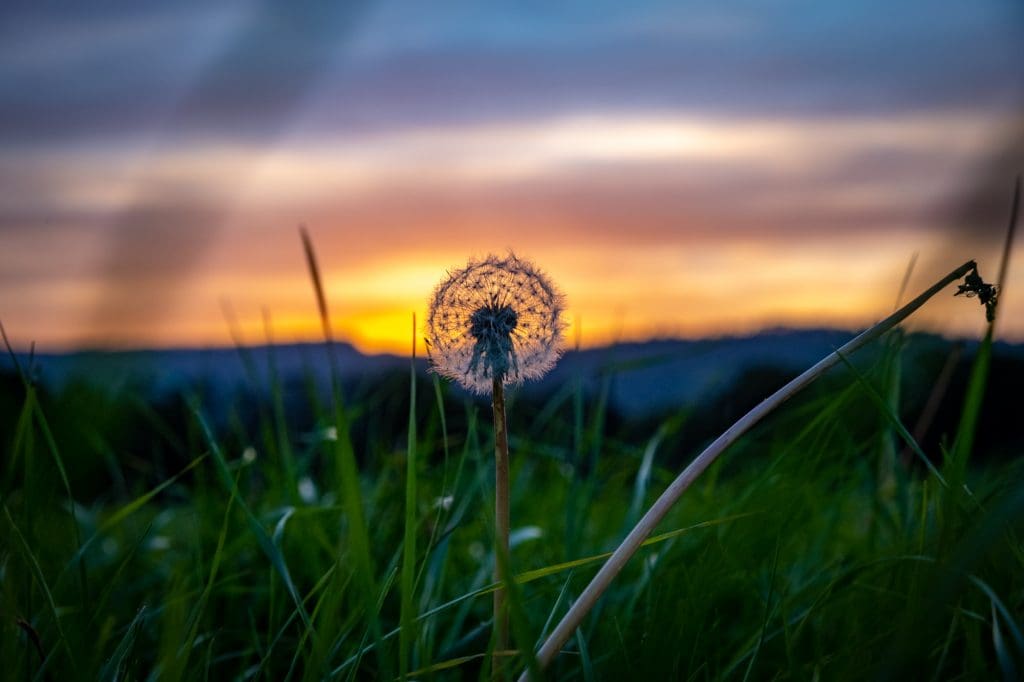
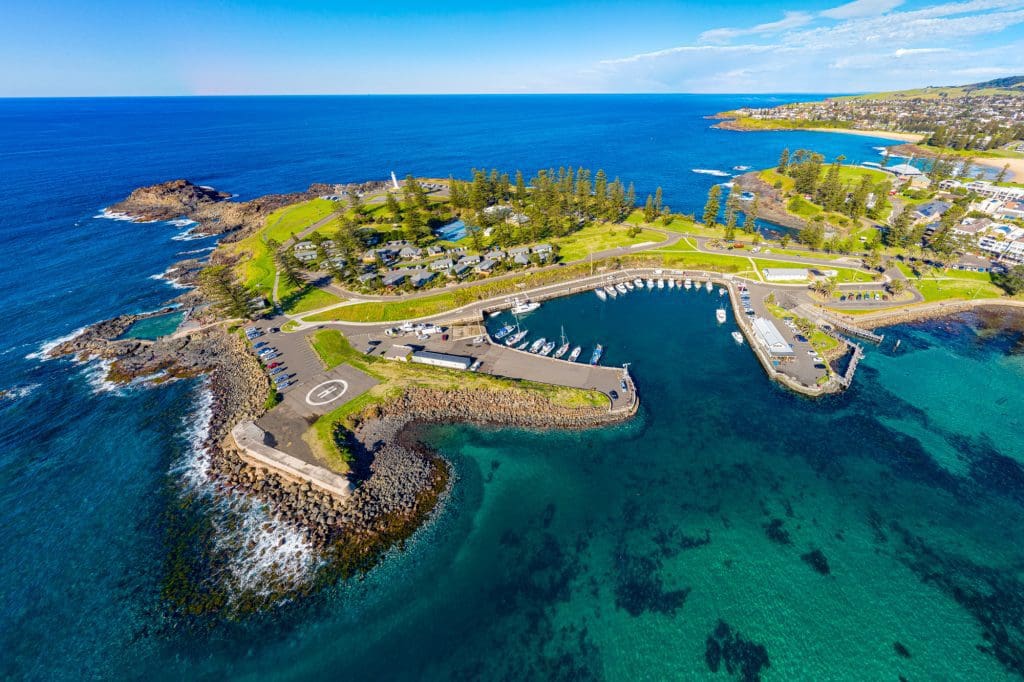

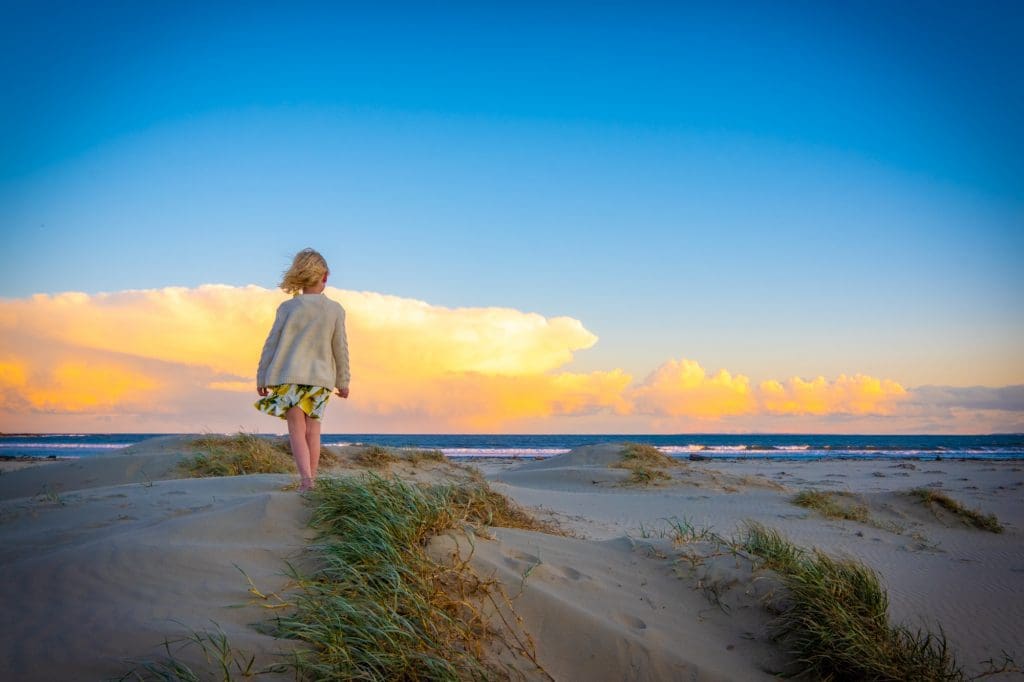
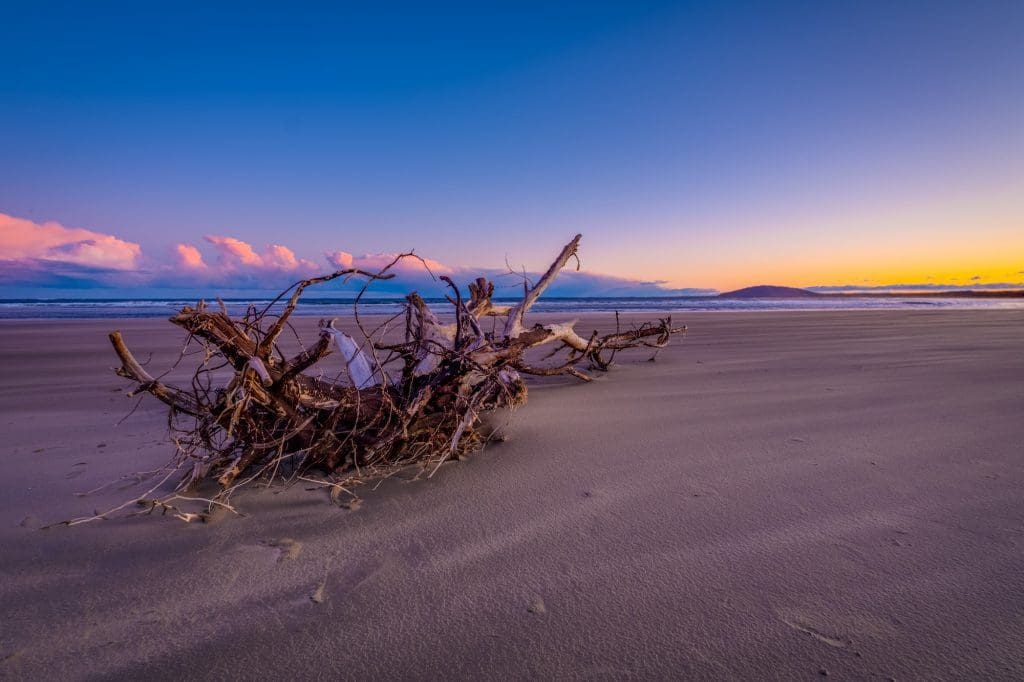
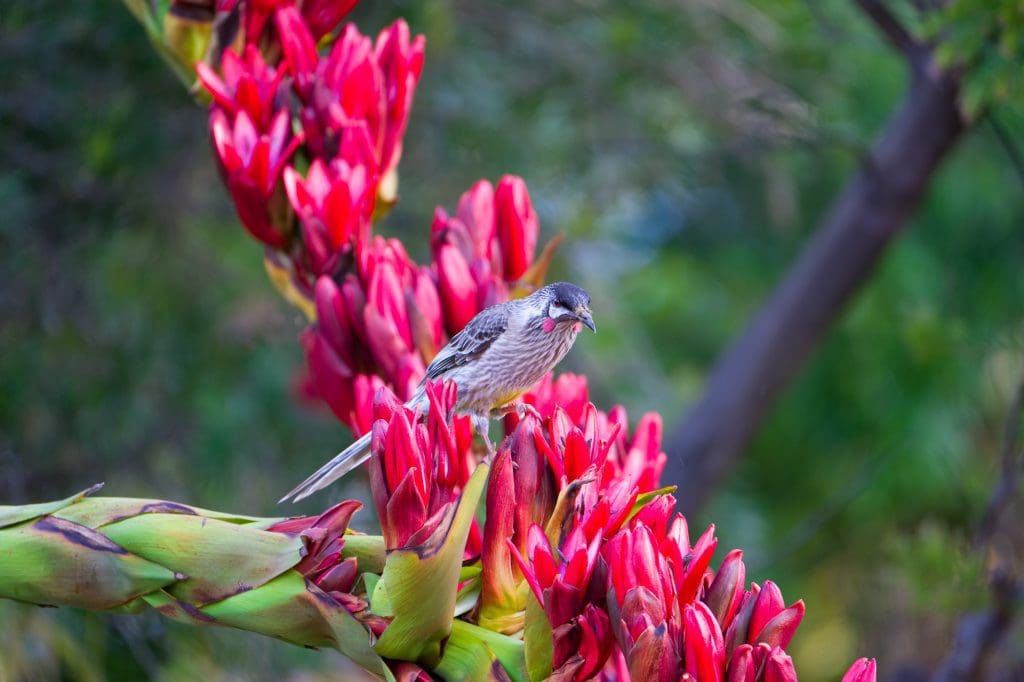
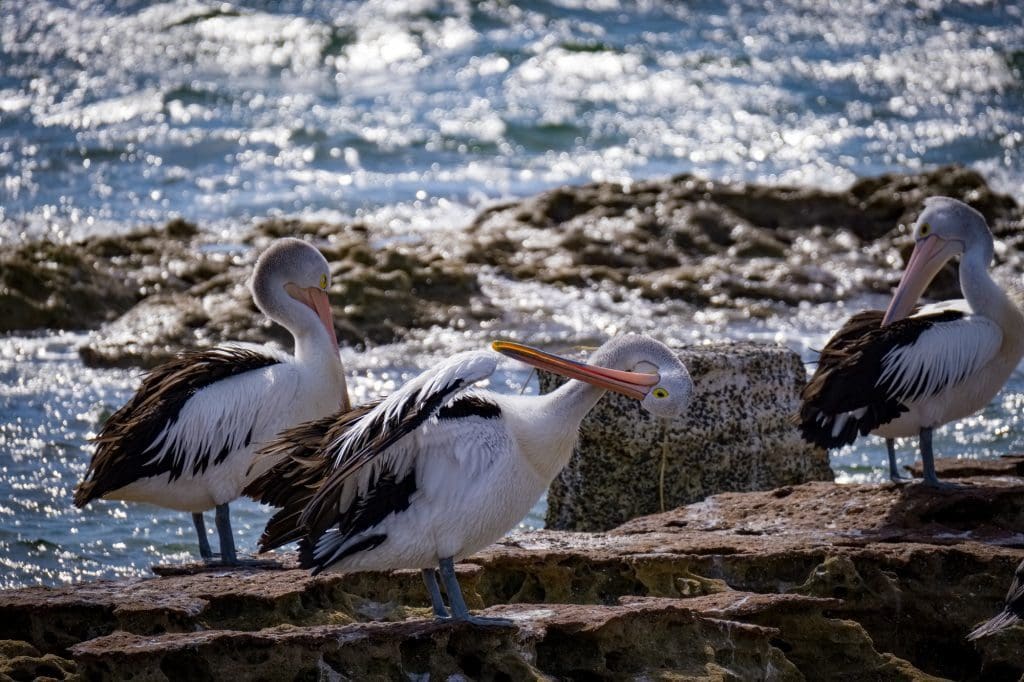
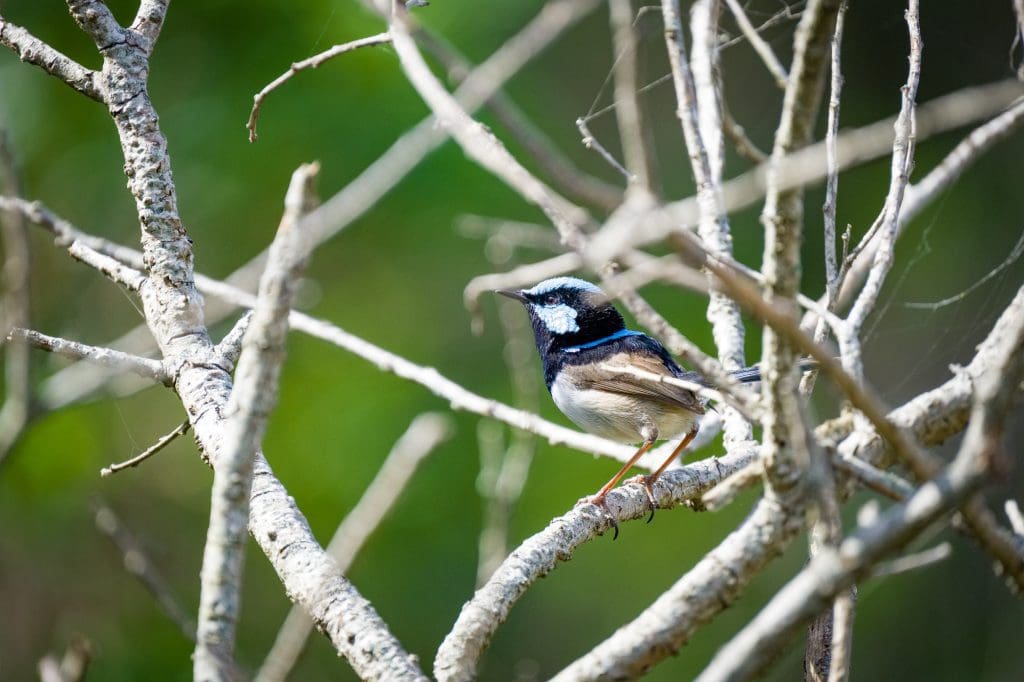
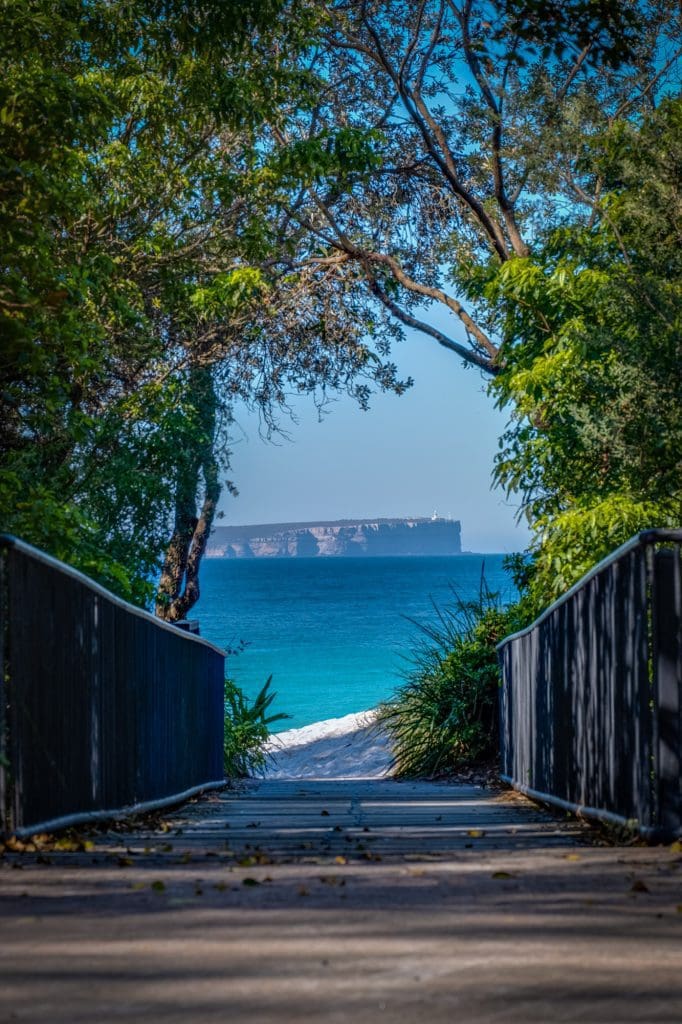
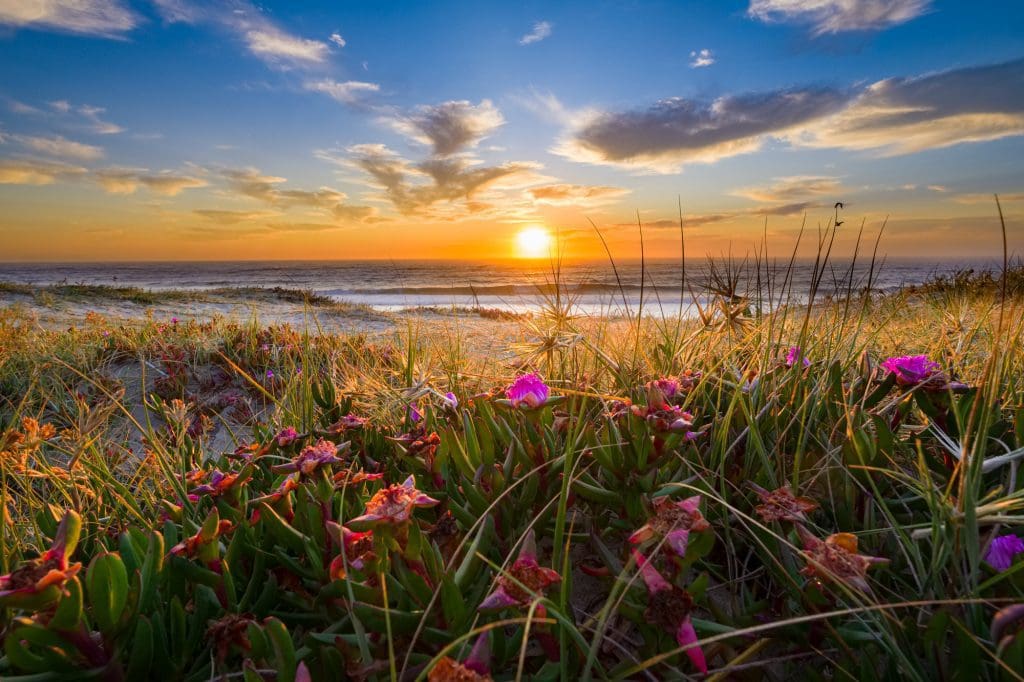
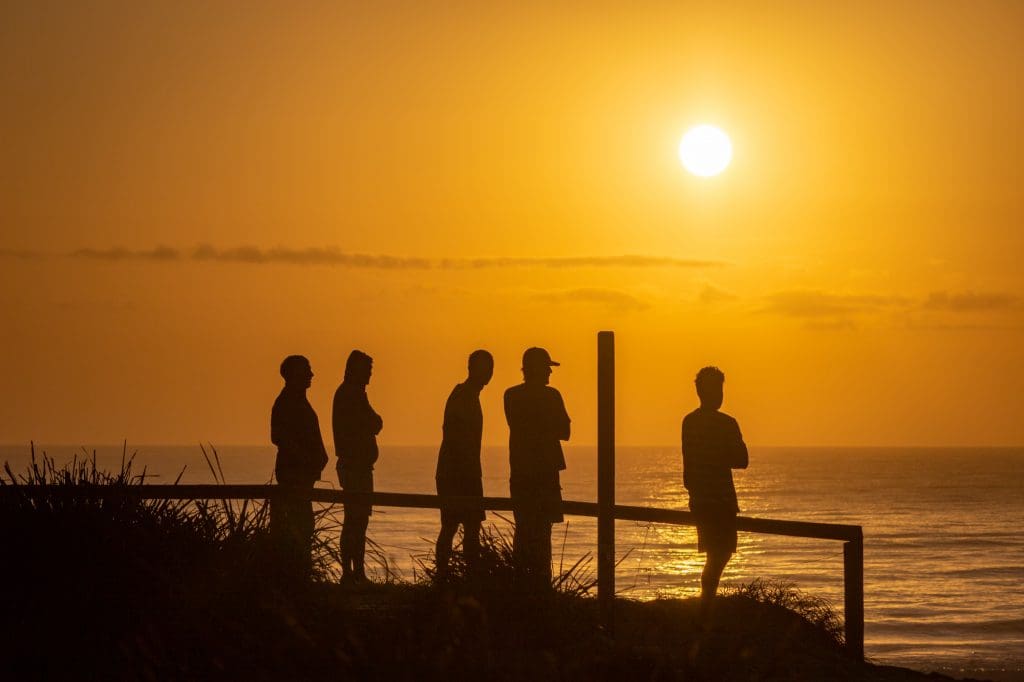
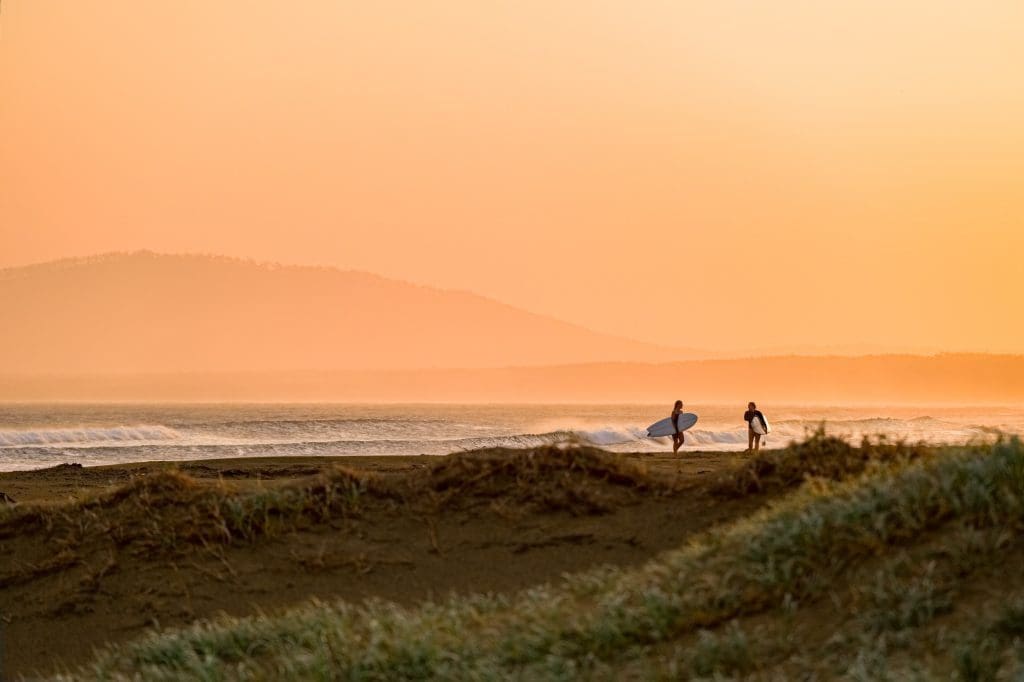
These are some of my favourite kinds of shots to take. They’re taken with an extremely low aperture so that the lens is wide open. This creates a very narrow focal plane in which only a small slice of the image is in focus. So if you shoot wide open in front of a rising sun and focus on some dune grass you get this awesome effect. October 4, October 5, October 12.
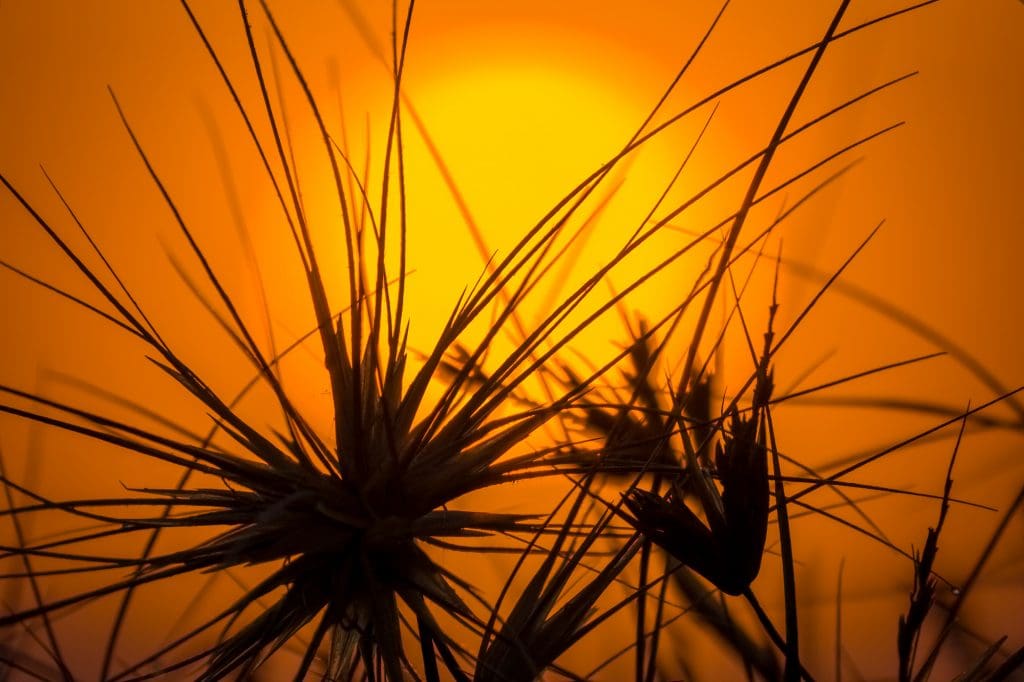
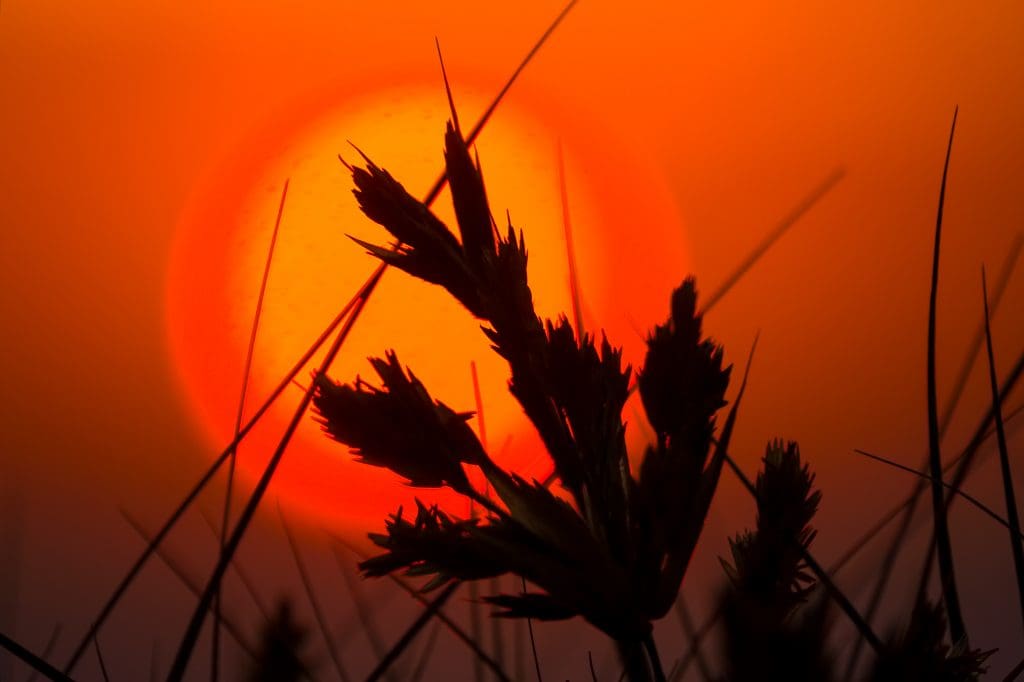
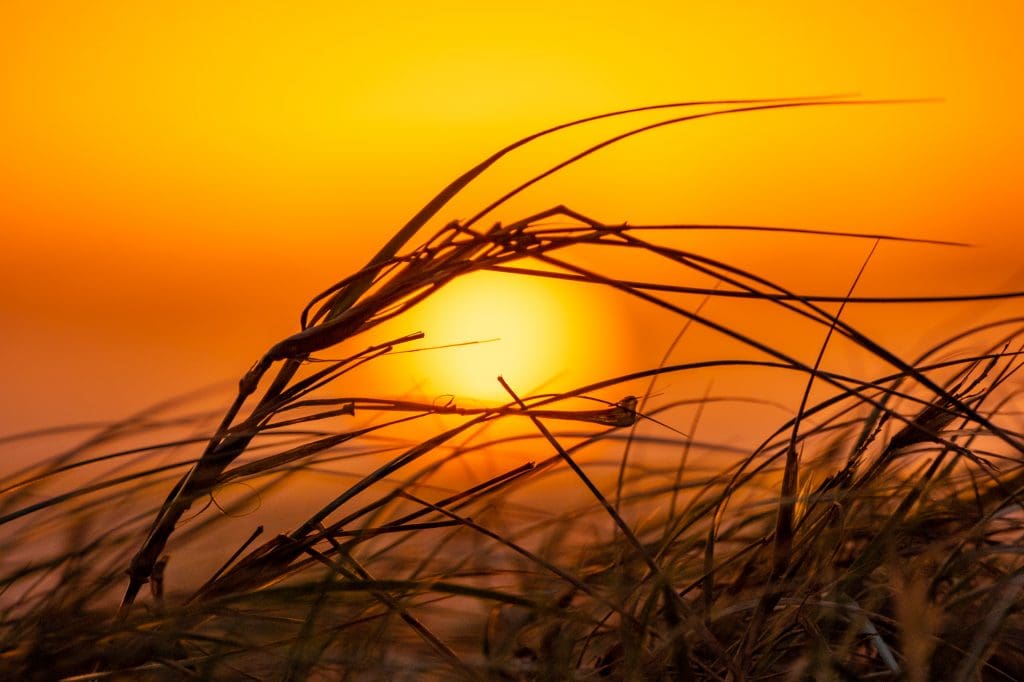
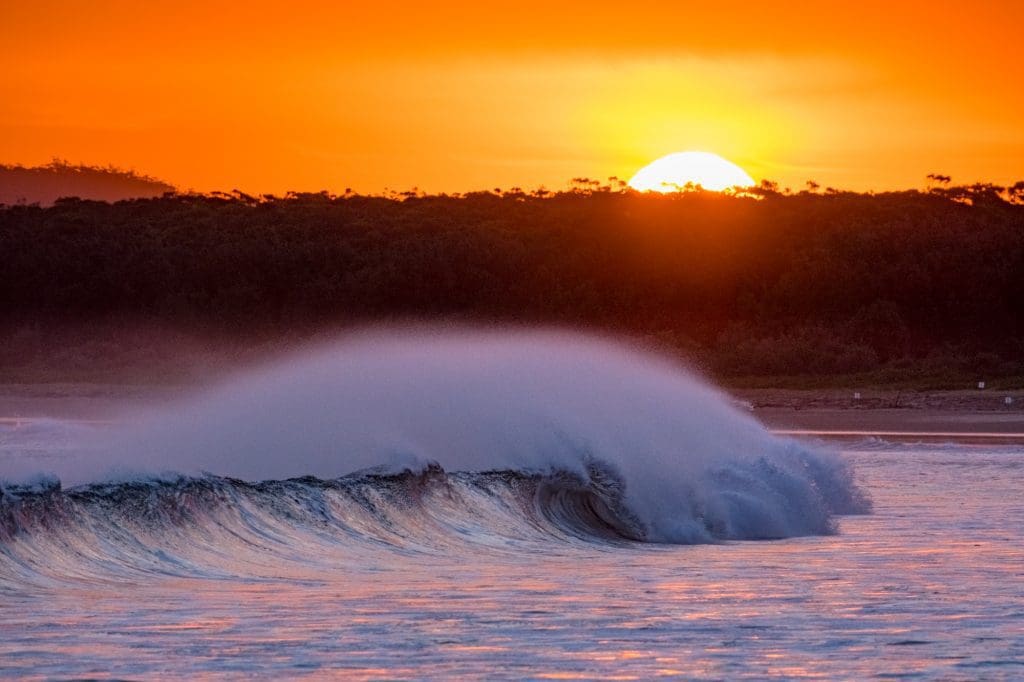

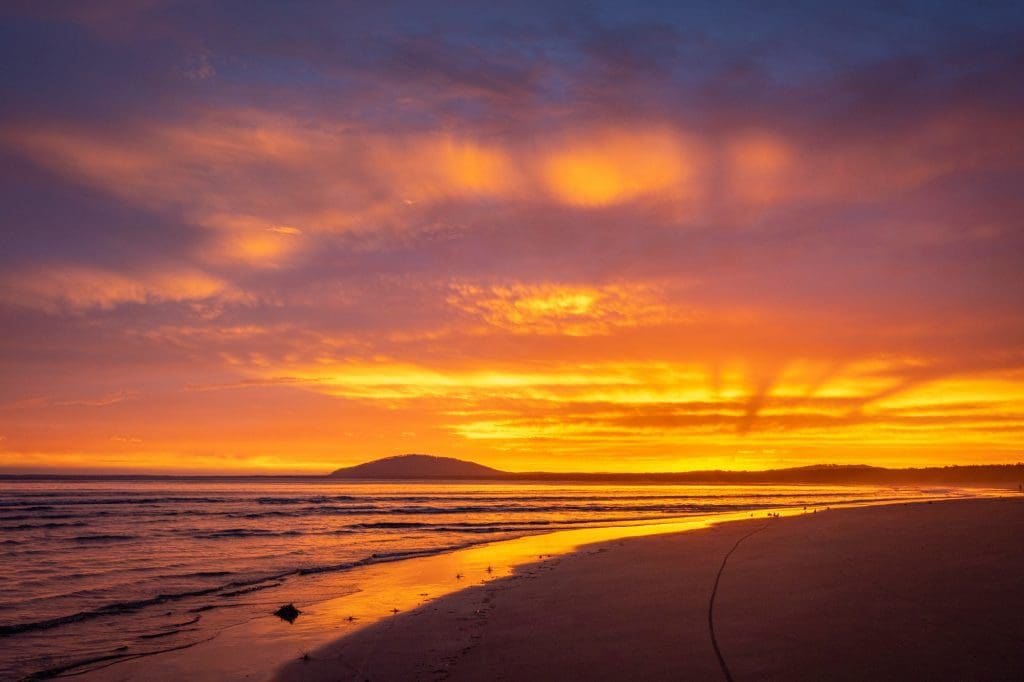
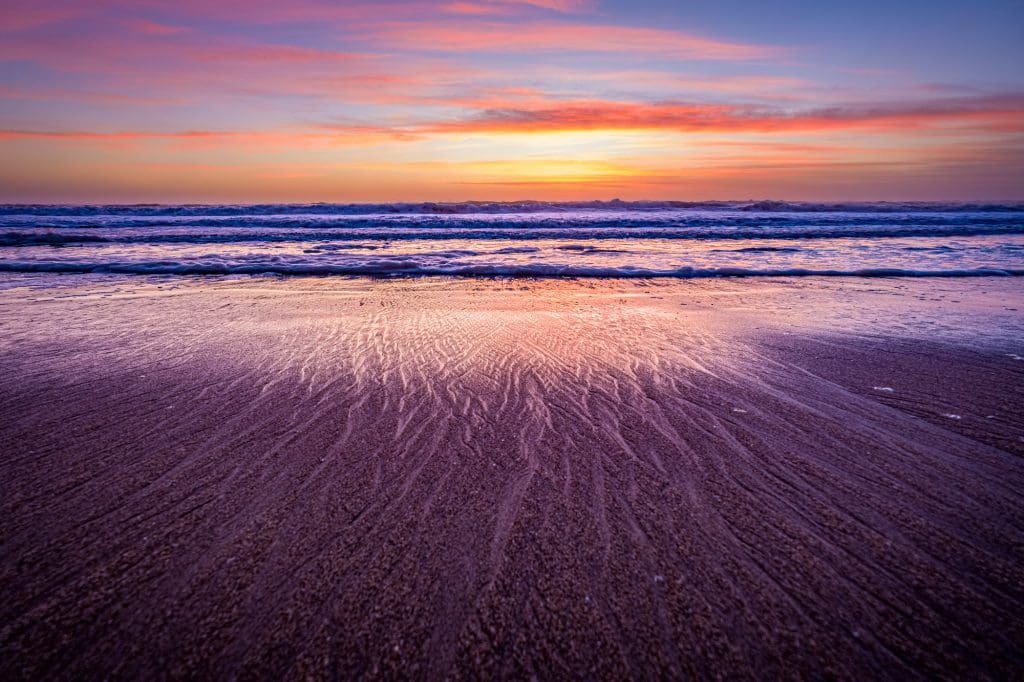
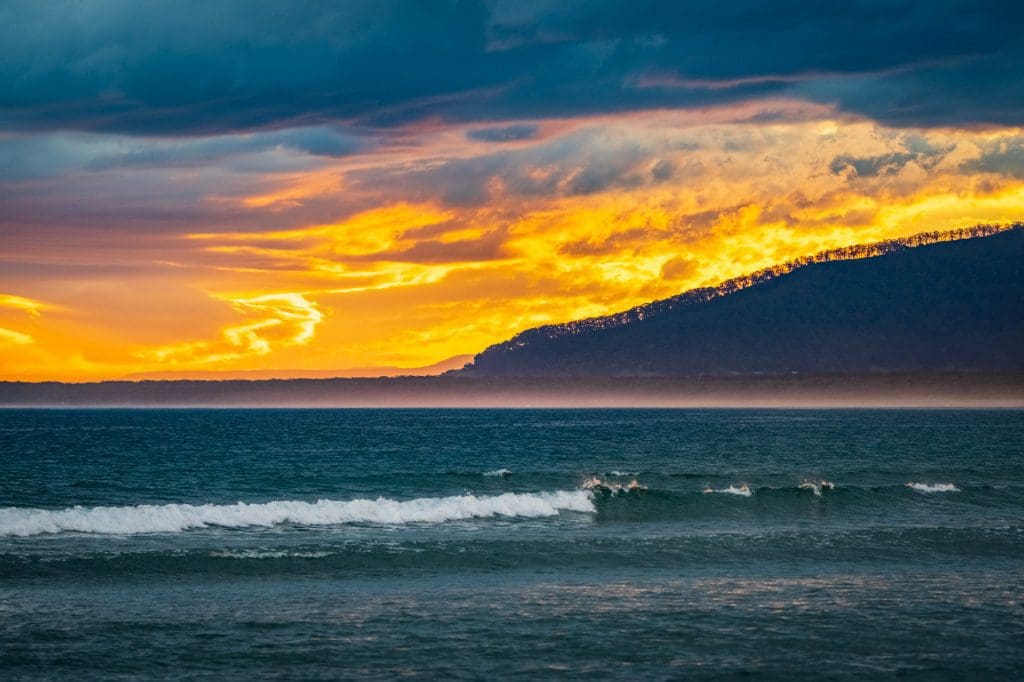
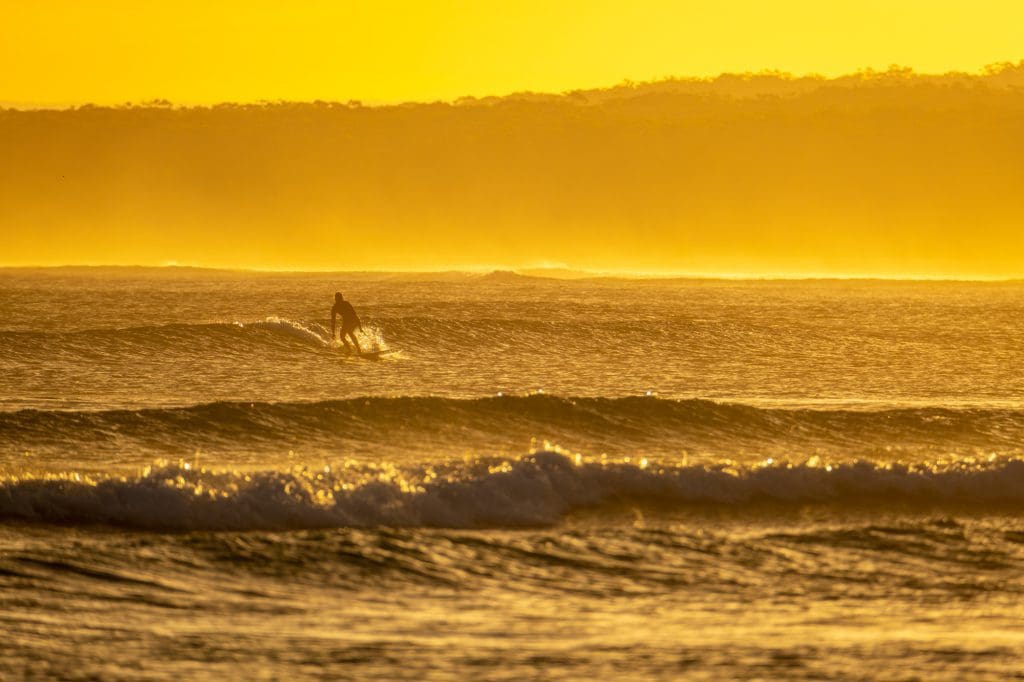
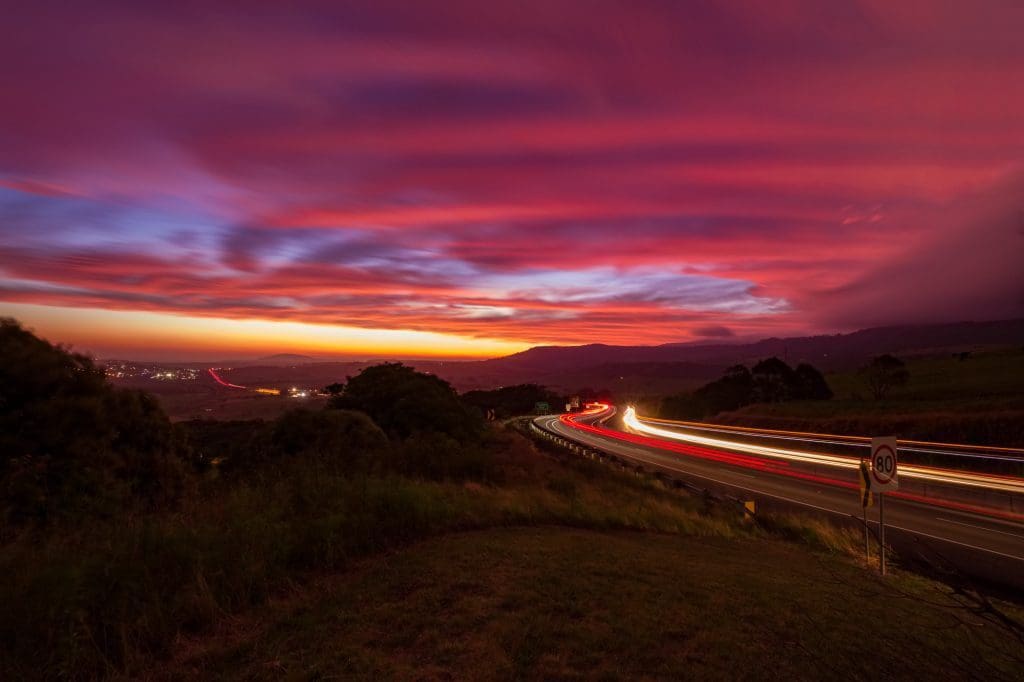
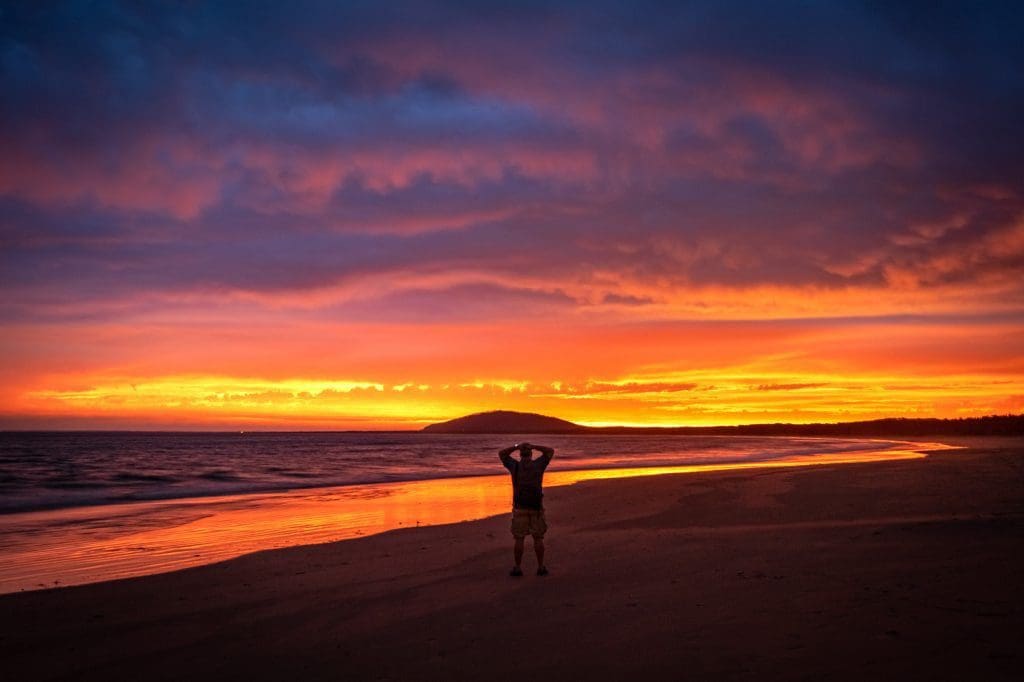
As we headed towards the end of the year, restrictions continued to ease here in N.S.W. It’s pretty evident by now that this global pandemic has revealed the very best and the very worst in people. The very best are of course those people working in healthcare who have put their own lives on the line repeatedly caring for people with the illness. And the very worst were those people who bought into the deluded fantasy that the virus was fake and in so-doing endangered the lives of their fellow citizens. If I hope for one thing in 2021, it’s that we find a way of cutting out the cancer of conspiracy fantasies and paranoid bullshit like anti-vaxx, big reset and climate-change denial and, since day-dreams cost nothing, I’d also like a world in which we weren’t governed by the politics of hate on the far-right – December 3.
For many photographers, stock was a great way of earning some residual income from photographs that would otherwise sit collecting virtual dust in a Lightroom catalog. The new generation of photographers who embraced digital 20 years ago were able to create and upload images quickly and efficiently and it became so convenient that some switched to creating stock images full-time. For a few years everyone was happy - the photographers were earning a bit of steady cash, the stock agencies were doing great with their percentage and the customers had a vastly improved catalogue of images to pick from.
But the stock photography scene in 2020 is a long, long way from how it looked at the turn of the millenium and the question remains - is stock photography worth bothering with?
There was a stock photography gold rush a couple of decades ago. The established stock agencies such as Getty were fairly slow to pivot to the new digital marketplace and many smaller digital-only microstock agencies sprung up. The most popular of these was iStockPhoto and it was the site where many photographers got their start in stock. They offered a couple of options for uploads - you could either accept a payment or convert any purchases to credits and use them to download stock images yourself. This was a clever move and a useful option for photographers who also did graphic design work or were website designers. Alongside iStock were a bunch of niche stock libraries catering to highly specific audiences, such as gay, automotive or medicine.
I started submitting images to iStock not long after the service began and ended up with about 200 shots on there before I pulled the pin. I used to convert all my payments to credits to use against the download of shots for web sites we were designing. It was nice because it was self-sustaining. However like all the microstock agencies, iStock slowly but surely reduced the royalty rates they gave to photographers until it felt like they were taking the piss and when that happened I stopped submitting content. I know that many of my peers also stopped uploading to the stock photo libraries. What happened was that the casual, amateur and semi-pro photographers were effectively excluded because it simply wasn't worth all the time and effort of submitting and keywording photos that you'd earn a few cents for each month. The only people that seemed to be making any money at all (apart from the agencies themselves) were the stock photo factories - studios setup simply to churn up cheesy stock imagery on a production-line basis.

The one thing that made stock photography an absolute non-starter for the vast majority of photographers was the subscription model that all the agencies rolled out. You're probably familiar with the complaints of artists whose songs are streamed on Spotify and for which they earn a few measly bucks every month even after thousands of listens. The same holds true with stock photography. At most of the stock libraries customers can choose to either pay a flat fee for a set number of downloads each month, an all-you-can-eat subscription or they can pay per image in the old way. If you regularly purchase stock photos then of course you're going to opt for the subscription model since it works out much more cost-effectively to you. If you're the photographer however, you'll earn an absolute pittance for each download.
Back in 2016 I did an experiment and uploaded a few images to the Adobe Stock library. I basically dipped my toe in the water in order to see if it was worth bothering with uploading there. I was pleased when I got my first sale there, but not so happy when I saw the commission that Adobe were paying me. Now I'm not expecting to get paid hundreds of bucks for every shot I upload, but is 24cents really a justifiable fee too me for my photograph? Does 24cents reflect the experience that went into taking the photo, the time it took me, the cost of my camera equipment? Of course it doesn't - Adobe might as well have recorded their CEO farting into a microphone and sent me that instead. How many photos would I need to sell through Adobe Stock to make a living at 24cents a photo? I'd have to sell 160,000 photos a year to make $40k at those rates. And even if we say that I'm just doing it for morning-coffee money, I'd have to sell 20 images at 24cents a go to buy a single fucking latte.
In the dive to the bottom in the photography market, one website took the crown. That site is of course Unsplash, where you can take your pick from a vast amount of high quality imagery for absolutely nothing. Every photo on there can be downloaded completely free of charge and used in commercial projects if required. There can be no doubt whatsoever that the meteoric growth in popularity of Unsplash has seriously hurt the stock agencies bottom line. Yes the stock agencies will always have a greater variety of images covering a greater variety of subjects, but for most people they can probably find what they want on Unsplash.
It's safe to say that if any casual photographer was labouring under the delusion that they could earn a bit of residual income from photography then the popularity of Unsplash has surely put the last nail in the coffin of that enterprise. As an experiment I uploaded 15 of my photographs to Unsplash a few years ago and you can see the results of that in the screenshot below. Over 20million views of my shots and just over 52,000 downloads. That's 52,000 times my photograph was used on a website or advert or some other project and I didn't earn a single cent from it. As to why photographers continue to support Unsplash, I have no idea, but I find it appalling that a company is earning hard cash from the good will of a bunch of naive photographers. The only solace I take from it is that it's surely hurting Getty Image's bottom line.

Getty who now own iStockPhoto are of course not the only stock library offering subscription options to customers:

All things considered it's hard to recommend being a contributor to stock photography libraries if you're a casual photographer. While some stock libraries still offer equitable payments for images sold, most have moved to a subscription format which is of benefit only to the library, not the photographer. Furthermore free stock photo sites like Unsplash have undoubtedly reduced the volume of images sold at all stock sites. Finally many people are now happy to take their own images to use on their websites or in their marketing materials, because smartphone cameras are so good these days that everyone can take a half-decent photo with no fancy kit required.
The simple fact is that uploading to stock libraries is a tedious process and, after going to all the effort of keywording your images, they might not even get accepted for quality reasons. The only photographers who can earn anything close to good money from stock libraries are those who treat it like a full-time job and upload hundreds of images a week, preferably ones that are relevant to the current zeitgeist.
So, despite the fact that drones continue to have an incredible track-record when it comes to safety, the Australian government bought into the drones-are-evil narrative peddled by the media and instructed the Civil Aviation Safety Authority (CASA) to reign-in drone use. They are in the process of heavily legislating the use of drones and have started the process with anyone who makes money from them. The professional drone associations have also been lobbying for tighter restrictions ever since the government announced that you could legally fly an under-2Kg drone for commercial purposes without needing any licences. As usually happens, the little-guy lost out, the powerful lobby groups and the big media corporations won the day and CASA rolled out a brand new set of rules that need to be complied with. Personally I think the whole situation stinks, but since the paperwork that's now required to fly legally and commercially is currently free, you don't have much to lose by falling into line.
If you're just a recreational flyer and you never earn any money from selling photos or videos created with your drone then you have a bit of breathing space. However in 2022 that all changes and all drones above 250g will have to be registered in Australia.
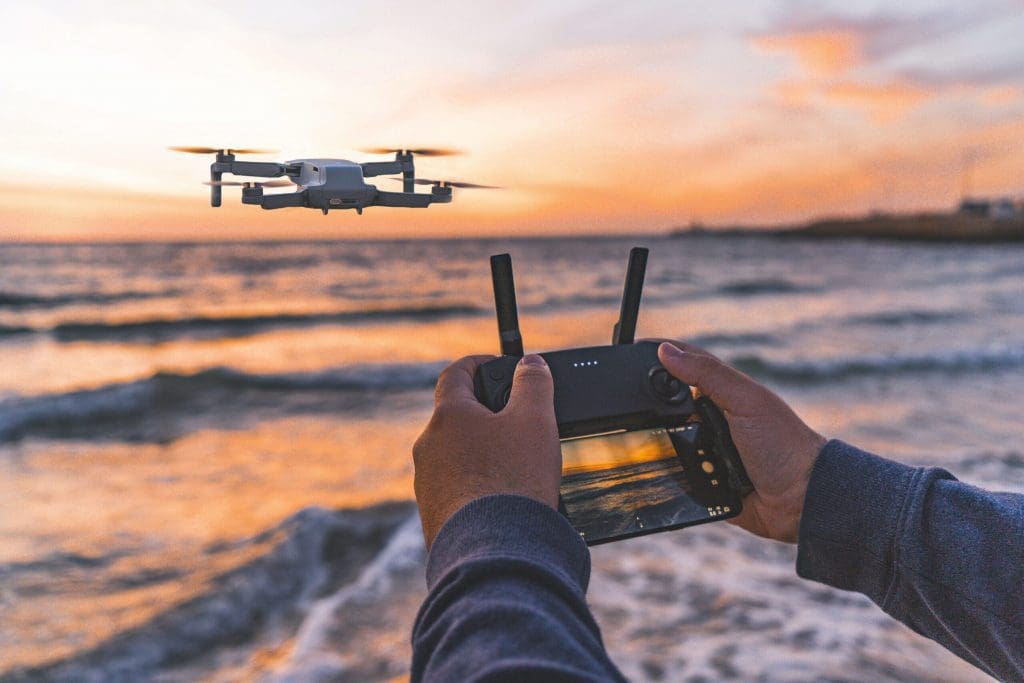
Back in July 2019, CASA added an amendment to the Part 101 regulations that govern the legal use of unmanned aircraft. This amendment brought into law the requirement to register your drone(s) if you're flying commercially and to get a drone accreditation too. Previously there was no requirement to register anything in the sub-2Kg category - you could just buy a drone in JB Hi-Fi, walk out of the store, fly it and sell the photos or videos. The standard rules governing actual drone flights (120m maximum height, 30m from people etc) have not changed, but they have gone to great lengths to spell out some of the dodgier areas of drone use.
If you only ever fly your drone for fun, for your own pleasure and you never make any money out of it, then (at this stage) you do not have to register your drone or get accredited.
For the recreational drone flyer, the new red tape comes into force in 2022. In March 2022 the registration scheme will open and by the end of May 2022 it will be a legal requirement to register any drone above the 250g category in Australia and to pass a basic accreditation test. At this stage the registration and accreditation will be free, but only a fool would trust the government to keep it that way. You can absolutely guarantee that here in Australia, where absolutely everything is licenced and taxed, you will eventually be paying for the honour of flying your drone whether you do so for shit-and-giggles or for cold hard cash. It's a sorry situation and a total over-reaction by the government, but you can thank the right-wing media (print and broadcast) for turning drones into objects of hate and the professional drone organisations for helping to demonise the recreational drone flyer.
In order to register your drone you will need to create an account on CASA's new online portal called myCASA. You'll need to provide proof of identification (usually your passport) and you'll also need an Aviation Reference Number or ARN, which you have to apply for separately. Yep - lots of lovely form filling and jumping through hoops. Once you've proved who you are and got your ARN, you can register your drone by make, model and serial number. If you destroy your drone or sell it then you're also required to unregister it.
I had previously got my ARN because it was a requirement of a drone insurance policy I held, but it took a couple of weeks to come through and I doubt this has changed. I've been through the process of registering my drone and it was relatively painless because I already had my ARN. It's basically a few pages of online forms and then you receive a notification email and a certificate that proves your registered. You will have to show this certificate to law enforcement officials if asked to do so, so you'll need to keep it handy either online or in printed form.

The same roll-out of legal requirements that apply to drone registration will also apply to drone accreditation. By May 2022, anyone who flies a drone in Australia for recreational or commercial purposes will need to be licenced. If you currently earn money with your drone, then you'll need to get licenced by the end of January 2021. If you only fly recreationally then you have until the end of May 2022 to fall into line.
As with drone registration, getting your accreditation is currently free and, once you've done it, it's valid for three years. It's not a particularly difficult test even for someone with the vaguest understanding of civil aviation regulations. I thought I'd just give it a go and see how I did with no preparation at all and I passed first time. You'll be asked all sorts of incredibly obvious questions, such as 'Are you allowed to fly in fog out of line of sight of your drone?' and 'Is it okay to fly over government house with an improvised explosive device strapped to the bottom of your drone?'. (Only one of those is a real question). And if you fuck up you can re-take it as often as you like, which kind of proves the point that the main purpose of this legislation is to catalogue and track drones and their owners and not actually test anyone.
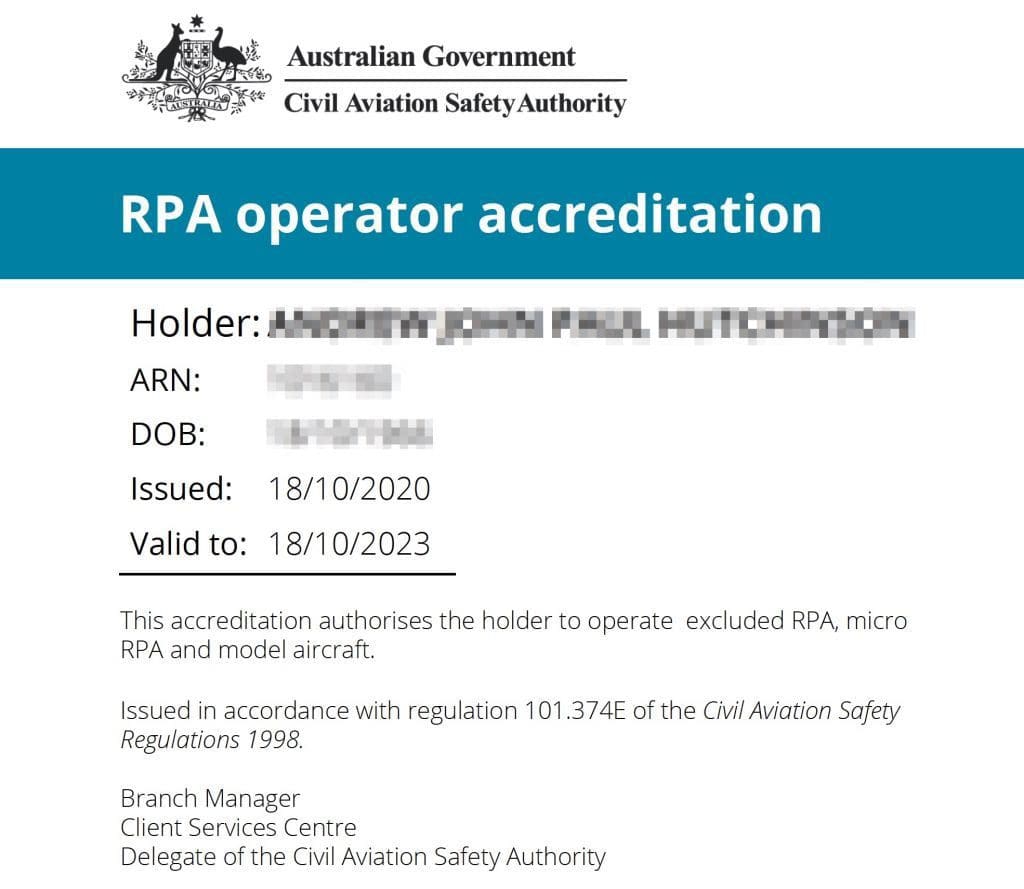
This is all, I'm sure you'll agree, something of a beat-up. Along with the new registration and accreditation schemes, new fines have been introduced. If you fly without the necessary paperwork, and assuming you get caught doing so, they can fine you up to $11,000. Only the Australian Federal Police, State and Territory and authorised representatives of CASA can ask you to show your paperwork though, so if anyone else asks, tell 'em to get fucked.
Like the rules around flying drones near marine mammals, which were introduced despite the fact that there had never been a case of harm to said mammals by a drone, these new laws are being introduced despite there being only a handful of legitimate issues with illegal drone use. Most of the reports about drones in the media turn out to be a case of mistaken identity, such as pilots regularly misidentifying plastic bags as drones. Most of the local media stories centre around some paranoid Karen thinking the bloke shooting real estate photos two blocks over has a burning desire to photograph her saggy bum in a pair of yoga-pants, or some far-right gun-toting bogan worried they'll spot his backyard cannabis plantation.
So it's fair to say that the Wild West days of drone use - if there ever were any - are over. You can choose not to register your drone of course and choose not to get your online accreditation done and that is your prerogative. Unless you do something stupid like flying near a bushfire or across an active runway you're unlikely to get caught. However the day is coming where they'll register the drone to your name in the shop and it'll be locked until you prove you've done your accreditation, mark my words.
My 550D was awesome and I pushed the shutter-count to the limits, shooting morning and evening most days of the week. It took me five years to out-grow the 550D and in the end that upgrade was triggered almost entirely by my growing frustration with its poor low-light capabilities. When I realised I had to upgrade my camera I couldn't bear to let it go and so I still own it and use it regularly to shoot timelapses with.
And so, being a fan of the Canon brand, and a happy member of the Canon Collective, I bought myself a 7D Mark II. My 7D2 and I have been all over Australia and photographed many amazing scenes. I've found it to be a versatile and rugged camera that has never let me down and which has performed flawlessly over the last five years. I've got nothing but love for it. However over the years my requirements for a camera had, like many people's, evolved to include increasing use of video. I was due an upgrade, but Canon's reluctance to add decent video capabilities to most of its 'prosumer' cameras had me beginning my preliminary research into camera bodies from other manufacturers. Any photographer will tell you that 'switching codes' is no small undertaking, but I just didn't see a way forward for me with Canon cropped sensor cameras.
Now I don't want to bash the 7D2 as it was never hyped for its video capabilities. But all DSLRs can shoot video and the bottom line is that some do it better than others. Unfortunately the 7D2 had only the most basic video capabilities - a maximum of 50 frames-per-second in standard 1080p H.264 Intra-Frame. The footage was perfectly useable, but Sony and other manufacturers had been releasing 4K capable cameras since 2007. Everyone hung on for Canon to join the 4K club, but they moved so slowly and released new cameras with only the most modest updates. It was frustrating.
And so, five years on from my purchase of the 7D2, I found myself at the crossroads once again - ready to update my camera - and this time I was adamant that it had to be a proper hybrid with both 4K video and excellent stills photography capabilities. And as luck would have it, my five yearly upgrade cycle happened to coincide with the release of Canon's statement-of-intent cameras - the R5 and R6. I've always preferred crop-sensor cameras and so it was the R6 that caught my eye, rather than its full-framed big brother.
I read the press release, watched the promotional films, checked out videos from the usual YouTubers and began the process of deliberation that would eventually land me on my new camera. On paper the R6 looked like a decent bit of kit but, sweet jesus, what a price-tag! There was also talk of over-heating that concerned me, particularly since I live in Australia and it's known for getting a bit warm here.
After reading endlessly about cameras, both DSLR and mirrorless, and having watched countless videos from pundits small and large about the various advantages of different camera models I started focusing on Fujifilm. The people that used Fujifilm cameras spoke in glowing terms about how awesome they were in all regards. As I dug deeper it became apparent to me that either the X-T3 or the X-T4 would be a good fit for my photographic workflow and so I focused my research on them.
Then after months of procrastination and with a government Jobkeeper payment burning a hole in my wallet I placed my order for an X-T4 and three lenses. In the end the decision was actually pretty simple - everything I'd read about the X-T4 suggested it was the right camera for me, in terms of its functionality, construction and price. The body only purchase price of the R6 was a full $1450 more than an X-T4 and I found it hard to justify the extra money which could be spent much more usefully on new glass for my new camera. Along with the X-T4 camera body I purchased the 18-55mm kit lens, the 50-230mm zoom and the 10-24mm wide angle.
The X-T4 and my new lenses arrived a month ago and I have to say I'm thrilled with all of my new kit. There was a steep learning curve initially, getting to know the idiosyncrasies of Fujifilm cameras, such as the lens-mounted aperture dials, the menu system and the auto-focus mode buttons on the front of the camera. But after watching some helpful videos and spending some time actually taking photos with the camera, I started to get used to it. I plan on doing a full write-up on the X-T4, but here are some basic thoughts on the camera, one month in.
The first thing you notice about the X-T4 is its construction. This is a solid, beautifully put-together camera that makes my Canon DSLRs look and feel like Fisher Price toys. I know I said I loved my old 550D and 7D2 and I still do, but this Fujifilm camera is in a whole other league. It has heft to it, but it is not heavy. It has a beautifully refined layout, but it is not complicated. It looks like cameras used to look, but it is cutting edge technologically. I like just picking it up and holding it in my hand and when I do I feel a smile creep across my face.
The three lenses I have bought are all brilliant. The cheapest is the zoom, because I'm not much of a zoom lens user and I never spend big in this area. It's the 50-230mm f4.5-6.7 and it cost me $199! 199 Australian dollars! As Ken Rockwell said when he reviewed it, it has excellent optics as sharp as as any "pro" XF lens. For $199! Ken also said that it produced astoundingly sharp pictures at an ultra-low price. And he's absolutely right. It's a bit slow to focus and not great for very fast moving wildlife, but other than it's a cracking bit of kit. Did I mention it has OIS2 stabilisation built in too?
My next lens is the 18-55mm f2.8-4 kit lens. I bought his as my walk-about, vlog-friendly, lens-you-can-always-rely-on lens. Turning to Ken Rockwell once more, he said that the 18-55 was optically just about perfect, excelling at sharpness, falloff and distortion, as well as bokeh. Further more he added that it feels better then almost anything from Nikon or Canon, with its almost all-metal construction. And I have to say again I completely agree. This lens produces downright gorgeous images and the lens feels amazing to use - solid, refined and just brilliant in every regard.
My third lens was my most expensive purchase, but as with all things Fujifilm you get incredible bang-for-your-buck. The 10-24mm F4 is everything I ever wanted from a wide angle lens. On my Canon 7D2 the 10-22 hardly ever came off the camera and so the 10mm (15mm effective on the APS-C) is right in my wheelhouse. Like the 18-55 it's so beautifully engineered that it's a joy to use and the photos it produces are sharps as a tack from edge to edge. Ken said that it was the world's best APS-C ultrawide zoom. So there's that! I love the satisfying way all three lenses click solidly into place when you mount them on the camera.
The camera body is a delightfully refined bit of kit that has been designed by people who love photography and love taking photographs. I've been taking photographs for well over 40 years now and when I began, during the 1970s, I had film cameras. My X-T4 feels like a film camera and has many of the dials and switches I remember from those days and that makes me happy. I love the flip-out screen. I love the easily-accessible ISO, shutter and aperture dials. I love the clever EVF. In fact just about the only thing I don't love about it is that it does not have GPS. It seems like such a weird thing to leave out that it never even occurred to me to check if it had it when I was poring over its specifications pre-purchase. So I'm back to using GPS logging apps on my iPhone and sometimes I forget to start those and I have to manually add the GPS co-ordinates in Lightroom. But honestly, that's my only complaint.
I thought I might feel slightly sentimental leaving Canon or perhaps suffer from switchers-remorse, but honestly it's the smartest and best move I've made in my photography journey since I rediscovered the hobby back in the 1990s.
I strongly believe that my X-T4 and my lenses are superior to the R6 and its equivalent lenses. But even if we gave Canon the benefit of the doubt and said that the two systems and respective glass were largely equivalent, the price of the Canon gear is so high as to appear to be a piss-take. My X-T4 and all three lenses cost me a grand total $4636. The R6 and three (broadly) equivalent lenses would have cost me a gnat's chuff shy of $10,000. In what parallel dimension would anyone ever consider that a good deal? Well not me that's for sure - I just thought that Canon were taking the piss.
So I'm sorry Canon, but it's over. We've had some good times over the years, shared some great adventures and enjoyed exploring the world through a lens and a viewfinder, but we've come to the end of the road. Oh and Canon, it's not me, it's you.
I've taken my stuff and I'll post the key through the letterbox.
I'm a pretty serious photographer. Commercially it's a side-hustle for me, but it's definitely my number one hobby by a long way. I spend more time than I care to mention out and about taking landscape photographs and it has been that way most of my adult life. But as much as I love taking photographs and processing them and sharing them I often go through phases where I lose interest in landscape photography, when I sleep through the alarm rather than getting up for sunrise, when I stay home and watch Bosch with the missus rather than photograph a sunset. During these periods my photographic productivity nosedives, my social media sharing dries up and my camera sits idle. And you know what - that is absolutely fine.
All the things we do in our spare time are driven by a simple love of that past-time, hobby or pursuit. Those precious hours when we are not working should be filled with things we love and that we want to do. The moment that a past-time, hobby or pursuit starts to feel forced or work-like or that you're just going through the motions, you probably ought to take a break from it. It's absolutely fine to leave your camera on the shelf. Our interests rise and fall like all the natural cadences of our lives and if you force yourself to carry on you'll probably end up making things worse in the long run. If your photographer friends are out there taking cool shots and filling their social media feeds with great imagery - so what? They're on the upswing of their interest in their hobby and you're on the downswing. Sometimes that downswing lasts much longer than the upswing, but I can guarantee you that one day in the not-so-distant future, your friends will be in the same position as you.
Some photographers try and compensate for their lack of interest by investing in new equipment - a new camera, a new lens, some filters - this doesn't seem to help much. Sometimes photographers put down their cameras and they never pick them up again. And that's perfectly cool too. I know a local photographer who was so successful that he had begun transitioning to full-time professional. He was producing great images, killing it on social media and seemingly on a rocket-ride into the upper echelons of the photographic community. But one day he just quit. He had a few tepid comebacks where he'd post on his Facebook page and say things like, "Sorry I've been so quiet here guys, here's an image I took," or "Having a break from photography but hope to be back at it soon." Next thing I knew he'd put all of his camera equipment up for sale and invested in fishing gear instead. He hasn't taken a hobby photograph since, though he does post images of himself and his family enjoying themselves. And I say good for him. He recognised that photography was no longer for him and rather than forcing himself or bemoaning the cost of all the kit he'd purchased over the years, he pulled the pin. Maybe he'll return to photography later on in life, maybe he won't, but the bottom line is that he's never been happier.
Our lives are cyclical. Daylight has physiological effects on our bodies. The changing seasons alter us mentally and physically. As we age, our bodies change over time and our brain chemistry with it. The problem is that we have stopped recognising this. Often we validate our photography through the lens of social media and begin to treat it like a job. We ignore those natural periods in our lives when things naturally enter a lull. But we dare not give the photography a rest for a while in case (the horror!) we lose followers. The end result is usually something we're not very proud of and that, my friends, is the exact opposite of what a hobby, that we choose to pursue in our precious free time, should be. If you genuinely love doing something then the outcome is utterly irrelevant, but it should feel like something you are proud of however objectively good or bad it is. And if you're ignoring the natural cyclical nature of your interest in photography you're probably making matters worse. Learn to accept that passions come and go, give your interest in photography some breathing space, and you might well find that you come back to it, reinvigorated and instilled once more with a sense of fascination, adventure and joy. As the song goes, "Let it go …"
Such is the modern obsession with ratings that it impacts our experience of a thing or a place, either because we are influenced by others views or because we're so keen to share our own (obviously crucial) opinion that we totally fail to actually live it. And (Mea Culpa) I'm as guilty as the next person - worse - I'm a Google Local Reviewer! Level 5! Anyway, all of this was clearly at the forefront of the minds of the Vienna Tourist Board who commissioned Wien Nord Werbeagentur agency to create an advertising campaign that highlighted firstly, just how plain silly many of these reviews are and secondly why you should probably try and, you know, live in the moment, rather than stressing about the wording of your Trip Advisor review.
You can see Vienna's campaign here - it made me laugh and inspired me to create my own.
I trawled the web for some of the best known places here in South Coast NSW and collated a list of the silliest online reviews. These are all completely legitimate - you can check them out yourself if you're so inclined. So without further adieu, here is South Coast NSW - unrated. Who decides what you like?

Admittedly there are a few houses on the hill leading down towards
Seven Mile Beach in Gerroa, but "one of the worst views"???

Clearly this reviewer had never been to Paddy's Markets in Sydney.

He's never visited when there's a swell running - it's a lot underwater then!
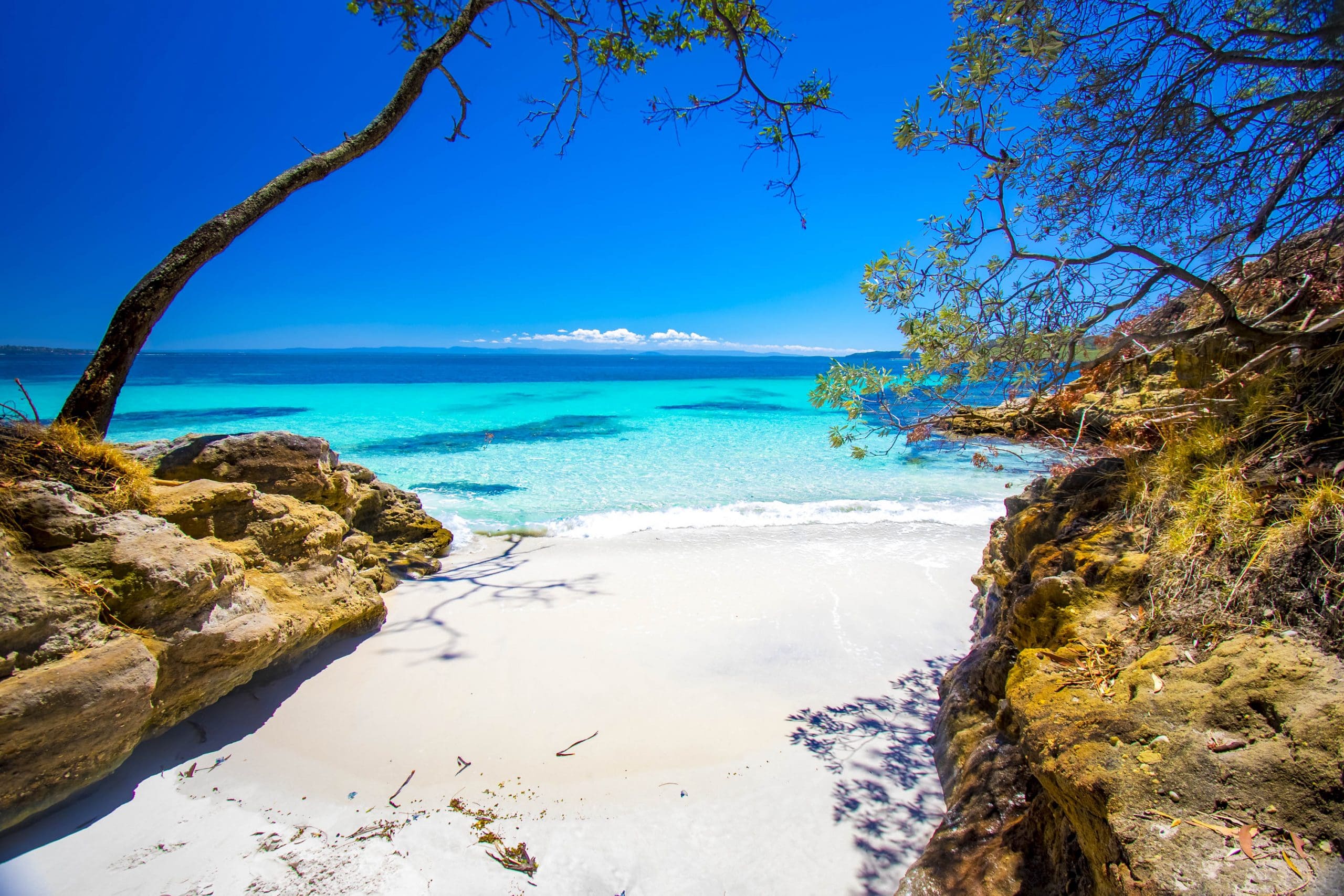
I think you're missing the point of beaches, mate.
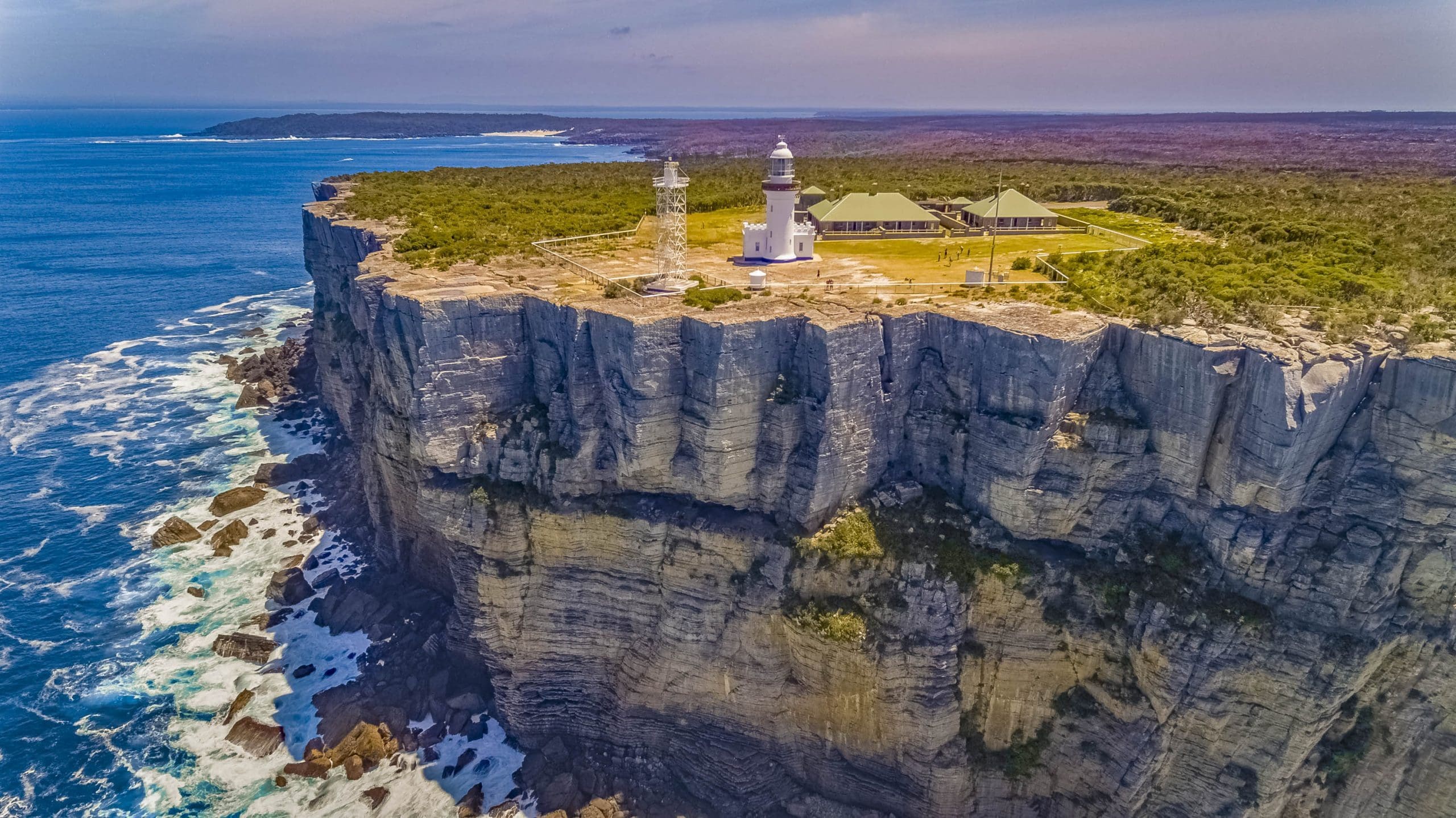
I can only assume that this guy only made it as far as the security gate on the way in. I had trouble choosing between that review and this one, "The worst place you'll ever want to visit after a 6km roadbase patch. Its just a simple light house bounded by fences. Thats it. Nothing more to see. Wasted my 3 hours."
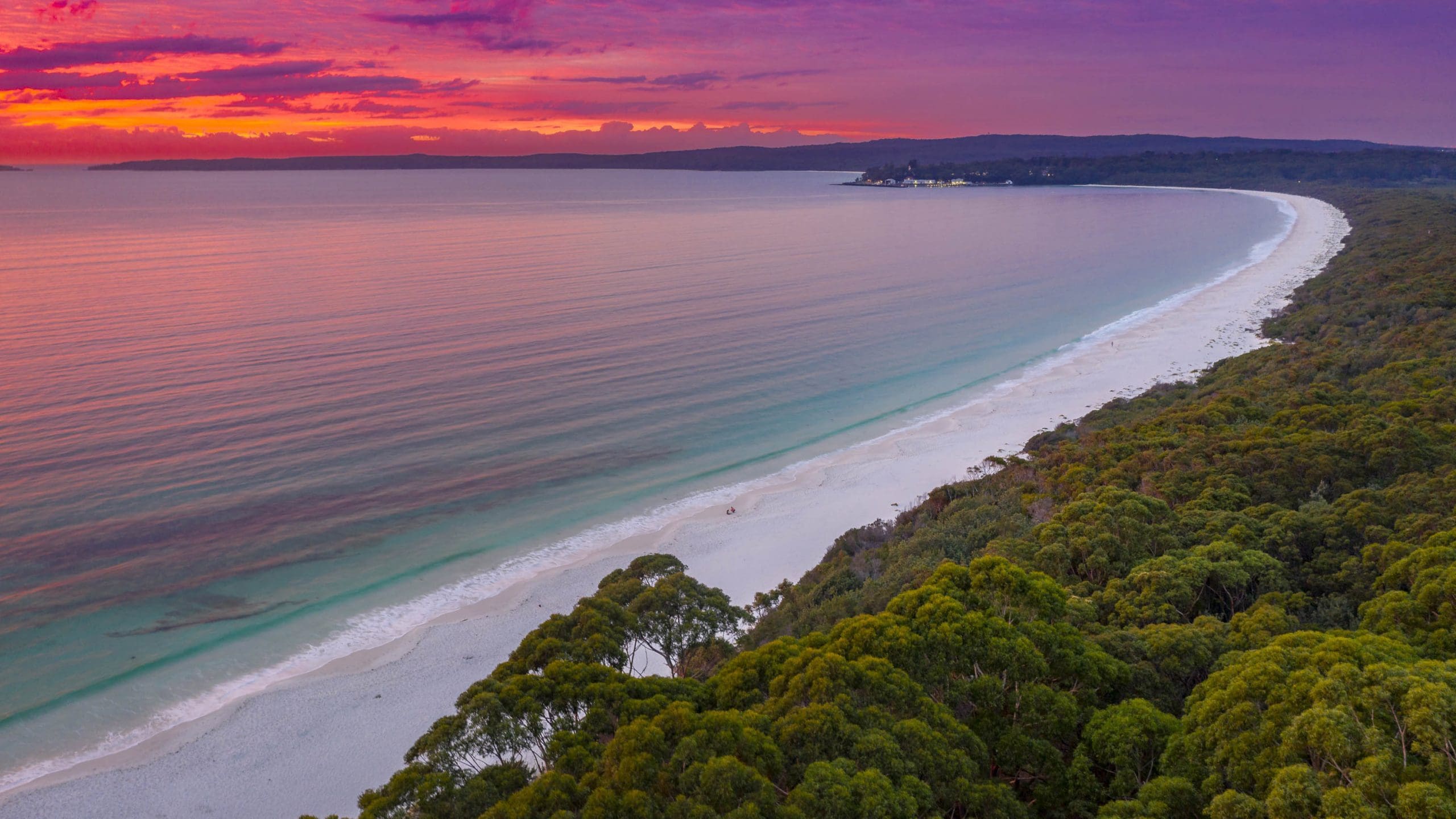
I got nothing.
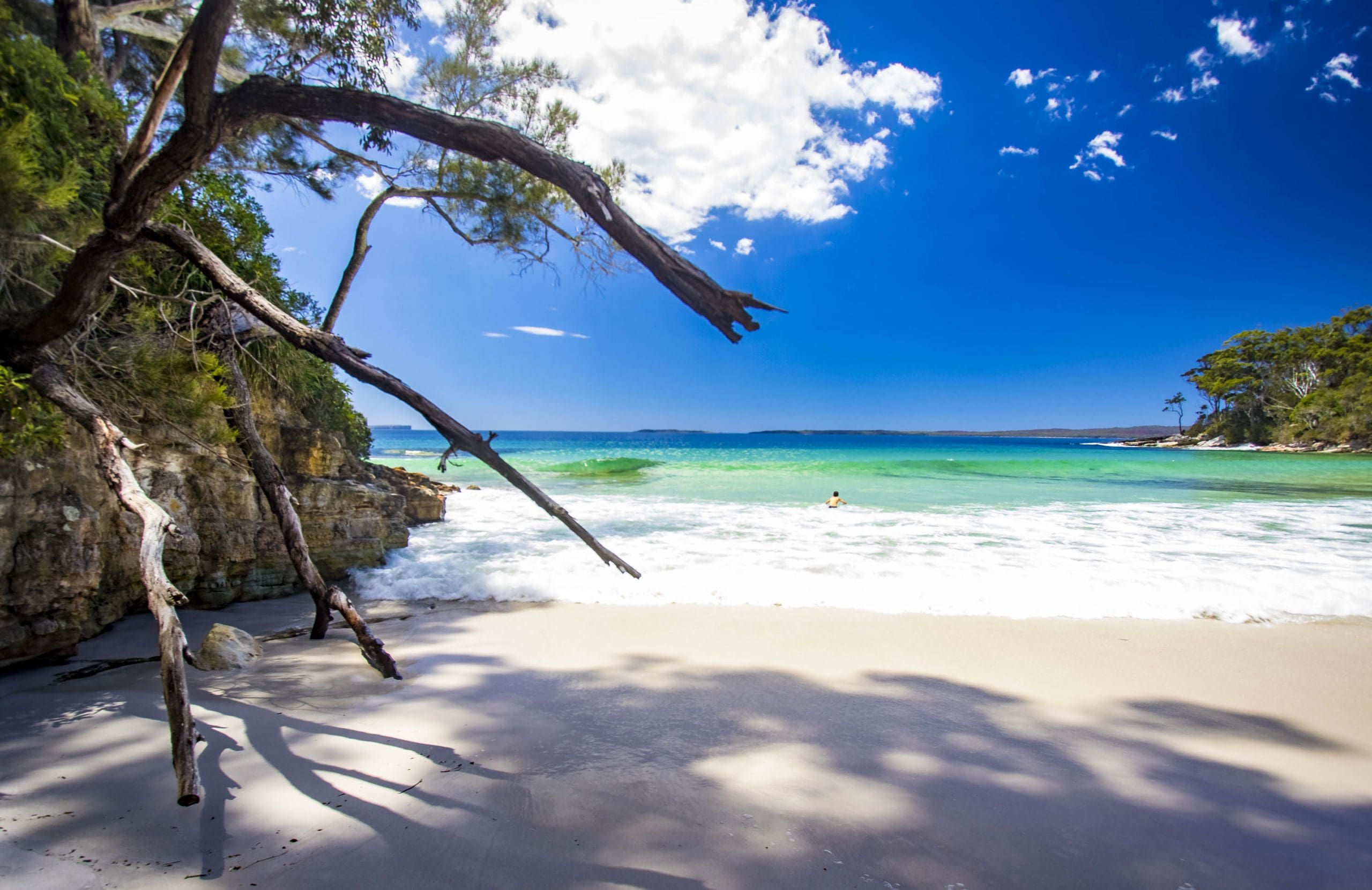
Damned with faint praise

It's so busy in the summer that the guards at the entrance gate would probably side with you on this one.
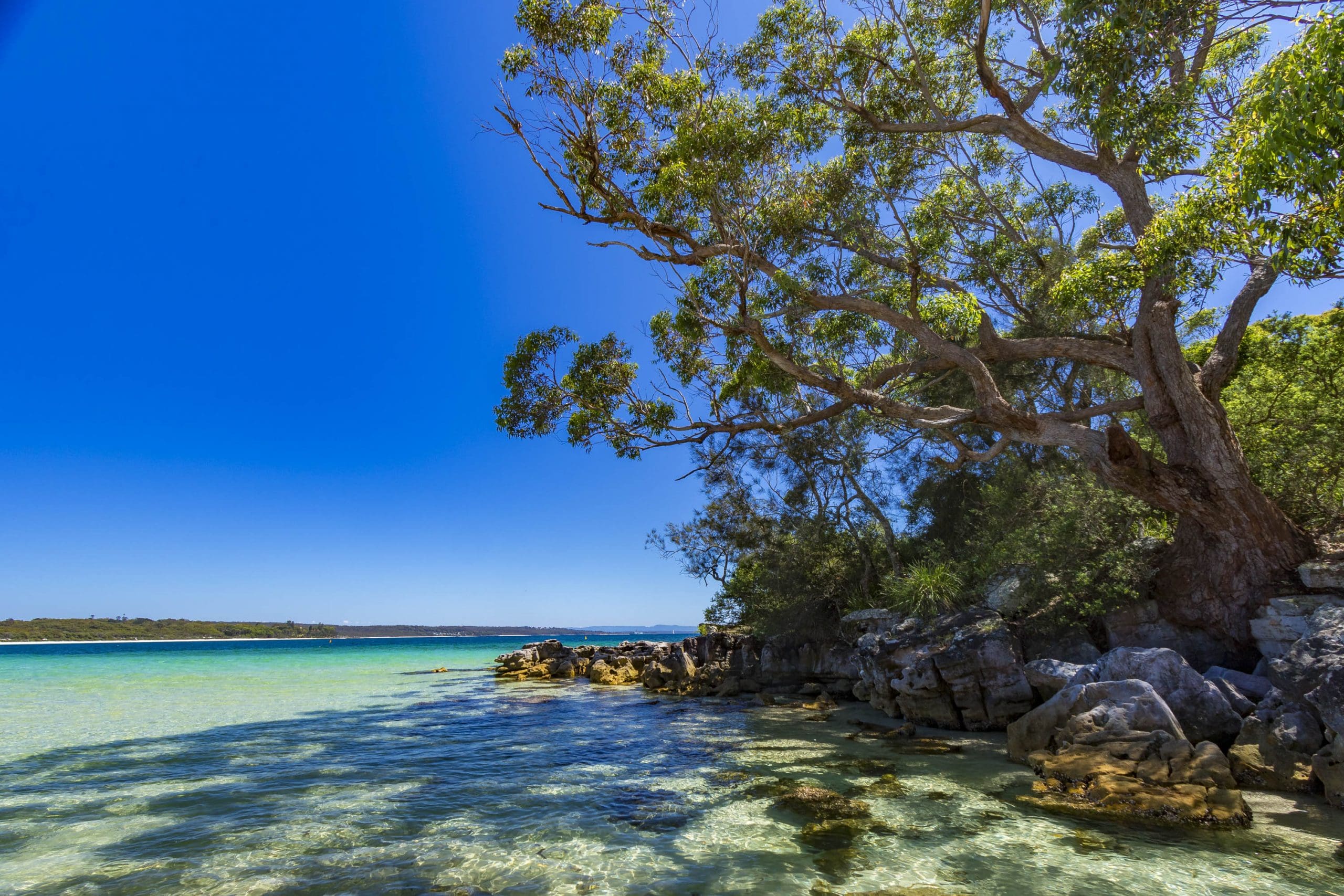
Well, she's not wrong.

First person ever to be disappointed that a beach is sandy, not rocky. Also, how ignorant of the kangaroos to be no-shows!

Some backyard!

Lost. One soul. If found, please return to this reviewer.

I haven't got the faintest idea.
It has to be said, tripping through all the various reviews of locations here in the south coast was an amusing experience. It underlined for me, just how negative we all seem to have got. When visiting one of the nicest beaches within one of the nicest national parks in Australia, someone's first thought was that there aren't enough shops? Seriously? In amongst all of the reviews I worked my way through to compile this article, I did find some sources of optimism. My favourite of which was the person who managed to put a bad experience behind them. When visiting the stunning Narrawallee Inlet, this reviewer awarded the location four stars out of five and said, "Beautiful place. Parking during peak is difficult. Would give 5 stars but someone stole my canoe's wheels."
Most people like showing off their hard work. We are encouraged to do so from an early age. From kindergarten when our paintings get hung on the wall and admired at end-of-term parent/teacher meetings through to senior school, where we get assessed on our artistic abilities by examiners; it's a climate of produce-and-be-praised. So while (good thing) we are taught from an early age to create art, it gets tied up (bad thing) with the need for praise and adulation.
So of course it was only natural that a system based entirely around manufactured popularity was going to fit right into our craven need to be praised for our artistic endeavours. From the very get-go it was obvious that social media was distorting what it meant to create. From the early days of MySpace, through the seismic disruption that was Facebook, to the juddering behemoth that is Instagram - photography changed from a hobby pursued by mild-mannered geeks with bag and tripod fetishes, into a global competition for virtual affection with no end date.
Where once we might have given ourselves a pat on the back for taking a particularly nice photograph and perhaps got a print made for the living room wall, we now find ourselves in the thrall of a worldwide audience of content-devouring critics. Even the most hard-nosed inward-looking photographer would be a bare-faced liar if they told you that they didn't get a kick out of random citizens of the Internet lavishing praise on their photographs. Enjoying praise for our photographic efforts is akin to pissing in the shower - there are those who admit to it and there are liars. We might kid ourselves that we upload to social media purely to publicise our work and to perhaps earn a few dollars from our images, but truthfully for all but the one percent, it's about that dopamine hit of a 'like'. Everyone wants to be liked.
I'm a landscape photographer. I've dabbled in other areas, such as wildlife photography and street photography, but really for me it's about preserving split-seconds of awesomeness out in nature. Whether it's the way a golden sunrise lights up and changes the vista, or the rugged beauty of a plunging waterfall or, yes, a cliched lone tree on a cliched hillside - for me it's about seeing and capturing and preserving that moment.
What I have noticed however, is that while I still like capturing said moments of awesomeness, the subjects that I photograph have been subtly changed over time by the reactions I get to those photographs online. If I take a photograph of a particular scene and it garners a decent number of likes and shares and comments - then of course I'm going to be more inclined (even if it's subconscious) to take similar photographs. Everyone wants to be liked and everyone wants their art to be liked and so when you hit on a winning formula, you fucking well stick to it. Woe betide you if one of your photographs goes viral, because you'll be chasing that dope-like blast of social karma for years. Take a look at the feeds of successful Instagram-photographers and you'll notice that their photographs all have a very recognisable style, such as high-key or pastel tones. The question you need to ask yourself is, whether they persist with that style because they like it or because it gets them likes - one outcome is truthful and has value and the other is sad.
Whether we are aware of it or not, the moment we start uploading our photography and sharing it publicly, we are abandoning the pure pursuit of a hobby or craft and entering a global competition for Internet love and (largely meaningless) internet points. The question is, do we suck it up, upload our imagery and revel in the dirty rotten nature of it all, or do we, like some millennial Vivian Maiers, just produce a large amount of work to be ether forgotten forever or discovered and celebrated when we're dead and buried?
There are echoes of the globalisation of commerce in all of modern photography. Just as the Main Street in every town features the same globally recognisable names, so a creeping homogeneity has taken over the images we are all producing. At its most obvious level this is evidenced by the Instafamous locations that pop up again and again in our social media timelines. You might never have been to Horseshoe Bend, Torres Del Paine, Trolltunga, Machu Picchu or Gullfoss - but I bet you know the names and I also bet that all five of these locations have popped up in your Instagram feed several times this week. These places score well in Instagram's and Facebook's algorithms and photos of them bubble up to the top more often than photographs of less obvious places. And because we all know that these Instafamous locations look stunning and because they have well and truly been 'discovered' - we can just visit them, along with all the other folks, and take our near-identical images.
It's not just the locations depicted by the photographers sharing their images on social media, it's the style, the composition, the framing, the colour palette and the post-processing. The ubiquitous orange-and-teal look is used by many photographers for their social media posts. It began life in the film industry over a decade ago but was picked up by photographers and applied to both still and travel films. These days it's absolutely everywhere and I have grown to dislike it - particularly when it is used to create an image so over-filtered that it looks like a print on the wall of an irradiated building in Chernobyl. But these images do well and collect lots of praise from commenters and, of course, accrue those all-important likes, loves and upvotes, so maybe it's just me.
Muddying the waters of the global photographic community are the millions of businesses looking to make coin out of it. Whether they're promoting guest accommodation and trying to attract visitors to stay with them, or tripod companies pitching their wares to gear-obsessed photographers, businesses have been targeting photographers for years now.
By now you've probably seen the official designations in photographers Instagram bios. 'Canon Master', 'Team PolarPro', 'Team GoPro' all designate that the photographer in question has been given the seal of approval by a company and gets the free swag. Who doesn't want free swag? Everyone wants free swag. So the competition is on amongst the influencers and the travelstokers and the army of wannabes who'd love a free lens filter pack and will quite happily make their photos look like some orange and teal soup if that's what it takes to attain some form of corporate sponsorship deal.
And then there are straight paying jobs. Wield enough legitimate clout on the socials and companies will pay you actual money to go somewhere and photograph something.
Do good photographs come out of official sponsorship deals and straight paying gigs? Sure - but those photographs would never have happened if someone hadn't been paid to produce them and, if they were produced by someone who wasn't being paid to make them, maybe they'd have been better. What I do know is that nothing is going to turn a hobby into a competition faster than the promise of dollar bills. Y'all.
Ultimately the big question we photographers need to ask ourselves is this - what is the point of it all?
What outcome do we see, far off in the distance, when we hang up our cameras for the last time? What goal are we chasing? Is there actually any real reason that we take photographs beyond the transient virtual hug of an Internet upvote? If we stopped throwing our photographs out into the sucking vacuum of the Internet would anyone either notice or care? Would you carry on taking photographs if there were no Internet points available? What, my friends, is the pay-off?
And beyond those questions - would our work be improved by opting out of this maddening global competition? Could we, in this modern era of over-sharing, cope with the knowledge that the only person who would ever see a particular photograph is the person that took it and possibly their cat? If the only outlet for your photographic passion was a ten buck frame from the office supplies shop and pride of place in your back bedroom - would you still take photographs? Hmmmm?
Almost inevitably, however, two things happened. Once these websites and the ones that followed them (500px, YouPic, SmugMug, Viewbug, Pixoto, 1x etc) had their users comfortable, they commoditised them. These sites either sell the data they accrue to third party marketing companies or they lure you in with some 'free' space and then work to transition you to a paid subscription service. Doesn't matter which site we're talking about - every single one of them is treating photographers as a commodity. Many photographers consider the down-sides to be a price worth paying, but that's usually because sticking your photos on a Facebook page is simply the path of least resistance, not because it's necessarily the best solution.
Before we dive into some of the nuts and bolts - a quick word about domain names. It used to be the case that you had to use a country-specific domain such as .com, .co.uk, .fr or .com.au. However there is considerably more freedom these days and you can use far more relevant domains such as .photography, .photo, .pics, .pictures, .productions, .studio, .me, .info, .services, .blog, or .gallery.
Picking a good domain name is important as it will be one of the cornerstones of your brand. You will be able to use it to receive email (far better than having a Gmail account) and you can even create add-on domains, such as shop.andyhutchinson.com.au. Don't stress too much about getting all the different permutations of your name - just pick one good combination and stick with it.
If you do not already own your own domain name then I strongly suggest you register it through whichever company you choose to host your site, because then you do not have to worry about transferring the domain or pointing the domain at your host's nameservers.
Building your own website gives you full and complete control over pretty much every aspect of your portfolio. Using one of popular (free) content management systems (CMSs) and a page builder, you can create a bespoke website that operates precisely the way you want. And while there are many free CMSs knocking about, the one I strongly recommend you use should use is WordPress.
Over the years WordPress has evolved from a very simple blogging platform (released in 2003!) into a custom web engine upon which you can build any design and lock in any functionality that you desire. From simple one page 'business card' sites to full-blown ecommerce setups, WordPress can do it all and it is the most popular CMS (by some margin) for good reason. Please be aware however that I am talking here about self-hosted WordPress sites and not wordpress.com blogs as they have many of the same flaws as Squarespace et al.
Pretty much all reputable hosting companies offer 'starter' packages. If you are unsure about how much space and bandwidth you'll need then you should always begin with the starter package because you can easily and simply upgrade down the line if required. Research decent web hosts in your country and make sure any package includes cPanel access because gives you full control over things like email and FTP accounts, database management, domain management and security. With a Cpanel account you can often do a one-click install of WordPress, however if you do not have this feature, a manual installation is incredibly easy these days. I recommend you follow along with this excellent guide which walks you through the entire process.
The look and feel of a WordPress website is governed by its theme - a combination of pages, stylesheets and code which determine how your site looks when viewed in a browser. The beauty of a CMS like WordPress is that you are not stuck with one theme - you can change it any time you want and, more importantly, you can customise your theme (within limits) to look the way you want.
However while there are thousands of themes designed with photographers in mind and any number of hugely popular generic themes such as Divi, Avada, X, Enfold and Uncode - you should ignore them all and build your own on a basic theme framework. If you opt to build on a theme such as Avada you are locking your site into a very specific workflow and a very obvious look. Moreover themes such as Avada are bulky sites and rarely do well in search engine rankings. Also - do you really want your portfolio - your front door on the web - the first impression many people will ever have of you - to look like 100,000 other websites? My strong suggestion is that you use a combination of a basic and highly customisable theme with a decent page builder plugin. In this way you can have complete control over your site and you do not have to know any code to build or maintain it.
Firstly, try and steer clear of the old school page builders such as WPBakery (AKA Visual Composer), Divi and SiteOrigin as these are clunky to use and are based on an out-dated shortcode framework. You could opt to use WordPress's own built-in 'block' based page builder known as Gutenberg but it is not (yet) as fully supported or flexible as other systems. There are several good free page builder plugins available, such as Beaver Builder and Brizy - but the most reliable, easiest to use and most flexible one is Elementor. Combine Elementor with a good free theme such as Layers, Customify, Astra, Hello or Ocean and you have everything you need to create your own bespoke design.
Before I redesigned this website I spent time thinking about precisely how I wanted it to work and what functionality I wanted to include in it. I did extensive research too and spent time checking out other photographers portfolio sites to see what did and didn't work - I used https://www.awwwards.com/websites/photography-sites/ as a starting point. I also thought about the commercial portfolio sites, such as 500px, and what influences (if any) I could draw from them.
I wanted a site that showcased my photographs the way I wanted but I also wanted to make it as easy to manage as possible. For this reason I made as much use of dynamic content as possible. For instance the sliders you can see on my site are set-and-forget - they are populated dynamically from my recent photoblog posts or my most recent articles or my most recent photographs. My website is a blog and a portfolio website so I needed a magazine style layout rather than a strict gallery based format.
So by the time I sat down and got to building my homepage I knew how I wanted it to look. The functionality of my website is built around several excellent plugins and I can heartily recommend them to any photographer building their own site. They are Smart Slider 3 (far and away the best slider plugin on WordPress), ESS Grid, Elementor Pro (I upgraded for access to features such as the Posts block, Embed Anywhere and the extra blocks and templates), FacetWP (used for the cool filter in my Photoblog archive) and WP Real Media Library (so I can store photos in folders and collections for easy management).
Another key reason for building your own website and managing it yourself is that you get full control over your SEO (Search Engine Optimisation) and your analytics. By utilising WordPress plugins such as Yoast or The SEO Framework you can fine-tune your site so that it indexes well in Google. Your search engine ranking is something you should consider from the outset and there is little doubt that you will do far better with your own site than you ever will using a hosted service such as SquareSpace or Wix.
Fine-tuning your website is an on-going job, but it is one that is considerably easier when you have full access to Google Analytics. This enables you to find out what people are viewing on your site, how they're finding you and what they're doing on the site when they get there. Ensure that you create an analytics account for your new site from the very beginning so that you can properly track how people use your site and how they find it in the first place.

Once you have built your site and populated it with your photographs and any other content that you'd like to share, you can begin using social media to build your brand, not Zuckerberg's. The key is to look on your website as the centre of the set-up, not some boring appendage that you begrudgingly maintain out of a sense of duty.
The website-as-focus policy means that all your content lives on your site - it begins life on your site, it is the source of truth for your brand and it is where you direct as much traffic as possible. So when you have added a new photograph to your portfolio, you go to your Facebook page and you link to the website page that image is on - the featured image in your post will serve as a preview to the Facebook post - do not upload a separate low resolution version as that is all people will see. If you have a good Instagram following then post a small version on your feed and include the link in the description - or big it up using your Instagram story feed. If you install the Jetpack plugin on your site, you can set it to automatically post to your various social media feeds any time you put a new post up meaning much less work on your part.
Make sure you include your website address in your email footer, in your Twitter feed profile and in the profile of every site you belong to, from 500px to DeviantArt. If you get featured by other Facebook pages, Instagrammers, YouTubers or websites, get them to link back to your website - not your social media accounts.


