
0
$0.00
0 items
Originally published on Substack.
Surprisingly there is zero mention of Firefly in the upscale dialog box, simply reference to Topaz Gigapixel listed as a ‘Partner model’. Like the same feature in Photoshop, you are unfortunately limited to either 2x or 4x upscale. And since this does appear to be a straight port from Photoshop I’m going to suggest that there will be a cap on image size too, so if you have an image that’s already moderately sized, the tool will refuse to upscale it.
Underneath the main option there’s a handy ‘Credit balance’ toggle where you can see how many credits you’ve got in the Bank of Adobe. If you’re on the Photography bundle you will eat through the measly amount of credits included in your subscription pretty quickly.
The upscale results from this tool aren’t terrible, but there are definitely better options out there, both in terms of quality and cost. I am grandfathered in on the old Topaz Gigapixel plan so get a fully featured upscale tool for far less than Adobe are charging, but more recently I’ve been using ETI Image Generator and the Crystal upscaler with credits at Replicate for far superior results.
You can see the new feature in action in Terry Lee White’s video starting at the 6:54 mark:
From privacy concerns and predatory subscription practices to security breaches and allegations of corruption, Adobe's track record has left much to be desired. As the company continues to dominate the market, the question remains: should we, as creative professionals, continue to support a company that seems to prioritize profits over the well-being of its customers?
Adobe's Chequered Past
Adobe's history is littered with a series of controversies and missteps that have eroded the trust of its user base. From the 2013 data breach that exposed 38 million credit card numbers to the 2019 incident where nearly 7.5 million Adobe Creative Cloud user records were left exposed, the company has struggled to maintain a reputation for security and transparency.
But the issues don't stop there. In 2022, the U.S. Department of Justice fined Adobe $3 million for paying kickbacks to government officials, further tarnishing the company's image. And just recently, the company's updated terms of service sparked outrage among creative professionals, who feared that Adobe was planning to use their content to train its Firefly AI models without their consent.
These scandals, coupled with Adobe's transition to a subscription-based model, have led to a rollercoaster ride for the company's stock price. While Wall Street may love the predictable revenue streams that subscriptions provide, many users have grown increasingly frustrated with the lack of control and the high cancellation fees associated with Adobe's offerings.
The Alternatives
As the discontent with Adobe continues to grow, many creatives are turning their attention to alternative software options. While no single solution may be able to replicate the full functionality of the Adobe Creative Cloud suite, there are several promising alternatives worth considering:
While these alternatives may not offer the same level of integration and seamless workflow as the Adobe Creative Cloud, they can provide a more affordable and, in some cases, more streamlined solution for those willing to adapt their creative process.
Maintaining the Monopoly
Despite the growing discontent and the emergence of viable alternatives, Adobe has managed to maintain its stranglehold on the creative software market. This is largely due to the company's strategic acquisitions, its industry-standard status, and the lack of a truly cohesive alternative to the Creative Cloud suite.
Over the years, Adobe has acquired numerous companies, including Macromedia (the makers of Dreamweaver and Flash) and Figma, in an effort to consolidate its position and eliminate potential competitors. This strategy, combined with the ubiquity of Adobe products in the workplace and educational institutions, has made it challenging for users to break free from the Adobe ecosystem.
Furthermore, the Creative Cloud suite's interconnectivity and the industry's reliance on Adobe's tools have created a powerful cyclical monopoly. Employers expect their employees to be proficient in Adobe software, leading educational institutions to train students on these tools. This, in turn, reinforces Adobe's dominance and makes it even harder for users to consider alternatives.
Is Adobe Evil?
The question of whether Adobe should be considered an "evil" company is a complex one. On the one hand, the company's predatory business practices, security breaches, and disregard for customer privacy and satisfaction are certainly cause for concern. The FTC's investigation into Adobe's subscription cancellation policies and exorbitant fees is a clear indication that the company's actions have crossed ethical boundaries.
However, it's important to acknowledge that the vast majority of businesses, especially those operating in a capitalist system, are primarily driven by the pursuit of profits. Adobe is no exception, and its actions, while questionable, are not necessarily unique in the corporate world. The company's focus on shareholder returns and market dominance is a common trait among large, publicly-traded companies.
Ultimately, the decision to continue using Adobe's products or to seek alternatives comes down to personal preference and individual circumstances. For some, the convenience and familiarity of the Adobe Creative Cloud suite may outweigh the ethical concerns. For others, the desire to support a more ethical and transparent company may be the driving factor.
Adapting to the Changing Landscape of Creative Tools
As the creative software landscape continues to evolve, Adobe faces a critical juncture. The rise of powerful AI-driven tools, such as Midjourney and Stable Diffusion, pose a significant threat to the company's core business model. These generative AI systems can perform tasks that were once the domain of Adobe's flagship products, like Photoshop and Illustrator, without the need for extensive training or technical expertise.
Adobe's response to this challenge has been the development of its own AI-powered tool, Firefly. However, the company's handling of the Firefly rollout, including the controversial terms of service update, has only further eroded the trust of its user base. If Adobe fails to adapt and innovate in a way that truly benefits its customers, it may find itself facing an existential crisis as the creative industry embraces more accessible and user-friendly alternatives.
Voting with Your Dollars and Considering Your Options
As creative professionals, we have a choice to make. Do we continue to support a company that has repeatedly demonstrated a disregard for its customers' well-being, or do we seek out alternatives that align more closely with our values and needs?
The decision is not an easy one, as Adobe's dominance in the industry and the lack of a truly cohesive alternative make it challenging to break free from the Adobe ecosystem. However, by voting with our dollars and supporting companies that prioritize transparency, security, and ethical business practices, we can send a clear message to Adobe and encourage positive change within the industry.
Ultimately, the choice is ours to make. Whether we decide to stick with Adobe or explore new creative software options, it's important to stay informed, weigh the pros and cons, and make a decision that aligns with our personal and professional values. The future of the creative software landscape may very well depend on the collective choices of those who rely on these tools to bring their visions to life.
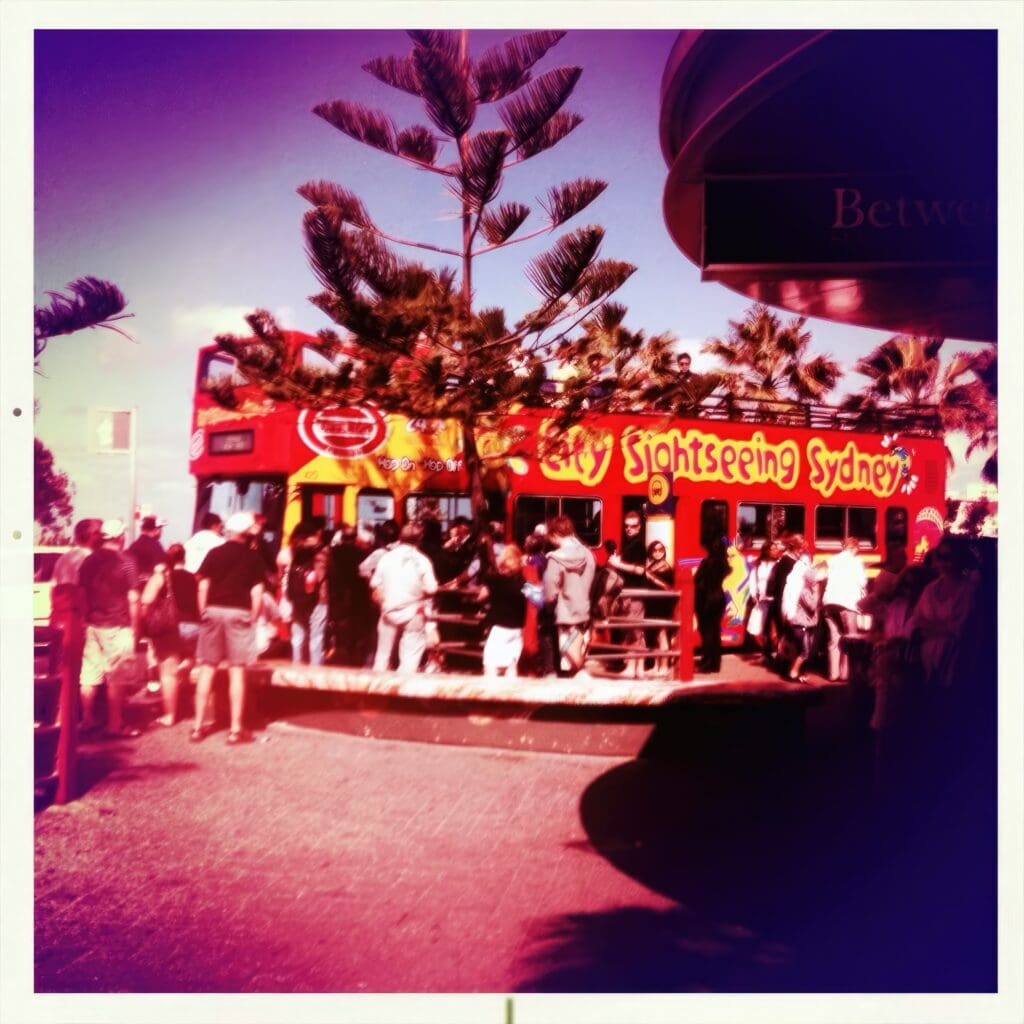
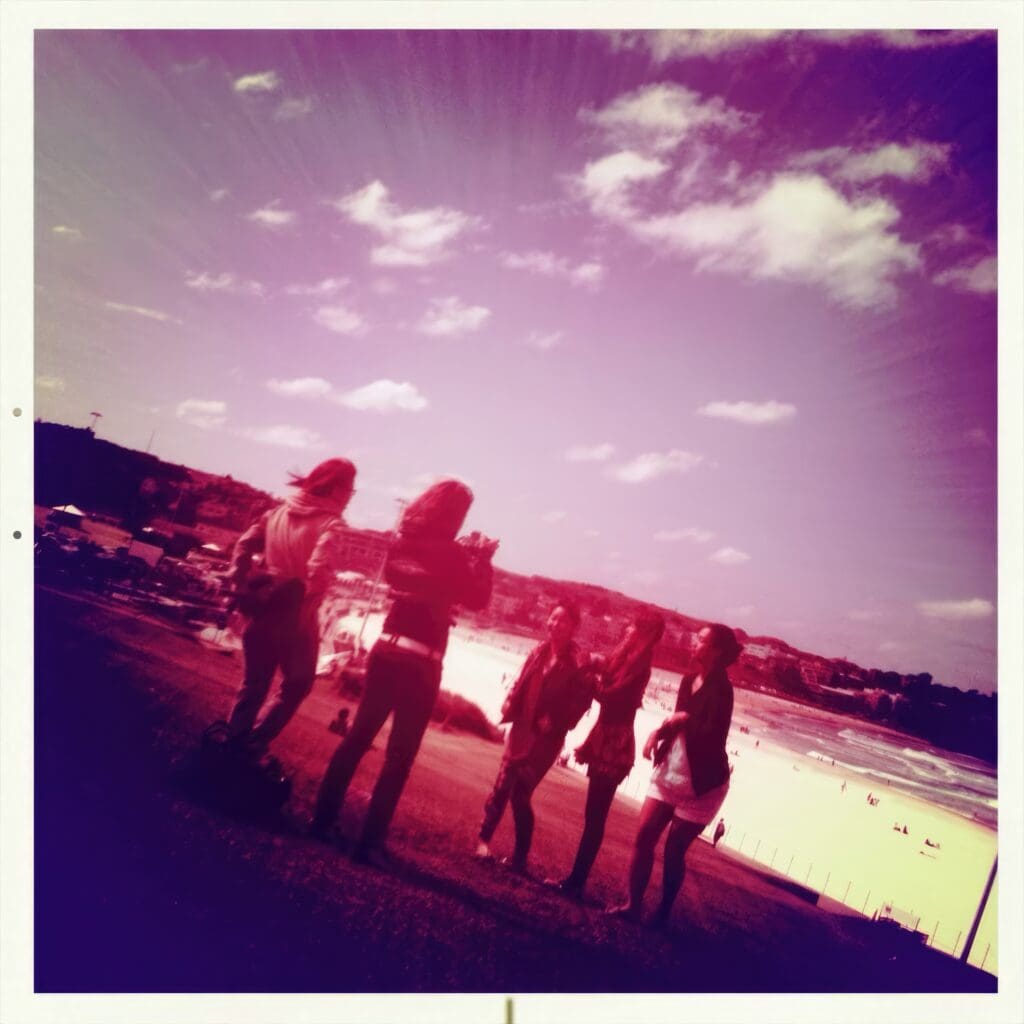
The worst mental health crisis of my life, in case you were wondering, occurred about 25 years ago. I descended into a bottomless black hole of depression and basically didn’t leave my room for five years.
At that time I was diagnosed with depression and prescribed antidepressants. Unfortunately the pills made things worse, turning me into an emotionless zombie and after about 18 months I flushed ‘em down the bog. Yes, even suffering from crippling depression is better than feeling like the walking dead.
The reason those pills failed to stop the black dog from nipping at my heels was because the depression was actually a side effect of an underlying ailment, not the real problem. It was like being treated for a stubbed toe when the real issue was a shattered knee.
Like the generations before us, Generation X didn’t get much of a look-in when it comes to mental health. It wasn’t that it was ignored, it was simply that (at least in the UK where I was born and raised) we were unprepared for the forthcoming revolution in cognitive healthcare.
We’d only just got microwaves and digital watches for fuck’s sake - we weren’t ready for Rainman and fidget spinners! Nobody suggested autism or ADHD might be at the heart of my struggles in life because nobody had heard of them. It’s unfortunate, but true.
I escaped my pit of despair incidentally, by emigrating to Australia. This, I admit, is a kind of extreme solution, but in our defence it was an entirely accidental fix.
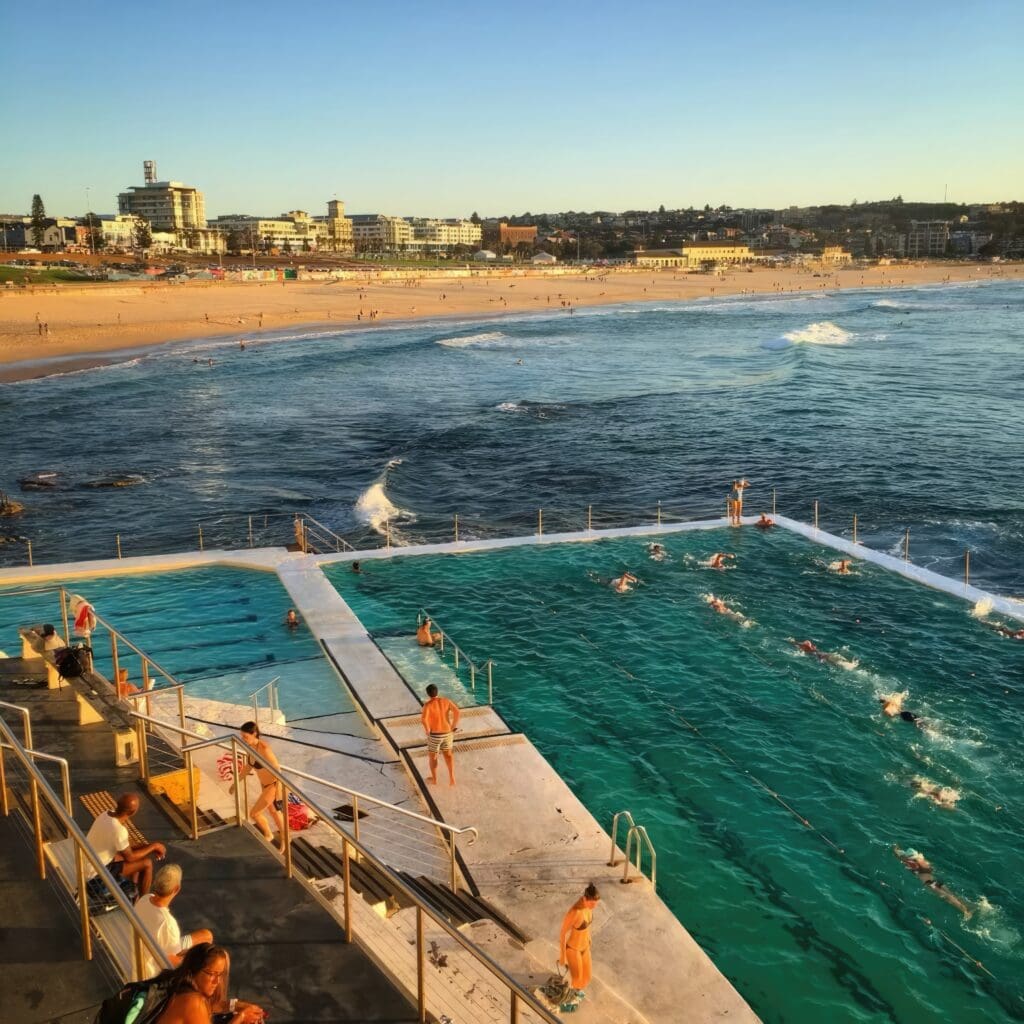
The second-worst mental health crisis of my life began in 2013, four years before my diagnosis, when I landed a job with the largest non-profit in this country. The offices were in the famous Icebergs building at the southern end of Bondi Beach and so I’m sure you can work out which non-profit I’m talking about. And no, I didn’t have to wear a bright red and yellow shirt to work.
Before I get into the nitty gritty of this story I would just like to point out that often you only recognise the severity of a problem once you’ve come out the other side. Being inside the eye of a hurricane seems serene and normal until the back edge catches up with you, Dorothy. That was certainly the case with me.
I loved my job. It was varied and demanding and, as cheesy as it sounds, I felt like the stuff we were doing was helping to save lives. What I didn’t like was my boss, because he was a cunt.
My boss was a classic work-place bully. Someone who enjoyed heaping misery on those around him by being an angry, perpetually unsatisfied, belligerent, feckless arsehole. He would lose his temper if there were issues of any kind and everyone around him continually walked around on egg-shells lest he blew his lid.
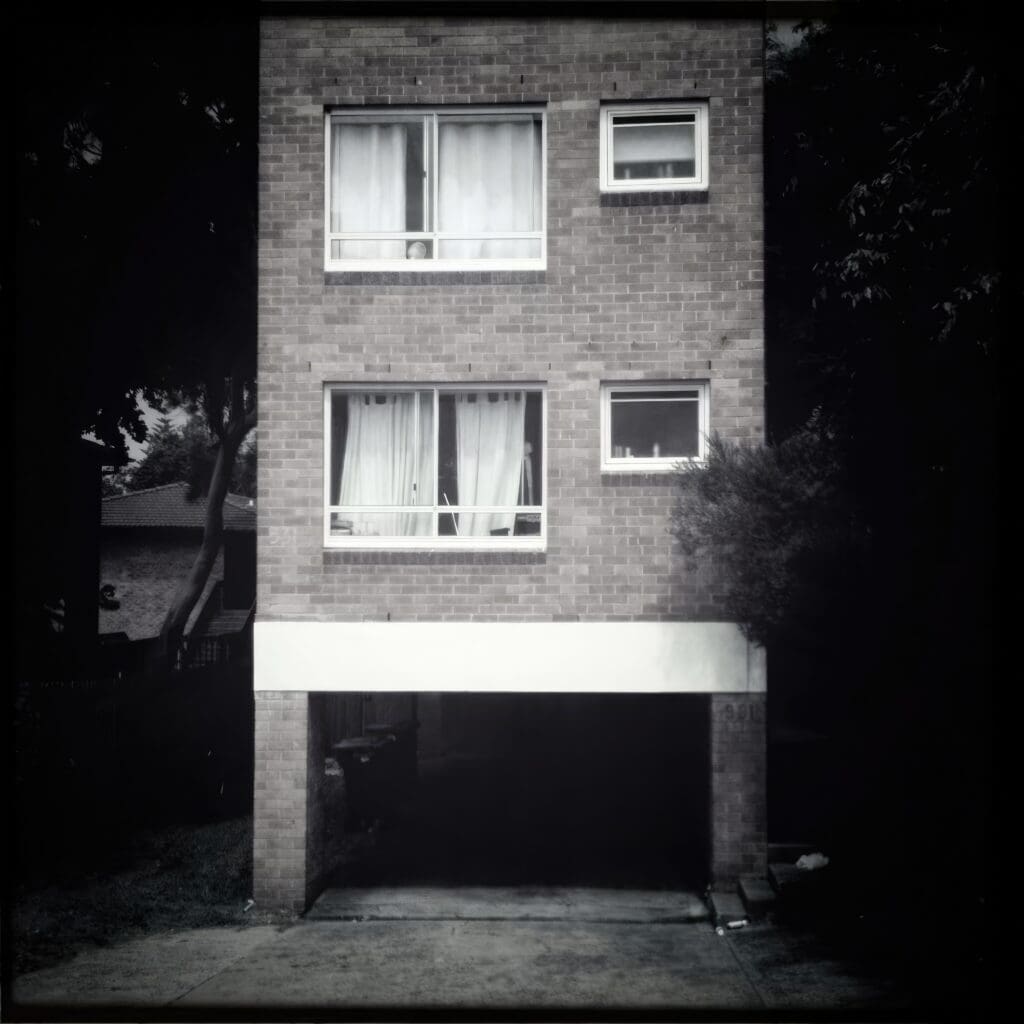
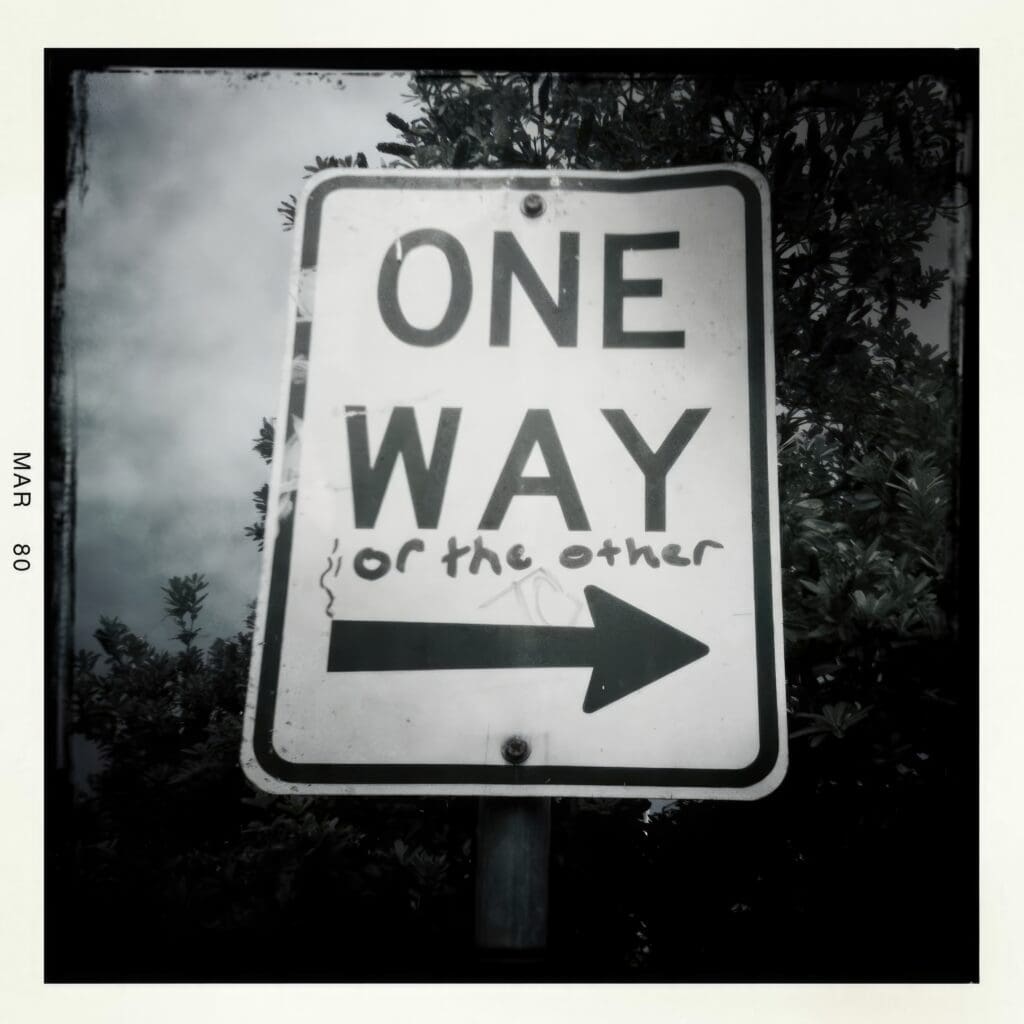
Now you’re probably wondering why I didn’t just quit. Remember when I said you don’t recognise the problem until you’re out the other side? It was partially that - but mainly it was because it was my first salaried job in well over a decade and, money being very tight, I thought we’d lose our house if I didn’t stick with it. I was deeply unhappy. I wasn’t to realise how unhappy I was until I had a full-blown brain-snap freak-out breakdown at my desk one afternoon … and never worked a day in that office again.
But in between starting that job and my glorious mid-afternoon meltdown, I used photography as a way of temporarily escaping into an alternative world - a quite literal happy place. There you go - here comes the photography bit.
Around that time, interest in smartphone photography was exploding. Instagram was taking the world by storm and the cameras on smartphones were getting better and better.
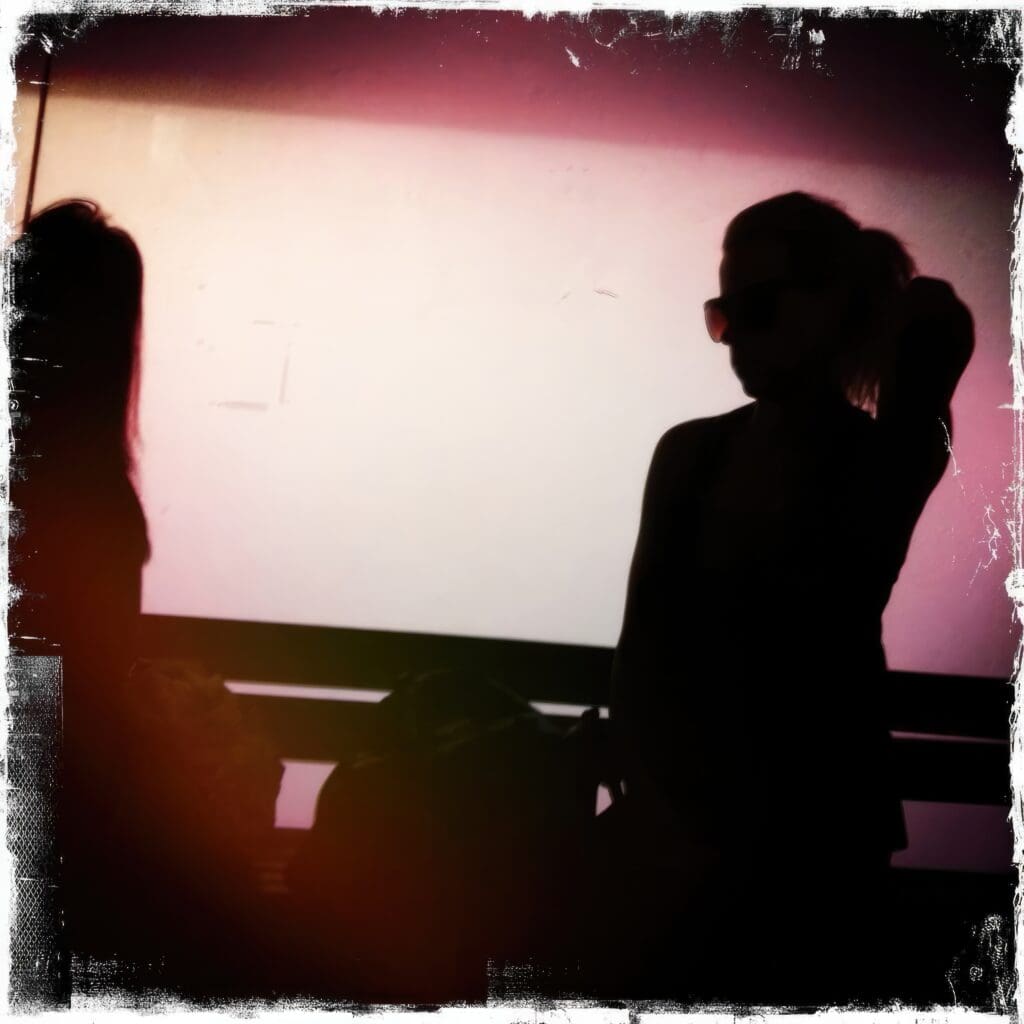
I loved taking photos with my iPhone 5 and I obsessively collected all the cool niche little photography apps that came out at that time.
LittleSnapper, CameraPlus, Lo-Mob, ClassicSAMP, Morello, CAMERAtan, Filterstorm, SwankoLab, PicTone, ClassicInsta, Pano, Pudding Camera, DipTic, True HDR, PixelCam, Halftone, Luminance, SloPro, Average Camera, Golden Light, Slow Shutter, Cycloramic and yes, the big daddy of them all - Hipstamatic.
I was immediately smitten by Hipstamatic because the amazing filter combinations combined with the low resolution of iPhone photos at that time took me back to my earliest experiences in photography - shooting with a black and white Kodak Instamatic camera. It’s fair to say that I became obsessed with Hipstamatic and it became part of a daily routine that kept me sane for longer than expected.
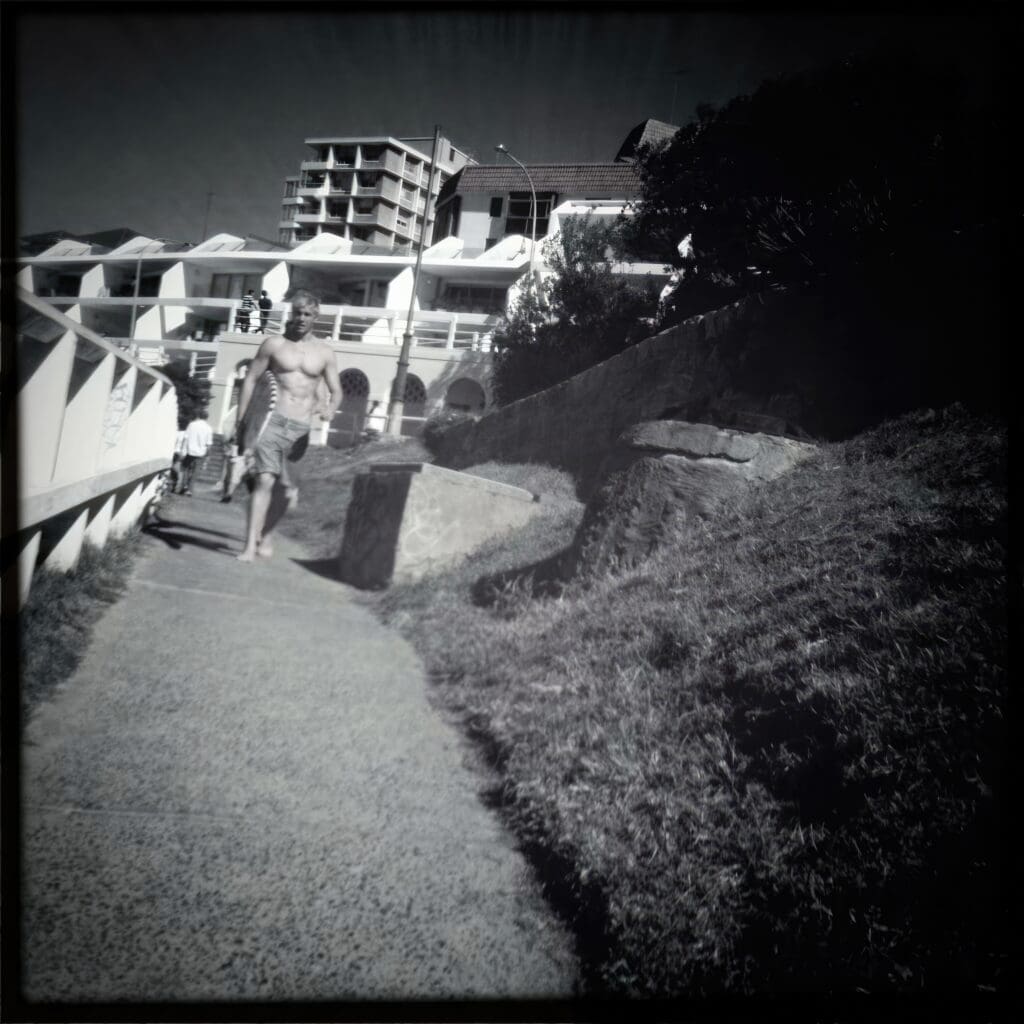
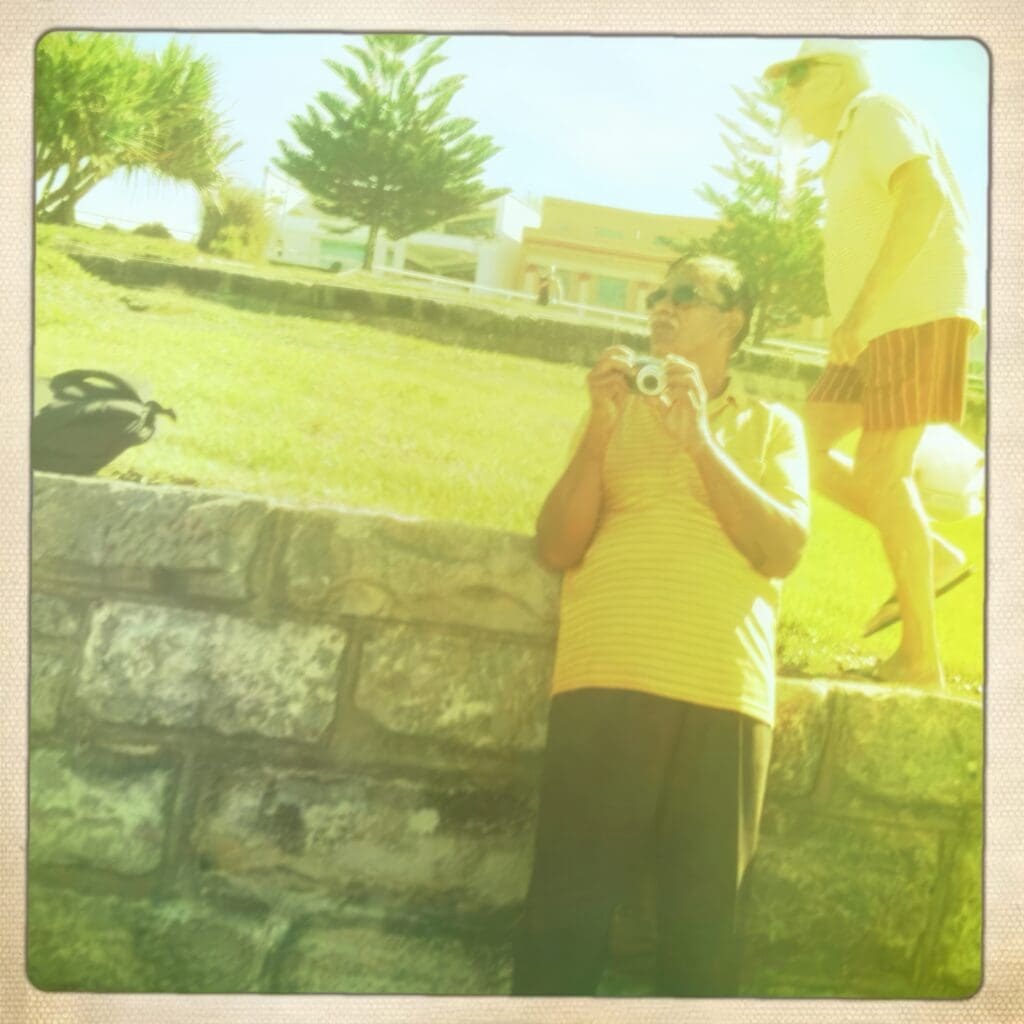
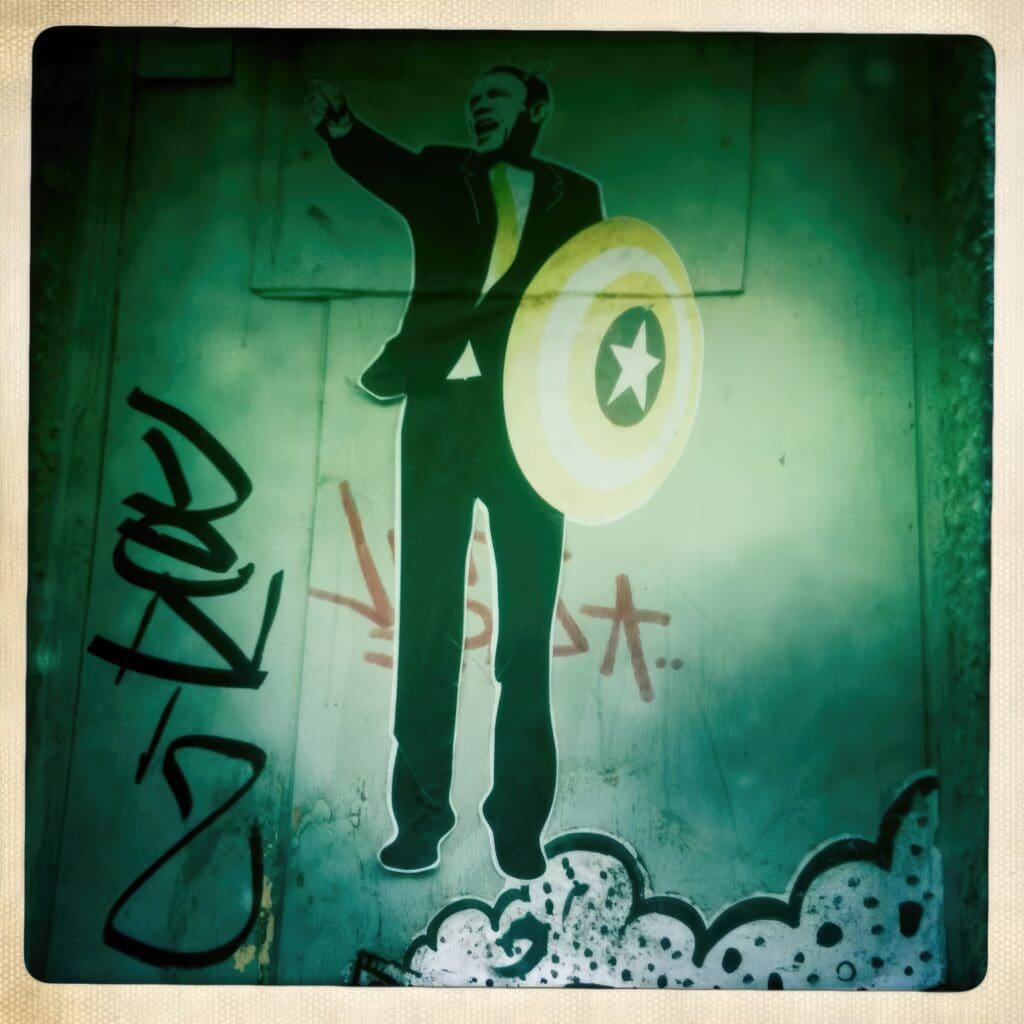
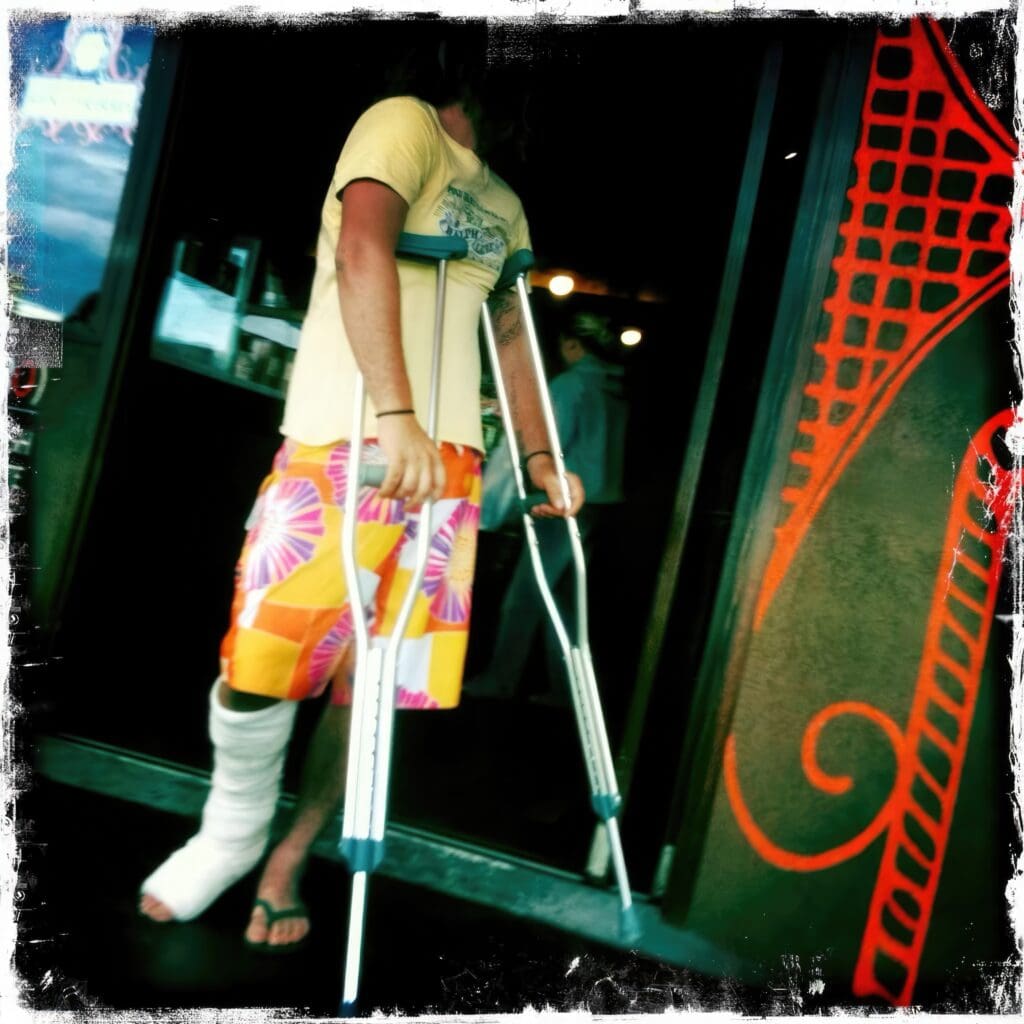
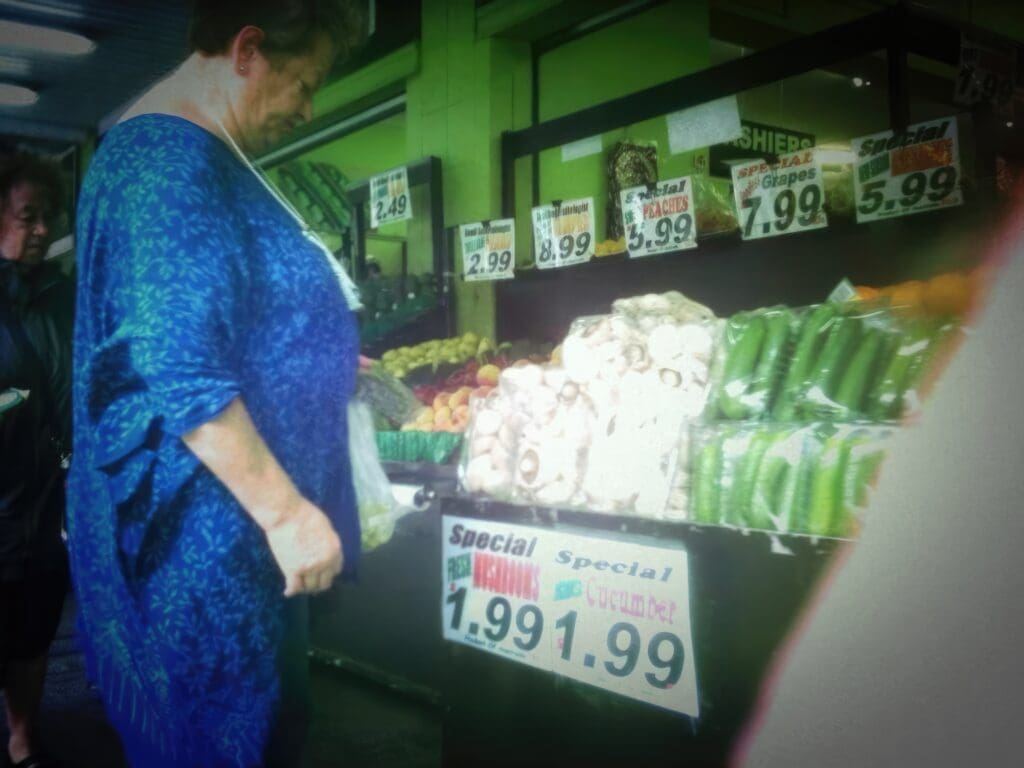
I didn’t live in Sydney, but commuted there and, being from the UK, was unfamiliar with the city and with Bondi where the office was located. So on my lunch breaks I would go on a walk, for the entire duration of lunch, exploring the area on foot. It was a welcome break from the toxic presence of my boss. Without those hour-long excursions exploring Bondi and the nearby neighbourhoods, I’d have gone postal long before I did.
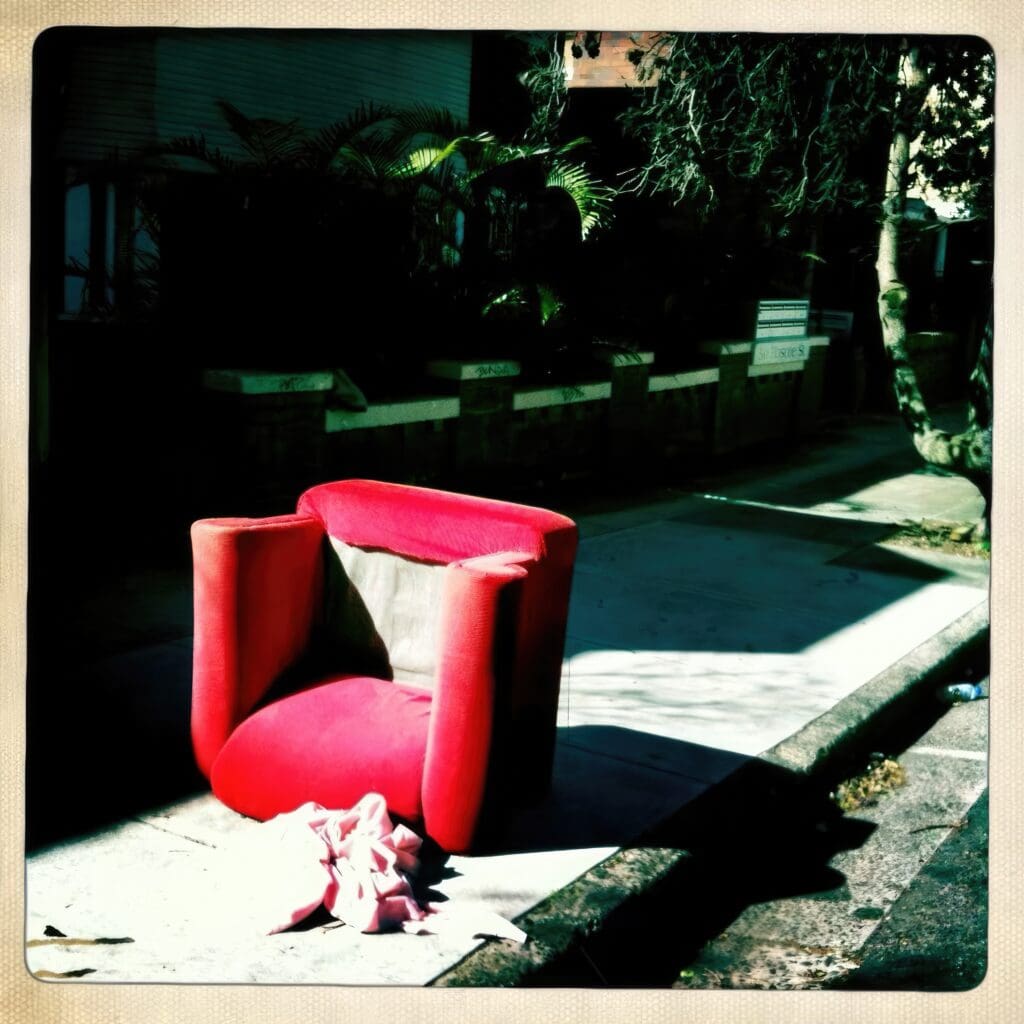
I began documenting my lunch breaks, with my iPhone and the Hipstamatic camera. Anything that caught my eye, that I found visually interesting, I would take a photo of it with the app.
At that time Hipstamatic had a randomising function. If you shook your phone before taking a shot it would apply a random combination of lens, camera and film effects to your photo. I loved the spontaneous nature of this randomising feature and I would shake the phone before every shot to see what strange combination of filters would be applied.

Every lunch time I would return with a treasure trove of street photographs each with an entirely different look and feel. Bondi, it turned out, was the ideal place to begin taking street photographs.
It’s a genuinely funky part of Sydney that attracts a strange blend of individuals, alongside the wealthy and, of course, international backpackers. There was always something going on, something new to discover, some new location to photograph.
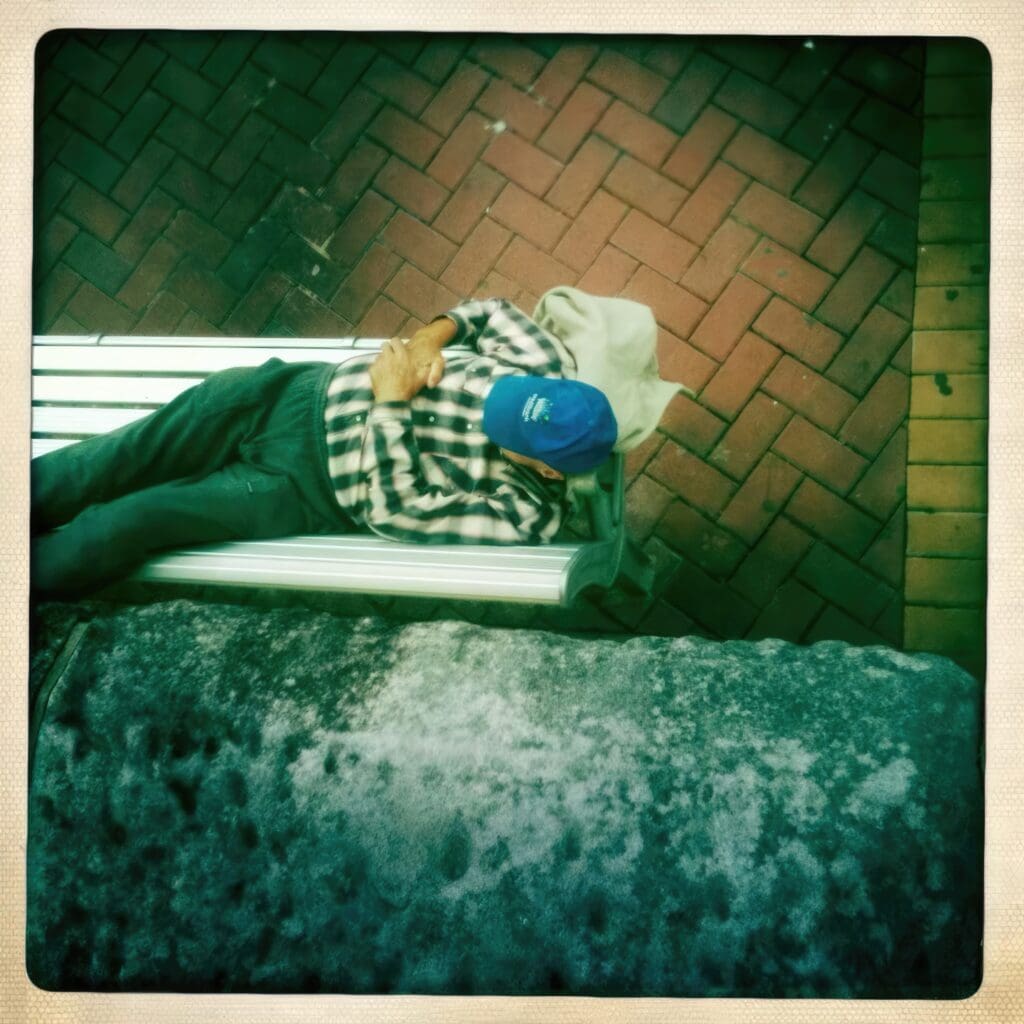
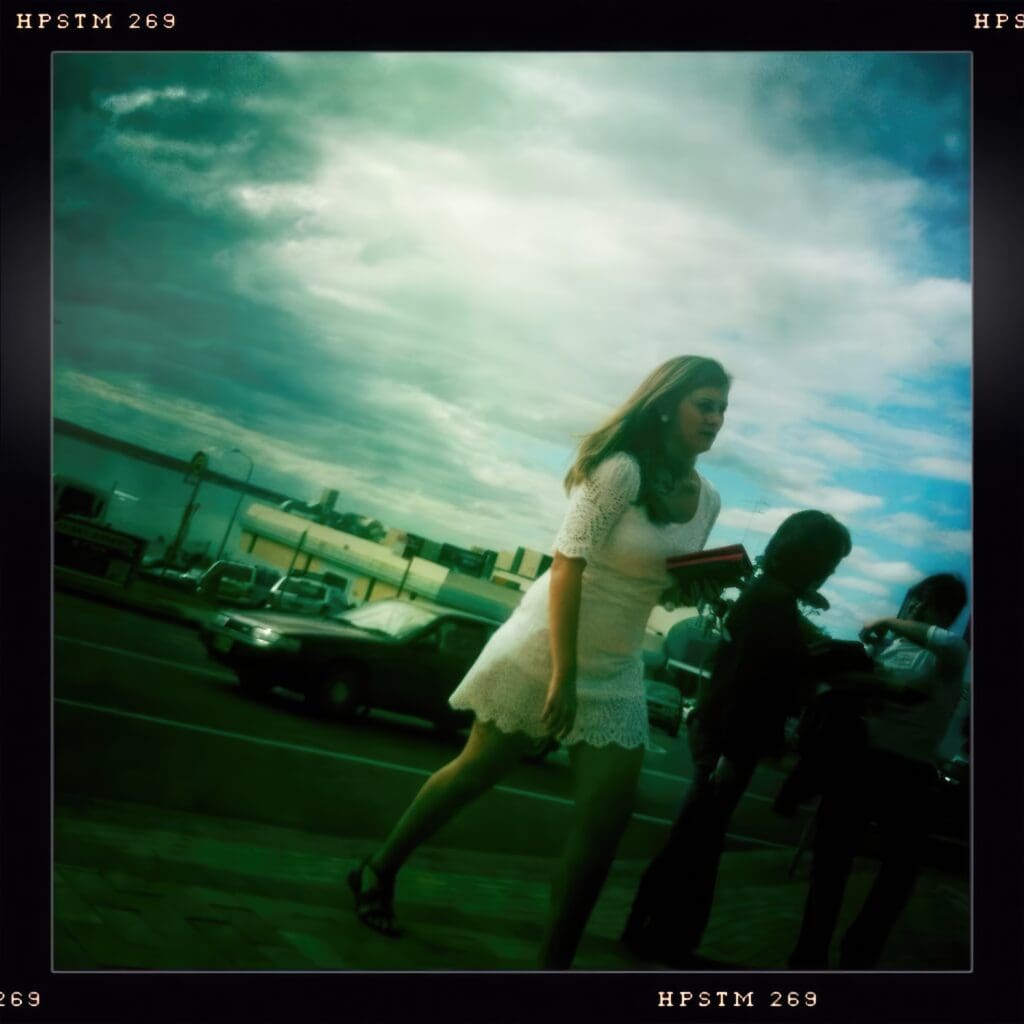
I also wanted to photograph the interesting people in that part of Sydney but I wasn’t a fan of just holding the phone up and pointing it at them in an obvious way. So instead I developed a guerrilla street photography technique specific to Hipstamatic. I would shake the phone, while lowering it to hip-height. Then, as the phone rested casually against my leg, I would point the phone in approximately the right direction and trigger the shutter with the volume button. Often I would completely miss my target, sometimes they’d be on the edge of the frame, often the photo would be at a strange angle, many times the image was an abstract blur.
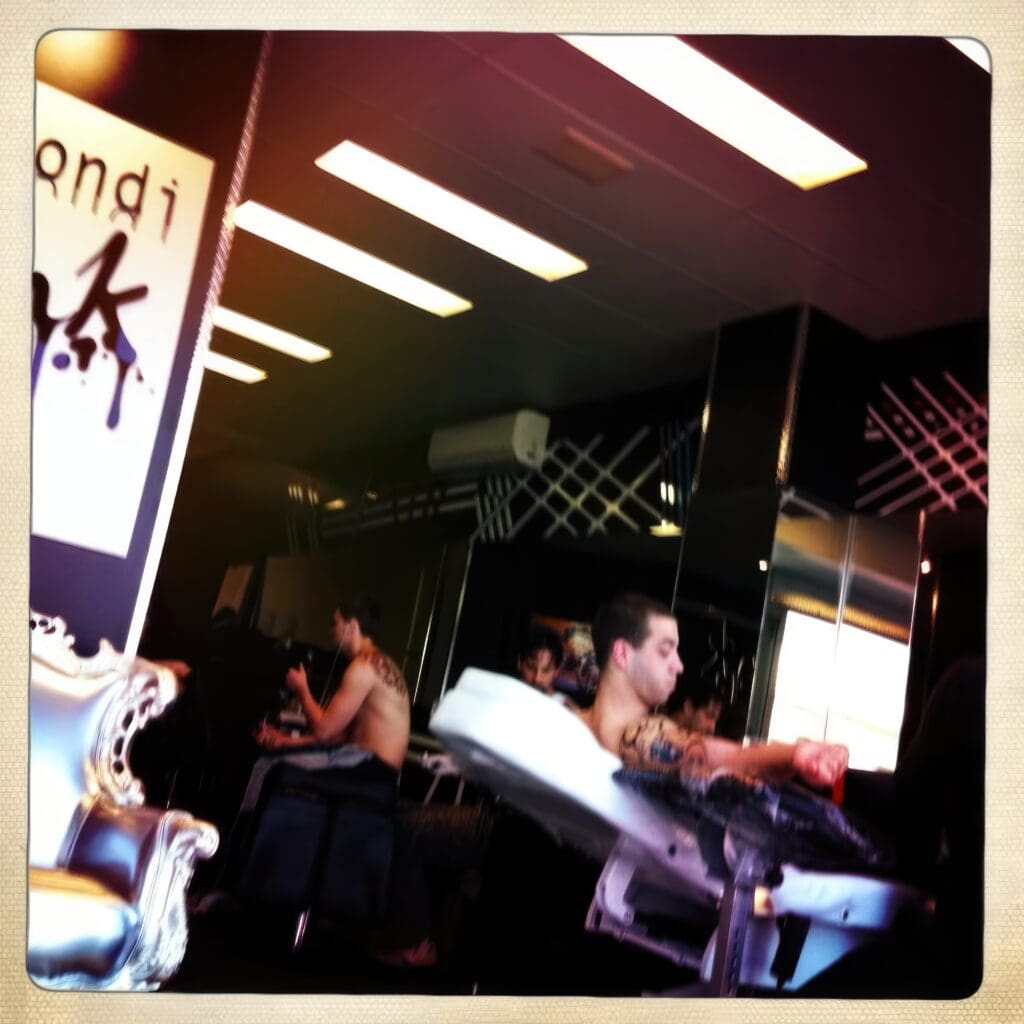
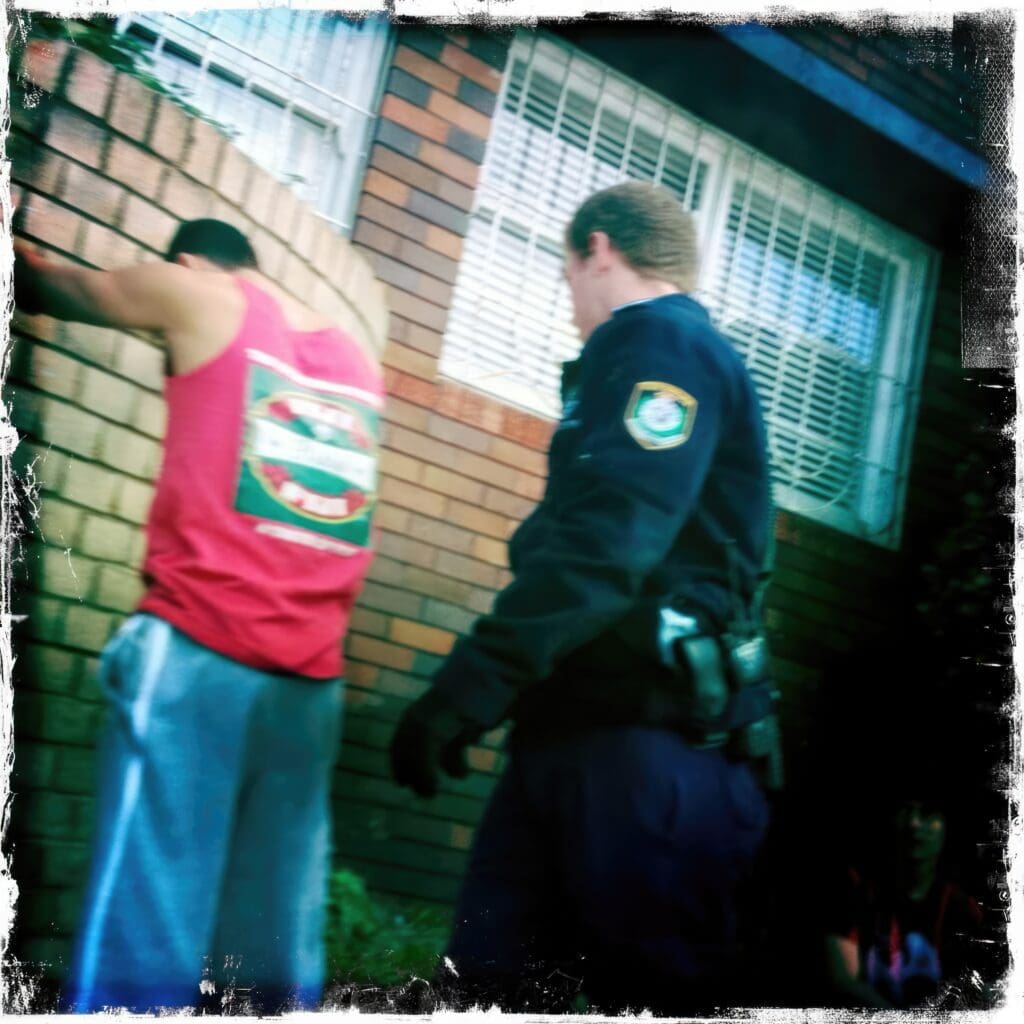
The archive serves as a fairly unique snapshot of life in Bondi about a decade ago. The tourists, the locals, the street life, the buildings, the beach, the police, the council workers, the young, the old, the homeless, the surfers, the joggers, the baristas. Gawd bless ‘em one and all.
I would tour the streets for my full and complete 60 minutes of freedom, happily capturing micro-seconds of time. Sometimes I would return to the same locations and take more guerrilla street photos. I didn’t worry about repeating myself because the filter effects in Hipstamatic rendered every single shot unique.
Over the months I got quite practiced at capturing these street scenes. I learnt how to shoot from the hip both literally and metaphorically. There was plenty of variety on offer within a relatively small geographic region.
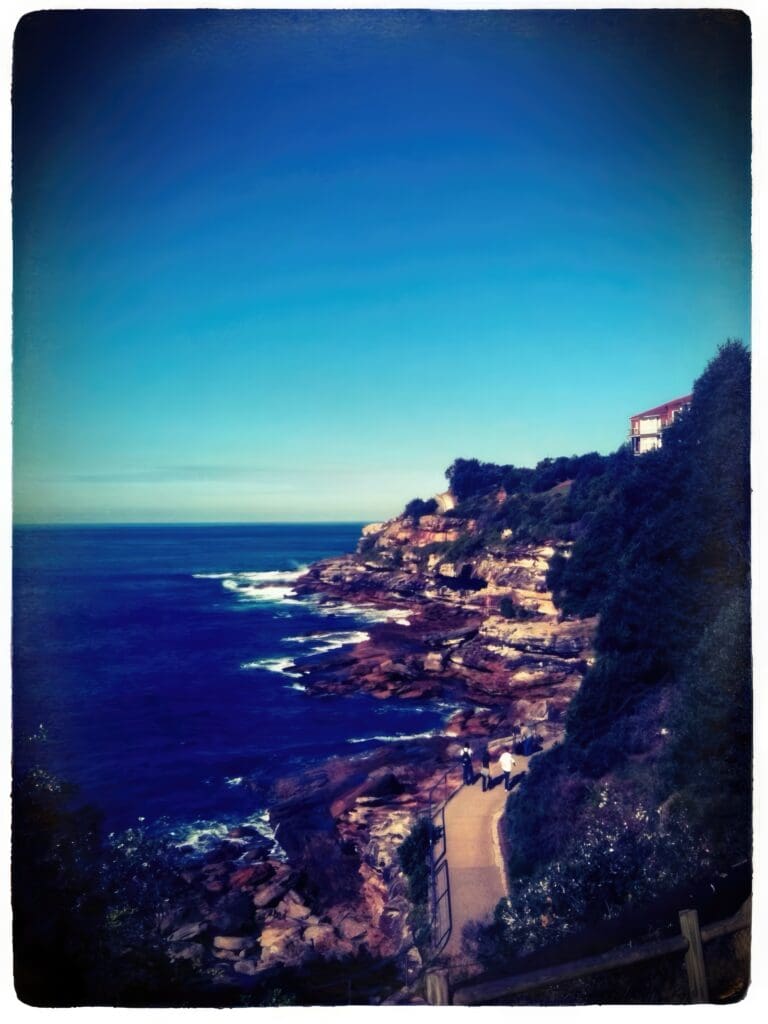
If I turned right out of my office I could walk the rugged coastal path towards Tamarama, Bronte and Clovelly Beaches. There were always tourist exploring the pathway, couples out enjoying a walk, locals jogging.
If I headed up the hill I could explore the shops on Bondi Road and the apartments in the suburbs around out.
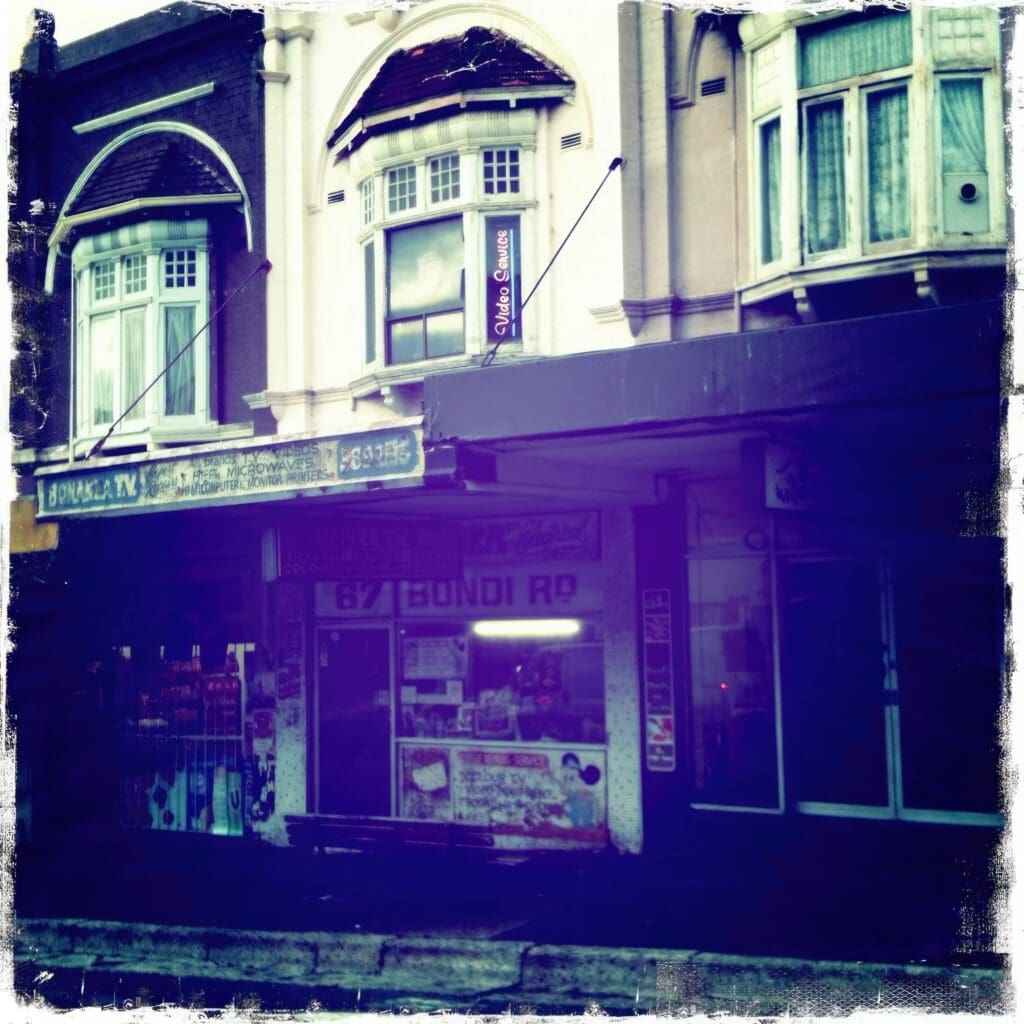
If I turned left out of the office I could explore the beach front at Bondi, the famous lifeguards, the happy beach-goers enjoying a day at Australia’s most famous beach.
And if I headed into the streets behind Bondi there were myriad cafes and small independent shops.
I used to upload my guerillia street photos to a photosharing platform called EyeEm and in 2010 one of my photos was shortlisted in a competition and displayed in a gallery in Berlin. That was a pretty surreal moment.
My little lunchtime escapes and my joy with guerrilla street photography was brought to an end after a couple of years when the company moved headquarters from what is almost certainly the best office location in Australia, to an industrial estate near the airport. If that sounds depressing, then you’d be bloody right.
On the up-side the new office location took a good half hour off my two and a half hour commute, but it also put an end to my lunchtime street photography sessions because there was absolutely fuck all of interest to photograph at the new place. I did try exploring the streets there, but it was basically a collection of smash repair shops, storage units, nihilistic office buildings and boring suburban neighbourhoods. Instead of hitting the streets at lunchtime, I’d get a foot-long meatball sub (Italian, English cheese, onions, sweet onion sauce, salt and pepper) and watch an episode of a TV show on my iPhone in a storage room so that nobody would try and engage me in lunchtime banter.
Over the months in that new office, my boss became an even more colossal wanker and I dreaded watching that dead-eyed face coming around the corner in the mornings. Without my sanity-saving photo sessions I sank deeper and deeper into a black hole and then … one afternoon … after I’d just received another bollocking for some minor issue … I snapped.
That was eight years ago now.
After my sudden exit from salaried work I rejoined the family business building websites. By which I mean my wife Catherine pulled my arse out of the fire once again. We did not lose the house.
Two years after what they call a ‘mental health crisis’ these days, I was officially diagnosed with autism and then two years after that, with severe ADHD. Both of these neurodevelopmental disorders were impacting my life from the very beginning, but I was utterly oblivious to them until I was in my 50s.
I had forgotten all about my little archive of guerrilla street photographs until very recently when I rediscovered them on an old external drive I found in a drawer. Flicking through them brought back a lot of memories, but I was struck by how nice it was to have this slice of time recorded forever in my photo archives. It was only as I clicked through the photos that their significance hit me for the first time and I suddenly realised how important those hour-long walks on the streets of Bondi really were.
It was, I realised, an entirely different kind of Bondi Rescue. How I’d used those lunchtime escapes to escape from an environment that was suffocating me and in which I felt completely trapped.
I’m in a much happier place these days - but photography still plays a crucially important role in my life - getting me out into the world and keeping me sane. But I will always be grateful to Bondi, to the people I furtively photographed and to the scenes I was able to freeze in time.
Everyone needs an escape sometimes and I count myself lucky that I found mine through the lens of a smartphone camera, shot from the hip.
I am 55 years old, which makes me part of Generation X. I've always felt that we were the luckiest generation because we were born and raised and educated and went out into the world of work at the start of this modern post-boomer silicon era when absolutely everything changed.
We were at school and college when the Internet was born and when the world-wide web was invented. We witnessed the arrival of the home computer and the games console. We were young when first music and then photography went from analog to digital and we were young adults when smartphones were invented.
We were there when suddenly you could pause live TV, when air travel was democratised, when social media was invented and just as we could legally drive, we got sophisticated digital navigation devices for our cars. We were there when Google search first came online and when they cloned the first animal and genetically modified the first food crop.
And now we're all middle-aged as the new A.I. era starts building momentum and everything changes forever again. As a generation I reckon we're pretty well placed to deal with what was once science-fiction and is now commonplace reality.
We need to talk about stock photography specifically and how A.I. is going to kill a substantial portion of the revenue of companies such as Getty Images.
There are, it seems to me, two kinds of stock photography - the specific and the non-specific. Specific stock photography would be something like a photograph of an actual location - Big Ben, the Grand Canyon, Machu Picchu for instance. Or an actual person - Barack Obama, Kanye West, Vladimir Putin for instance.
Meanwhile, non-specific stock photography is the generalised topic or themed based photographs used to illustrate blog articles or brochures. You might search for photographs of an elderly man pushing a walker down a suburban street in Liverpool. Or perhaps a group of young children enjoying a birthday party in the back garden of a house in Canada. Or a colourful sunset over a forested mountain range.
Non-specific stock photography will be rendered irrelevant within the next couple of years and I strongly suspect that specific photography will go the same way over a slightly longer timeframe.
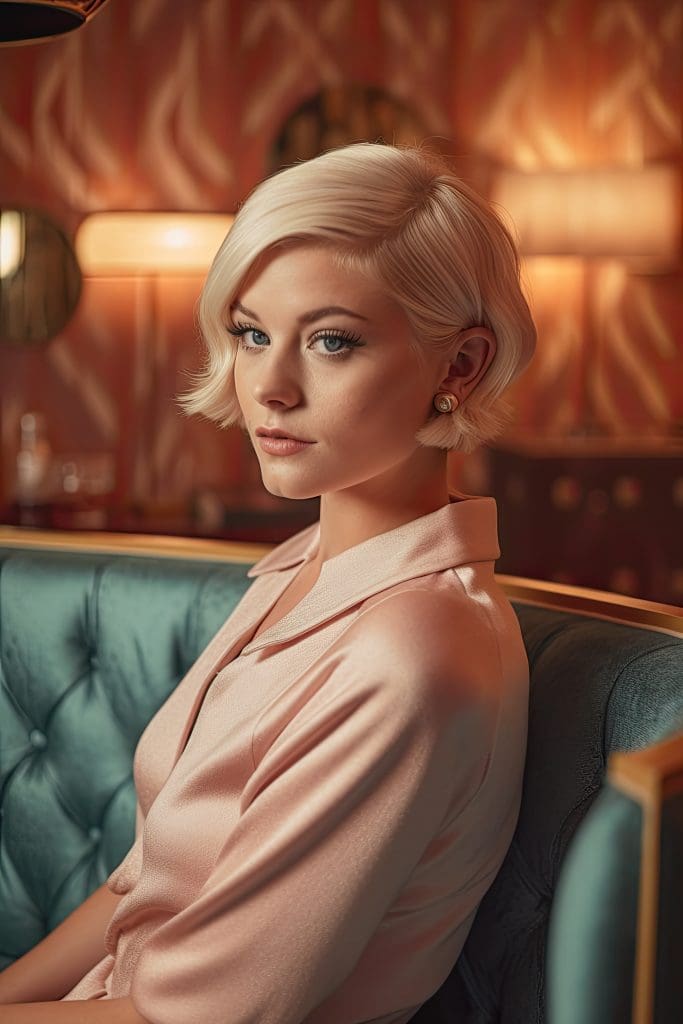
The three best known generative art models currently available to the public are Dall-E, Midjourney and Stable Diffusion. Most of the public facing services such as Canva's new AI tool are based upon the APIs of one of these three models, but some companies such as Adobe have built their own. Between them, these models, each with their own strengths and weaknesses clearly point the way to a future when we can summon up literally any image we want with a short text query.
In many ways, we're already there. The advertising industry is already embracing generative art systems like Midjourney. Instead of hiring an expensive product photographer and some studio space and possibly a model or two - they can get what they want near-instantly with a text prompt in Midjourney. At the very least, something like Midjourney can create a near-flawless backdrop for a product placement. But it won't be long until the AI can do complete the whole job.
Any stock photograph is always a compromise because it's never precisely what the client had in mind. If you've ever purchased a stock image you know the drill - you click through page after page of thumbnails looking for the photo you've got in mind, you shortlist a bunch of them and eventually you settle for 'close enough'.
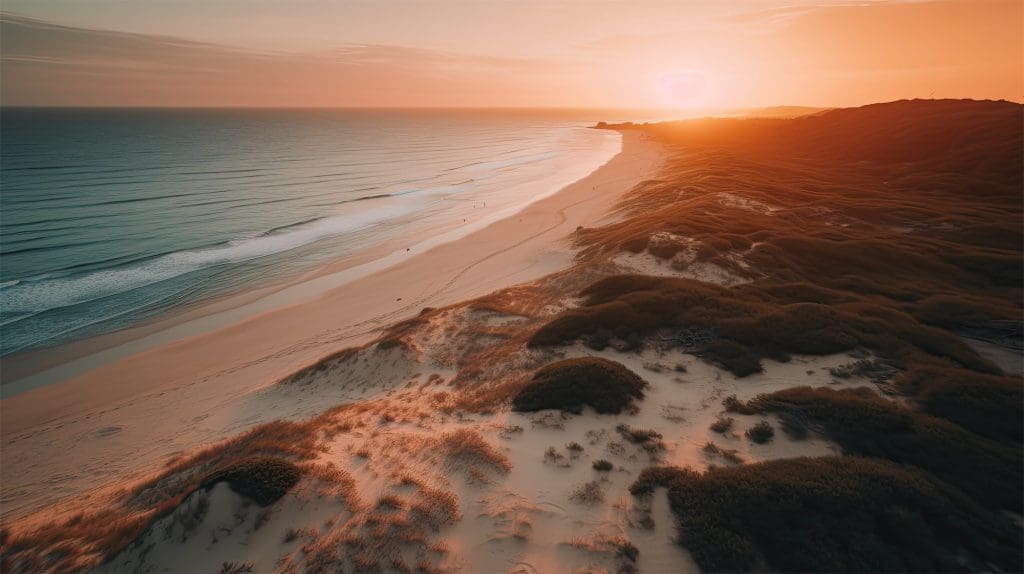
But now, someone creating a brochure, for instance, need no longer pay a royalty to a stock photo library by using a real photograph. They can get exactly what they want and they do not have to trawl through hundreds of images to do it. They do not have to compromise in any way and they get exactly what they want - near-instantly. Honestly to me it feels as futuristic as Captain Picard summoning up Tea Earl Grey Hot in the Enterprise's replicator.
If you're the sort of person that has to trawl through shots on Alamy, Getty or Shutterstock then you've every right to feel euphoric right about now. No more boring searches, no royalty payments and no copyright issues, ever.
And let's not forget that these generative art models are improving dramatically with every release. My first introduction to them was a video by MKBHD which, incredibly, was just under a year ago. Replaying that video now already feels like I'm watching some retro news clip from years ago.
The images Marques created in that video, of an astronaut on a horse and a wise elephant staring at the moon at night, seem ludicrously primitive compared to the kind images you can now produce in something like Midjourney. We've gone from toddler's crayon scribbles to art school graduates in under a year.
Non-specific stock photography is going the way of the dinosaur and any revenue you currently earn from stock images will probably fizzle out to nothing within a couple of years.
I'm sorry that photographers will lose a little bit of income but I'm also belly laughing at the stock agencies because they're a bunch of thieving soul-sucking scam artists who've been ripping photographers off for decades. So fuck those guys.
Then there's the specific kind of stock photography. Some celebrity exiting a nightclub, a politician standing behind a podium, an athlete winning a race. I'd say there was a strong argument that even these kinds of photographs are threatened by A.I. Models such as Stable Diffusion and Midjourney can already work from reference images and their ability to regenerate alternative images based on that reference is getting more powerful by the week.
Imagine you're a pop singer and GQ want to do a photo-shoot with you. At the moment you've got to interrupt your schedule, get to a studio and spend an entire day being photographed by an expensive photographer who may or may not nail the brief the magazine gave them.
In the extremely near future an alternative 'shoot' will take place. The magazine will suggest a scenario for a shoot, the pop singer will supply a couple of simple and up-to-date reference photographs and a prompt engineer will magic the whole thing up in a generative art system. The singer can simply and easily collaborate with the magazine to get the exact look they're all happy with and everyone's a winner. Everyone that is, except for the photographer and whoever owns the studio and the retoucher and the graphic designer.
But what about photographs of specific places? And to that I say, have you ever playing Microsoft Flight Simulator? Ok - that's a render engine based on a massive topographic and texture database, but I can't imagine it would be difficult to combine the two. Give Midjourney access to topographic data, add some real-world texture reference images to its dataset and set it loose. You'll be able to create an entirely convincing fake image of a real location that looks precisely the way you want.

Tourist agencies, hotels and property owners, real estate agents - they're all going to absolutely love it. Instead of searching online for images of a location that may or may not be popular and therefore may or may not have been heavily photographed, they can pick a location, an angle, a time of year, a time of day and specific weather conditions and the A.I. will produce four stunning shots in under 30 seconds.
And while I realise that many photographers are purists who are steadfast in their belief in the superiority of actual photos taken by actual people with actual cameras - nobody will care that the generative images in travel brochures, adverts or blog posts are not real. Nobody. If I was one of the overpaid leeches that works for a company like Getty, I'd be starting to get a big panicy round about now.
And while we're at it - how hilarious is it that stock agencies now have sections of A.I. generated imagery? Who is going to pay Getty for an A.I. image when they can type a prompt into a text box and get their own one in seconds flat. In the short-term I wonder if the real money is going to be made selling prompts - not photos.
Now I mentioned at the start that of this video that any market that relies on imagery of any kind is in deep-shit and that, of course, includes porn. A.I. created porn is already a reality, readily available and easily generated. I'm not talking Deepfakes here - those are just faces mapped onto someone else's body - I'm talking about 100% fake imagery.
The weapon of choice at the moment for generative porn producers is Stable Diffusion. The reason for this is that Midjourney currently blocks 'adult' imagery, but Stable Diffusion does not. They did initially, but they re-enabled the nudity option at the end of last year.
With A.I. generative porn you can create exactly the sort of images you want, the stuff that 'works' for you, without having to trawl through Pornhub's archives. And yes, that will of course mean that at some point in the future - possibly now - I don't know - you'll be able to render your own otherwise banned pornography. You'll be able to pick an age-range and summon up images that would land you in jail if you downloaded them.
Don't tell me that restrictions will be put in place to stop this kind of thing. The genie is well and truly out of the bottle and I have no doubt whatsoever that there will be a buoyant black market for generative art systems that can churn out porn catering to any and all niches. It probably exists right now.
What are the ethical arguments around people generating AI porn of banned subjects? It's preferable to the current real-world situation of course, but once Pandora's box is opened there's a whole bunch of other stuff to consider around giving people access to otherwise prohibited imagery.
Anyone that earns money from porn, whether it's soft glamour style or hardcore porn will probably see their income drop over the next few years. All the folks involved in the cottage industry that is Onlyfans will also undoubtedly see a downturn in profits too. Will people care that the images that turn them on aren't real when they can tune precisely into whatever kinks are theirs? Of course not. And we're not just talking still images here either. It's early days but AI generated adult video is already being produced and it will only improve in quality and sophistication as time goes by.
I have absolutely no doubt that we are on the beach, watching the water recede as a tsunami appears on the horizon.
Everything is about to change in ways that we could never have dreamed would come to pass in our lifetimes and you'd better be ready for it.
As Malcom X said, "The future belongs to those who prepare for it today."
Left unchecked, upgradeitis can turn into full blown GAS … that's gear acquisition syndrome incidentally, not the old raspberry tarts.
And while upgradeitis affects all geeks, drone users seem to be particularly susceptible. No sooner have DJI announced a new model, than the Facebook groups, subreddits and forums are full of people looking to offload their current drone.
There seems to be this reality distortion field centred on Shenzen and which activates whenever DJI release a new drone. This distortion field sweeps around the world, faster than a new far-right conspiracy theory, and instantly makes all drone owners feel like their four-rotored friend is now somehow inferior.
Every time a new drone with more megapixels, a bigger sensor, a better lens comes along, folks stress that the camera on their current drone is suddenly not up to the job any more. All it takes is an extra three minutes of flight time on the new model and another cheesy intelligent flight mode that will probably never get used and those critically infected with upgradeitis are reaching for their credit cards.
I encourage you to get you off the old upgrade treadmill.
Cast your mind back to a more innocent time, seven years ago, in 2015. That was when DJI released the Phantom 3 range of drones.
Seems like longer than that to me, but maybe it's because we've all aged about a decade in the last 24 months?
Anyway, the Phantom 3 Pro had a 12.4megapixel sensor and could shoot photographs in RAW using single, burst or auto-bracketed modes. It could shoot 4K video at 60mbps and HD video at 60fps.
Here are some samples images from the P3 that I found on Flickr. As you can see, there's a variety of lighting situations here from full sunlight to night-time. The camera appears to be coping well in demanding low light situations and has plenty of detail in the images.
Does the P3 have a bad camera simply because the Phantom 4, Mavic, Air, Spark and Mini have subsequently been released? No.
Am I suggesting you hit up Craigslist and buy one? No.
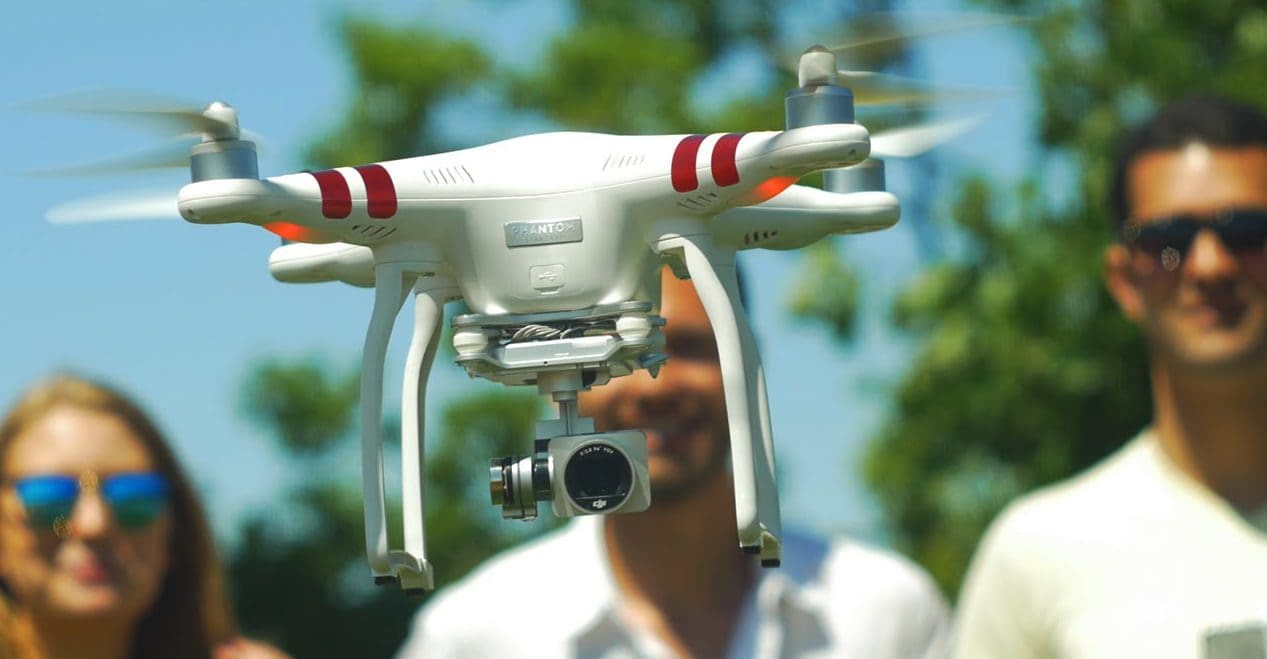
I am merely suggesting that your current drone, even if it's Phantom 3, is probably perfectly adequate for pretty much all use-cases.
Drone cameras have been good for the last decade and excellent for the last five. My suggestion is that instead of spunking your money up the wall on the latest DJI drone, you invest that cash in experiences instead.
Spend the cost of that shiny new drone on a few trips to the country or down the coast, or perhaps on a big holiday. People become susceptible to upgradeitits due to the hard work of the DJI marketing machine, and partly because enthusiasm for all technology fades slowly over time.
I'd also suggest that if you don't fly as much as you used to, then the drone is probably not your problem, it's more likely to be your creative spark.
Going somewhere new and interesting is a great way to get the old creative juices flowing once more.
So travel and explore. And while you're planning where you're going to go, here are some practical suggestions for getting the most out of your current drone and its current camera.
When you stick that old SD card in your PC and import your photos, do they all look like they were shot over the course of a year, instead of a single afternoon? If they do, it's undoubtedly because you have auto white balance enabled and your drone is making all the decisions about how cold or warm your photographs should be.
This isn't as big of a deal if you're shooting photographs in RAW mode because you can change white balance in post. However you may prefer to save yourself some time and choose one colour temperature for the conditions you are shooting in at that precise moment.
If you're shooting JPEGs than setting the right white colour balance is crucial, because it will be baked into the image.
It's also important when you're shooting video because while you can grade the footage afterwards, particularly if you have one of DJI's more expensive drones and can shoot in a log profile, but white balance is still effectively baked in and there are limits to what can be fixed in post.
If you manually set the white balance then you will have a much more consistent colour grade on your footage, straight out of the gate. It will save you time and your edited video will look all the better for it.
If you've always wanted to wean yourself off the automated modes on your drone then manually setting the white balance is a great starting point and you can expand your skill set from there.
There's no doubt that the cameras we use can do an excellent job taking photographs or shooting video in auto mode. However the photos and video you end up with will look how the camera wanted - not necessarily how you do. And those automated systems are not infallible. They make educated guesses about light and sometimes they get it wrong and you end up with a photograph that looks like you shot it down a mine.
So take your drone out of auto mode and experiment with the manual modes.
One great way to begin with as little stress as possible is to fire up your drone, but keep it on the ground. Put it down somewhere in the back garden and experiment with the manual mode settings as if you were using a normal camera. This way you can concentrate on understanding the techniques without having to worry about flying your drone into a tree.
As you teach yourself with your grounded drone remember not to simply rely on the preview on your phone. Import the images you take into your photo editor of choice so that you can see the full impact of changes to aperture, exposure or ISO.
Looking at those full size images will enable you to build up safe operating parameters for all your future shots - for instance how far you can safely push the ISO before the photo turns into some impressionist fever-dream of an image.
If you have a Mavic 2 Pro or Mavic 3 then you can make full use of manual aperture settings. All the other DJI drones (professional drones excepted) only allow for manual changes to shutter speed, ISO and white balance. However manually controlling these settings still gives you a substantial degree of flexibility in how a photograph or video clip eventually looks.
When was the last time you cleaned your drone's camera? Have you ever done it, you dirty so-and-so? Think about the environments you've been flying that drone in and picture for a moment all the little bits of dirt and dust that it has come into contact with.
It's highly likely that at some point an insect of some kind has hit your drone and yes, while the last thing that went through that bug's mind was its arse, the second last thing was probably how bleeding filthy your lens is.
It's not just so-called dust-spots that can ruin your shots but a microscopic film of grime and grease that builds up on that lens and which mutes colours, depresses detail and can cause light flares. Don't believe me? Remember the last time you cleaned your sunglasses and were suddenly like, "oh shit, I can see through time"? It's like that.
So get into the habit of cleaning your drone's camera before every flight. Most drones have a removable clear filter on the front that you can slide off in order to clean it properly with micro-fibre cloth. If that filter is looking a bit worse for wear, then replace it, they're not expensive.
Most consumer drones have a fixed aperture camera lens which means you can only control the amount of light hitting the sensor by changing exposure and ISO. And sometimes, just exposure and ISO are not enough to shoot properly exposed photos or video.
The best way to work around this unfortunate limitation is to buy yourself a set of neutral ND filters for your specific model of drone. These filters will enable you to fly your drone no matter how bright the sun is and still be able to shoot at an exposure setting that gives you that cinematic look with some motion bleed between frames.
I've always bought the Polar Pro filters for my drones and have found them to be excellent. I usually opt for a pack that includes a combination of ND filters and circular polarisers so that I can work around sun glare, haze and reflective water too. Before purchasing, check the reviews to make sure the filters don't have colour cast issues, because these can be a pain in the arse to correct in post.
Also make sure you buy a pack of ND filters with sufficient variety to cope with all light levels - four strengths at a minimum.
Understanding the limitations of your drone's camera is as important, probably more important, than understanding its strengths.
So if you have got a Phantom 3, for instance, then you need to work around the capabilities of the drone. Low light capabilities on that drone were not as good as the current range, so be sensible about the time of day you choose to fly it.
There isn't a drone that's been released in the last eight years that takes a crappy photo in broad daylight, so use that to your advantage.
Above all, don't assume that your drone is going to suck in a particular situation, give it a go.
There's no doubt at all that the gimbals on drones are a huge benefit when it comes to photography. They insulate the camera from the movement of the drone and make the chances of pulling off a nice sharp image much more likely.
However they're not perfect and obviously the further back in time you go, the less perfect they were. So understand that if it's windier than the quality assurance room at a baked bean factory, you're decreasing your chances of getting a sharp shot.
If it is windy then you should shoot with a faster exposure to minimise the amount of time the sensor is open and therefore reduce the time within which the camera can move during the exposure.
If one of the reasons you're looking at upgrading your drone is because it's missing the latest features of the current drones, then consider looking at third party apps.
My old Phantom 4 didn't have a panorama mode and I was jealous of the folks with Phantom 4 Pros and Mavics who did have a pano mode. So I used a third party app called Dronepan to shoot panos and bloody good it was too.
The best known third party app for drones is Litchi. The developers of this app are well known for bringing features only available on the most recent drones to older models.

It has an advanced waypoint and mission system for flying and then videoing or photographing along pre-defined routes. It has its own active tracking system. It has an excellent panorama mode. It has a follow mode that can track a mobile device. It has a VR mode and it even has a video feed option that can stream direct to a nearby device. It's the mutt's nuts and I strongly suggest you look at it, if you're missing more advanced flight modes.
You can also use specialised mission software such as Drone Deploy, Dronelink, PIX4Dcapture and Drone Harmony to run professional automated flight missions for commercial mapping or surveying purposes. And for this kind of work an older drone will be every bit as good a more recent one - better in some cases because it will have rock-solid firmware and therefore be more reliable.
You can make up for many of the deficiencies in drone cameras by leveraging the power of software. And let's face it, spending a couple of hundred bucks on good software is a lot cheaper than getting DJI's latest and greatest.
There are three main areas that software can definitely help with - those are noise, detail and dimensions.
And when it comes to all three of those areas, the software that I recommend, and which I use every day is the Topaz suite. And I should add at this point, that this isn't a sponsored recommendation in any way. I have the three main Topaz applications - Sharpen AI, Denoise AI and Gigapixel AI - because I bought them with my own money.
The AI based processing that this software is capable of is often miraculous in terms of its results. The software is well coded and has some truly useful features.
For instance if you are using the Sharpen AI tool then you only want to sharpen the land, not the sky - clouds do not have sharp edges. The Sharpen AI tool has an AI based selection tool - just like Adobe Lightroom's tool to select the sky. So you just turn on the sky mask and apply your sharpening only to the landscape. Easy peasy lemon squeeze.
The Denoise AI tool has several modes to cope with the type of noise present in your image. In terms of drones the noise preset you'll probably use most often is the low-light option. This preset gets rid of most of that horribly randomised RGB pixelisation you get at high ISOs and greatly improves the image without making it look like you tripped and fell onto the gaussian blur slider.
Then of course there's the size. The old Phantom 3 shoots at 4000x3000 pixels which is a bit of the short side, particularly if you want to print an image. GigaPixel AI can upscale your image in an intelligent way so that the end result is clean and undistorted.
I spent my money on Topaz but there are some excellent alternatives out there. In particular On 1's professional plugin suite is well worth a look. Their NoNoise AI tool is as good as Topaz Denoise and they offer a competitively priced bundle including Includes NoNoise AI, Effects, Resize, Portrait AI, & HDR - for $166 Australian dollars.
If you're a painter it's almost impossible not to develop your own style. The nature of painting, the media, the subjects, the process, the paints, the brushes and the skills (or otherwise) of the artist in question mean you instantly get your own style whether you want it or not. It might not necessarily be a good style, but it's still yours. In fact the only artists who don't have their own style are world-class forgers, and the kind of high-brow art sleuths who work for auction houses will tell you that even they have 'tells' that give them away.
But photography offers far more definite outcomes than painting because there's a precise mechanical device in the space between the photographer and the photograph, rather than a brush. And the thing with mechanical devices is that they are purposefully designed to function in a consistent manner. So if two photographers photographing the same scene, have the same camera, with the same settings and the same lens they will produce a near identical photograph.
This consistency in camera technology is important if you are a professional photographer because you need to know that if you use that camera, with that lens, with those settings in that environment then you will take a correctly exposed image.
So the most popular equipment in a photographer's life, apart from the camera itself, are accessories and add-ons that can alter that consistency.
We use ND filters to reduce the amount of light hitting the sensor because we want to take a longer exposure than the camera will allow on its own. Or we use flash to artificially light a scene because the camera wouldn't be able to make a correctly exposed image on its own. Or we might even dig right into the camera's guts, take it to pieces and switch out the infrared blocking filter for an infrared amplifier.

In other words, we use an array of techniques combined with specialised equipment to make our photos look different to anyone else's. And so logically, the further you get from that baseline consistent straight-out-camera look, the more obvious your style will be.
Developing your own style as a photographer is not as simple as choosing one, like you'd take a tin of beans off the supermarket shelf. It is not usually something that materialises the first day you pick up a camera - it might takes years to evolve - but sometimes it does occur during a blinding flash of inspiration or a eureka moment.
It also bears pointing out that developing your own style is not something you can rush or even force. You simply have to put in the hours and use your camera as often as you can.
So let's talk specifics.
Once you have built up a sufficient body of work in your photography you will start to pick up on certain themes. You will be able to identify photos you've taken that have a specific look, which were taken in a certain way, which feature a certain location.
Whether you were conscious of it or not, this is your creative brain leading you in a specific direction.
If you've never done it before go back through all of your old photographs and, as you flick through them you will start picking up on these regularly occurring themes. All of the other photographs, no matter how good they are, are almost like the static on a TV screen and the other shots - the ones that share some relationship with each other - they're your vision - the television picture emerging from that static.
As you build up your photographic muscles, the themes in your photographs will be indistinct, and out of focus (metaphorically speaking). However once you recognise those photographs you are more naturally inclined to take, once you begin understanding where your creativity is taking you, you can start to focus (metaphorically speaking) down onto it. And that's when it starts getting really exciting because once you became creatively self-aware, you can showcase how you see the world through your photography.
So let's talk more about the kind of themes that might develop into your style
and which you should keep an eye out for in your photographic portfolio. This is by no means a definitive list, but a sample of possibilities which may or may not apply to you.
Firstly and most obviously there's the subject of your photographs - the hashtags that you might attach to that photograph.
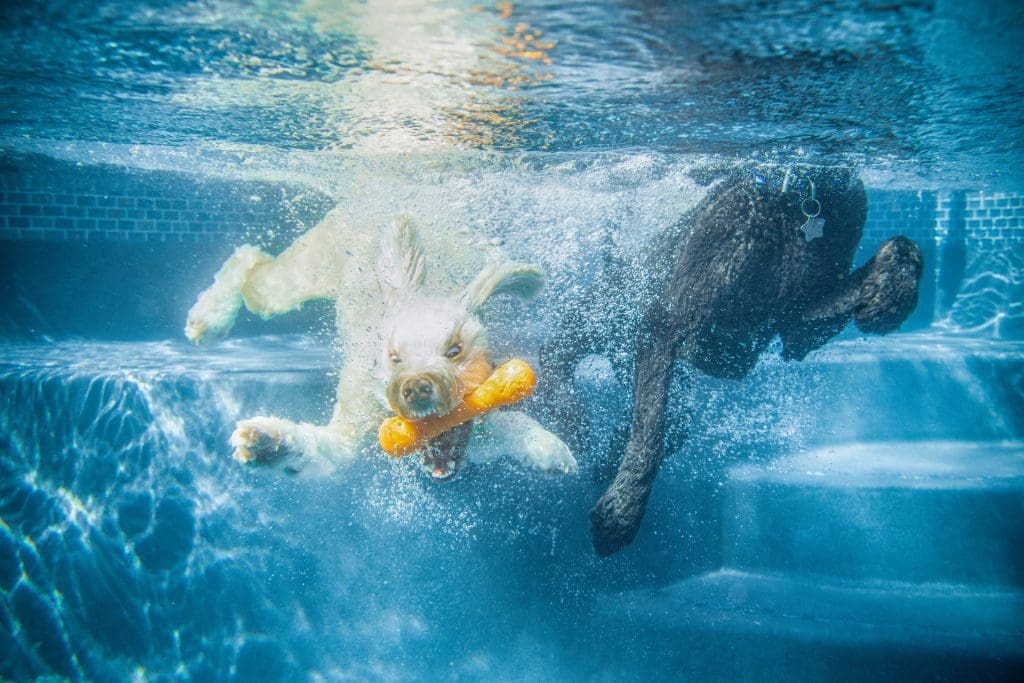
For instance there's a photographer called Seth Casteel who went viral a decade ago with his amazing photographs of underwater dogs. Seth specialises in taking highly distinctive portraits of dogs by throwing a ball into a swimming pool and capturing the dogs from underwater as they jump in to grab the ball.
Seth recognised his niche, he honed in on it and made it his thing. And he discovered his style in a eureka moment when a dog he was photographing kept jumping into the swimming pool and he wondered what he'd look like from in the pool.
Another example of a photographer whose style is built on the subject-matter of his photographs is Alexey Kljatov from Moscow. Sorry if I've butchered your name Alexey.
In 2016 Alexey came to world attention thanks to his incredible photographs of snowflakes which he took with his own homemade camera system frankensteined out of various cameras and lenses.
Alexy was inspired to take snowflake photographs after he saw the work of Kenneth G. Libbrecht, a professor of physics at the California Institute of Technology. And of course living in Moscow he was ideally placed to have plenty of material lying around on the ground for his photographs.
Incidentally, this is a classic example of working with what you've got. There aren't many snowflake photographers here in Australia but I suspect that they're fairly light on surf photographers in Russia.
Some photographers bring their vision of the world to light by means of post-processing. This is one of those niches that tends to rub some people up the wrong way, but it's a simple fact that some photographers became well known through a highly specific post-processing style.
The very fact that some post-processing techniques popularised by certain photographers pisses certain people off is proof positive that they are distinctive styles. And anyway, wouldn't it be a really boring world if we all liked the same thing?
Anyway - the photographer who immediately popped into my head when I thought of this was Trey Ratcliff. Trey became famous as the guy that popularised HDR photography. He discovered this technique very early on in its history, wrote a famous blog post explaining how to do it and from those humble beginnings rode a wave to photographic stardom. He travels all over the world and has accumulated a massive online following of people who love his distinctive HDR processed images. His style is immediately recognisable and he has persevered with it despite regularly getting it in the neck from so-called purists.
The perseverance displayed by Trey is a key element of developing your style - you stick with it, you tweak it, you improve upon it but you persist because it's what turns you on… photographically speaking.
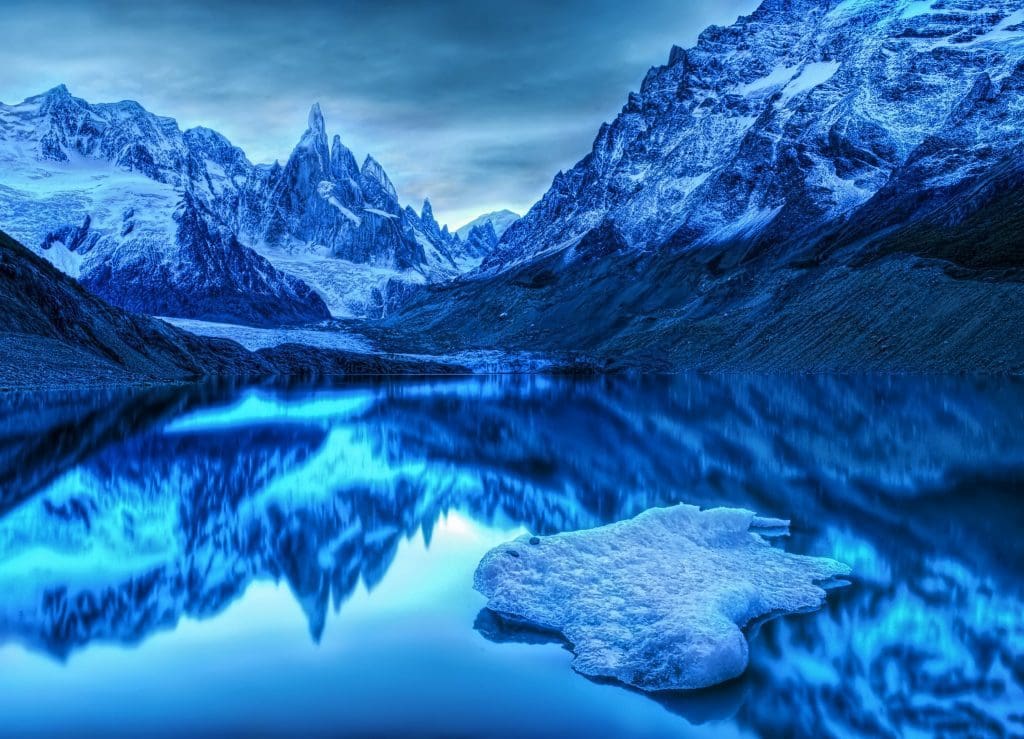
Another example of someone who found their niche in post-processing is Dylan Furst - more usually known as Fursty. His highly stylised images, processed with a specific blue palette proved to be a popular look and he's built up a following of over one million on Instagram.
I should add that a photographic style should not be considered somehow 'better' or more worthy because the photographer has amassed a massive following on social media, but nevertheless, it is partly because their images stand out that they do build up those followings. Or to put it another way - the style came first - the followers came second.
Leaving aside post-processing wizardry, other photographers find their style using specific photographs techniques. There are all sorts of cool methods that can be applied to photography and this may be where your style lies too.
So for instance, there's a style of photography called intentional camera movement (ICM). This is actually a fairly old technique (as most of them are) but it was was recently re-popularised by the British photographer Andy Gray. This technique involves deliberately moving the camera during a long exposure such that the subject matter becomes blurred and abstract. Andy has likened his images to the paintings of JW Turner and I can certainly see that vibe in his photographs.
Other camera techniques include deliberate over-exposure (high key), under-exposure (low key) and long exposure zooms.
Sometimes it's a specific geographic location and the documentation of that location, that becomes a photographer's theme. There are myriad examples of this, but one that sprung to mind for me is an Australian photographer local to me by the name of Eugene Tan.
Eugene, better known as Aquabumps, began a photographic email blog based on his images taken around Bondi Beach in Sydney. The blog proved to be a big hit and his style of photography translated well to social media where he picked up a big following. He does travel abroad and photograph other locations, but the core theme of his photography is Bondi and, in particular, the historic surfing culture of that location.
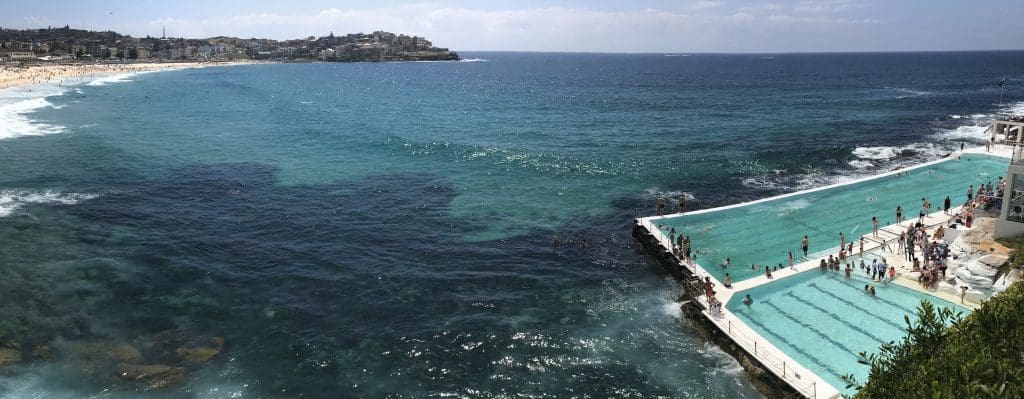
Of course some locations, such as Bondi, lend themselves well to this kind of photography. In the UK the @camdiary feed features photographs taken by the pseudonymous Sir Cam featuring the beautiful medieval university city of Cambridge in the UK. There's a huge variety of photographic styles in Sir Cam's portfolio from portraits to landscape photography but the city of Cambridge links everything together and is Sir Cam's inspiration and central theme.
Sometimes it takes a specific piece of equipment to lead you to a specific photographic style. For instance ocean photography using waterproof housings has become increasingly popular over the years and it's this ability to use good cameras in a hostile saltwater environment that inspires many photographers.
Clark Little is a Hawaiian photographer who made his name taking incredible photographs of waves from the inside of the tube. He found his inspiration when his wife asked for a picture of a wave to decorate their bedroom wall. Unsatisfied with the prints he found for sale he thought he could do better. He went out, bought a waterproof camera, took the photograph and changed the entire direction of his life. Clark leverages his impressive skills in big surf, to capture the close-up interiors of waves that most sane humans would never deliberately swim into. His style of photography is a natural extension of his passion for the ocean, but it would also not have been possible without the development of waterproof camera technology.
Ten years ago there was no such thing as drone photography, but now it's one of the most popular niches. Being able to control a flying camera is a huge benefit to any photographer, but especially so if you suffer from mobility issues. It was this ability to position a flying camera anywhere in the sky that lead Jamien Hudson to develop his style.
Jamien's a young photographer who has made a name for himself taking photographs of marine wildlife near his home in Perth. He also happens to be a quadriplegic and he began using a drone to photograph the ocean because he missed being able to swim and surf in it. He found he had an aptitude for capturing the the marine wildlife and pretty soon his amazing photographs of dolphins and whales began getting attention online.
It's evident that some photographic styles are not just reliant on equipment, but simply could not exist without them. Who knows what technology will evolve the coming years and what kinds of photography will evolve from them.
One of the most popular styles of photography is to use a consistent contextual link between your photographs. You can find many examples of this on Instagram, but the most famous is probably Murad Osmann who popularised the 'follow me' style of photograph.
Murad's idea was to photograph his wife leading him towards some scenic location by the hand. He's not visible in the photographs - well, apart from the hand his wife's holding - which greatly contributes to the feel of the photographs. Murad's style of first-person photography lets you feel like you're being lead to a beautiful location, which in turn gives the photos an empathetic vibe that's seen him accrue 3.6m followers on Insta.


The contextual link that defines a style doesn't have to be physical - it can be thematic too. Brandon Stanton is the brains behind the Humans of New York Instagram account and his idea was to interview random strangers on the streets of New York and then include that interview with a portrait of them. Brandon's got 11.5m followers so there's little doubt that his style of highly personalised photography is a popular niche.
Hannes Becker is another landscape photographer with a distinctive style that has proved to be a big hit. His landscape photographs are post-processed using a dark colour palette and often include him as a tiny figure in a dramatic landscape in order to better accentuate scale. On the face of it there's nothing massively different about his landscape photography from a technical perspective, but his work stands out thanks to this link (namely him) in many of his shots.
Alright, so those are examples of photographic styles and the photographers who've become famous for popularising them - what about your friendly neighbourhood photographers? Folks like, ermm, me for example.
Now the truth of this is that I never really cared what my photographic style was.
Many years ago, during the first big Instagram boom, I was paid to attend an Instameet in my capacity as a vaguely well known local photographer - a local liaison if you will. The local tourism agency had hired some big-name Instagrammers to attend and the public were invited along to hang out and take photographs.
It was a grim experience for someone like me with autism who's terrible at that whole social chit-chat glad-handing mingling thing and I knew with absolute crystalline certainty that was to be my first and last Instameet ever.
Anyway, towards the end of the event when the punters had all gone home, I did get chatting to one of the hired celebrities and she asked to see my Instagram feed. She flicked through it and then told me that I had some really great images in there but that my feed was all over the place and that I would never build up decent follower numbers while it was so chaotic. She advised me to concentrate on one style of image and just fill my feed with that.
After the Instameet I said my goodbyes and resolved immediately to completely ignore all of her advice. Don't get me wrong, it wasn't bad advice if all I had wanted was an increased follower count on Instagram, but I couldn't have given a fuck about that then and I couldn't give a fuck about it now.
I take photographs because I enjoy photography, not because I have some burning desire to be an influencer. Also I could never restrict myself to one specific style of photo - it would be extremely boring.
That being said, I do have a signature photographic style which has emerged despite my belligerent efforts to embrace all styles of photography and not be pigeon-holed. Actually I have a couple of styles that are evident if you flick through the 250,000 images in my Lightroom catalog, but one is my favourite and would be the theme of a gallery exhibition if I ever put one on.
My signature style of photograph is a silhouetted beach sunset shot. I chanced on this style of image down at my local beach. I spotted a family out enjoying the warm evening and I switched out my usual wide angle for a telephoto and, shooting directly into the sun, photographed them as they crossed a sandbank. When I got home I was immediately struck by this image and the mood it conveyed to me and I resolved to try it again the first chance I got. The thing is prior to then I was going to extreme lengths not to include people in my shots and so this was a real step into unknown for me.
Well, that was 14 years ago now and I'm still taking those silhouetted beach sunset shots to this day. Here's what they look like.
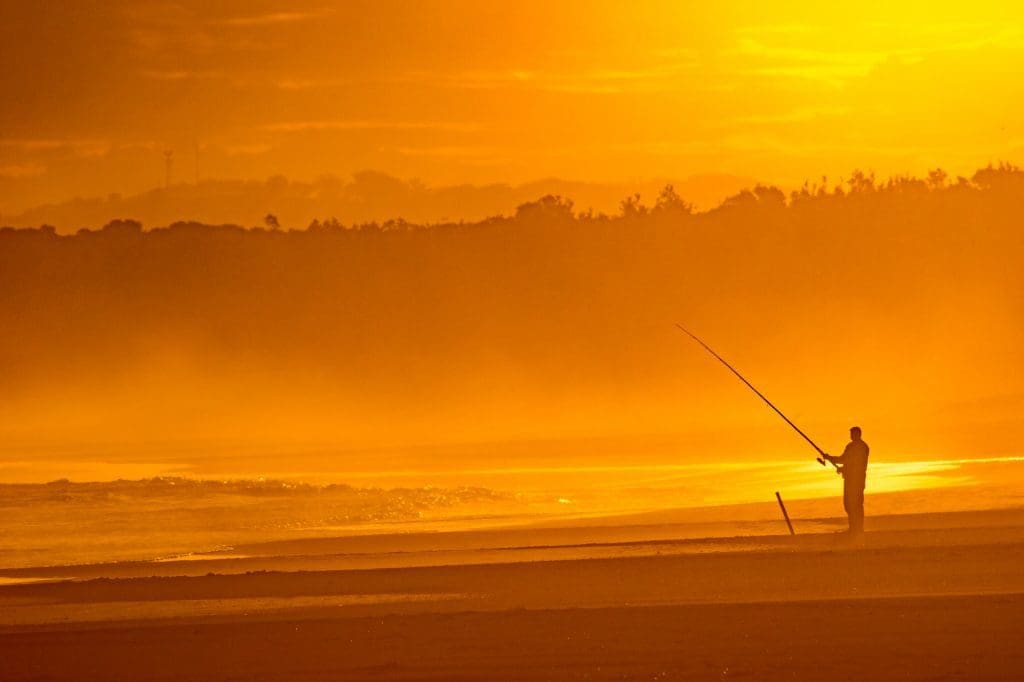
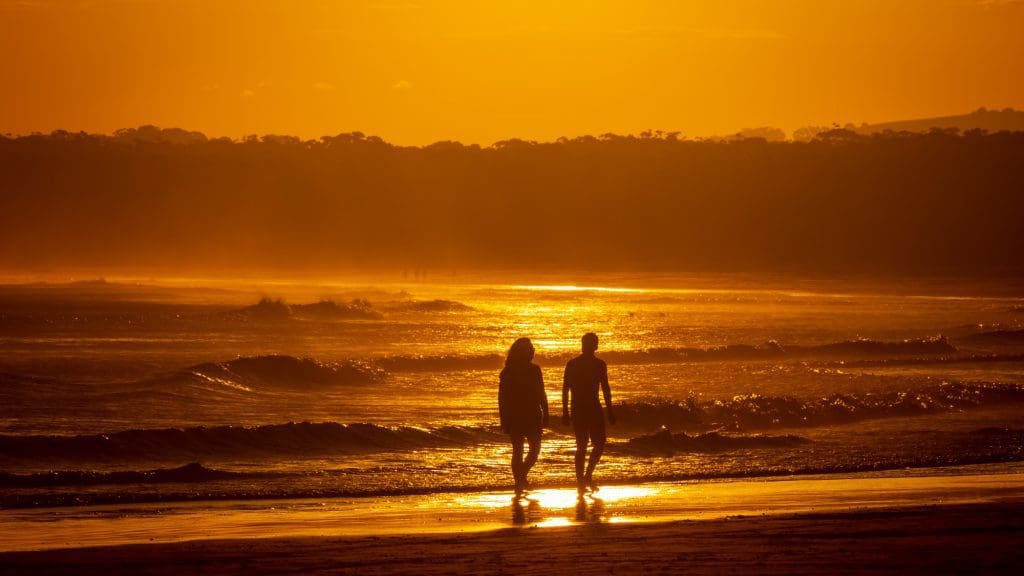
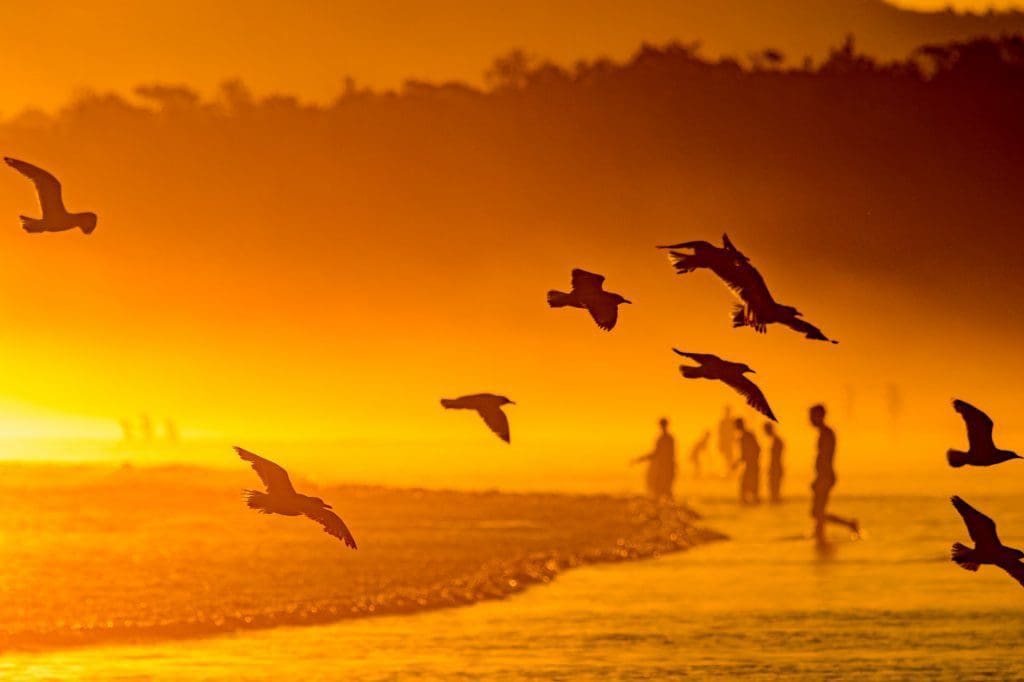
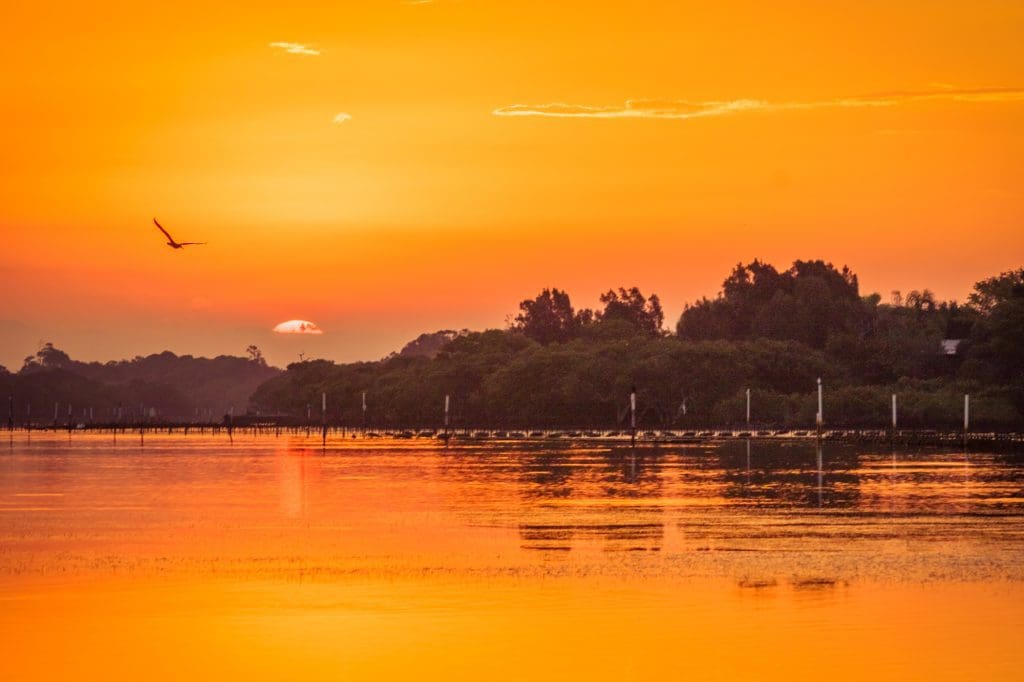
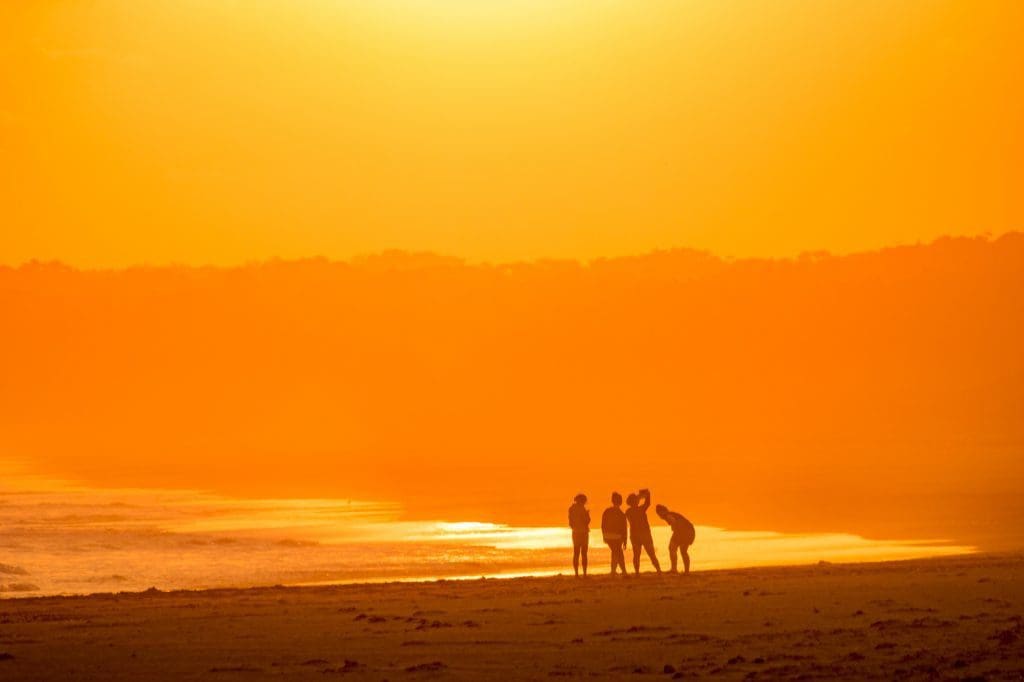
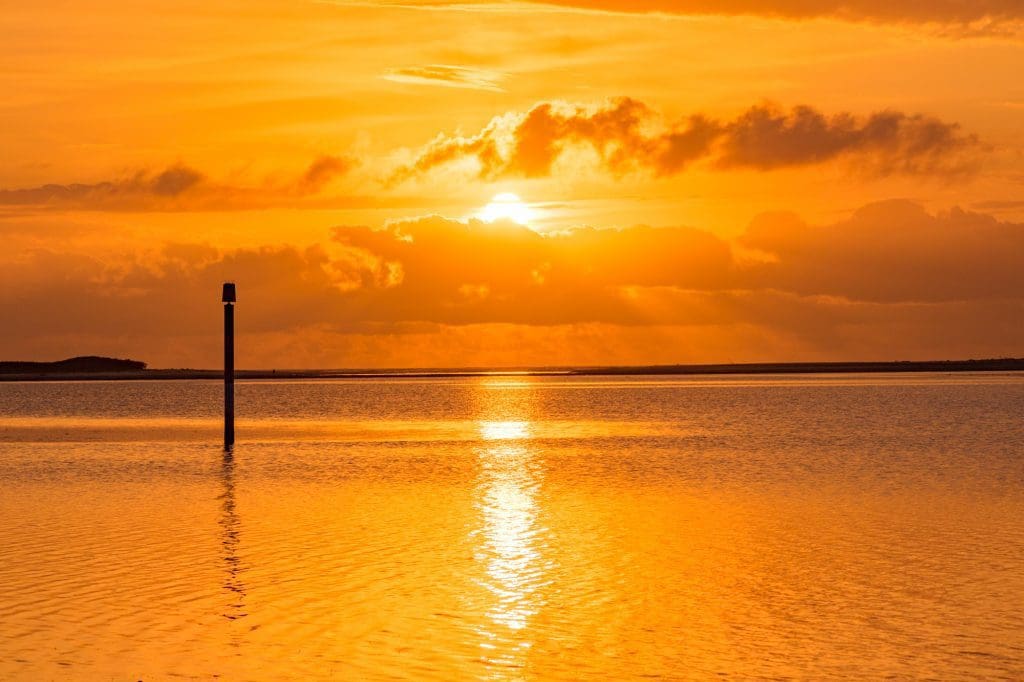
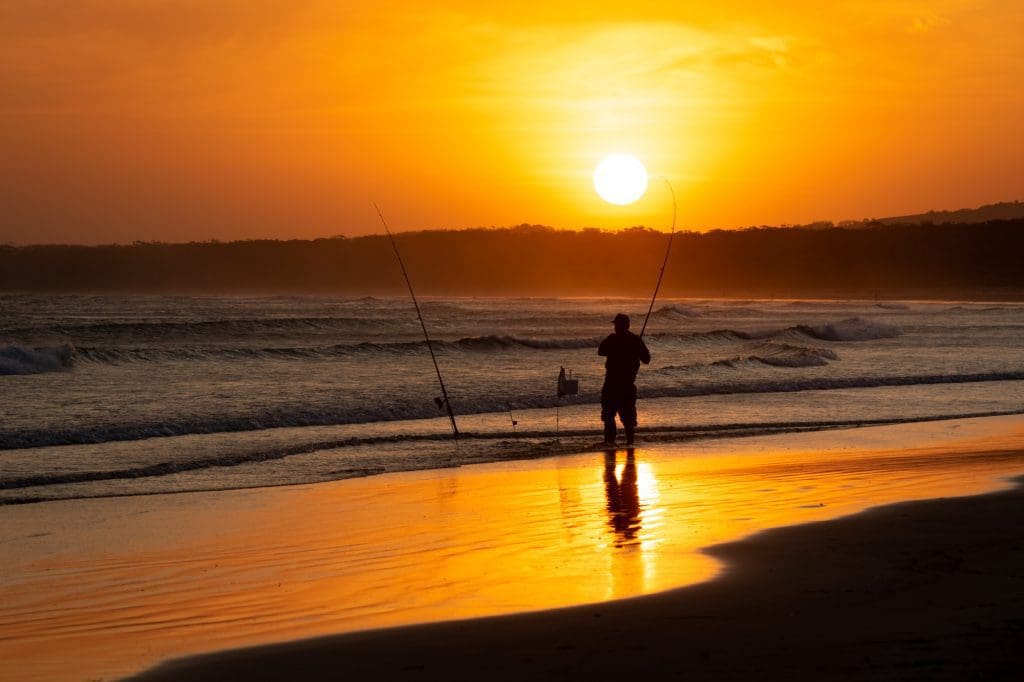
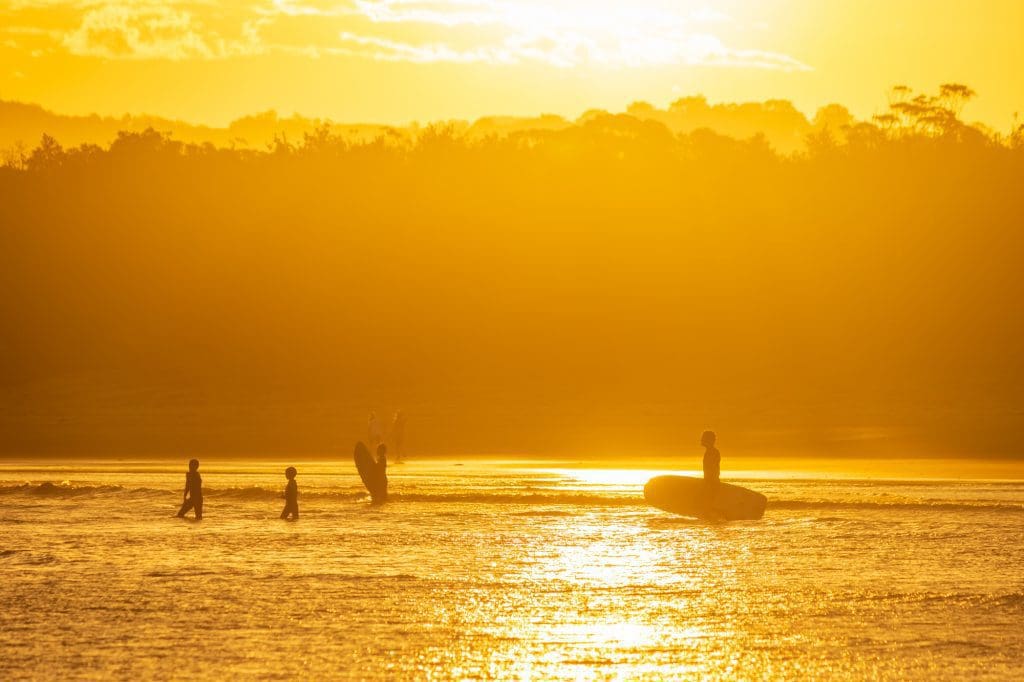
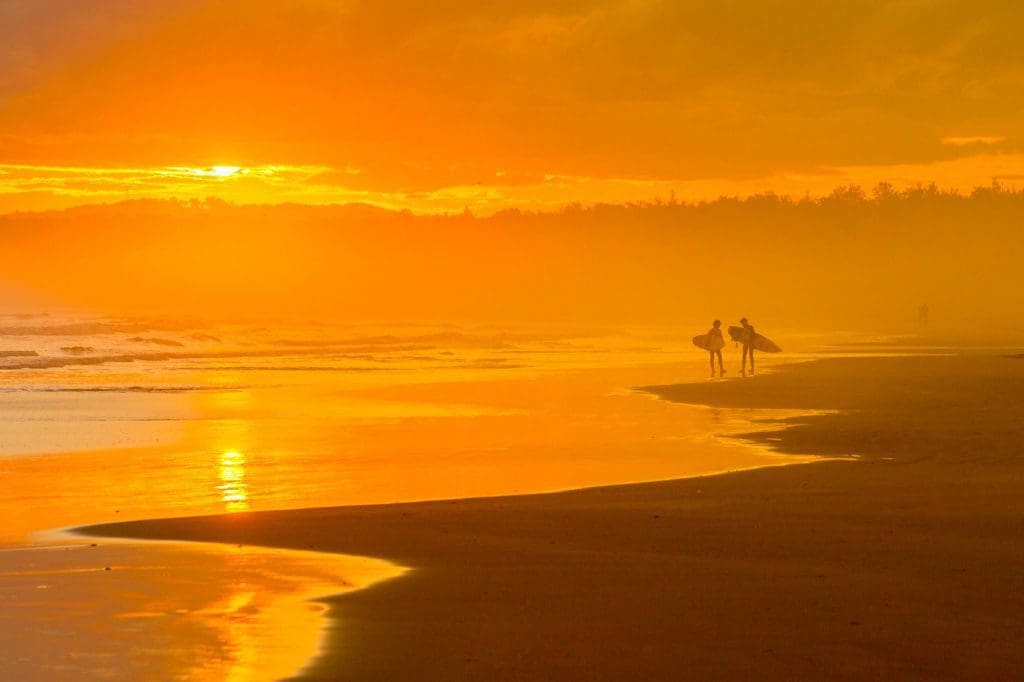
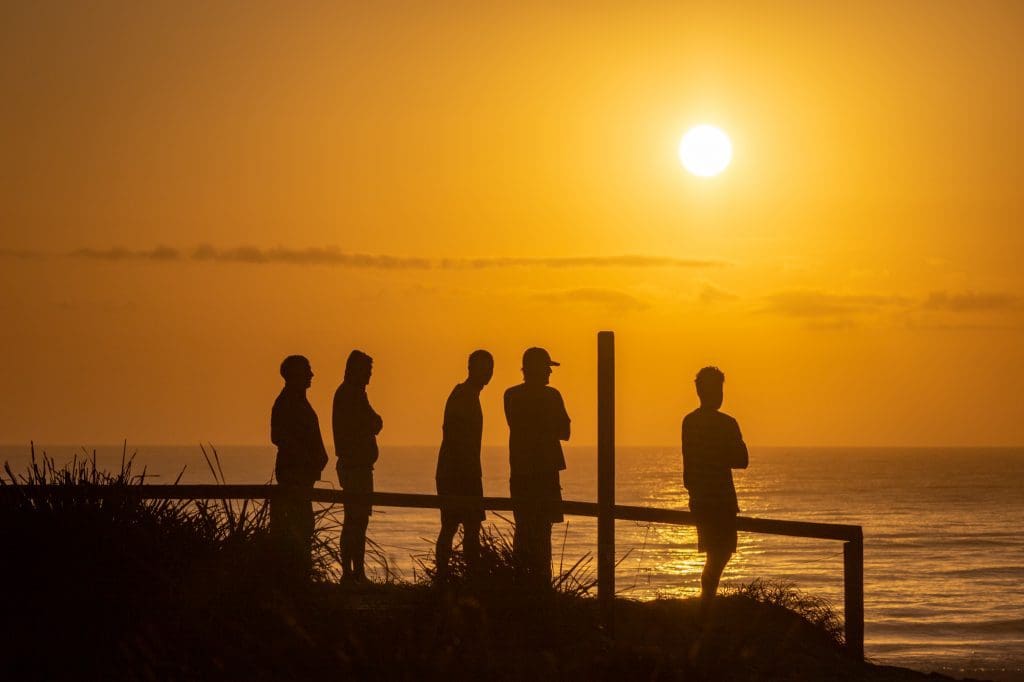
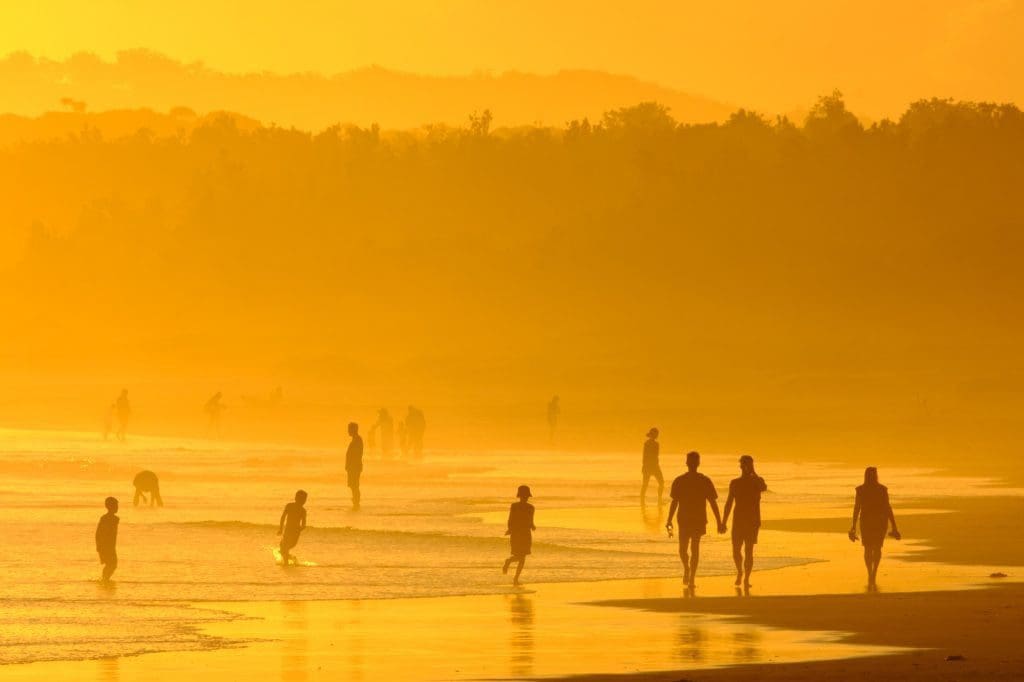
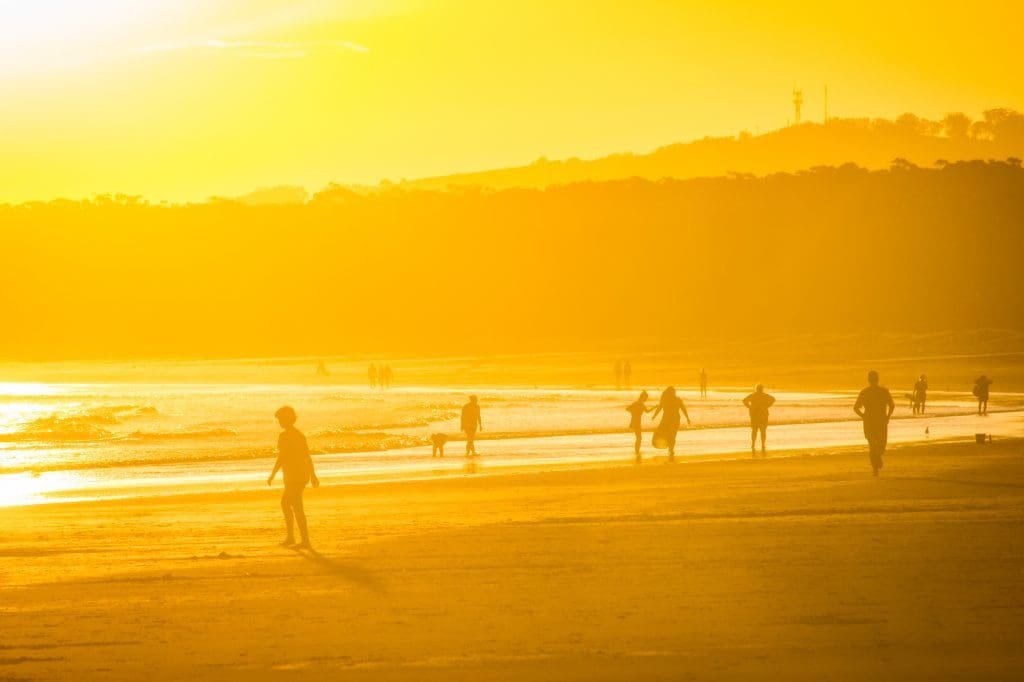
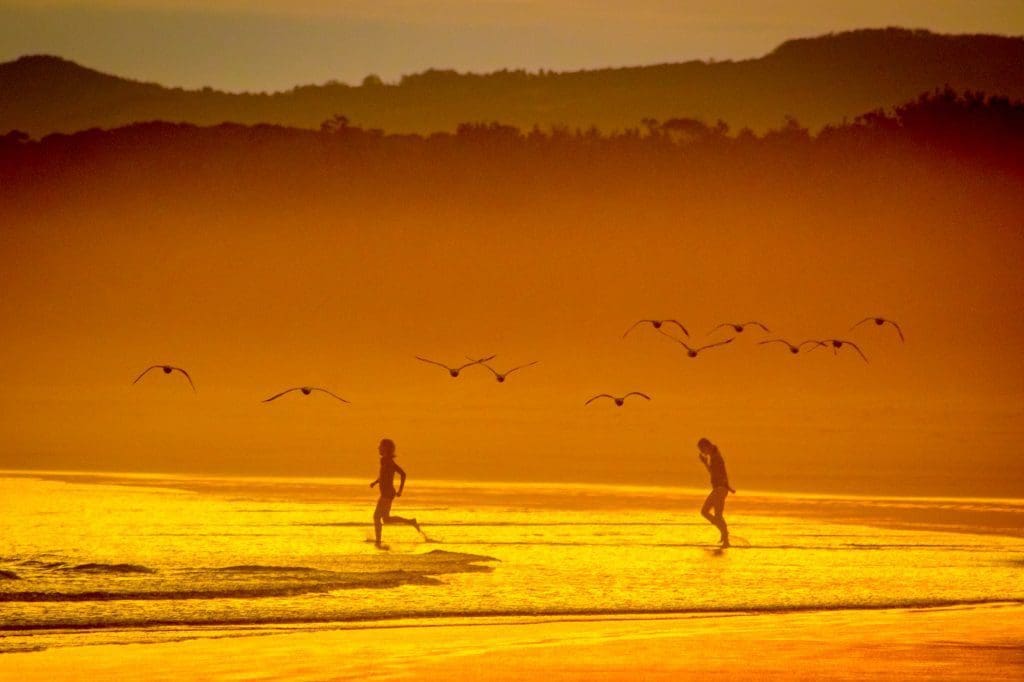

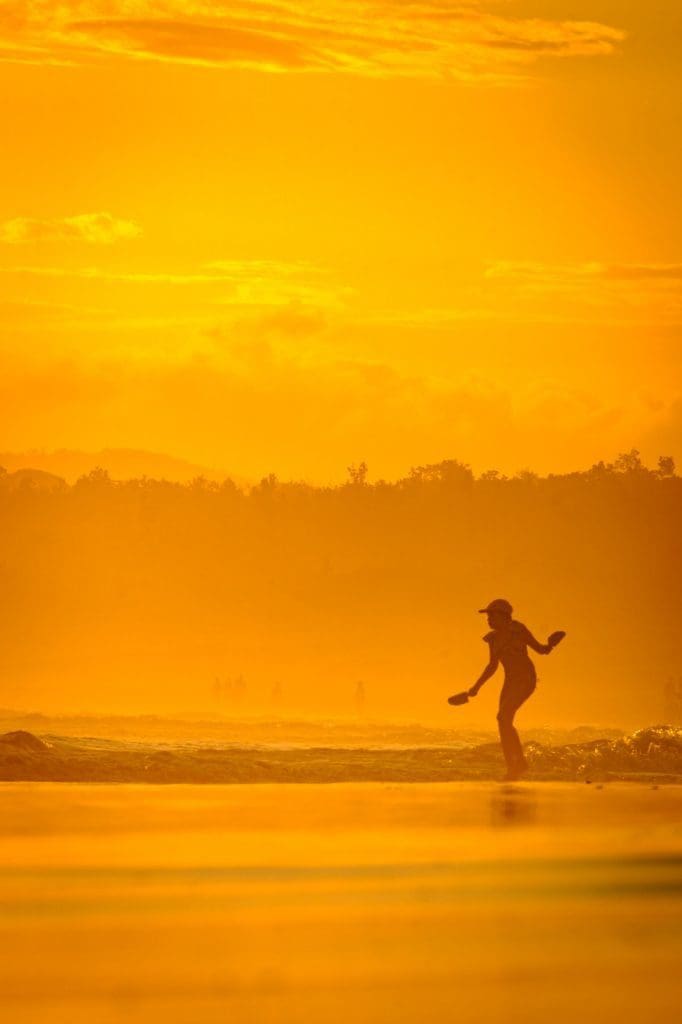
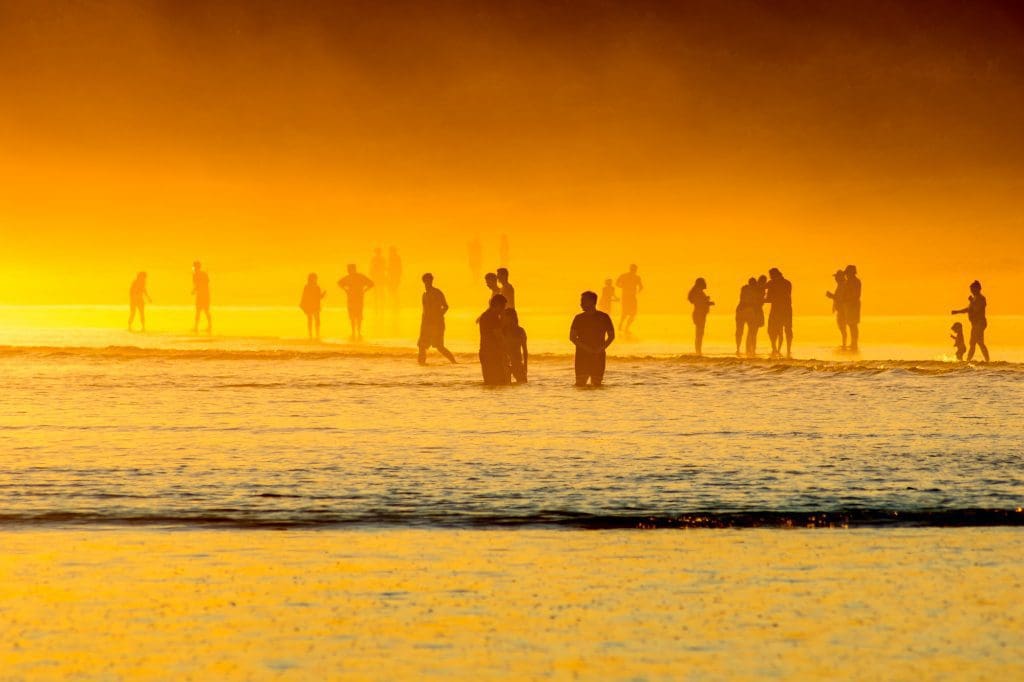
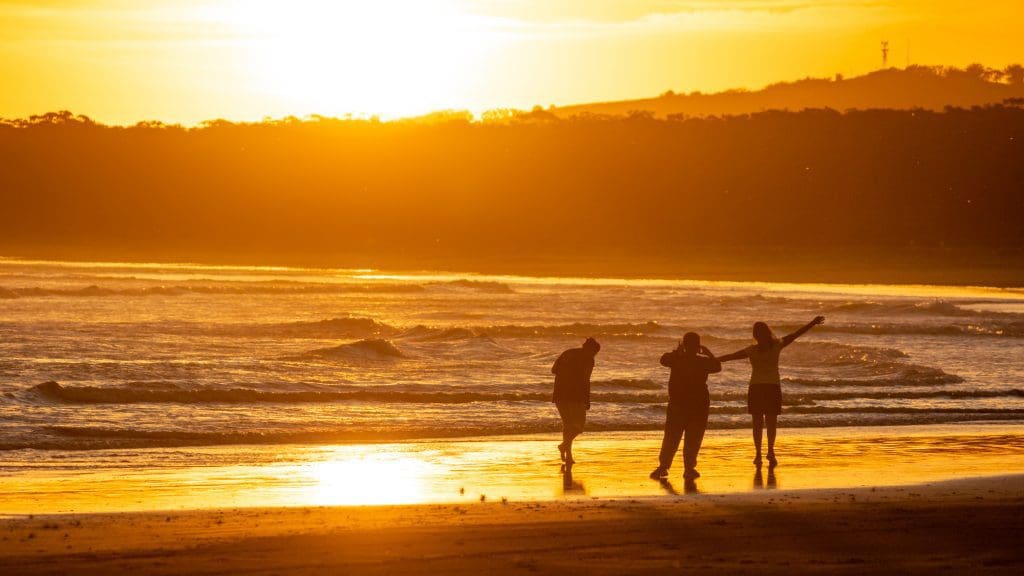
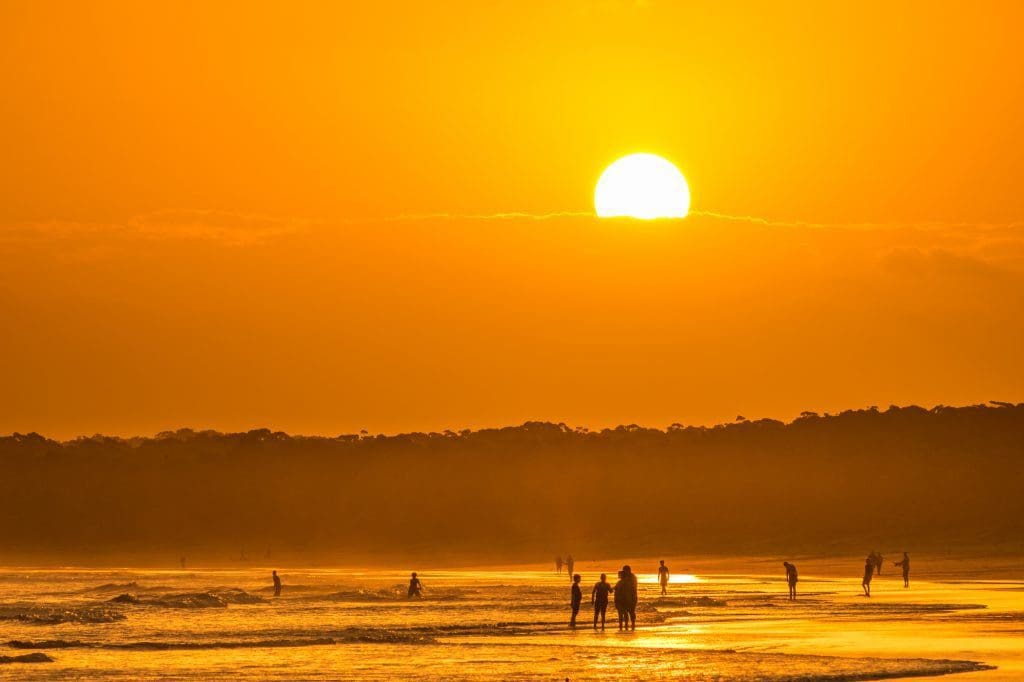
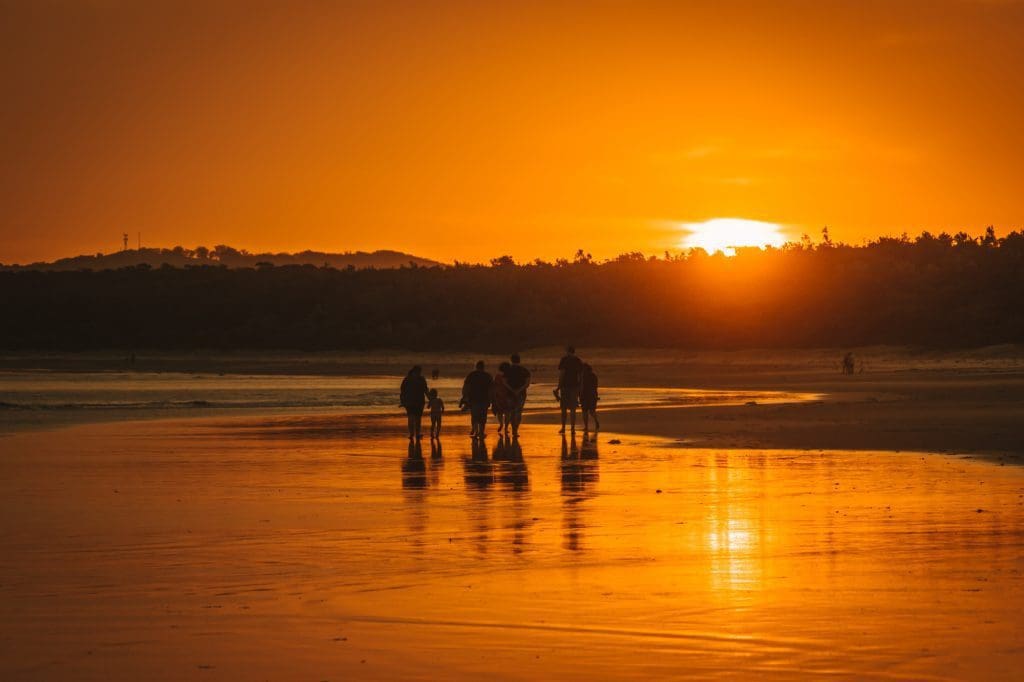
For me these photographs, taken over the course of many, many sunsets during those 14 years, have a distinct and almost illustrative feel to them which I really like. To me they represent how summertime feels in coastal Australia. I also think that they have a kind of street photography vibe to them in the sense that they are candid shots of complete strangers taken in a specific environment - it's just a beach that serves as the backdrop, rather than the city.
So there we have it guys. I developed a style despite actively trying not to and if you've been taking photographs for any length of time, you've probably developed one too - whether you're aware of it or not.
So dig out the archive, flick through the images and see if you can spot trends, themes or other photographic links that tie your shots together.
My first chance to get out with camera in the new year was the 12th of January. I took the opportunity to photograph a sunrise (my favourite thing) in my favourite style. These photos were both taken at Berrys Beach which is the non-official local name for mid-Seven Mile Beach. I visited this location more often than I normally would during 2020 because it was within my 5km radius and I would walk here with Catherine for exercise.


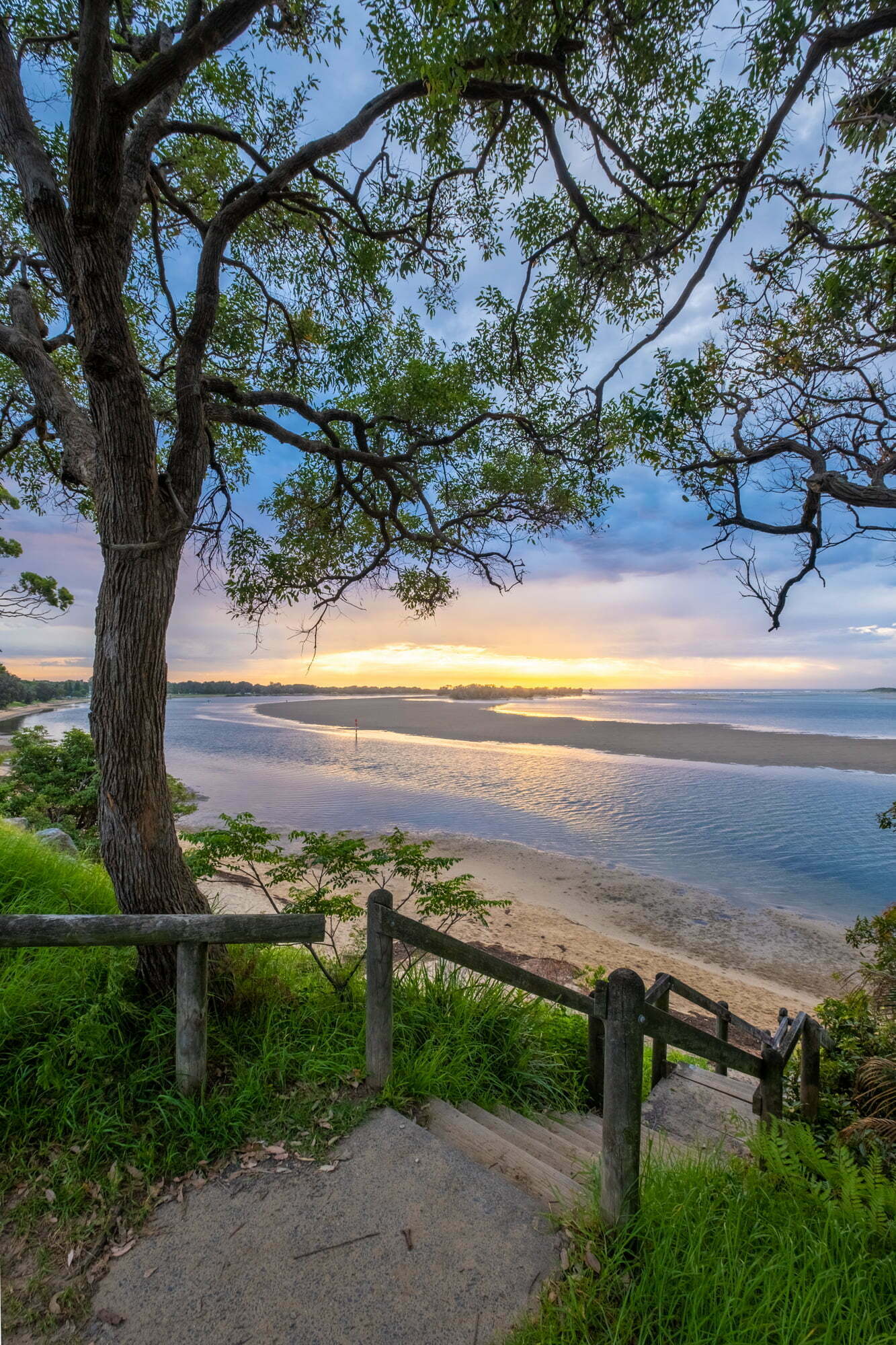

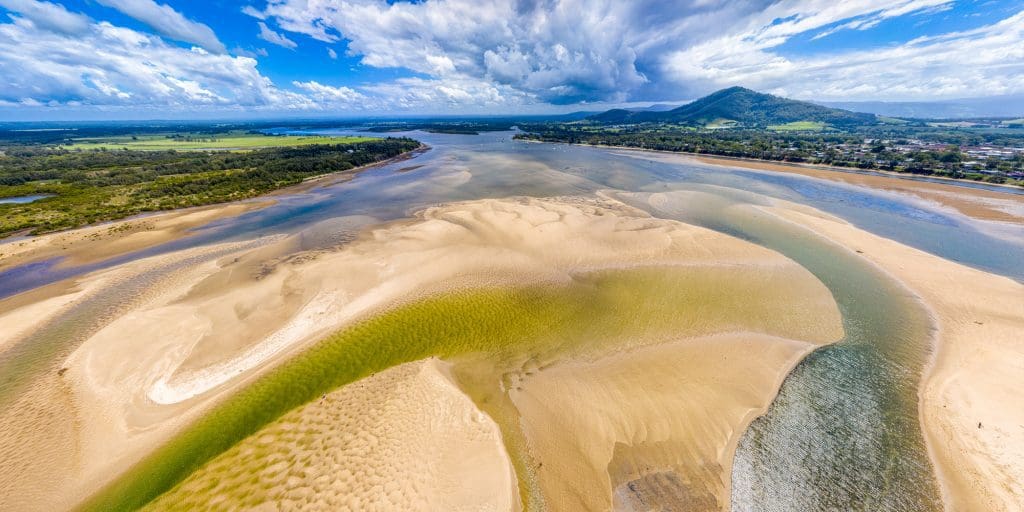
Looking through my archive of images, March and April were pretty quiet for me. The furthest I travelled in those two months was Kiama, which is a just 19km away. This was prior to a ban on travel outside your local council area of course.
Here in the Shoalhaven LGA we had it pretty good because our council region covers over 4700Km². It handily includes everywhere from Berry to North Durras taking in all of Jervis Bay, Kangaroo Valley, much of the massive Morton National Park, Sussex Inlet, Conjola, Mollymook, Murramurang National Park and Ulladulla. Compare that with Kiama LGA which is basically Kiama, Gerroa and Gerringong and covers just 250Km². And of course the Sydney LGAs are all tiny in comparison. So even with the council's locked down I could have travelled if I'd wanted to, but I didn't.
Late summer sunsets in Gerroa are often horizon-to-horizon golden light and that was certainly the case this year. I like shooting directly towards the direction of the sun because it throws everything else into silhouette.


During the autumn months I did actually travel slightly further afield. Catherine had to go into Sydney to finalise her citizenship and, with the appointment being early in the day, we decided to book into a hotel in the city. In the evening I explored the city from our hotel room with my long lens and then styled the images with a Cyberpunk look that I really liked.
About a week after the Sydney trip a massive east coast low developed in the Tasman Sea and spun up a massive swell which impacted the east coast. I went to Bombo to photograph the scene and got some amazing photographs and a cool video that I shot in 240fps slow motion.
There were also some lovely sunrise and sunsets in between which I was able to photograph at the nearby beaches.

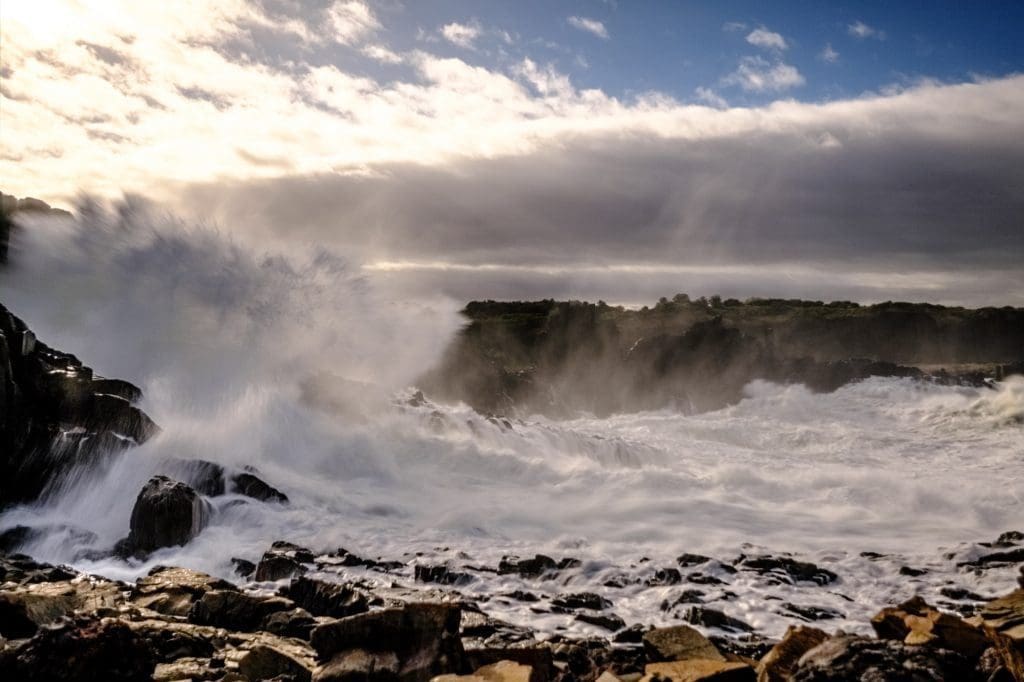
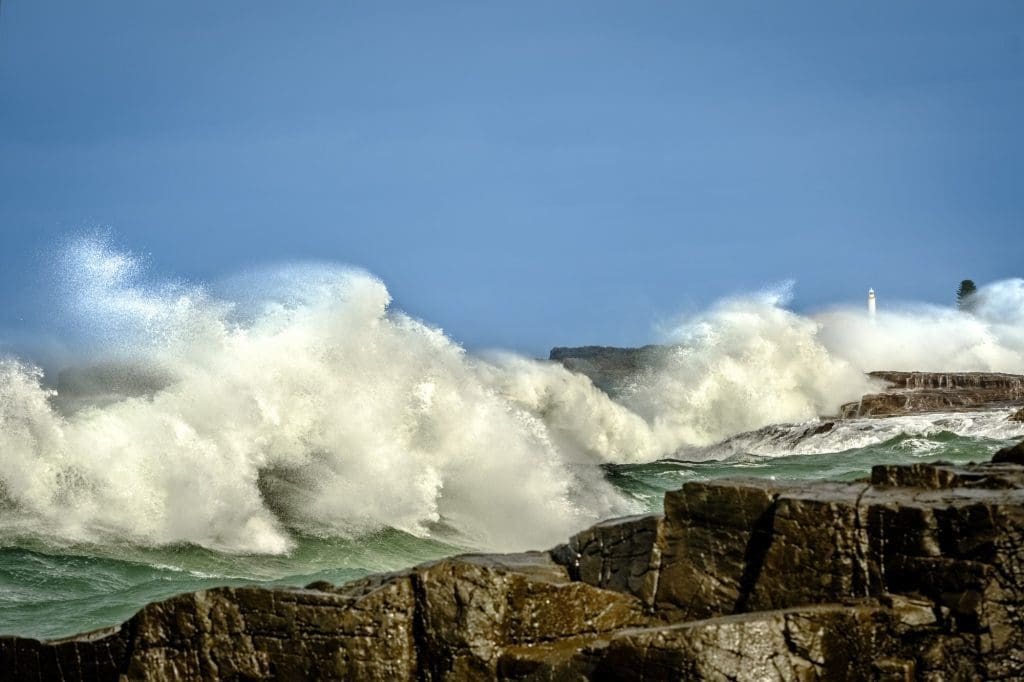
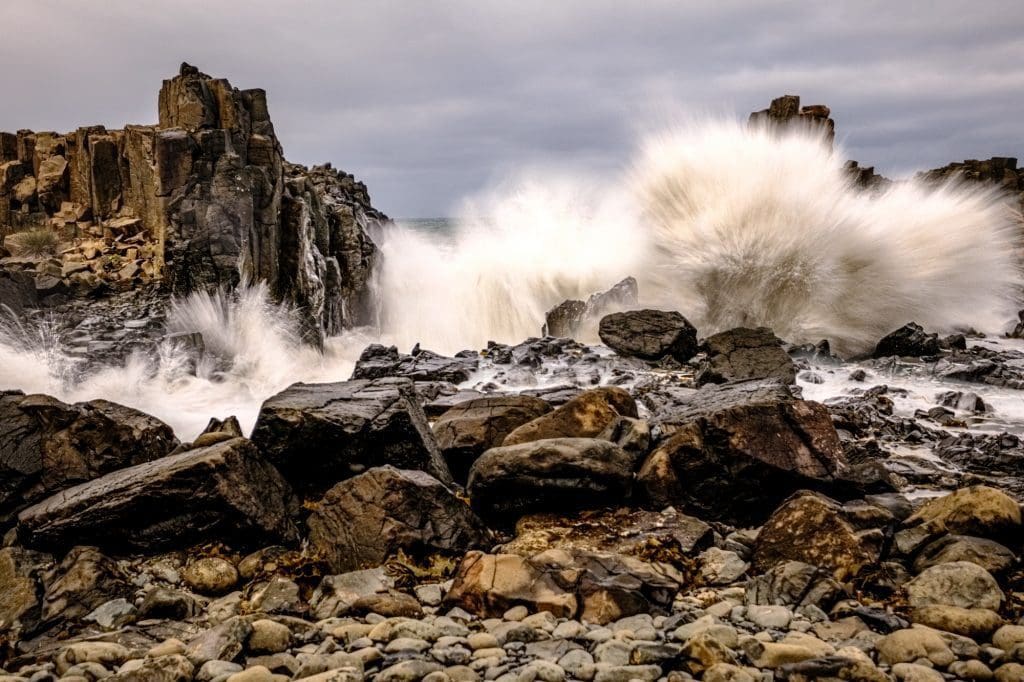
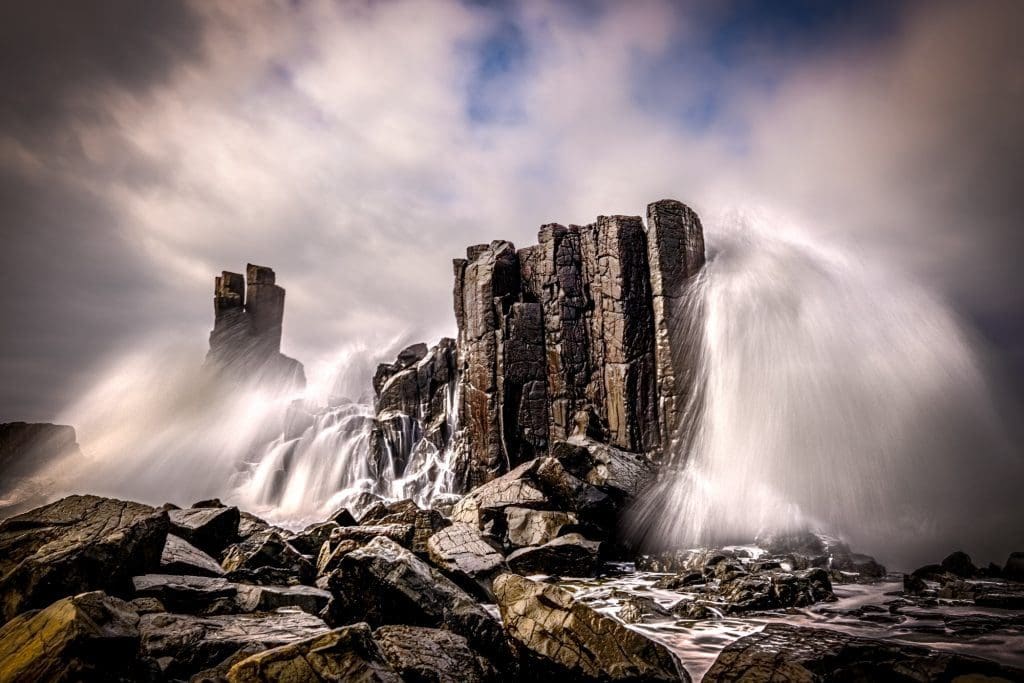
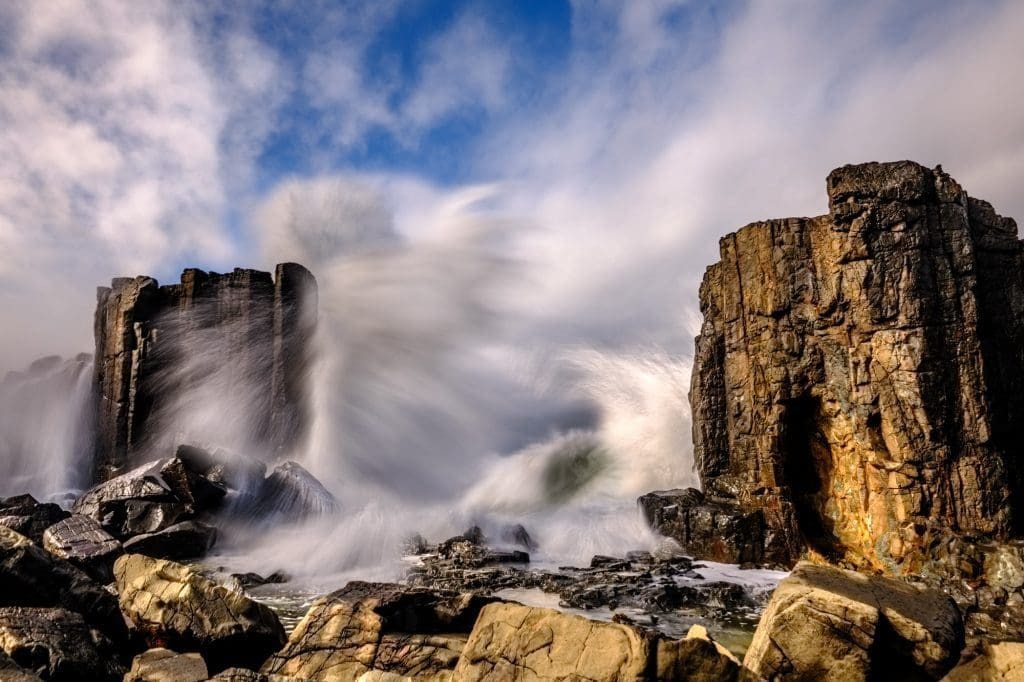


In the winter I scored some of my favourite sunrise/sunset shots. Movement was still heavily restricted at that time of the year, so the shots are all very local. I often find myself choosing the easy option when it comes to landscape shots and drive to my nearest beach to take the images and lockdown and my own anxiety contributed to that. But when I did go a little bit further I always enjoyed it and, if 2022 brings become some normality hopefully I'll start travelling properly again.
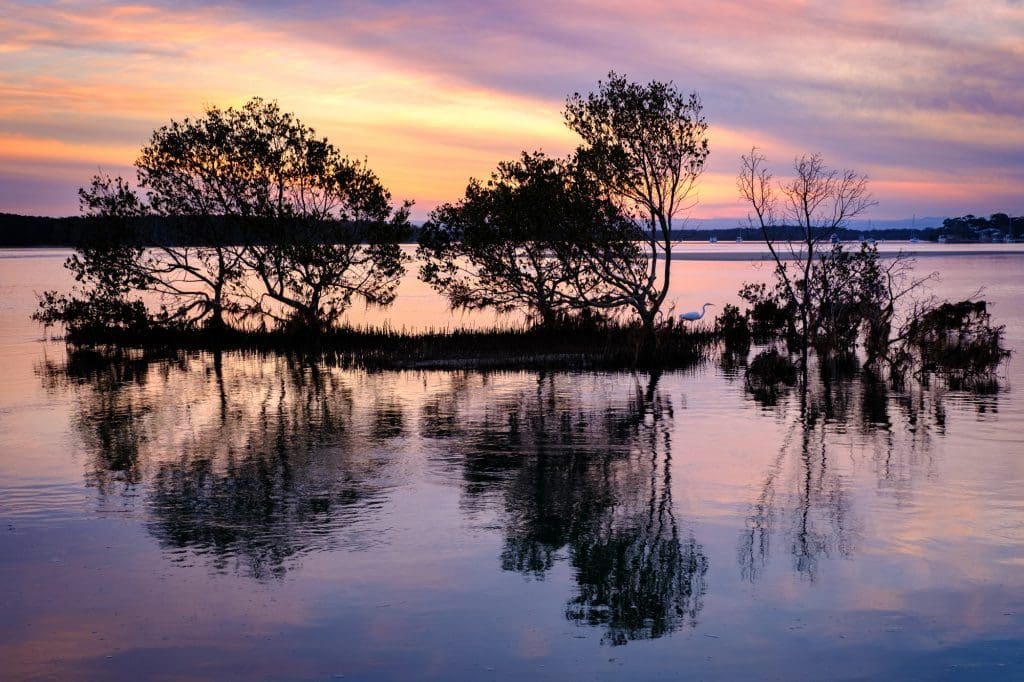


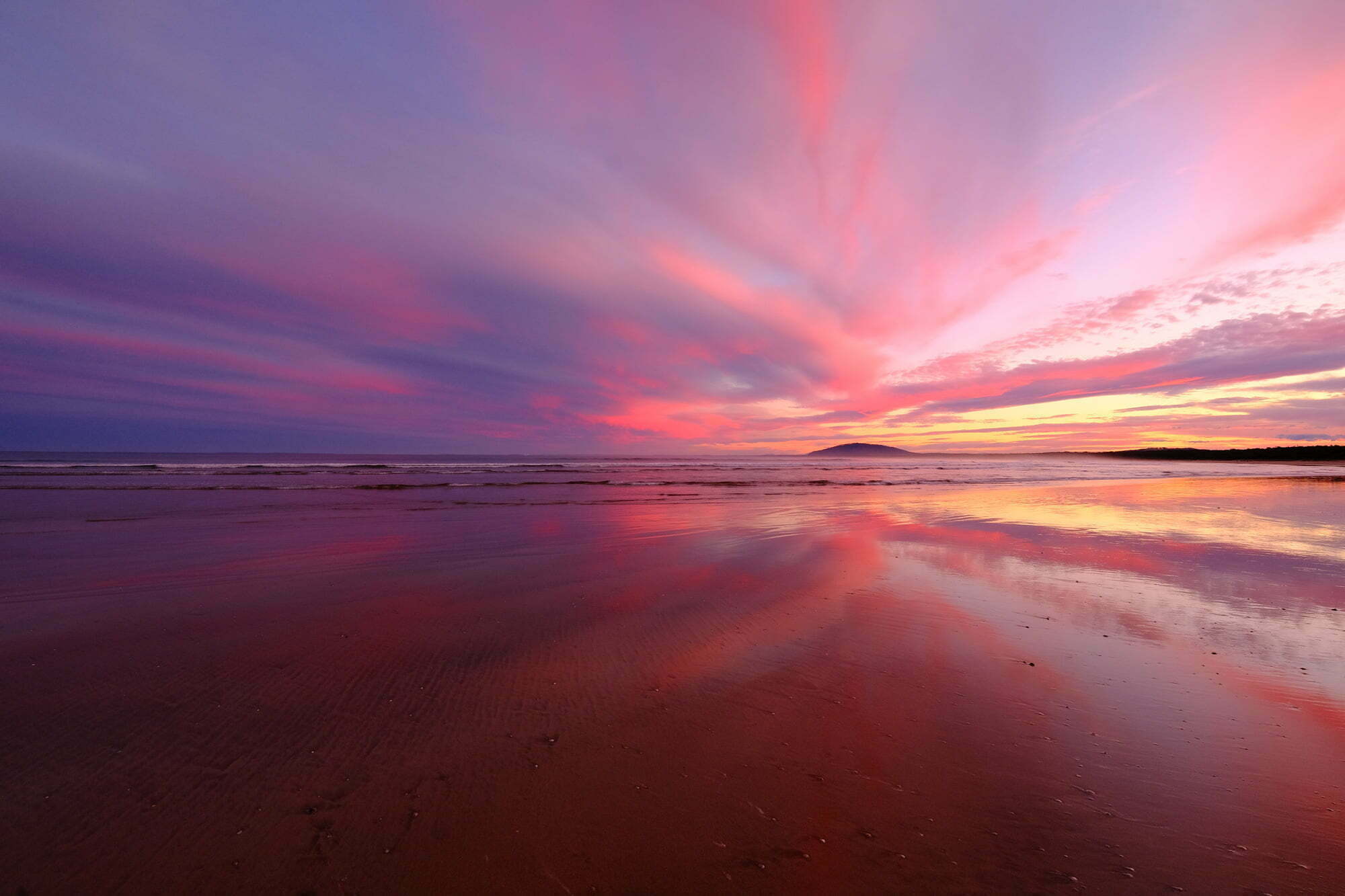


As autumn arrived it became apparent that the pandemic was a long way from being over, but our freedom of movement was improved slightly here when the state government ended the ban on moving between council regions.


As the end of the year rolled around we all thought we were done with pandemic related restrictions and started to celebrate and then Omicron arrived and took a huge great dump on the cake. Hey-ho. We're all getting quite used to this now though, aren't we.
The summer looked like being a wash-out thanks to a La Nina forecast promising a cooler and wetter end to the year and that's how it turned out. It started raining in October and it hasn't really stopped since. At least the dams are full again!
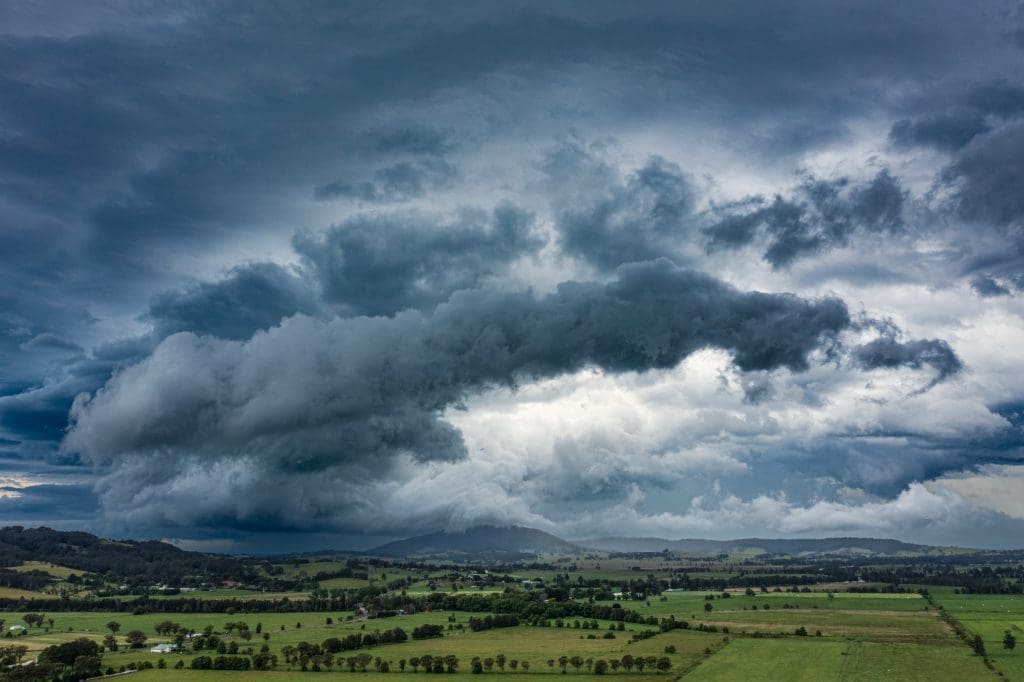


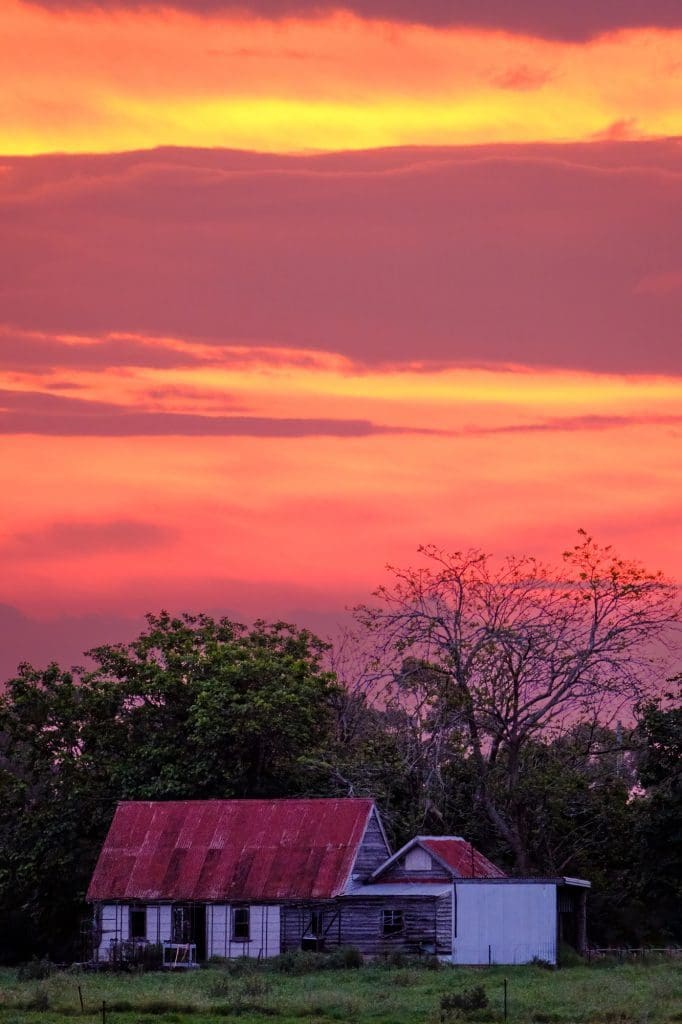


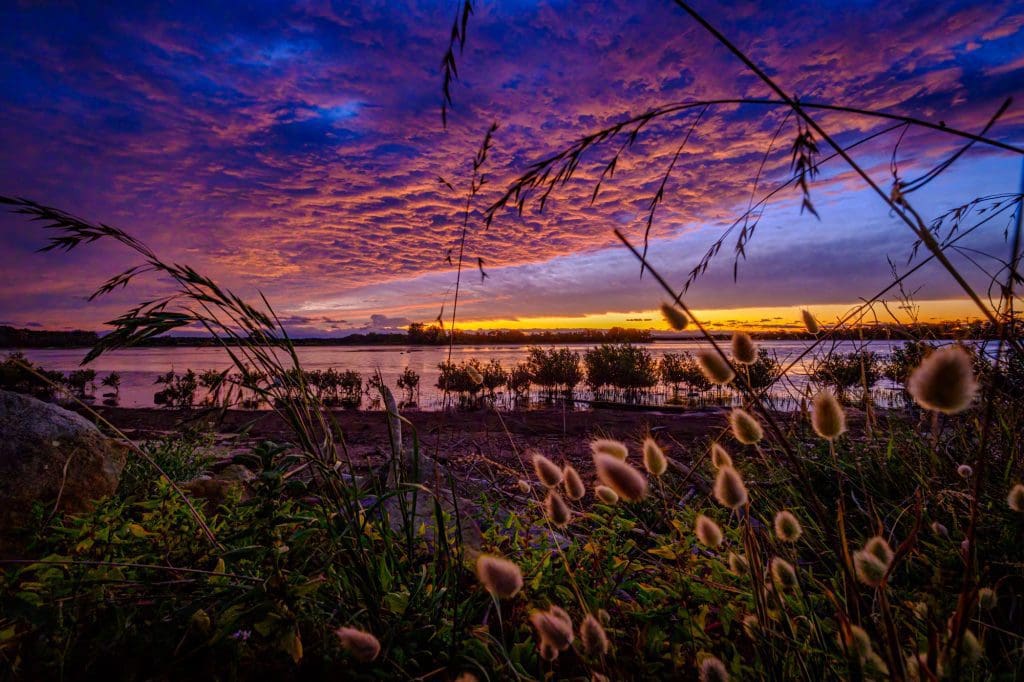
And that's a wrap. 2021 is now just another folder list in my Adobe Lightroom catalog and I am choosing to look forward with optimism to whatever 2022 holds. Watch this space ...
Like most new drone owners my first tentative flight took place in my back garden. I got everything set up as per the instructions, I read and re-read all the safety rules, I triple checked I’d attached everything correctly and then I hit the take-off button and it buzzed to life and rose a couple of feet into the air. As it rose above the ground my heart-rate just about doubled and I fiddled with the flight controls in a hesitant fashion before flying the drone up about 20ft in the air. My pool old heart couldn’t stand the suspense for long though and I flew it back down, landed it and carefully packed it back in its flight case before having a stiff drink to calm my nerves. It was about a week before I'd worked up the courage to try again.
Now I figured that this was just first-flight nerves and so for my next few flights I headed down to the wide open space of the nearby showground. Each time, as soon as it was in the air, my heart-rate rocketed. I talked to the missus about my performance issues and she kindly suggested it was just rookie nerves and that I'd settle into it after a while. Turns out I didn't. Every single time my drone rises elegantly up into the sky, I start shitting myself and I don’t stop shitting myself until it’s back on the ground and the rotors have stopped spinning. It’s even worse when I fly it over water. When it’s over land I can kid myself a bit and think ‘oh well if it drops out of the sky at least I can recover it’ but you do not get that luxury when it’s out over the ocean. If your drone decides to ‘fly away’, as they sometimes do, or a motor fails or a passing wedge-tailed sea eagle savages it – you’re fucked.
When I'm flying the drone, occasionally the video feed glitches or cuts out completely and I shit myself. I once used a non-Apple lead to connect my iPhone to the controller and it disconnected from my drone while it was 100m up, 300m away and flying over the Pacific ocean and I crapped myself. DJI don't help matters by flashing 'high wind - land now!' warnings on the screen every time there's a slight breeze detected by the drone.
I met up with a good friend not long after getting my first drone and admitted to him that I shit myself every time the drone was in the air and asked him when that feeling went away and he laughed and said, “It doesn’t.” He said he’d been flying drones for three years and he shit himself just as much today as he did on the first flight. He said that flying one into a wave and watching $2400 worth of kit sink to the bottom of the ocean didn’t help matters.
So know this – unless you’re sufficiently wealthy to not care about sending several thousand dollars flying up into the air where you control it with what might as well be magic – you will shit yourself. Welcome to the team. Bring sturdy underwear.
If you were to attend a dinner party and, if - in between courses - you were to climb onto the dining table, drop your trousers, squat and crimp off a log right there on the table - your steaming surprise would probably still be more welcome than a drone. The cold hard truth is that the only people that don't hate drones are the people that fly them and the junkies in prison who get their crack delivered by one.
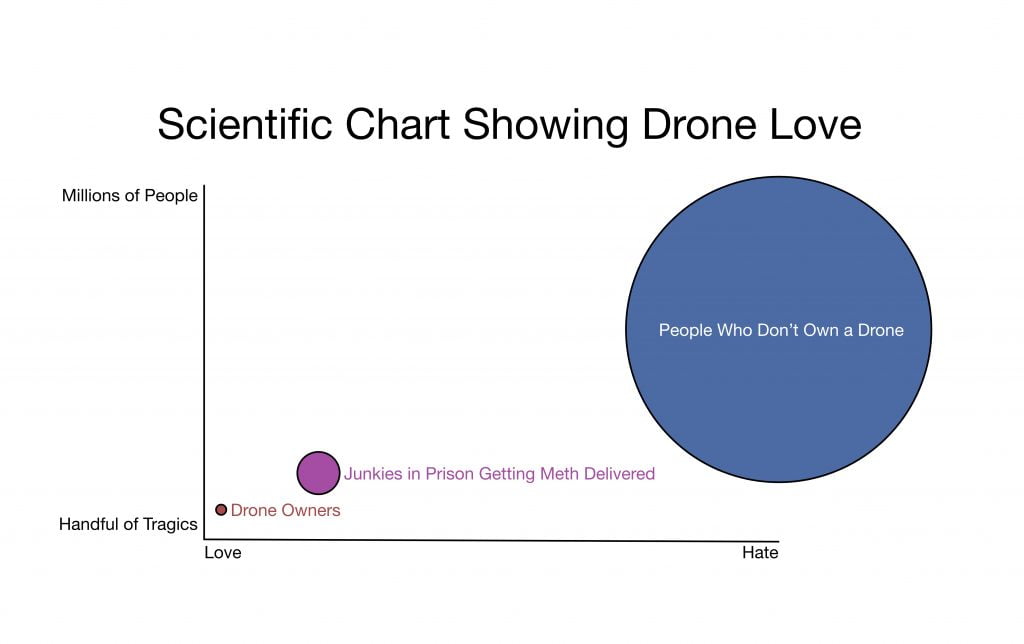
Why do people hate them? Mainly for a bunch of irrational and/or objectively incorrect reasons - but when has public hate ever been objective? I've never listened to any Nickleback songs, but I find it hard to believe they've written anything that really deserves the massive volume of crap that's been heaped on them for the last decade or so. It's trendy to hate on Nickleback and it's trendy, amongst a certain demographic to hate on drones. When pushed, the keyboard warriors who whinge about drones in community Facebook groups usually suggest that 1) they're noisy, 2) they scare wildlife and 3) they're used to spy on people. It's all bollocks of course, they're only noisy if they're hovering a metre away from your head, most wildlife couldn't give a shit about drones, and they're about as useful for spying on people as a Lamborghini Aventador is for tackling the Cape York Track during the rainy season.
But do not think for one second that you will ever convince anyone that drones are a force for good, that 90% of the TV shows and films they watch use them, that the emergency services save lives every day using them or that they've captured imagery of scenes, such as close-ups of erupting volcanoes, that would otherwise be impossible to photograph … because you won't change their minds.
Yes - everyone hates drones, but you know what they hate more? The folks who fly them. You're a pervert, a spy, a criminal, a wildlife hater, a geek and a hoon and you will be approached by people who will let you know all of the above. Middle-aged Karens and Kens in leisure-wear, struck by the righteous anger of the deranged and clueless, will shirt-front you and tell you exactly what they think of you. Yes, they are muppets but try and resist the urge to fly your drone into their face in sports mode.
When you first have the idea of getting a drone, you picture yourself using it to capture beautiful scenery and amazing landscapes. What you probably don't picture is a load of paperwork and form-filling and a set of regulations that make the rules of the road look like childs-play.
And to be honest, a few years ago it was a much easier hobby to enjoy. The rules of the sky that govern what aircraft can and can't do haven't changed much, but the attitude of governments around the world certainly has. So in many countries you'll now have to meet some licensing requirements, sit a test of some kind, pay an annual fee and register yourself and your drone.

You'll also discover that certain organisations, such as those that are charged with the care of certain parcels of land (both public and private), have banned drones completely. So for instance the US National Parks Service has banned drones completely in all 417 national parks, 23 trails, and 60 rivers they manage. Certain state park authorities here in Australia have also banned drones outright, as have similar organisations in the UK, Italy, France, Spain and countless other countries.
There are also a whole bunch of rules in every country around the world governing what you can and can't do once your drone's in the air and of course there are areas of restricted airspace where you cannot fly at all.
The bottom line is that, if you decide to fly legally, it's not as easy as just rocking up at a beautiful location and filming the landscape with your drone.
Obviously this depends on the drone model in question, but the simple truth is that as they have become more advanced, drones have also become much less robust. You could throw a football at a Phantom 3 and it would just shrug it off. Throw a football at one of the modern drones and it'll drop out of the sky faster than Superman in a kryptonite onesie.
Old consumer drones used to be quite modular and easy to repair, but that is certainly not the case now. As the gimbals have become more advanced, the cameras better and as the bodywork has evolved from glorified scaffolding, into spindly-legged wind warriors with advanced processors inside them, so they have become increasingly difficult to fix. FPV fliers are well used to fixing their quadcopters thanks to a modular design and engineered ruggedness, but repairing a Mavic 3 at home is a big ask.
So if you do crash your drone and you haven't invested in insurance such as DJI's Care Refresh package, you're looking at an expensive fix by a specialist repair company. It's also entirely possible, given the number of small ads selling drones 'for parts' that your drone cannot be repaired at all. So I have two bits of advice for this. Firstly, consider getting some insurance - and not necessarily DJI's Care Refresh. Secondly get used to the idea that you may well go out for a day of drone flying and come back with just your controller.
The drone groups of Facebook are often where drone dreams go to die. On a regular basis you'll see people advertising their drones to sell - not, they admit, because they're buying another one, but because it's just been sitting there collecting dust and simply hasn't been used.
Now I've been giving this a bit of thought and I think I know why this happens. People buy drones because they think they're cool gadgets and it will be fun to fly them. And when they get their drones they discover that they are cool gadgets and that it is fun to fly them, but that after that initial 'wow' period has passed, they're left asking themselves - what now? There's only so many drone selfies you can take before you lose interest. If it's the pure fun factor you're after, then you should get into FPV drones, not standard consumer drones like the DJI Mavic or the Autel Evo.
I strongly believe that unless you have a specific purpose in mind for your drone, above and beyond simply owning a cool flying gadget, then your drone will collect dust too. That interest might be photography, or film-making. You might make travel videos or documentaries. You might be a fisherman using your drone to drop bait beyond the break-zone at the beach. Or you might be a member of a drugs cartel using your drone to deliver crack cocaine and burner phones to inmates in a high security prison. People who do not have a specific purpose in mind will probably grow bored with their drone, sell it and chalk it up to experience.
I'm no conspiracy nut, but the fact is the authorities here in Australia and elsewhere around the world are increasingly able to scrutinise most aspects of your life and your drone is no exception. Thanks to incidents like the Gatwick drone debacle, companies like DJI co-operated with governments to allow for the scrutiny of drones. With equipment that DJI supply, the authorities can track your drone and its controller and therefore you. If that bothers you, then don't buy a drone.
I'm a semi-professional landscape photographer. My definition for semi-professional incidentally is someone who treats it like a job, devotes a huge amount of time and energy to it, but makes less than the guy on the French-fry machine in Maccers for doing it. But I digress. I got my drone because I like taking landscape photographs and making arty landscape inspired films and also travel films for my other YouTube channel - link's up there. I'm also usually on my own. Now this is partly because I'm autistic and have severe ADHD (not an edgy joke I really am autistic) and I don't really do collaborations or, you know, have friends and stuff. But it's also just easier to please yourself and set your own agenda without having to incorporate someone else's requirements into the scenario.
What I didn't foresee when I got my drone is that I would have to choose between it and my camera. For instance if I'm out shooting a nice sunset at the beach, then I have to decide before-hand if I'm going to use the drone and when I do I spend the whole time wishing I could take photos with my camera. And when I decide to just take photographs with my camera I often regret not having the drone in their air to capture the scene from an aerial perspective. It's a conundrum with no simple solution.
I have managed to do both on a few occasions, by getting the drone set-up before-hand and then flying it for a bit before returning to my camera, but it forces you to rush things and when you rush things you make mistakes. Getting your drone set-up, flying it into positions, taking your shots, flying it back, bringing it down and packing it up all takes a considerable amount of time. I don't want to get all artsy about it, but it also messes with the creative process and turns photography into quite a functional thing.
Regulations regarding things like airspace and rules that mean you can't fly your drone anywhere near people or buildings and stuff have an impact on how much use you can get out of your drone, but the other huge factor is the weather.
Rain, snow, strong wind, and extreme heat and cold all mean you can't fly your drone. Admittedly the current crop of consumer quadcopters can handle surprisingly strong winds without too many issues, but unless you get a Splashdrone, they're sure as shit not waterproof. They also have a limited operating range in terms of temperatures.

For instance the official limitations on temperatures for DJI's latest drone, the Mavic 3, are between -10° and 40° C (that's 14° to 104° Fahrenheit for my non-metric friends). Now certainly here in Australia, and particularly since our species is in the process of slowly roasting our planet, that 40º figure is a bit of a worry. And remember that we're talking 'operating temperature' here - not just the ambient air temperature.
If you work during the week and only get the chance to use your drone at weekends then the days on which it's possible to fly your drone will be quite limited, particularly if you live somewhere that gets a lot of precipitation, wind or both.
One of the white lies that people often tell themselves (or their partners!) when they get a drone is that they'll use it to earn a bit of money. The most popular money-making pipe-dream is of course real estate photography.
Unfortunately you quickly discover that your local realtors have been approached by several thousand drone owners over the years and the world-weary person in the shiny suit has heard it all before. Realtors tend to use just one person for their aerial photography, usually an established local photographer and you offering to undercut their pricing will make not tempt them because they have a well-oiled routine with their existing aerial photographer. If you walk in off the street to offer your drone photography services to a realtor, then the fixed grin with which they greet potential home purchasers will fade quicker than the budget fake tan they've applied to their faces. It's certainly the case around here that realtors have also discovered that flying a DJI drone is really fucking simple and they've simply started taking their own photos, cutting out the middle-man completely.
Other side-hustles that virgin drone owners imagine they'll earn money from include things like wedding and event work. This is a really hard gig to fight your way into and you will undoubtedly also need expensive public liability insurance, a full drone licence with extended accreditations, and a high quality portfolio of prior work before you even get considered for this work. You might feel that your Mavic Mini produces great footage, but you'll also need a drone that shoots in a log video format at the very least. Consider also that shooting weddings and events is a high pressure situation and there are no do-overs. Ask yourself if that's really something you want to put yourself through?
I guess there are several reasons why people do upgrade their drones, some perfectly logical, some not so much. The most obvious one is that some people just have to have the current model of whatever consumer device they own. So they stand in line for the latest Google Pixel or Apple iPhone, they switch out the graphics cards in their PCs like Chinese Bitcoin miners and they put their current DJI drone on eBay the second the release date of a new model is announced.
I don't understand this behaviour, but it's their money and if they want to bleed a few grand every year, that's their choice I suppose. And actually if you think about it, they're almost functioning as a kind of charitable enterprise. Folks who regularly update their devices (whether they need to or not) lower the cost of entry into drone ownership. People who aren't bothered about owning the very latest DJI drone and might not able to afford a new one snap up their old, perfectly good ones for a bargain price.

Another reason people upgrade their drones more regularly than they really need to is our old friend FOMO - fear of missing out. Global technology companies like Apple, DJI, Sony and Samsung are masters at seducing us all with the amazing new features that can only be found on their latest device. More memory! Faster! Smaller! We then start worrying that our perfectly good existing device is somehow lacking, when it almost certainly isn't.
These days the legion of photography and film-making YouTubers do most of the hard work for companies like DJI and those channels loyal subscribers eagerly watch their visually splendid but often unreliable reviews. And I'm certainly not taking the high ground here or suggesting that I'm immune to the marketing efforts of these companies - I feel that FOMO pang every time DJI release a new drone or Apple a new iPhone.
There are of course plenty of perfectly valid reasons to upgrade your drone. I think my reasoning for switching from Phantom 4 to Mavic 2 Pro was a sensible and measured one. I was shooting a lot of photography and video out in the national parks and it was a royal pain in the arse lugging that bloody huge suitcase sized Phantom 4 case with me. I did get a P4 backpack but there was no room for the rest of my kit, so I reverted to lugging that foam case around with me. When I got my Mavic, I could put it inside my main camera backpack with everything else and it was convenient and practical. I've made some dubious decisions over the years but upgrading from Phantom to Mavic certainly wasn't one of them.
All of which brings me round to the recently released Mavic 3. I was interested to see what exactly DJI would come up with this time around and what new features and improved technology they'd add to the Mavic range. I am in no way dissatisfied by the quality of the images and video my Mavic 2 Pro produces and I knew that DJI would have to do something particularly innovative to have me even considering upgrading.
And fortunately for my bank account and for the on-going harmonious relationship with my good lady wife 'er indoors, there was absolutely nothing in the Mavic 3 that had me checking the prices online. This is probably just as well as I when I did find out what DJI are charging this time around I felt a painful tightening in my chest.
When I was looking at the specs of the Mavic 3 I wondered to myself how far we've actually come in terms of the technology. Now I should preface this by saying that my interest in drones relates purely to the photos and the videos they produce, not to the speed, the range, the various feature modes or the styling. But did you know that that the Phantom 3 had 4K video, a stabilised three axis gimbal, collision sensors and 25 minutes of flight time, back in 2015? Have a look at this video - remember to watch it in 4K. Gorgeous right?
That was shot on Phantom 3 Pro nearly 7 years ago. Is the footage produced on the Mavic 3 really that much better? Sure dynamic range might be better and there may be better low light performance but the vast majority of people, the folks who sit at home and watch videos on YouTube are highly unlikely to notice any difference whatsoever - particularly since far and away the most popular resolution on YouTube is 1080p and also since the vast majority of people watch those videos on their smartphones. Us camera dorks and drone geeks might buy into DJI's bullshit about Hassleblad colour science, but nobody else gives a flying fuck. All the punters care about is content.
The Mavic 3 has a claimed 45 minutes of flight time, but the real-world tests I've seen would suggest it's actually not substantially better than the Air 2s. It also has a claimed range of 15km - but so what? If I fly legally here in Australia then I'm supposed to keep drone in my line of sight at all times. So the range I can legally use it is actually about 200 metres at best. If you have a full licence and a beyond-visual-line-of-site certification, then you could legally use it, but otherwise it's all a bit pointless if you're a law-abiding drone flyer.
Of course I'm taking the piss a bit - we all know full well that most drone owners fly beyond visual line of sight pretty much every time they put the drone in the air - you know it, I know it, DJI know it and you can guarantee that CASA (or the airspace regulator in your country) knows it too. And me? Oh I always keep my drone within visual line of sight … always …
I'm a pretty nervous flyer anyway but if I was legally able to fly beyond visual line of sight then, purely theoretically speaking, the maximum I'd ever have the nerve to send my drone would be about 2 kilometres. Over the ocean. Probably only about a kilometre over land. Theoretically speaking. In all honesty, it seems to me that the massive transmission ranges on drones are good for just two things - for farmers checking on their cattle and for gadget-heads making range videos on YouTube.
So the Mavic's got improved range most people can't legally use and better colours nobody will notice, what else is there?

Well, it can shoot 4K at 120fps. This is a nice feature for sure and definitely useful for filming action stuff like surfing or moody b-roll footage. My Mavic 2 Pro can do 4k at 30fps, 2.7k at 60fps and 1080p at 120fps all in 10-bit. And you know what - the only video mode I've ever used on my drone is 4k at 24fps. I dare say I'm not alone in that regard either - slow motion's great for producing wank-tastic marketing footage for drones - and maybe for rap videos - but other than that I suspect most people just shoot at 24, 25 or 30. While we're on the subject, that DJI fan-favourite - the Mavic Air 2S can do 5.4K at 30 fps, 4K Ultra at 60 fps, 2.7K at 60 fps or 1080 at 120 fps also in 10-bit which seems like a much more compelling package to me. If, and I hope I'm not tempting fate by saying this, my Mavic 2 ended up at the bottom of the Pacific and I got an insurance pay-out the Air 2s is undoubtedly what I'd get in preference to the Mavic 3.
So I guess in terms of video modes, it's a nice incremental upgrade, but not the sort of thing that's going to get me waving wads of cash in front of Mr DJI's face screaming SHUT UP AND TAKE MY MONEY!
Then there's that zoom lens and if anything ever screamed - unfinished bodge job - this is it. I have to assume that the engineers at DJI ran into technical difficulties they couldn't resolve before the Mavic 3's hard release deadline rolled around. The footage produced on that weird little second camera is awful at anything other than the default optical 7x zoom and you have no control over the camera beyond some basic exposure tweaks. Oh and in picture mode, it only shoots JPEGs, not RAWs.
You have to hand it to DJI though - turning their obvious development failure into a feature and christening their unfinished zoom camera 'Explorer Mode' is a fabulous bit of creative marketing. It's a bit like if GoPro had called the catastrophic mid-air failures of their Karma drones 'Sudden Descent Mode'.
What else is new on the Mavic 3? Well, there's a greatly improved collision detection system, APAS 5 which, ermm, won't be available until some time in 2022 when DJI release a firmware update. Oh and all of the Quickshots and Mastershots - those gimmicky modes that only seem to get used by travel influencers on holiday in Bali - those are missing too until the firmware update. So I guess the software engineers stuffed up as badly as the hardware engineers. Don't suppose there are going to be too many Christmas bonuses floating around Shenzhen this year. But if ever a product reeked of 'unfinished' and 'rushed to market' the Mavic 3 is it.
Like the Mavic 2, the Mavic 3 comes in two flavours - your basic model and the Cine version. The basic model is $600 more expensive than the Mavic 2 here in Australia at $3100 or $4200 for the Fly More combo which comes with two spare batteries and a backpack you'll probably never use. And the Cine version is an eye-watering $7200 here in Oz.
So let's talk about that Cine version. In terms of drone hardware the one and only difference is internal storage capacity. On the basic version you get 8Gb and on the Cine you get 1Tb - that's it for the hardware - no improved cameras, no larger batteries, just a larger internal SSD. The Cine package does come with the swanky RC Pro remote controller which has a lovely bright 1000nits display. Which sounds great, but it's bloody expensive value-added feature. Most people use their smartphone with their drone controller and so by way of comparison my iPhone 12 Pro's display is 800nits, the new iPhone 13 display maxes out at 1200nits and the Galaxy S21 goes all the way up to 1500nits, so screen brightness isn't a huge advantage even if convenience is. All of which brings us around to the last point of difference between the basic and Cine packages, which is ProRes 422.
Now if you're not someone who shoots a lot of video with mid to high-end camera equipment you might not have heard of ProRes. It's a video codec, like MP4, H264 or HEVC, and it was developed by Apple for use with their video editing software. It's been widely adopted by camera manufacturers all over the world and is a high quality, lossy video compression format. ProRes comes in various flavours with varying degrees of compression, and bit rates and therefore quality. ProRes 422 is the most commonly used variant and this comes in vanilla 422, 422HQ, 422LT and 422Proxy flavours. The version that DJI decided to endow the Mavic 3 Cine with is the highest quality variant - 422HQ.
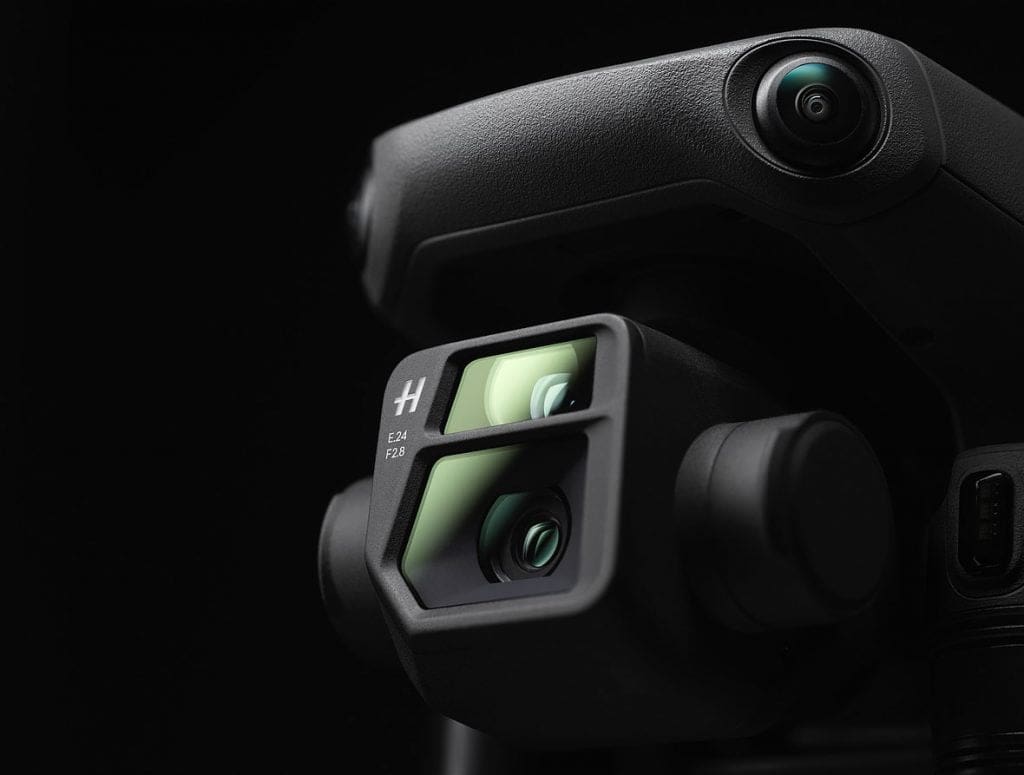
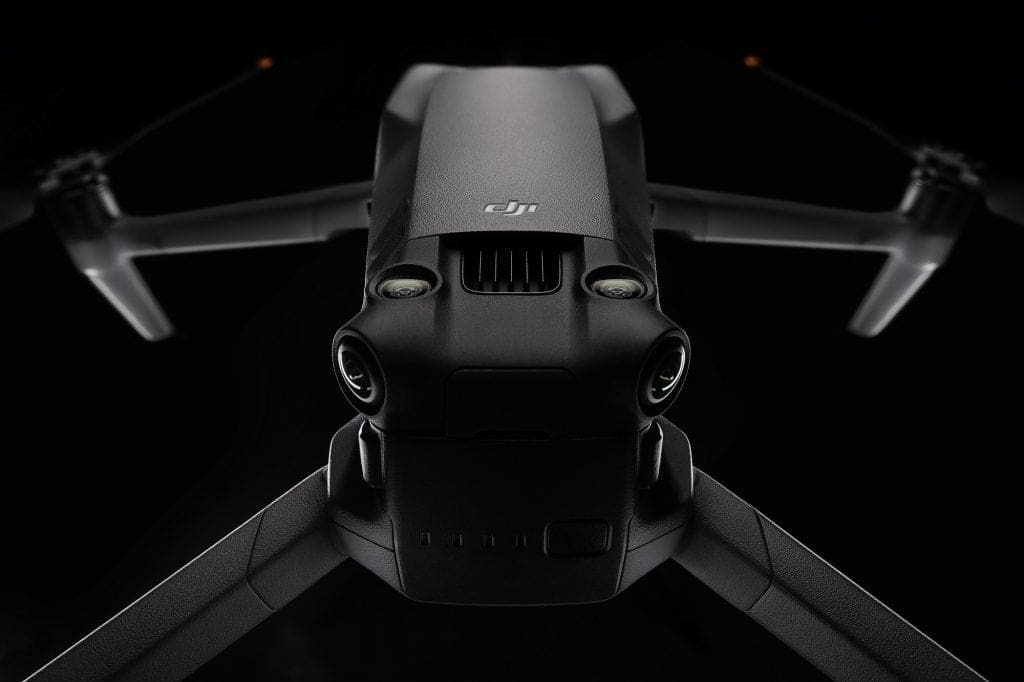
The problem is that 422HQ produces massive video files and that is why DJI had to stick a 1Tb SSD inside the drone - SD cards are not fast enough to cope. So it's not like they sat around at a planning meeting and made the measured decision to stick a shit-tonne of internal memory in the Mavic 3 Cine - they did so only because of the honking great video files that 422HQ produces.
The use of 422HQ is an interesting choice, particularly since DJI decided to only offer 422HQ. If you're charging $4000 more than the base model for a glorified controller then I don't think it's unreasonable to include standard 422 or the more compressed 422LT formats particularly since they're marketing this Mavic as a tool for professionals. Why not give people the choice?
In reality the big upgrade to the DJI consumer drone range's video system came with the transition from 8-bit to 10-bit. 8-bit gives you millions of colours and 10-bit gives you billions. And you get 10-bit video in the Mavic 2 Pro (but not the 2 Zoom), the Air 2 and the Air 2S. The Mavic 2 Pro has a honking great 1" sensor in it, as does the Air 2s. I know we're talking about the Mavic range here, but the Phantom 4 Pro has an ultra 4K mode and shoots in 10-bit at 100Mb/s.
The thing is - as I pointed out earlier - most people will not have a clue that you shot your footage in ProRes422 on your Mavic 3 Cine, or in 10-bit D-Log H265 on your Mavic 2 Pro or indeed in good old 8-bit MP4 on a Phantom 3 Pro.
Are you shooting wildlife specials for the BBC Natural History unit? No? Then you probably don't need ProRes422HQ.
I sell b-roll video footage as a side-hustle and 8 of my 10 most popular video clips were shot on my old Phantom 4. In fact there's a bit of footage I shot on my Phantom 4 at nearby Jervis Bay which has been used by the National Geographic and Travel channels, Channel 10 (here in Australia), Tourism Australia, Visit NSW and countless other companies and agencies. It's a 4K clip and I didn't even shoot in log format because the P4 didn't have log - it uses DJI's own Cinematic format.
The new Mavic does have some other improvements such as a supposedly improved vision system. Clearly they are trying to take away Skydio's single point of difference which is AI based computed collision detection. How successful they've been in that regard nobody knows because as we know, the new APAS 5 isn't coming out for a few months.
And how important is collision detection anyway? I don't know. I can only tell you that I've never flown any of my drones into anything. What I do - and feel free to use this technique yourself, is - I look at the drone in the sky or on the screen in the controller and (this is the clever bit) if there's something in the way, then I fly around or over that thing - rather than into it. Try it yourself - it works every time.
The seven grand price tag of the Cine version puts it firmly in pro territory and not far short of DJI's Inspire 2 with a Zenmuse X5S on it. Admittedly the Mavic 3's a much more portable package, but we're talking about professional film-makers here and portability is usually not their main consideration. Given the choice between a Mavic 3 with its shonky zoom lens and an Inspire 2 with a Zenmuse camera on it, complete with interchangeable lens system, 5.2K CinemaDNG RAW, Apple ProRes, a dual battery system and a master/slave controller setup for separate pilot and camera operator - I know which I'd go for.
So are you thinking of upgrading your drone to the new Mavic 3? Did you win on the scratchies or something? Are you afflicted with a terminal case of gear acquisition syndrome? I think the Mavic 3 looks like a fine and lovely drone - of that there is no doubt. But even if I was buying a drone for the first time then I'd still probably opt for the Air 2s. And as for upgrading, I have seen nothing that offers a really compelling reason to upgrade from a Mavic 2 Pro, Air 2, Air 2S or from the Phantom 4 Pro for that matter. Not hardware, not firmware and certainly not price tag. Let's revisit this subject next year when the Air 3 comes out!
That obsessiveness, as it pertains to photography, also extends to our online presence. You only have to look at the sheer number of photo-focused online communities and portfolio sites to realise that every photographer is searching for the perfect showcase for their images and there is a long line of companies willing to take our money in attempting to provide it. Inevitably therefore, photographers shuffle remorsely between online systems, trying them out, dipping a toe in the water, exploring the feature-set and then abandoning them.

I've been showcasing my photographs online for nearly as long as the worldwide web has existed and there aren't many photographic hubs or online portfolio services that I haven't used. Like all of us, I was looking for somewhere to showcase my shots, to connect with like-minded photographers and to perhaps make a bit of money selling prints or other merchandise. I've been on DeviantArt for over 20 years, Flickr for 18 years and I first signed up for 500px in 2010. In between I've tried YouPic, EyeEm, Webshots, Zenfolio, Pixoto, Behance, Instagram, Picassa, Vero, FineArtAmerica, Photobucket, Facebook, 1x, Irista, Pinterest, SmugMug, Unsplash and Tumblr. And there's probably the same again in long-forgotten services that I had brief bursts of enthusiasm for, but which failed to survive in the cut-and-thrust photo-sharing sector. And while I will always sign up for the latest shiny photo-sharing service, I realised a decade ago that the only way to get a portfolio that worked the way I wanted was to build my own.
I launched my first portfolio website in 2001, hand-coded in HTML with more than a little help from my wife who's been developing websites since 1997. In 2003 I launched my first database driven site, built on an ancestor of WordPress called PHP Nuke and in 2006, I built my very first WordPress site. Over the years my site has changed as technology developed and trends ebbed and flowed, but I have made my WordPress site the heart of my online presence for over 15 years now. I am of the firm belief that building your own site, on a platform like WordPress, is far and away the best option for photographers and I would like to explain why.


There are many compelling reasons why a WordPress site is the best option for a photographer and they all have merit, but for me the single best reason is control over design. If you sign up for an account with 500px or Flickr then your photographs get displayed in exactly the same way as the tens of thousands of other photographers on the site. If you choose a middle-ground and create a site on Squarespace, Zenfolio or Wix, then you're still stuck with the themes that they supply and have limited customisation options using a rigid toolset of their own design. But if you build a WordPress site then the options are limited only by your imagination.
WordPress is famous for its theme engine and rightly so. Themes meant that people with no design chops could create and manage great looking websites and if they wanted to mix things up, freshen up the place and switch out the theme then they could do so in a couple of clicks. Pretty soon a vibrant theme marketplace sprung up and it was possible to buy an endless array of specialised themes that looked the way you wanted. And while themes are still popular, and a great starting point for anyone that's new to WordPress, they are really yesterday's technology. These days you are far better off using a page-builder system to roll-your-own design and create exactly the look you're after. This is referred to as Full Site Editing (FSE) and it makes themes redundant.
There are several popular pagebuilders on the market, including Brizy, Beaver Builder, SiteOrigin, Visual Builder, Divi but the most popular by some margin is Elementor. All of these pagebuilders have advantages and disadvantages, but the one I have the most experience with is Elementor. In fact I used Elementor to create the entire design, structure and back-end build of my site before its most recent update. But, before you rush off and download Elementor and start building your own site, I have a few words of caution.
The first big problem with Elementor is bloated code. Yes, you can create great looking sites with it and the interface is brilliant, but your site will probably index poorly in Google's search engine rankings because it will be full of extraneous code. It's easy to go crazy with Elementor designs and to embelish the build with additional plugins, but you will regret it once the implications of your decisions become apparent. The other big problem with Elementor is content portability. I speak from bitter experience here, because I had to manually extract the text and photographs from over 500 blog posts in order to put them into a standard WordPress format on my new site design. If you keep things simple, then Elementor is still a decent choice, but it's far too easy to step outside WordPress standards and create pages and blog posts with heaps of embedded formating code. So what's the alternative to Elementor, Divi and the rest of them? I'll get to that in a bit.
Having your own WordPress site means that you are in full control of every single facet of the site, from the permalink naming structure of your articles, all the way through to the fonts you use for your captions. With that website housed on your own domain and living on your own server space, nobody can interfere with it, take it down, mess with the layout or even pull the site offline completely. If you opt for a free portfolio on Flickr, a feed on social media or even a paid subscriber service like Squarespace, then you categorically do not have the last word in what happens to your site. If Squarespace goes bust, there goes your website. If Flickr decide to limit galleries to five images of either African or European swallows, you have to go with it. If Facebook pulls the pin and takes your page offline (as recently happend to me), then there is absolutely fuck all that you can do about it.
If you buy your own domain, rent yourself some server space (it is no more expensive than a subscription to a portfolio site) and build out your own site then you will always have total and complete control over the site and everything that comes along with that - email, databases, analytics, logs, comments, advertising and content. I have long argued that putting your own website at the centre of your brand is the single best way of protecting yourself from the whims of corporations. There is nothing stopping you from also having an Instagram feed or a Facebook page, but if you build a website and keep it up to date then you can weather any of the storms.
I have long argued that putting your own website at the centre of your brand is the single best way of protecting yourself from the pedantic whims of corporations. There is nothing stopping you from also having an Instagram feed or a Facebook page, but if you build a website and keep it up to date then you can weather any storm.
I was never too concerned about my search engine rankings because my website was a blog first and foremost and photography was not how I earned my living, but you might not have the luxury of such indifference. If your intention behind having an online portofolio is that as many people as possible find it, then how a site performs in the search engines is important. If you have an online portfolio for professional purposes and you work in a competitive marketplace such as wedding photography, then search engine optimisation (SEO) and your subsequent ranking in Google (the only search that counts) is crucial. Being on the first page of Google for search terms, rather than any subsequent pages, can make a huge difference to your profits. Not convinced? Ask yourself how often you click over to the second page of search results.
The problem is that portfolios on subscriber host systems such as Squarespace or Zenfolio usually do not index as well as sites on their own server space. The cold hard fact is that with the right design and SEO know-how it's possible to make a WordPress website out-perform any comporable Squarespace, Zenfolio, Wix, Weebly or Shopify site in Google search engine rankings. If you Google this subject you will find lots of advice about optimising a Squarespace site for SEO but do you really want to be forced to use a specific Squarespace theme such as Brine to get there?
Companies like Squarespace have upped their game in terms of search engine optimisation tools, but it's much easier to get right in WordPress using a free SEO plug-in like Yoast and a free cache plug-in like Litespeed or a commercial one like Rocket.
Getting your site working the way you want is half the battle, but getting it looking the way you want is the other half and these two aspects do not always get along harmoniously. Website design inevitably involves compromises, but you should never sacrifice usability for design. This is a lesson I learned the hard way and it cost me a lot of grief when I came to unravel my website. On the previous iteration of my site I used Elementor and Smart Slider 3 extensively throughout the site. I stupidly used Smart Slider to create the photo blogs I posted every few days on my site and extracting those images and the accompanying content for all of those posts was problematic. So my advice is to keep it simple - use standard WordPress posts and standard WordPress image uploads.
When it comes to design, you have a vast number of options on a WordPress site, as opposed to the limited range of themes available on any subscriber hosted platforms. My advice is to sit down with a pen and paper and plan it all out before you start building. Work out what you want to give the most prominence to, what sections you want, how you want it all to flow and then sitting down and constructing the site is easy. Since I include a variety of content on my site (not just photographs), I created a series of templates for each type of post - reviews, editorial, guides, photoblogs and portfolio sections. These templates were pieced together quite simply using Oxygen and mean that I can now just plug in my content whenever I want and a get consistent design and speedy page-load times. Here's what my reviews template looks like behind the scenes.
One of the best things about WordPress is how incredibly adaptable it is. Nearly 40% of the websites on the planet use WordPress and that means that there is an incredible range of plug-ins and other tools available for the platform. No matter what you have in mind for your website, there is undoubtedly an add-on that will let you achieve that. So if you want to add an online store to your site, that's no problem. Big deal you might say, I can do that with any of the other subscription services. Sure - but they offer a strictly limited number of options for things like layout, cart functionality, customer tracking, payment gateways, invoicing and everything else related to ecommerce. I can add 'forgotten cart' functions to my store, automatically enroll customers in an email database with all legal opt-in specifications, invite customers into special community forums running on my site, sell virtual products, add up-sell and cross-sell options - the list is endless.
If you're a photographer then one of the things you're always going to be coming up against is online storage space. High quality photos and videos (if you also shoot films) take up a lot of space and this is far cheaper to buy through a hosting service. If I wanted I could even buy some extremely cheap Amazon cloud space and store photos and videos there for a tiny fee.
Search engine listings are not governed purely by keywords and alt tags. It is equally important that your site loads quickly - particularly on mobile devices. This is because several years ago, Google instituted a 'mobile-first' edict that said that performance on mobile would be ranked higher than performance on desktop because mobile was where the majority of web page views were taking place. There are consequences for this when it comes to WordPress sites, just as it does with subscriber hosted sites and I have some solid advice on that front.
Do not buy a specialist theme, particular not the 'mega themes' like Avada, Flatsome, Enfold or Salient - they are slow and lock you into a build that it is extremely difficult to extract your website from should you wish to change it. Unless you use them sparingly and keep the use of plug-ins to a minimum, pagebuilders like Elementor and Divi should also be avoided - they can make your site slow due to code bloat. Don't believe me? I went to Elementor's homepage and ran the sites they list in their most recent showcase through Google's PageSpeed Insights tool. You can see some screenshots below. And remember these are the cream-of-the-cream Elementor sites. Sure, the sites look nice but they will be heavily penalised by Google.


There are two approaches I suggest for building your WordPress website in 2021. If you are not at home with code and want a simple drag-and-drop system, then use the default Blocks (also referred to as Gutenberg) system in WordPress. Get a simple Gutenberg-friendly theme such as the latest default WordPress theme or buy a simple commercial theme like Potter or Zugan and your site will be fast, compliant and good-looking. If you are at home with code and not afraid to dig around in the nuts and bolts of a website, then Oxygen Builder is the way to go. I created this new site using Oxygen and I took my mobile pagespeed score from 11(!) to 96 and desktop from 24, to 97.
Oxygen is a hybrid design system (more of a theme builder than a pagebuilder) but it is probably not the best option for beginners. Using Oxygen I was able to create precisely the kind of design I wanted, without sacrificing speed or usability. If you're happy tweaking designs with a bit of custom PHP, CSS or Javascript then you'll be fine. I'm no coder incidentally, I just followed tutorials on YouTube and got help from the official Oxygen support group on Facebook when I ran into difficulties.
These days there are myriad companies offering competitive rates on hosting for WordPress sites. Bluehost, Siteground, Dreamhost and WPEngine all offer hosting packages that cost a few bucks a month. For the same monthly fee charged by Squarespace, Bluehost will host your own Virtual Private Server with 30Gb of SSD space a 1Tb of bandwidth. Here in Australia I can highly recommend Digital Pacific, who I've been with for five years now and offer a first-rate service, excellent support and all the bandwidth you need.
Hosting for WordPress sites is a mature marketplace and a competitive one, so you can get excellent deals on your very own server space. For many of these hosting packages you don't even have to worry about setting the site up in the first place - most of them will do it for you or supply you with tools that make it as simple as clicking through a few simple question-and-answer pages.
I am occasionally asked by fellow photographers what I think the best option for setting up and managing an online portfolio. And sometimes, once I understand what they want from that portfolio and what they want to do with it - I advise them to go to Squarespace because it is the path of least resistance and a decent option for people who have no experience building websites or who do not want to spend any time creating or managing their online presence.
But if you have a basic understanding of content management systems and are happy to put in the hours, then a self-hosted website built on WordPress is far and away the best option. Using the blocks system that comes with WordPress, you'll quickly realise it's just as easy to use as subscriber hosted services and much more powerful. Once you're all set up, you can graduate to a builder system such as Oxygen and then the sky's the limit for what you can achieve.
So consider kicking your 500px account to the kerb, give Squarespace the push, untie the apron strings on Flickr and jetison Facebook. Take control of your website for once and for all and reap the benefits. Yes, it will be harder than making a cookie-cutter portfolio on the big-brand subscriber services, but the end product will be much better and nobody will ever be able to take it away from you.


