Adobe Was Just the Start
When anyone can summon an app from a paragraph, who’s left to pay for one?
 Andy Hutchinson
7 min read
Andy Hutchinson
7 min read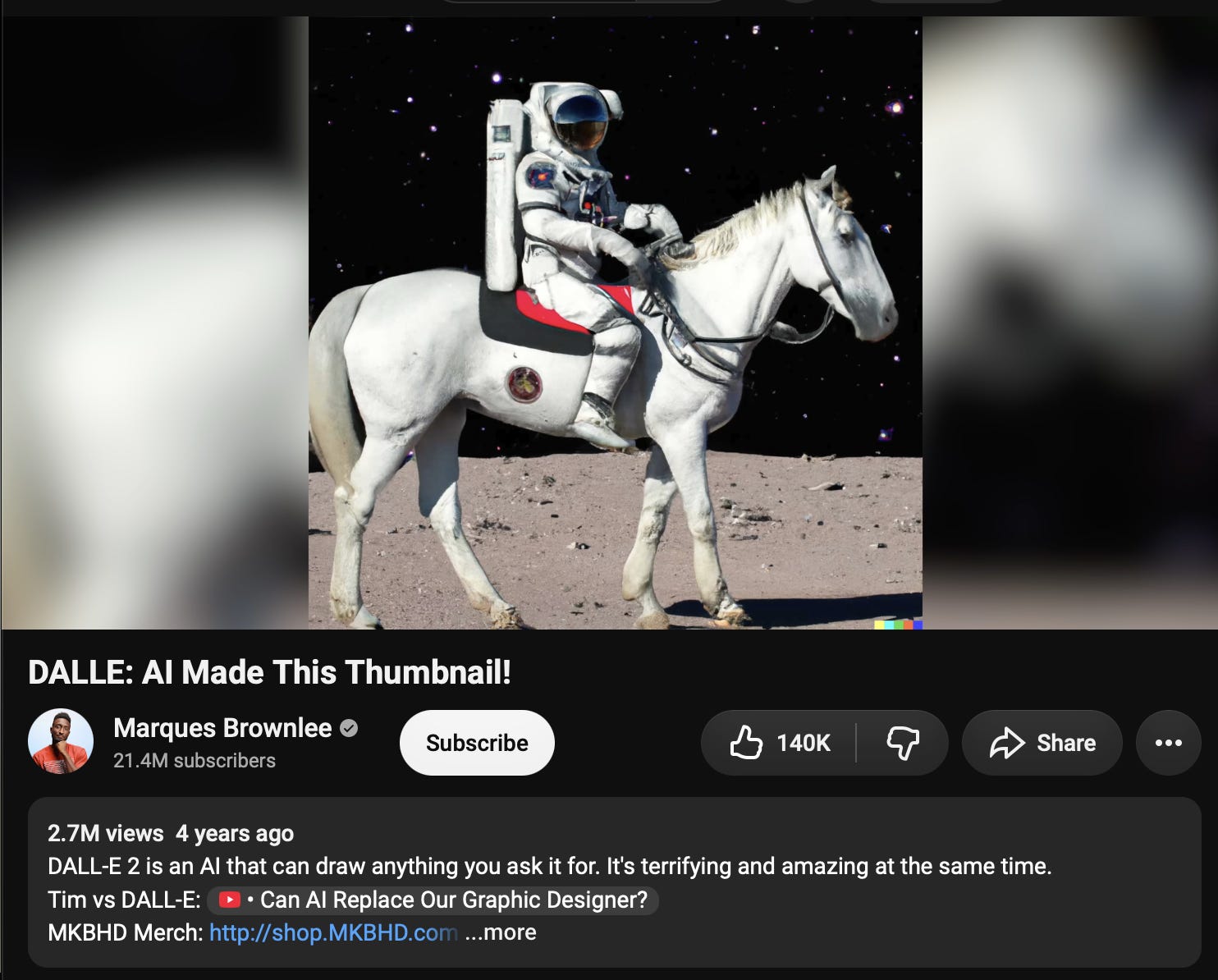
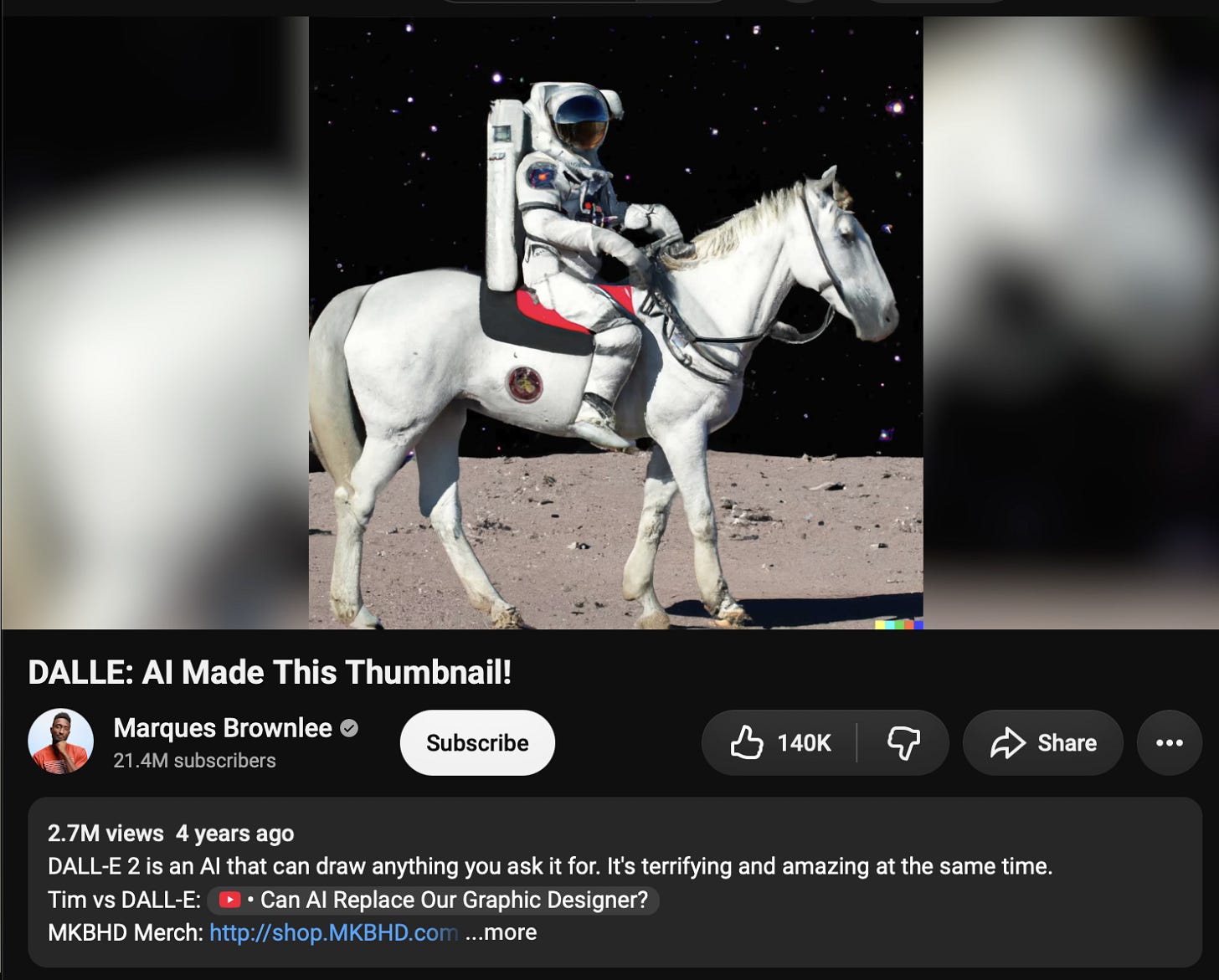
In May 2022, I watched a video by Marques Brownlee, YouTube’s leading tech-tuber, in which he demonstrated a generative imaging model called DALL-E 2.
In that video, he said,
“What if I told you there is a system right now that can take natural language input, so whatever description you want, just make something up, and it will take that text and turn it into a surprisingly realistic image of exactly what you described.”
It was the first time most of us had seen anything like it, and certainly the first time many of us had considered it possible.
Seems quaint now though, doesn’t it?
Bit like watching those old documentaries about the ‘information superhighway’ explaining how one day we’d be able to do all our shopping electronically without leaving our homes.
Or watching Steve Jobs demonstrating touchscreen swipe gestures on the original iPhone back in 2007.
Or trying Google for the first time after years of AltaVista.
Or making your first FaceTime video call and feeling all futuristic, but not realising you’d mainly end up using it to help your missus identify the right brand of tampons in the local supermarket.
But here we are just five years later and the capabilities of large language models like OpenAI’s GPT6 or Anthropic’s Fable have far exceeded even the most outrageously optimistic forecasts by AI’s early adopters.
They are, under the surface, just massive highly technical guessing engines, powered by vast tables called weights. Billions or trillions of weights, all tuned through a process called training by nudging data a fraction each way in order to shrink the error in predicting the next token.
The are not sentient, they are not intelligent, but let’s be honest – they do a fucking good job of pretending otherwise. If you don’t keep your wits about you, it’s ridiculously easy to mistake their output for real thought, rather than a vastly more complex version of pulling the lever on a fruit machine. People whom I’d thought were intelligent enough to see through the smoke and mirrors were beguiled and dazzled.
And slowly but surely we’ve seen these LLMs decimate entire industries, create mass lay-offs, enable global disinformation campaigns and turn the internet into a fetid swamp of confident, grammatically flawless shite that no one can quite trace to a source.
No Code
First they came for the photographers, then the writers, then the musicians, then the film-makers – and now they’ve come for the programmers.
With tools that can reverse engineer entire application suites in an afternoon, it’s now possible to vibe-code your own clone of any app, so long as you’re prepared to chuck a few million tokens at it.
It is both awe-inspiring and terrifying at one and the same time.
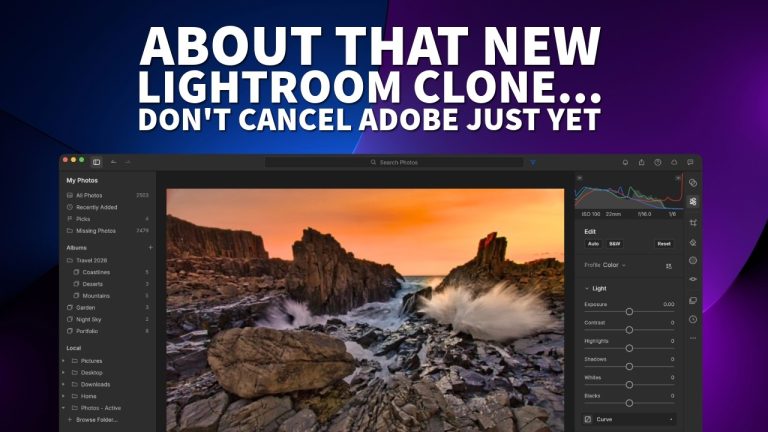
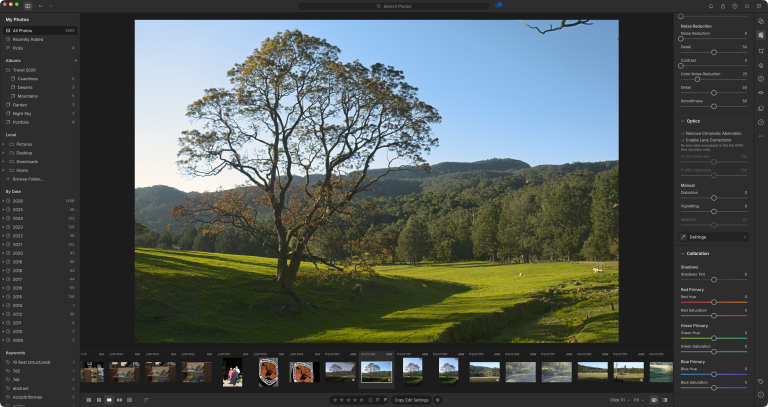
This week a coder by the name of Brandon (a seasoned developer by all accounts) broke cover with a suite of apps that (will eventually) perfectly replicate the entire Adobe suite.

When someone posted about this suite – called ArtCraft – over on the yCombinator forums, Brandon responded to the largely negative response from the software engineers, founders and investors that hang out there, by saying,
“Party like it’s 1999 and the Internet / tech scene belongs to us again. We can literally deenshittify the world without breaking a sweat.”
And also,
“It’s not just SaaSocalypse. Everything can be open source multiplatform Rust now.”
The first bit’s pretty clear, isn’t it – we’ve reached another one of those watersheds – an inflection point – they seem to be arriving with ever greater frequency don’t they. The second bit however might need some explaining. The ‘SaaSocalypse’ Brandon is referring to is ‘Software as a service’ or, as it’s better known – the subscription software model.
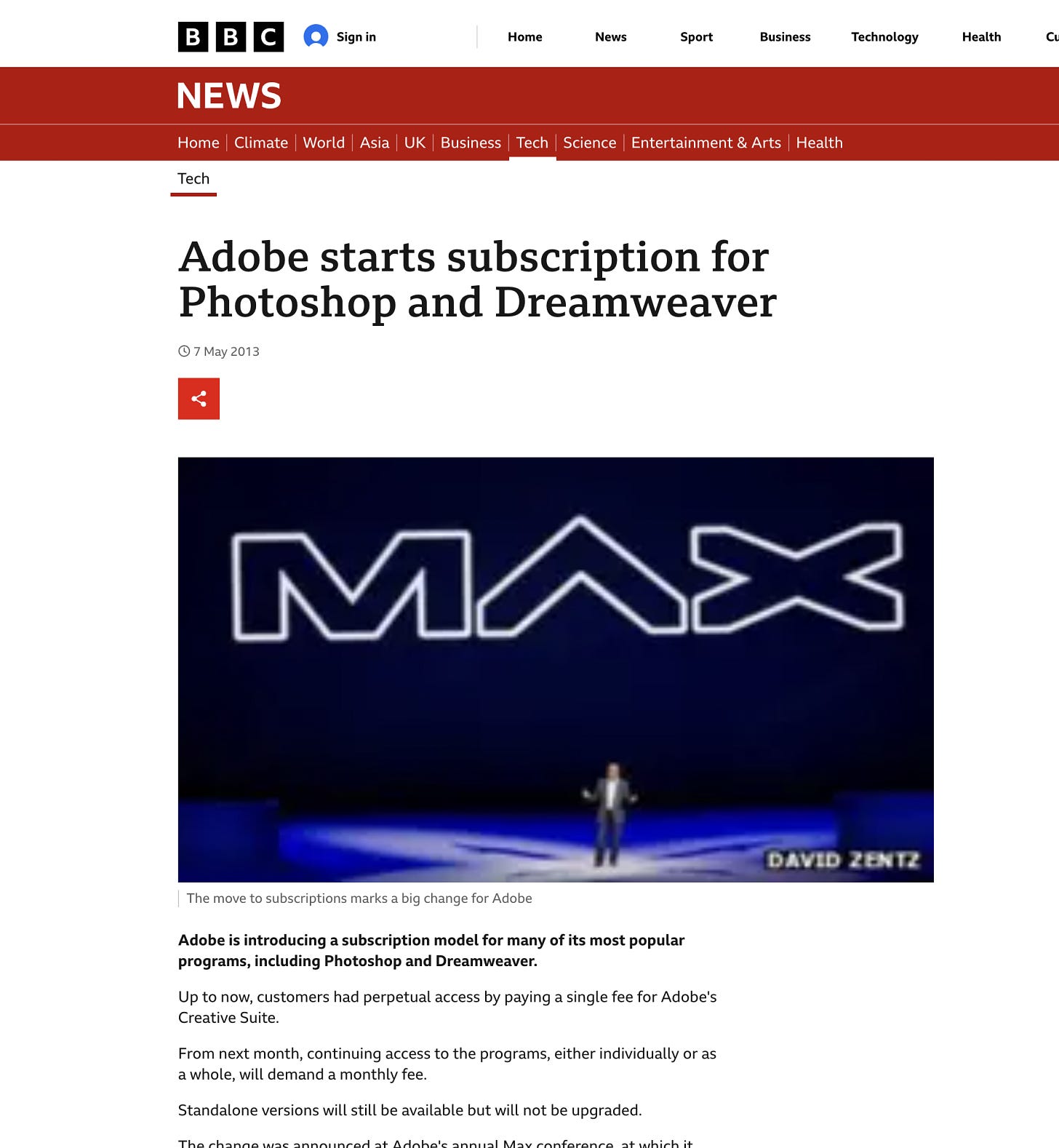
Ever since Microsoft pioneered the subscription software model, and Adobe followed suit, and a thousand other software companies and one-man-band developers did the same, there has been a growing hatred for it, best encapsulated by the phrase ‘you will own nothing and you will be happy’.
Businesses might shoulder the cost of those monthly payments for the Adobe suite and write them off as an expense, but for the recreational or home user, most of us remember the days when you bought an app and – unless there was some massive new version – that was it.
And the Rust that Brandon mentioned is a fast programming language, popular for software that has to run reliably on Mac, Windows and Linux from a single codebase. It’s also a good fit for AI-generated code, because the compiler rejects mistakes before the program ever runs, which means an AI can build a working app with far less human checking.
Don’t overlook the word ‘multi platform’ in there, either. The Artcraft suite runs just as well (or not) on Linux as it does on Windows and Mac, which is huge news since Adobe (and in fact most big software companies) have never given two shits about Linux.
Build it and They Will Come
At this stage in the game, ArtCraft is an open group effort. People with only the tiniest modicum of technical knowledge can point their Claude tokens at the project’s home on Github, adopt an issue and, in doing so, propel the project forward.
There are currently 93 people listed as ‘contributors’ on the LightCraft (Lightroom) project, but real human involvement is negligible. Beyond the top three, only one contributor has made more than 26 commits, and more than half of the rest have made just one or two. The real authors are Claude and Codex, steered by old mate Brandon.
But while the donation of tokens is on the low side at the moment, there is little doubt that this project has lit up the wider creative world.
The kind of people that immediately ditched Adobe when they introduced the Creative Cloud suite, or who cancelled and then pirated it or who put up with inferior software because they didn’t want to rent their software or who simply (with some justification) despise everything that Adobe stands for – they have seized on this project like flies to fresh dog shit.
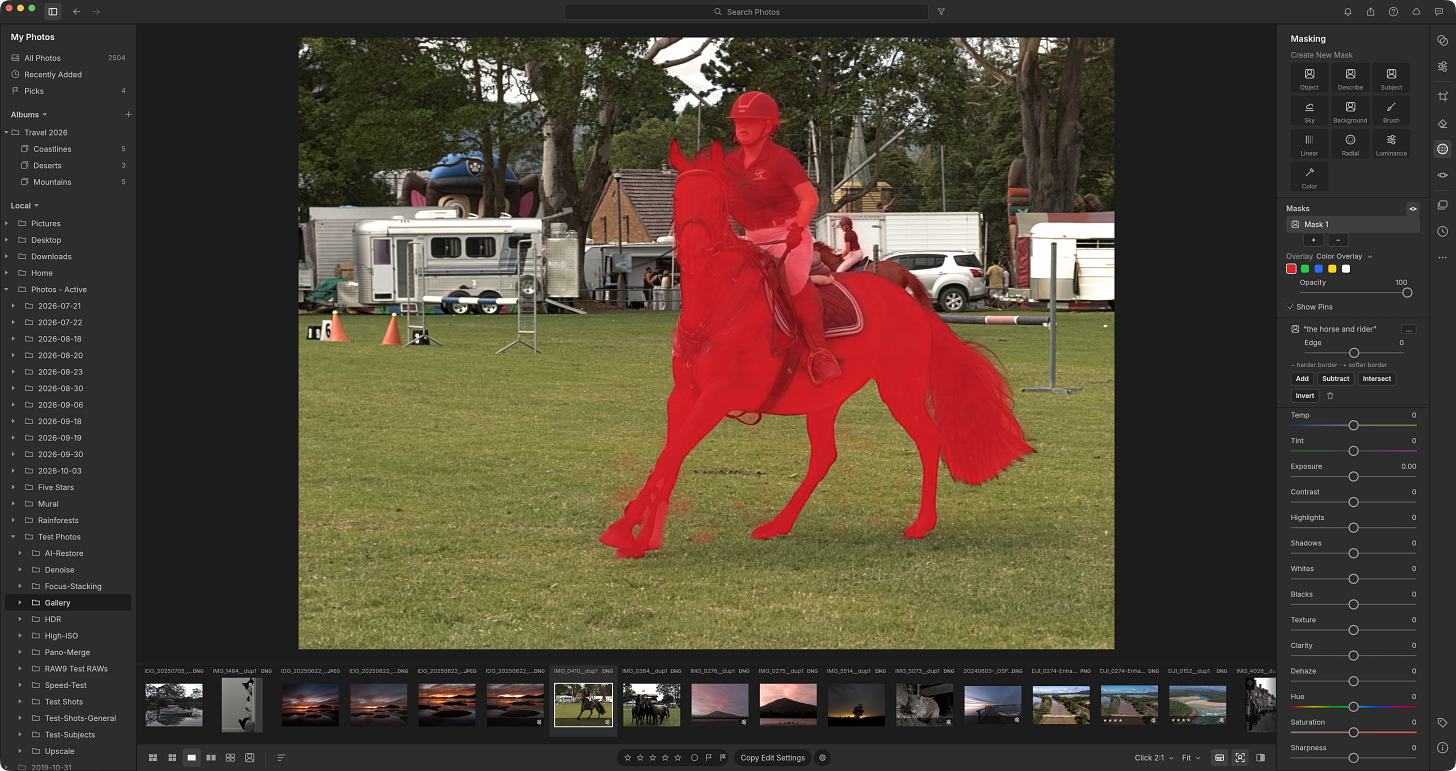
When I reviewed the Lightroom clone (Lightcraft) on my photography channel – the comments section (normally about as controversial as an episode of Bluey) were full of apologists having a go at me for pointing out that it was not currently fit for purpose.
As viral breakouts like this one sometimes do (Gamestop, Sony and physical media, stop-killing-games and right-to-repair) it has the whiff of a populist uprising. People who felt disenfranchised by the outrageous costs of using Adobe software perhaps see Brandon as a hero and his ‘open source everything’ attitude as the weapon they’ve been waiting for, so every criticism of the software gets treated as an attack on ‘the cause’.
The One Company Paradigm
There is, of course, a planet sized irony to all this.
These models, which were trained by harvesting the entirety of human creative output (photos, music, films, words, code) with zero compensation to the humans who generated it, is now being used to put software companies out of business.
The tech bros that have championed these AI models, those insufferable cunts that run Meta, X, Alphabet, Nvidia, OpenAI and Anthropic – they are inexorably cannibalising their own businesses.
We surely can’t be far off the day when you can summon up an app (any app) with a single paragraph in a prompt. And if not an app, they why not a social media platform? And if not a social media platform, then why not a large language model? They’ve given us the tools, and they’re now being used to rebuild the world without them.
The impacts that this will have on the global software industry are already being felt. Microsoft, Adobe, DxO and Capture One will claim that there’s no comparison between a vibe-coded rip-off and their expensive products, but everyone else might not see it that way.
I’m just a small-time YouTuber and writer with a couple of humble channels and a modest Substack – and there are currently 50 apps sat in my inbox – all sent within the last couple of weeks – promoting vibe-coded apps of one kind or another.
Is this the end of commercial software? Not yet. But the hard part is no longer writing the thing, it’s persuading anyone to pay for it, and that’s a much harder sell.
Also published in RAW & Unfiltered on Substack.