Winners of First AI-Judged Photo Contest Announced
Kill me now.
 Andy Hutchinson
3 min read
Andy Hutchinson
3 min read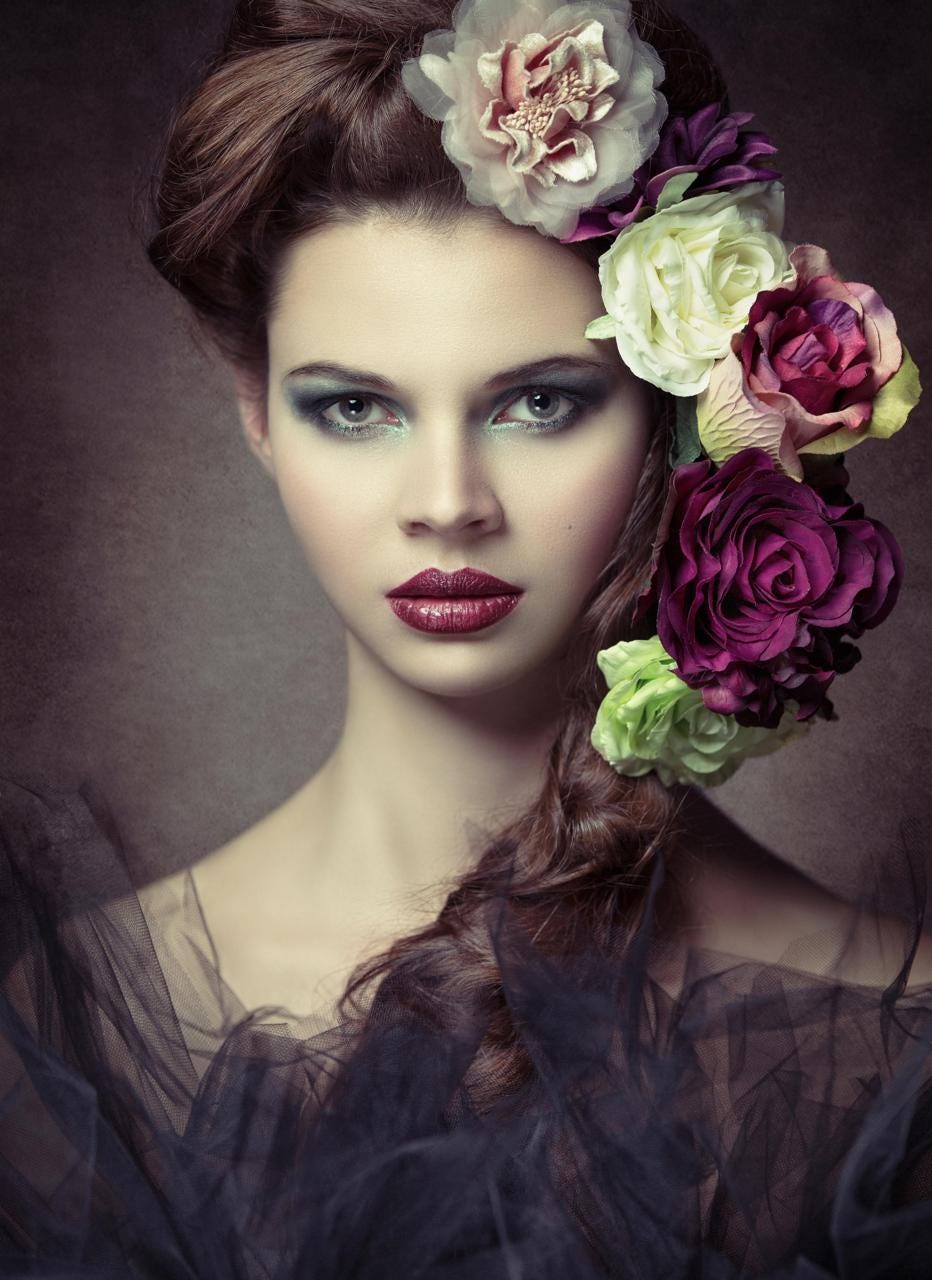
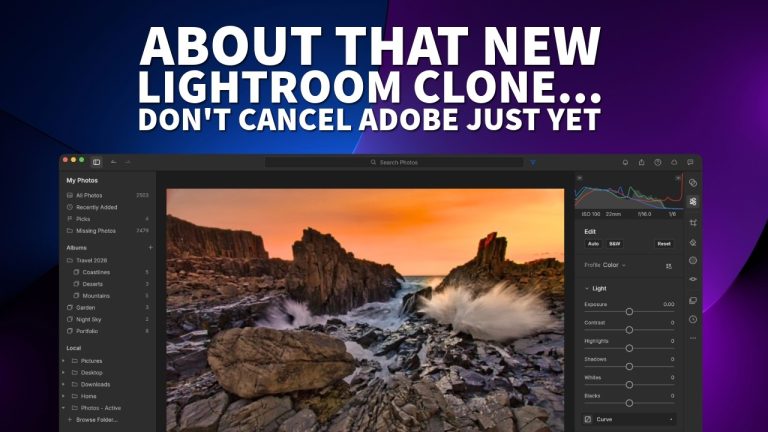
Excire is a German company that produces a workmanlike asset management app that leverages AI for search and tagging. And in order to publicise a recently released update to their app – Excire Foto 2025 – they decided to throw a photo contest that would be judged entirely by A.I.
Since the contest was being judged by a machine, all entries were appraised immediately after being submitted which meant that there was a constantly updated rolling leaderboard running for the duration. So for better or worse, you’d know instantly if a computer deemed your photograph sensational, or shite.
The CEO, Professor Erhardt Barth, was quoted by Petapixel as saying:
“Human judges can be inconsistent and biased. Excire’s AI judge, however, analyzes submissions with unerring consistency.”
The Professor revealed that the A.I. judge had been trained by expert photographers using hundreds of thousands of photos. However he didn’t reveal where the photographs in question were sourced from. Obviously the quality, type and variety of photos used to train the machine would greatly impact the trained opinions of the A.I. However he did say that any photos submitted to the contest would not be used to train any AI systems, so there’s that.
While I realise that this is ultimately a publicity stunt, designed (quite successfully as it turns out) to promote their flagship app, I still hate literally everything about this contest and take great issue with the Professor’s stated opinions on the matter. In particular, I take issue with this:
“It [the AI judge] can objectively analyze what makes a photo great. Excire’s AI offers impartial evaluations without subjective bias and has already served as a juror in several prestigious photo contests.”
This is a fundamentally flawed argument spoken by someone who is a scientist and not an artist. There’s a lot to pick apart in that quote, but let’s start with this bit
“Objectively analyze what makes a photo great”
No, Professor, it most definitely cannot do that, not only because it has an extremely limited dataset to work from, but because what makes a photograph ‘great’ is not the mathematical sum of the elements in the frame. There is a spark, present in all great photographs, that cannot be quantified, digitised or computed.
All your A.I. knows, Professor, is what the so-called ‘experts’ that you hired to train the model consider to be a great photograph. This makes a mockery of the next part of the quote
“Offers impartial evaluations without subjective bias”
There’s nothing impartial or non-subjective about the assessments, they’re a soup blended from the highly subjective views of your ‘experts’. It’s just a new kind of bias – the merged opinions gleaned from humans and averaged by a machine.
In many ways the winning photos prove just how flawed the entire premise of this contest is. They’re not bad photos, but they are most definitely of a ‘type’ and – to my eye – look exactly like the sort of generative image that Sora can shit out morning, noon and night. There’s also a heavy bias towards good-looking women and heavily contrasted scenes. Those winning entries have all the subtlety of a fire-hose enema.
A.I. slop is everywhere these days – terrible AI-generated novels on Amazon, awful AI-generated bands on Spotify, terrifying AI-generated fake news videos on social media. A.I is an inescapable part of all of our lives now and it’s not going anywhere ever, but it has no place anywhere judging what is and isn’t good in literally any corner of the creative arts.
There has to be a limit to what we surrender to the machines. We’ve out-sourced our creativity and now we’re going to let it decide what is ‘good’ and ‘bad’. No thanks. Stop the world, I want to get off.
Also published in RAW & Unfiltered on Substack.