Two Big Photo Apps Have ‘Gone Dark’ – What’s Next?
Well we know where we're going, but we don't know where we've been ...
 Andy Hutchinson
5 min read
Andy Hutchinson
5 min read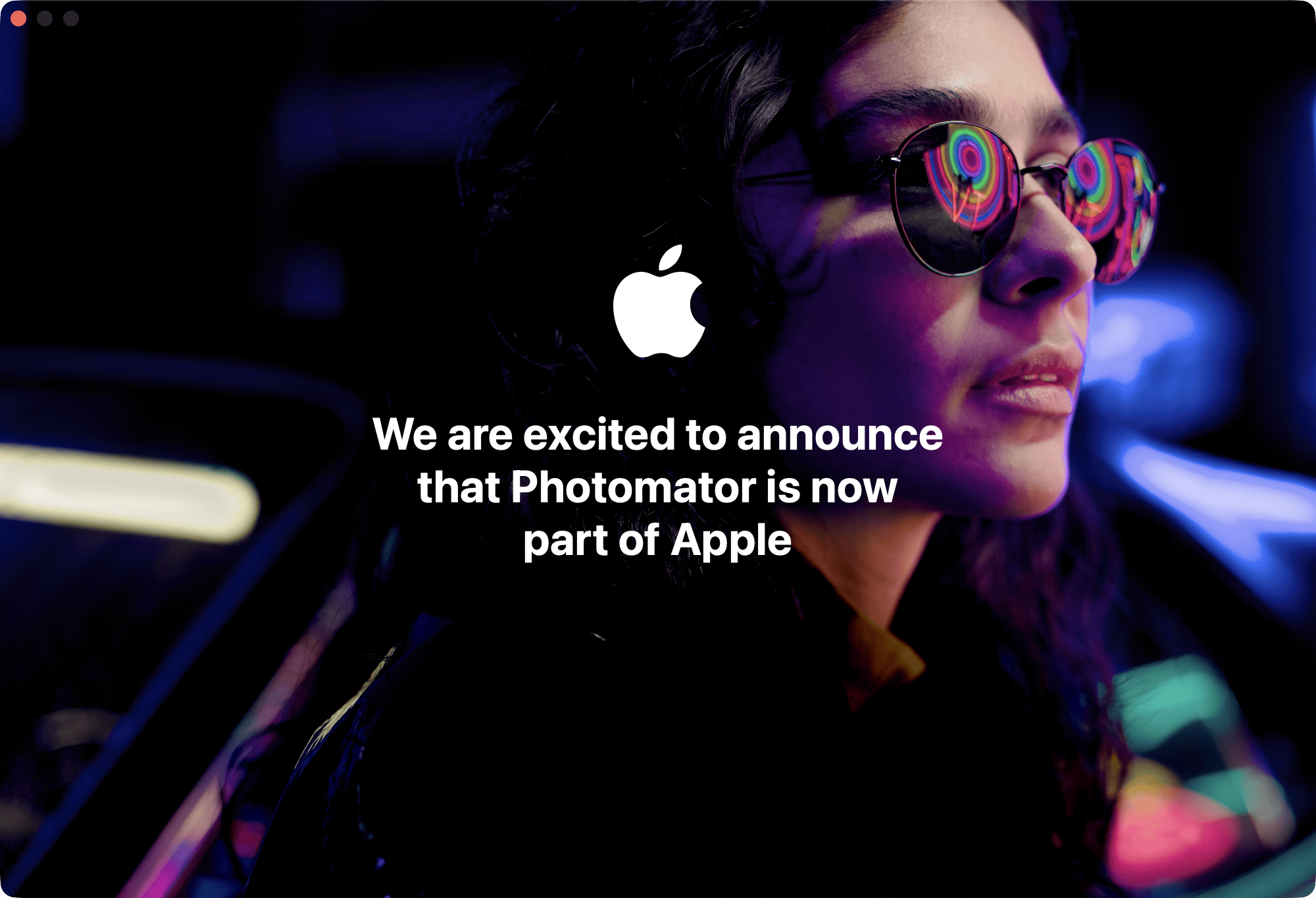
W
hen you find an app that works well for you, you form an almost emotional attachment to it. You learn its ways, and the shortcuts become an instinctive part of your workflow, driven entirely by muscle-memory. Firing up that app feels like pulling on a comfortable pair of slippers and settling down in your favourite armchair.
It’s this comfortable feeling we have with some apps that makes change all the more difficult to swallow. It’s bad enough when they release a big new version and dick about with the menus or the icons or the interface for no good reason at all, but at least you can skip that update and keep on using your old version.
The really awful change is when an app you love is bought by another company and, since we’ve all been here many times before, you know how it’s going to turn out.
Selling Out and Moving On
For my part there’s been a few apps that I still mourn to this day. I began my working life at Future Publishing in Bath and we exclusively used Quark Xpress to layout all of the myriad computer and technology magazines that we published. As an editor I became as confident and happy driving that application as I was using Microsoft Word.
Quark famously screwed themselves when they decided to greatly increase their prices at the same exact time as Adobe launched InDesign for a fraction of the cost. Now nobody outside of specialist publishing circles remembers Quark Xpress, but InDesign’s a globally known brand. I still miss that familiar monochrome Quark Xpress interface.
More recently I used to use an called Clarify to produce documentation for the websites and apps our little company produced. It was a perfect bit of software that made the otherwise tedious and laborious task of screenshotting and captioning and laying out an absolute breeze. It was subsumed into a larger enterprise-focused app called Screenshots and that was the end of that.
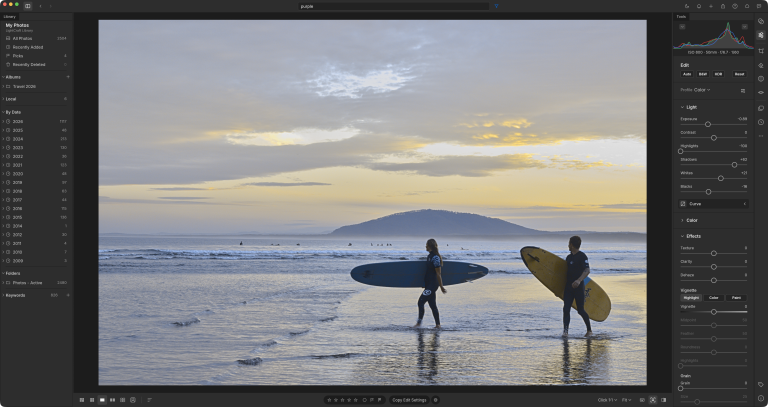
And it’s the same with photo software too. Apple released their RAW photo editor Aperture almost 20 years to the day, believe it or not, in October 2005. The Mac was always the computer that creatives felt most at home with and Aperture was well ahead of its time – a beautifully designed and powerful app that is still keenly missed today.
And when I say it was ahead of its time, I mean it. Did you know that the last version of Aperture included the ability to save a curves adjustment as a brush preset and then paint that curves adjustment onto the photo. Which apps can do that today? I know you can kind of create the same effect with masks, but it’s not the same artistic implementation that Apple’s software engineers developed.
More recently we’ve seen a few well known photo apps change hands and there’s always the same level of concern that the apps will change for the worse or, more alarmingly, disappear completely.
No More Mr Little Guy
Mac users were shocked to discover that a small start-up out of Cupertino had purchased Photomator this time last year. Photomator and its sister app Pixelmator Pro are popular apps combining a beautiful interface with powerful editing capabilities. They were also cheap and integrated perfectly with MacOS.
And in the calendar year since Apple bought Photomator we have heard absolutely nothing about either of the two apps. In fact the only update was a splash screen added to Photomator announcing that they had been bought by Apple. No feature updates whatsoever, no tweaks, just three insignificant bug fixes.
Clearly Apple do not intend to further develop this software, which begs the question as to why you can still purchase it in the app store. I sure as shit wouldn’t be ponying up $199AUD for the ‘lifetime’ version of that app, when it might have less time to live than a politician’s election promise.
There’s been much talk of Aperture 26 lately and a rebranded and retooled version of Photomator with the old name would definitely complete the suite of Apple creative products, filling the niche for photography alongside the other Apple branded apps.
Apple have taken a consistent two-level approach to their apps – iMovie for home users and Final Cut Pro X for serious/pro users. Garagaband for home users, Logic Pro for serious/pro users. Apple Photos for home users and …
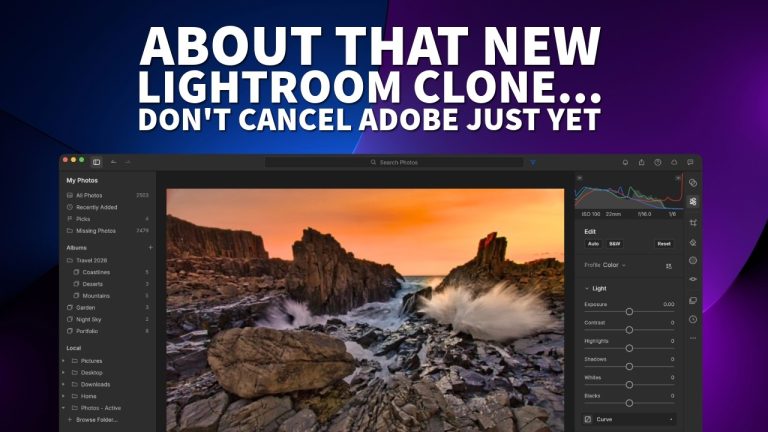
Then there’s the Affinity suite, purchased this time last year by the all conquering Australian garage sale flyer, lost cat poster and cheapskate birthday card designer service – Canva.
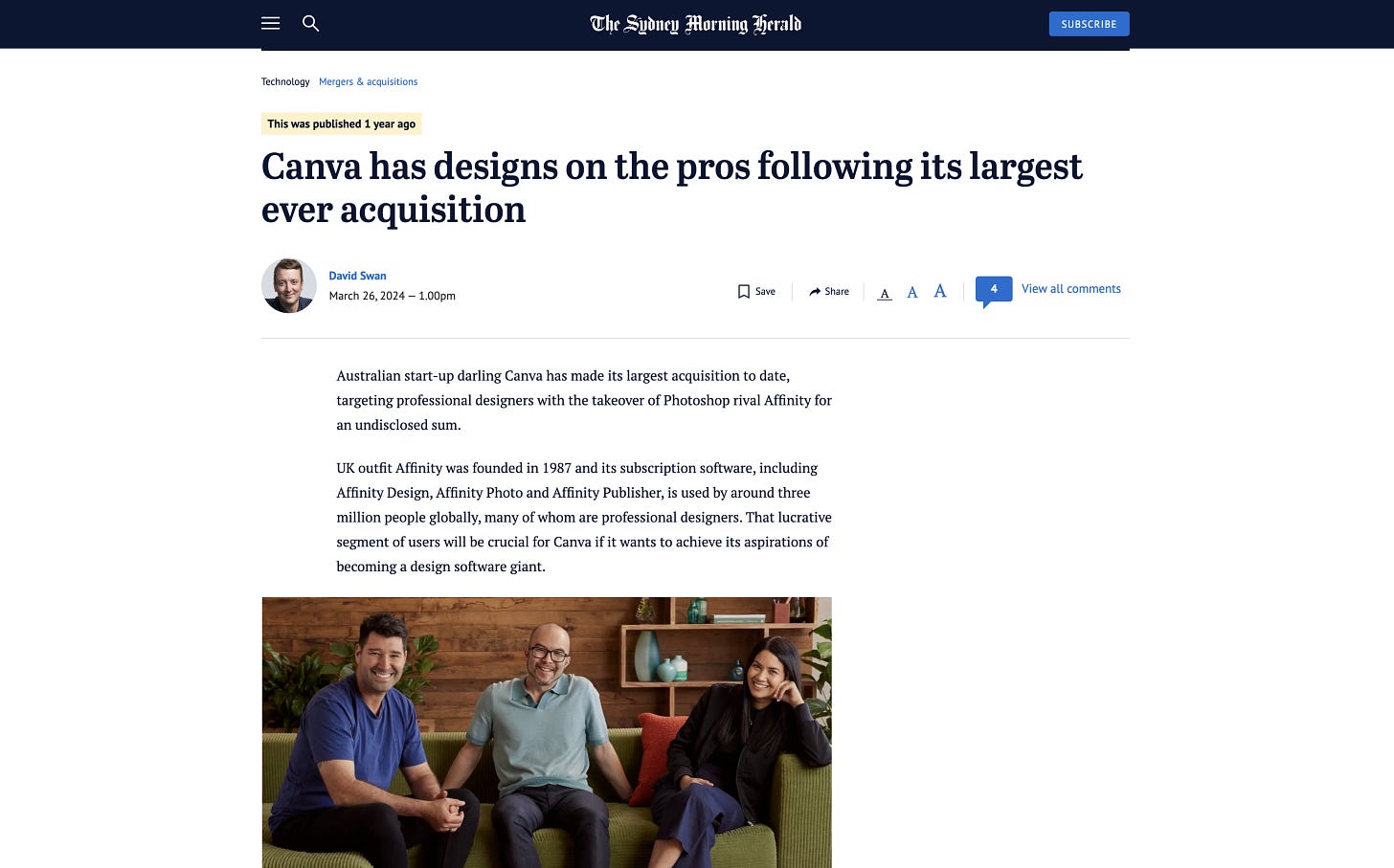
The Affinity suite, originally developed by the British firm Serif, is held in high regard amongst creatives of both the Windows and the Mac persuasion due to a very Adobe-like feature-set and a very un-Adobe-like price tag.
When Canva bought the company everyone was justifiably horrified, but they assured us (don’t they always) that nothing would change. And in fairness, they did continue to develop them, to release updated versions with new features, including AI masking, not just bug fixes.
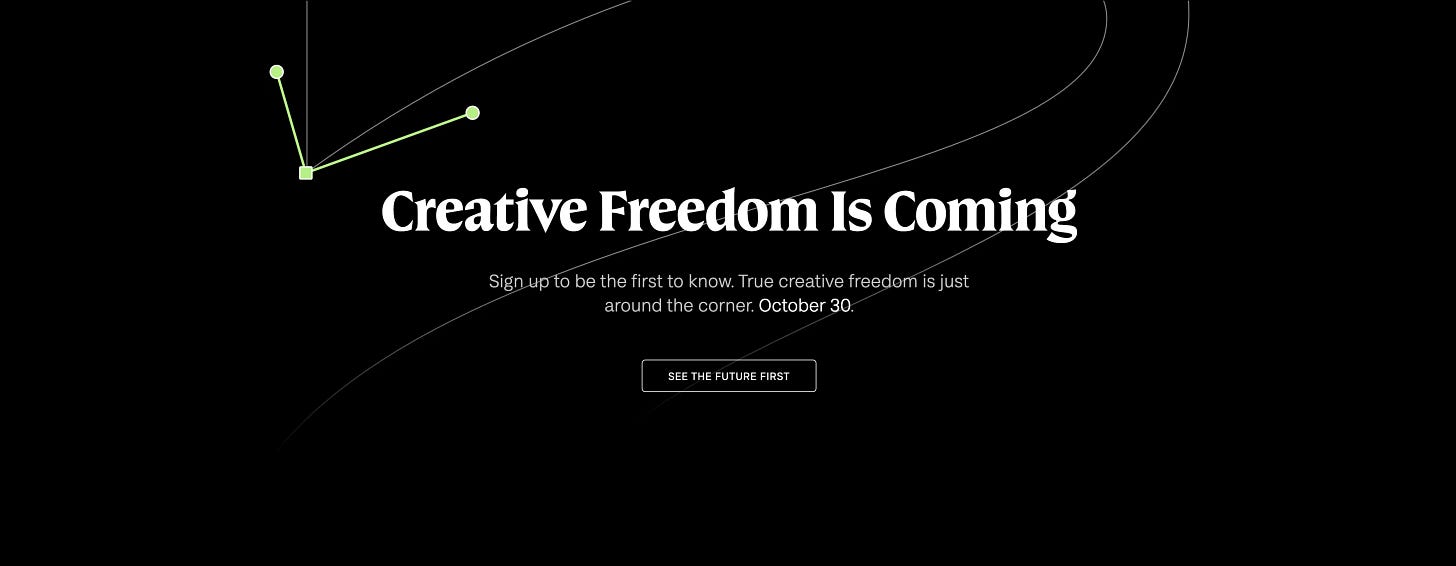
But now, after what appears to have been a year-long transition of the Affinity engineers into Canva’s – everything’s gone dark. The old Affinity forums have been shut down and everyone’s been shunted off to that twitch-gaming button-mashing hellscape of Discord. Yes, Discord – just the sort of place that the average graphic designer likes to hang out, in between rounds of Zero Build Fortnite.
We will all find out, apparently, on October the 30th.
What do Canva have coming to the loyal Affinity suite users? Why do they need an entire fucking month to update the website? What exactly is this ‘Creative Freedom’ that they’re spruiking. As far as corporate bullshit goes, it’s right up there with ‘The future is closer than you think’!
I’m sorry, but ‘Creative Freedom’ sounds awfully like some mash-up new tool that they think will inspire but actually just means your toolbar’s been replaced by a giant purple AI-powered Create Now! button.
I just spent a happy 20 minutes browsing through the job vacancies listed on all eight of Canva’s global corporate headquarters and apart from endless full-stack engineering jobs, far and away the most sought-after professional is – AI scientists.
I hope I’m wrong about the Affinity Suite and that Canva and Serif will honour their promise to keep on developing their popular trio of apps, but history tells us that popular software take-overs never end well for the end-user.
Every ‘new era’ starts with a funeral.
Also published in RAW & Unfiltered on Substack.