Ten Things I Wish I’d Known About Drones Before I Got One
An Honest Guide for Aspiring Drone Pilots (Spare Underwear Not Included)
 Andy Hutchinson
12 min read
Andy Hutchinson
12 min read
Are you thinking of getting a drone? Have you been seduced by the incredible promotional videos that DJI and the other manufacturers splash across social media? Do you have dreams of videoing incredible scenery or amazing events?
You do? Well, before you put a sizeable dent in your credit card’s balance, I thought I would just add a bit of shade to the saturated techni-colour wank-tastic marketing bonanza of the main drone manufacturers and share some insights they don’t tell you in the adverts.
Now don’t get me wrong. I love drones, I love flying drones, I love taking photographs and shooting videos with my drones. My life is better for having drones in it. But there’s always two sides to every story and this, my friends, is the flip side…
1. You Will Probably Shit Yourself Every Second Your Drone is in the Air
Like most new drone owners, my first tentative flight took place in my back garden. I got everything set up as per the instructions, read and re-read all the safety rules, triple checked I’d attached everything correctly and then hit the take-off button. It buzzed to life and rose a couple of feet into the air.

As it rose, my heart-rate just about doubled. I fiddled with the flight controls in a hesitant fashion before flying the drone up about 20ft in the air. My poor old heart couldn’t stand the suspense for long though and I flew it back down, landed it and carefully packed it back in its flight case before having a stiff drink to calm my nerves. It was about a week before I’d worked up the courage to try again.
Now I figured this was just first-flight nerves, so for my next few flights I headed down to the wide open space of the nearby park. Each time, as soon as it was in the air, my heart-rate rocketed. I talked to the missus about my performance issues and she kindly suggested it was just rookie nerves and that I’d settle into it after a while. Turns out I didn’t.
Every single time my drone rises elegantly up into the sky, I start shitting myself and I don’t stop shitting myself until it’s back on the ground and the rotors have stopped spinning. It’s even worse when I fly it over water. When it’s over land I can kid myself a bit and think “oh well if it drops out of the sky at least I can recover it” but you do not get that luxury when it’s out over the ocean. If your drone decides to ‘fly away’, as they sometimes do, or a motor fails or a passing wedge-tailed sea eagle savages it – you’re fucked.
I met up with a good friend not long after getting my first drone and admitted to him that I shit myself every time the drone was in the air and asked him when that feeling went away. He laughed and said, “It doesn’t.” He’d been flying drones for three years and still shit himself just as much as he did on the first flight. He said that flying one into a wave and watching $2400 worth of kit sink to the bottom of the ocean didn’t help matters.
So know this – unless you’re sufficiently wealthy to not care about sending several thousand dollars flying up into the air where you control it with what might as well be magic – you will shit yourself. Welcome to the team. Bring sturdy underwear.
2. Pretty Much Everyone Hates Drones
If you were to attend a dinner party and, if – in between courses – you were to climb onto the dining table, drop your trousers, squat and crimp off a log right there on the table in between the soup and the bread rolls – your steaming surprise would probably still be more welcome than a drone. The cold hard truth is that the only people that don’t hate drones are the people that fly them and the junkies in prison who get their crack delivered by one.
Why do people hate them? Mainly for a bunch of irrational and/or objectively incorrect reasons – but when has public hate ever been objective? I’ve never listened to any Nickleback songs, but I find it hard to believe they’ve written anything that really deserves the massive volume of crap that’s been heaped on them for the last decade or so. It’s trendy to hate on Nickleback and it’s trendy, amongst a certain demographic to hate on drones.
When pushed, the keyboard warriors who whinge about drones in community Facebook groups usually suggest that 1) they’re noisy, 2) they scare wildlife and 3) they’re used to spy on people. It’s all bollocks of course, they’re only noisy if they’re hovering a metre away from your head, most wildlife couldn’t give a shit about drones, and they’re about as useful for spying on people as a Lamborghini Aventador is for tackling the Cape York Track during the rainy season.
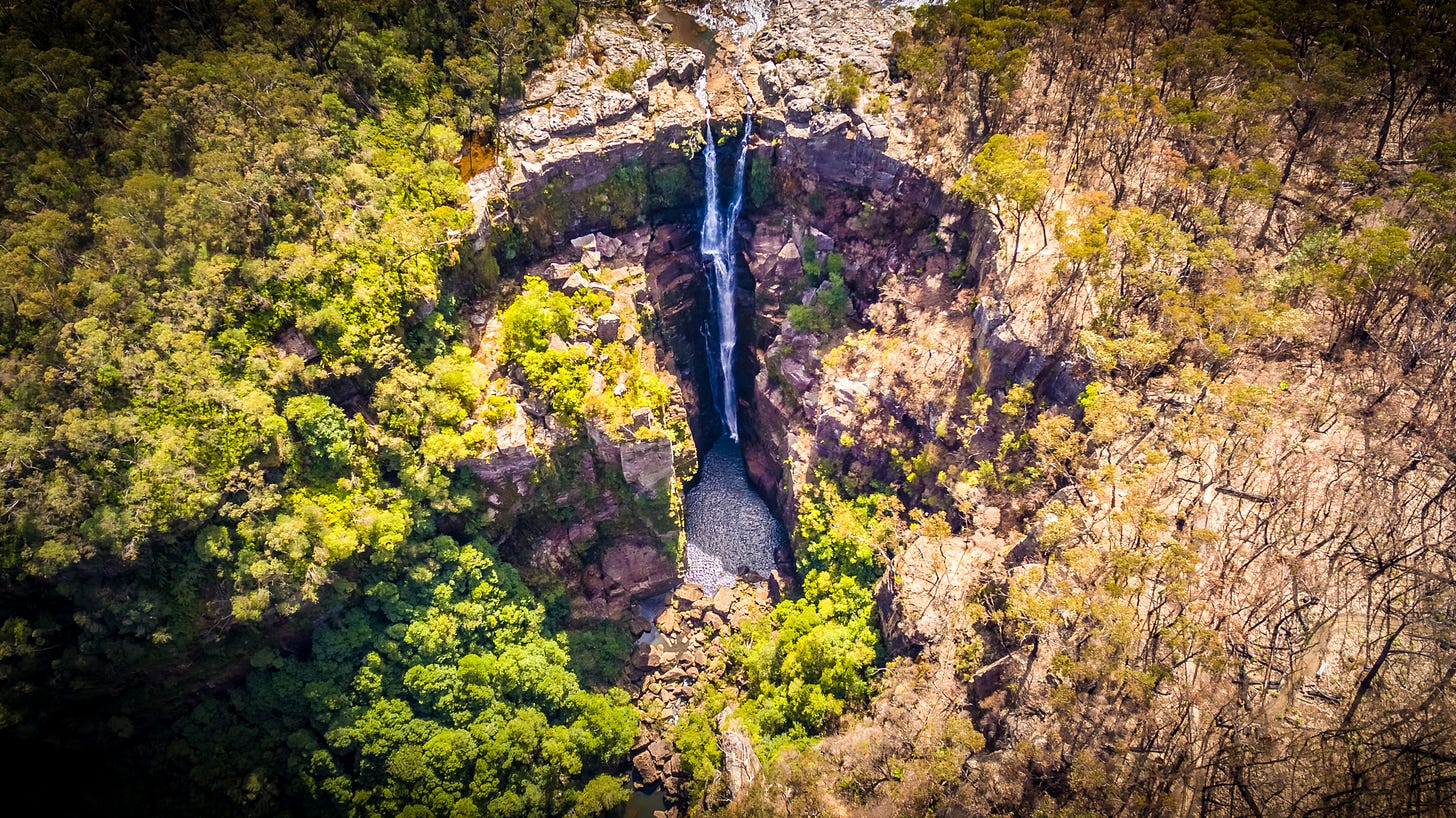
But do not think for one second that you will ever convince anyone that drones are a force for good, that 90% of the TV shows and films they watch use them, that the emergency services save lives every day using them or that they’ve captured imagery of scenes, such as close-ups of erupting volcanoes, that would otherwise be impossible to photograph… because you won’t change their minds.
3. Everyone Hates the People That Fly Drones
Yes – everyone hates drones, but you know what they hate more? The folks who fly them. You’re a pervert, a spy, a criminal, a wildlife hater, a sad and pretentious geek and a vandalising thug – and you will occasionally be approached by people who will let you know all of the above.
Middle-aged Karens and Kens in leisure-wear, struck by the righteous anger of the deranged and clueless, will shirt-front you and tell you exactly what they think of you. Yes, they are muppets but try and resist the urge to fly your drone into their face in sports mode.
4. There’s a Tonne of Paperwork and Endless Rules and Regulations
When you first have the idea of getting a drone, you picture yourself using it to capture beautiful scenery and amazing landscapes. What you probably don’t picture is a load of paperwork and form-filling and a set of regulations that make the rules of the road look like child’s play.
The rules of the sky that govern what aircraft can and can’t do haven’t changed much, but the attitude of governments around the world certainly has. In many countries you’ll now have to meet licensing requirements, sit a test, pay an annual fee and register yourself and your drone.

Certain organizations have banned drones completely. The US National Parks Service has banned them in all 417 national parks, 23 trails, and 60 rivers they manage. Similar bans exist in national parks across Australia, the UK, Italy, France, Spain and countless other countries.
There are also a whole bunch of rules in every country governing what you can and can’t do once your drone’s in the air and areas of restricted airspace where you cannot fly at all. The bottom line is that, if you decide to fly legally, it’s not as easy as just rocking up at a beautiful location and filming the landscape with your drone.
5. They’re Pretty Fragile
Obviously this depends on the drone model in question, but as they’ve become more advanced, drones have also become much less robust. You could throw a football at a Phantom 3 and it would just shrug it off. Throw a football at one of the modern drones and it’ll drop out of the sky faster than Superman in a kryptonite onesie.
Old consumer drones used to be quite modular and easy to repair, but that’s certainly not the case now. As the gimbals have become more advanced, the cameras better and as the bodywork has evolved from glorified scaffolding into spindly-legged wind warriors with advanced processors inside them, they’ve become increasingly difficult to fix. FPV fliers are well used to fixing their quadcopters thanks to a modular design and engineered ruggedness, but repairing a Mavic 4 at home is a big ask.
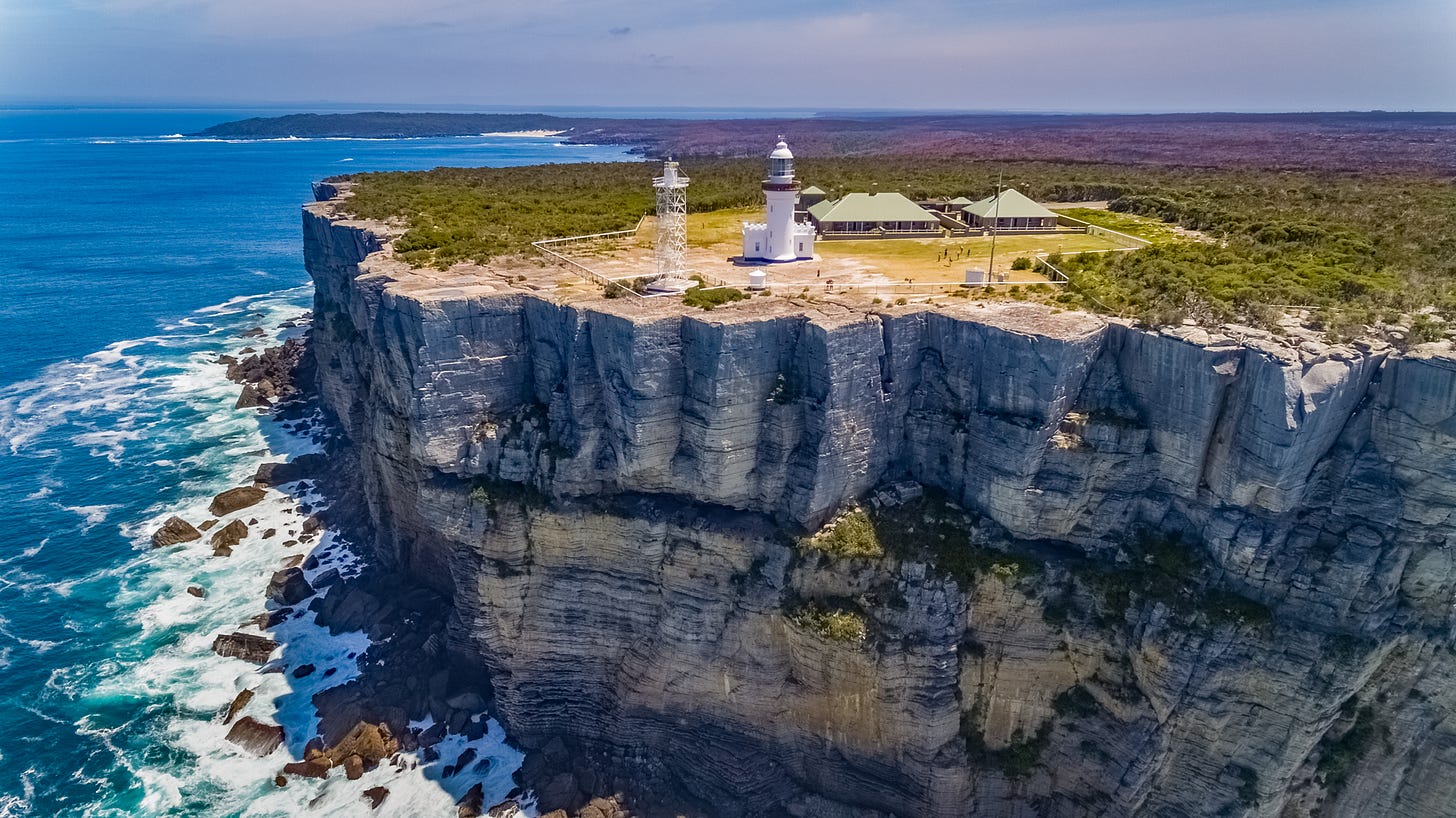
If you crash your drone and haven’t invested in insurance such as DJI’s Care Refresh package, you’re looking at an expensive fix by a specialist repair company. It’s also entirely possible, given the number of small ads selling drones ‘for parts’, that your drone cannot be repaired at all. So consider getting insurance – and not necessarily DJI’s Care Refresh. Also get used to the idea that you may well go out for a day of drone flying and come back with just your controller.
6. You Might Suddenly Find Yourself Wondering Why You Bought One
The drone groups of Facebook are often where drone dreams go to die. On a regular basis you’ll see people advertising their drones to sell – not because they’re buying another one, but because it’s just been sitting there collecting dust and simply hasn’t been used.
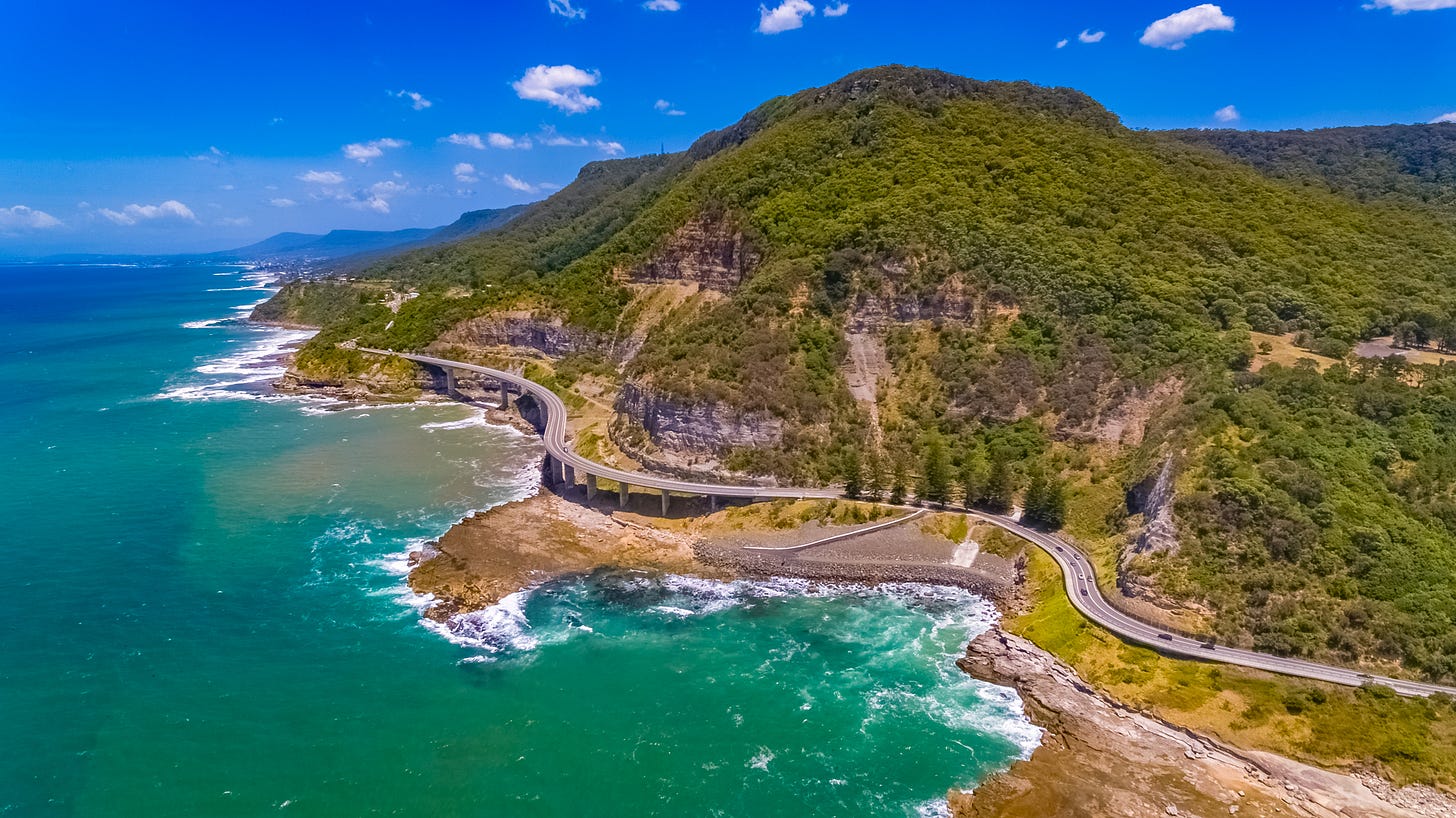
People buy drones because they think they’re cool gadgets and it will be fun to fly them. And when they get their drones they discover that they are cool gadgets and that it is fun to fly them, but after that initial ‘wow’ period has passed, they’re left asking themselves – what now?
There’s only so many drone selfies you can take before you lose interest. If it’s the pure fun factor you’re after, then you should get into FPV drones, not standard consumer drones like DJI Mavics.
I strongly believe that unless you have a specific purpose in mind for your drone, above and beyond simply owning a cool flying gadget, then your drone will collect dust too. That interest might be photography, or film-making. You might make travel videos or documentaries. You might be a fisherman using your drone to drop bait beyond the break-zone at the beach. Or you might be a member of a drugs cartel using your drone to deliver crack cocaine and burner phones to inmates in a high security prison.
7. Big Brother is Watching
I’m no conspiracy nut, but the authorities here in Australia and elsewhere around the world are increasingly able to scrutinize most aspects of our lives through the technology we have all grown to love – and your drone is no exception.
Thanks to incidents like the Gatwick drone debacle, companies like DJI cooperated with governments to allow for the scrutiny of drones. With equipment that DJI supply, the authorities can track your drone and its controller and therefore you. If that bothers you, then don’t buy a drone.
8. They Force You to Choose
I’m a semi-professional landscape photographer (my definition for semi-professional incidentally is someone who treats it like a job, devotes a huge amount of time and energy to it, but makes less than the guy on the French-fry machine in Maccers for doing it). I got my drone because I like taking landscape photographs and making arty landscape inspired films and travel films. I’m also usually on my own, partly because I’m autistic and have severe ADHD (not an edgy joke I really am autistic) and I don’t really do collaborations or, you know, have friends and stuff. But it’s also just easier to please yourself and set your own agenda without having to incorporate someone else’s requirements into the scenario.
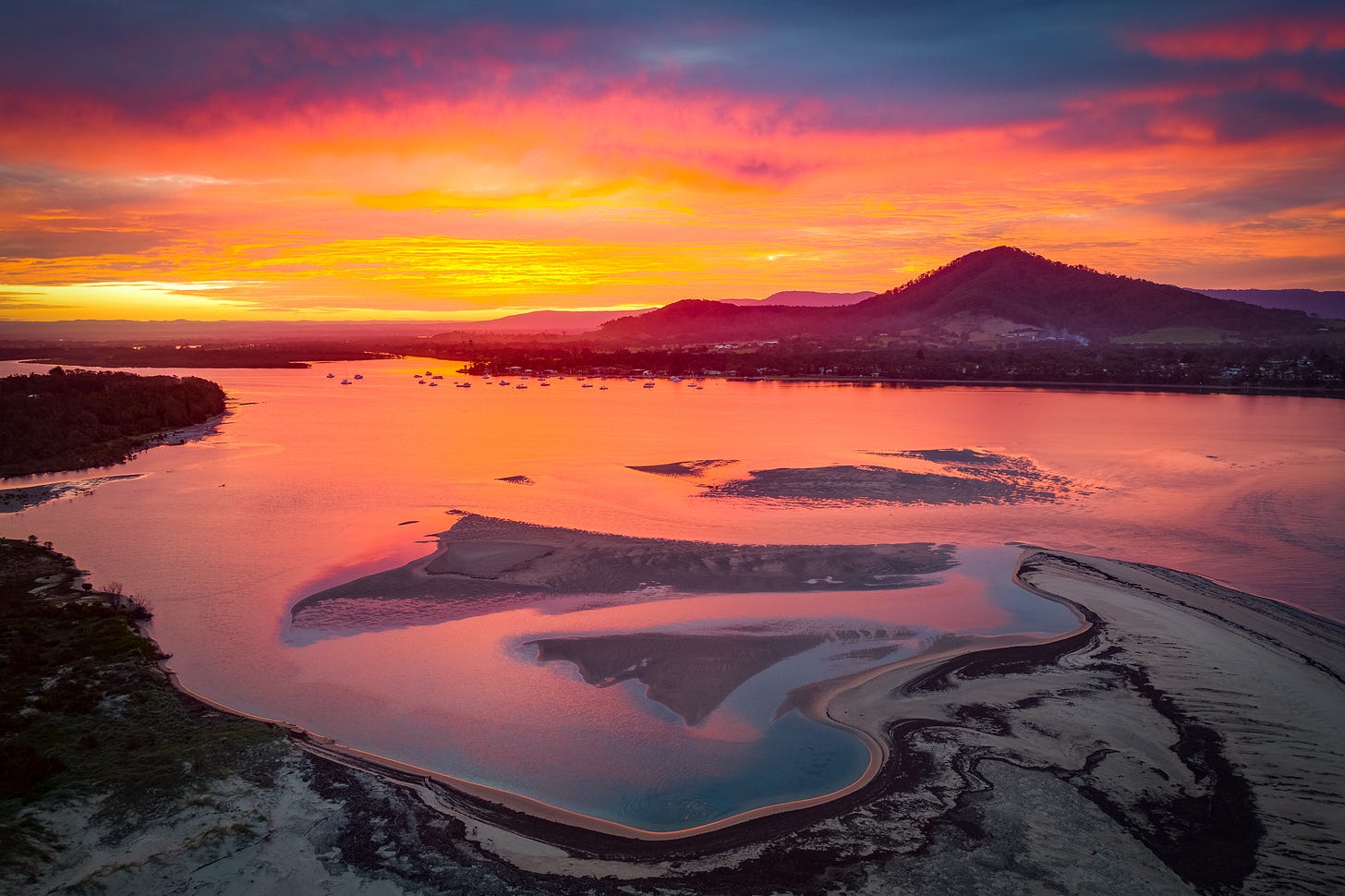
What I didn’t foresee when I got my drone is that I would have to choose between it and my camera. If I’m out shooting a nice sunset at the beach, then I have to decide before-hand if I’m going to use the drone and when I do I spend the whole time wishing I could take photos with my camera. And when I decide to just take photographs with my camera I often regret not having the drone in their air to capture the scene from an aerial perspective.
I have managed to do both on a few occasions, by getting the drone set-up before-hand and then flying it for a bit before returning to my camera, but it forces you to rush things and when you rush things you make mistakes. Getting your drone set-up, flying it into positions, taking your shots, flying it back, bringing it down and packing it up all takes a considerable amount of time.
9. It’s a Fair-Weather Gig
Regulations regarding airspace and rules about not flying near people or buildings have an impact on how much use you can get out of your drone, but the other huge factor is the weather.
Rain, snow, strong wind, and extreme heat and cold all mean you can’t fly your drone. Admittedly the current crop of consumer quadcopters can handle surprisingly strong winds and persistent rain without too many issues, but unless you get a Splashdrone, they’re sure as shit not completely waterproof. They also have a limited operating range in terms of temperatures.
For instance the official limitations on temperatures for DJI’s latest drone, the Mavic 4, are between -10° and 40° C (that’s 14° to 104° Fahrenheit for my non-metric friends). Now certainly here in Australia, and particularly since our species is in the process of slowly roasting our planet, that 40º figure is a bit of a worry. And remember that we’re talking ‘operating temperature’ here – not just the ambient air temperature.
If you work during the week and only get the chance to use your drone at weekends then the days on which it’s possible to fly your drone will be quite limited, particularly if you live somewhere that gets a lot of precipitation, wind or both.
10. That Side-Hustle You Have in Mind Will Probably Come to Nothing
One of the white lies that people often tell themselves (or their partners!) when they get a drone is that they’ll use it to earn a bit of money. The most popular money-making pipe-dream is of course real estate photography.
Unfortunately you quickly discover that your local realtors have been approached by several thousand drone owners over the years and the person in the shiny suit has heard it all before. Realtors tend to use just one person for their aerial photography, usually an established local photographer and you offering to undercut their pricing will almost certainly not tempt them.
If you walk in off the street to offer your drone photography services to a realtor, then the fixed grin with which they greet potential home purchasers will fade quicker than the budget fake tan they’ve applied to their faces. It’s certainly the case around here that realtors have also discovered that flying a DJI drone is really fucking simple and they’ve simply started taking their own photos, cutting out the middle-man completely.
Other side-hustles that virgin drone owners imagine they’ll earn money from include things like wedding and event work. This is a really hard gig to fight your way into and you will undoubtedly also need expensive public liability insurance, a full drone license with extended accreditations, and a high quality portfolio of prior work before you even get considered for this work. You might feel that your Mavic Mini produces great footage, but you’ll also need a drone that shoots in a log video format at the very least. Consider also that shooting weddings and events is a high pressure situation and there are no do-overs. Ask yourself if that’s really something you want to put yourself through?
So there you have it – ten truth bombs about drone ownership that the manufacturers won’t tell you. Don’t let any of this put you off getting a drone though – just go into it with your eyes open and your expectations properly calibrated. And maybe pack a spare pair of underwear.
Also published in RAW & Unfiltered on Substack.