Instagram’s CEO Wants to Talk About Authenticity
I Have Thoughts ...
 Andy Hutchinson
11 min read
Andy Hutchinson
11 min read
B
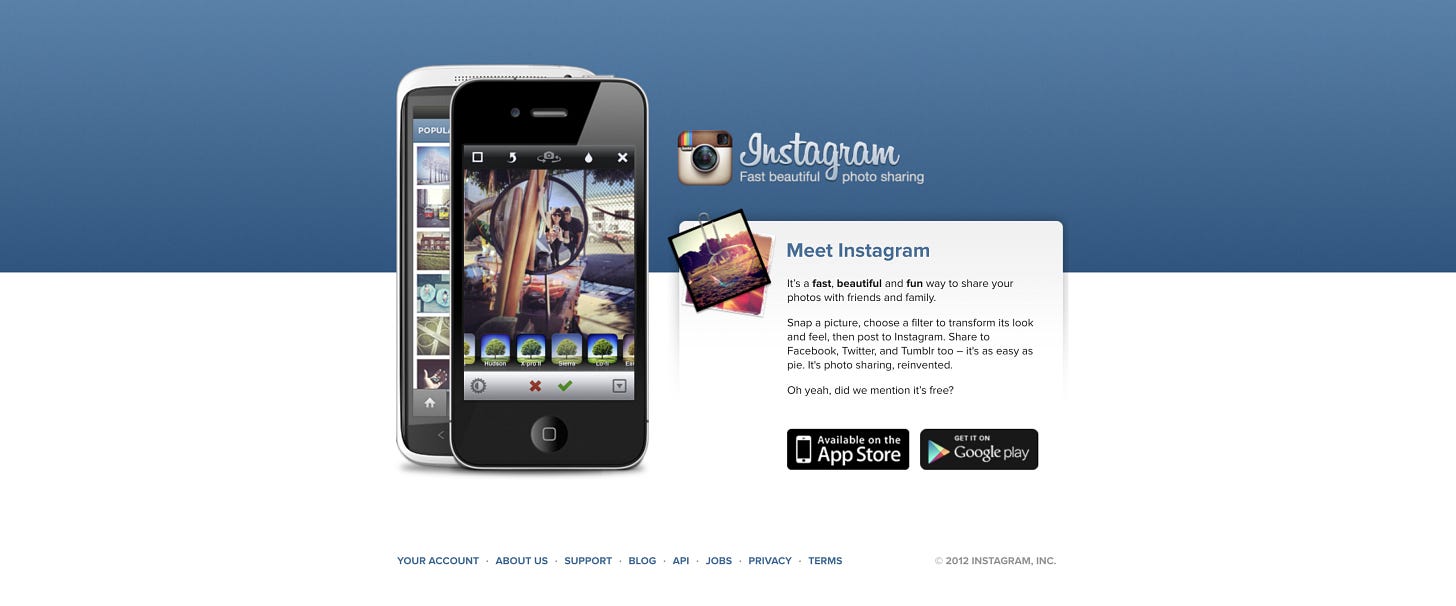
ack in the day when smartphones were so new that customers had to get lessons in their usage from phone store employees, a couple of blokes called Kevin Systrom and Mike Krieger released a little app called Instagram.
Turned out that Kevin and Mike managed to bottle lightning, because that app turned into a global phenomenon so massive that just two years later Mark Zuckerberg unbuttoned his fly, got his Platinum wang out, and purchased the platform for a cool one billion dollars.
And while Mark certainly made a good purchase, given that Instagram is now worth north of $100bn, it was all downhill for the app and its devoted users ever since.
Once a sanctuary for photographers, where like-minded shooters could follow their friends and heap praise on their photos, Instagram is now a bone-chilling infinitely repeating shit-show of surgically-targeted adverts, AI so sloppy that even the kind of old ladies that use their phones on speaker in supermarkets are repulsed by it, and algorithmically-pitched content where the loudest, dumbest, most confidently wrong voices are gently lifted to the top like a thin sheen of liquid scum floating on a blocked shitter.
This once-great photography app is now cosplaying as TikTok’s concussed little brother, screaming ‘engagement’ while it dribbles down the front of its shirt and absent-mindedly pisses on its own feet.
But now, after 15 years of unrelenting abuse, feed-torture, scams, manipulation and visceral dead-eyed empty-headed bottom-feeding consumer exploitation, Instagram’s owners may have finally pushed their users too far.
Because this week, the head of Instagram, Adam Mosseri, clearly lost in the foggy no-man’s-land between Christmas and New Year, chose to spend the dying days of 2025 publishing a state-of-the-nation think-piece about his users that was so profoundly tone-deaf it bordered on performance art.
I don’t know how much Zuckerberg is paying Mosseri, but he seems to have forgotten that blowing smoke up people’s arses is far harder when they’re the end users and not members of the board.
Because this 20-page slideshow he shared with the planet, this staggeringly off-kilter manifesto of his, this shit-flecked mood deck of arch corporate bollocks, comes across like Andrew Mountbatten-Windsor complaining that his Tinder account has been cancelled.
“The key risk Instagram faces,” says Adam, “is that as the world changes more quickly, the platform fails to keep up.”
Strong opening Mr Mosseri. It sounds a lot like you’re worried that your website’s transformation into Temu TikTok is hurting your numbers. But perhaps you should have stopped there instead of committing to the public record the phrase, “Authenticity is becoming infinitely reproducible.”
Which large language model came up with that one? I’m going with GPT. Got any more good ones? How about, “Individuality is becoming optional,” or “Uniqueness is becoming infinite” – feel free to stick them in your next powerpoint deck – no charge.
But the authenticity that Mosseri is referring to here isn’t just the fuck-awful AI shite that seems to constitute 90% of the content on his platform, but the content-creators themselves.
And the shockingly poor logic that Adam has routinely exhibited in his public pronouncements is laid bare in this post because he directly contradicts himself on slide 5 of his PowerPoint deck when he says, “Authenticity is becoming a scarce resource.”
If it’s “infinitely reproducible” Adam – how the fuck is it scarce?
Sounds to me like he’s getting all messed up about surface authenticity (i.e. rawness or imperfection) versus relational trust (i.e. which creators do you immediately just ‘click with’).
But let’s carry on through the moronic moodboard. Slide 2 brings us the staggering revelations that “Deepfakes are getting better” and (prepare yourself for a shock, friends), “AI generates photos and videos indistinguishable from captured media.”
Wow. Clearly that multi-million dollar annual salary and the generous stock options are money well spent. Never mind that I’d expect greater insight from a year 6 remedial class.
Slide 3 sounds like the kind of guff you’d read in ‘A Guide to the Information SuperHighway’ – a free supplement you got in your Sunday newspaper back in 1997.
“Power has shifted from institutions to individuals because the internet made it so anyone with a compelling idea could find an audience. The cost of distributing information is zero.”
If that was true Adam, then why would you bother having paid advertising on Instagram?
Also, sidenote, since this is really bugging my autistic brain – if “the power has shifted” then surely it should be, “anyone with a compelling idea can find an audience,” not “could find an audience”?
Also, it’s complete fucking bollocks anyway. The Instagram accounts ‘finding an audience’ are the ones that pay the most, those corporate advertisers that make up a third or more of everything we see. If the “cost of distributing information” really was “zero” then you wouldn’t be earning a cent from advertising and the affiliate link wouldn’t be this century’s equivalent of a pension fund.;
Slide 4 and Adam’s getting into his stride, or rather Claude is. “Individuals, not publishers or brands, established that there’s a significant market for content from people.”
No fucking shit. Really? Content from people, you say? Whatever the fuck next? Content from sandwiches? From freshly laid dog turds? From washing machines? It’s the latest Meta innovation!
Close your eyes and imagine it — people… making… content.
How significant do you think this market is, Adam? And do you think that the fact that “Trust in institutions is at an all-time low” could be due to the societal destabilisation exerted by the Meta suite of platforms and the ways in which they have been utilised by the military-industrial complex to undermine democracy, as perfectly demonstrated by the Cambridge Analytica scandal?
Because I don’t remember ‘trust in institutions’ being anywhere near as bad before you and that gimp-faced pube-haired parasite Mark Zuckerberg got all handsy with the very foundations of our society.
Still on slide 4 and we get another staggering insight: “We’ve turned to self-captured content from creators we trust and admire.” This is actually more of an embarrassing admission than an observation, because what Adam is saying is that instead of sitting through endless, near-identical, on-trend, hyper-edited clips with all the substance and validity of a Joe Rogan journal entry, we prefer to watch… humans.
After a decade of rewarding people who valued polish, performance and optimisation over real content, you’ve suddenly realised that actually all you end up with is vacuous shite that repulses anyone with a pulse? Tell me more, Mr Mosseri.
“We like to complain about AI slop, but there’s a lot of amazing AI content.”
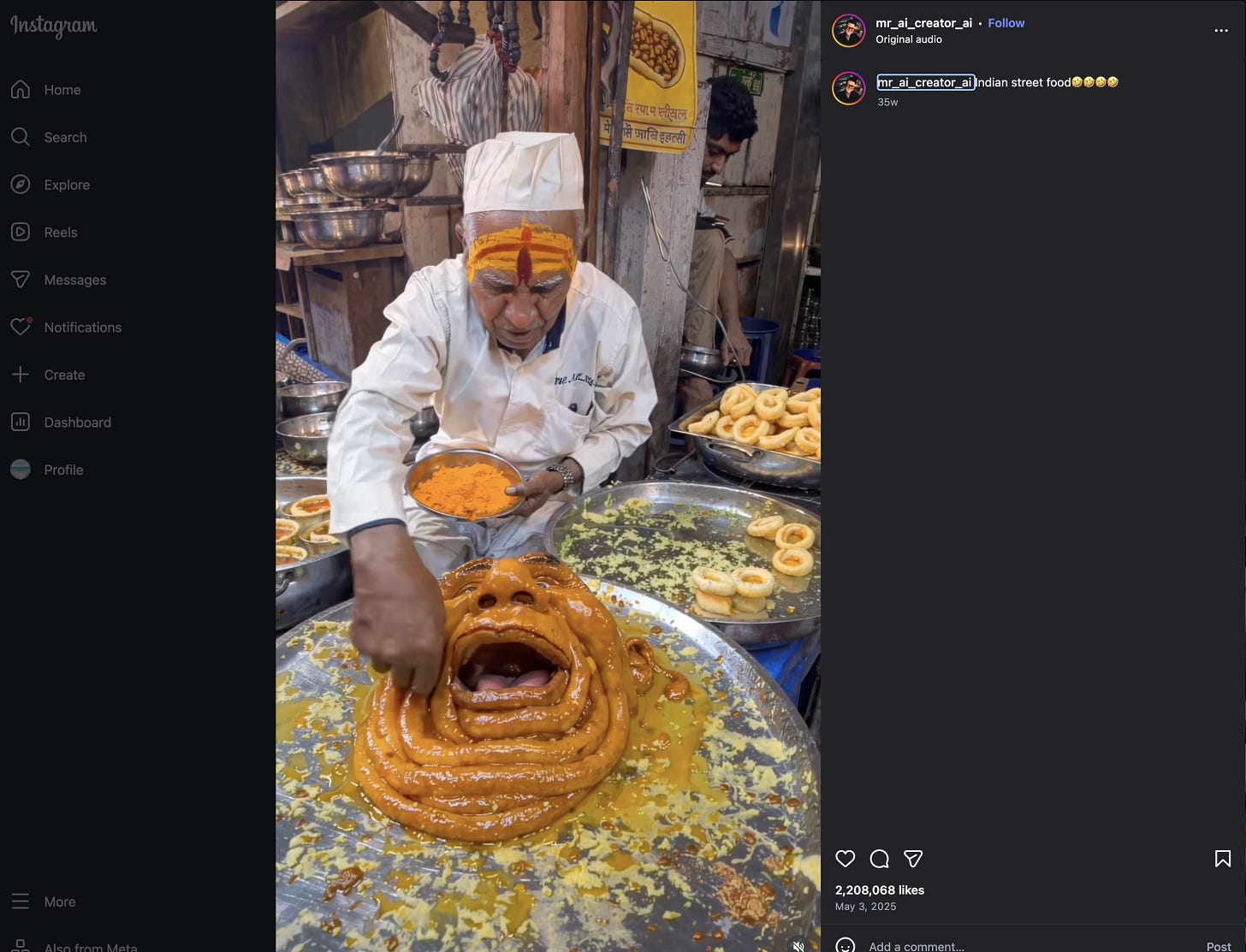
Oh yea? Where is it? Sure as fuck isn’t on your platform. Unless you think a trio of elephants with 10-metre trunks miraculously saving a lion from a well is ‘amazing’. You’ve piped AI posts into the smartphones of billions of users for years and I have yet to see a single example that has as much intellectual integrity and long-term value as Charlie bit my finger.
There’s a strong argument to be made that literally all AI is ‘slop’. End of.
So then Adam returns to that authenticity theme in slide 6 where he forgets that authenticity is infinitely reproducible and suggests that the content-creators that have spent the last decade making videos and reels optimised for the zero attention span people doom-scrolling on the company shitter should instead make unique content.
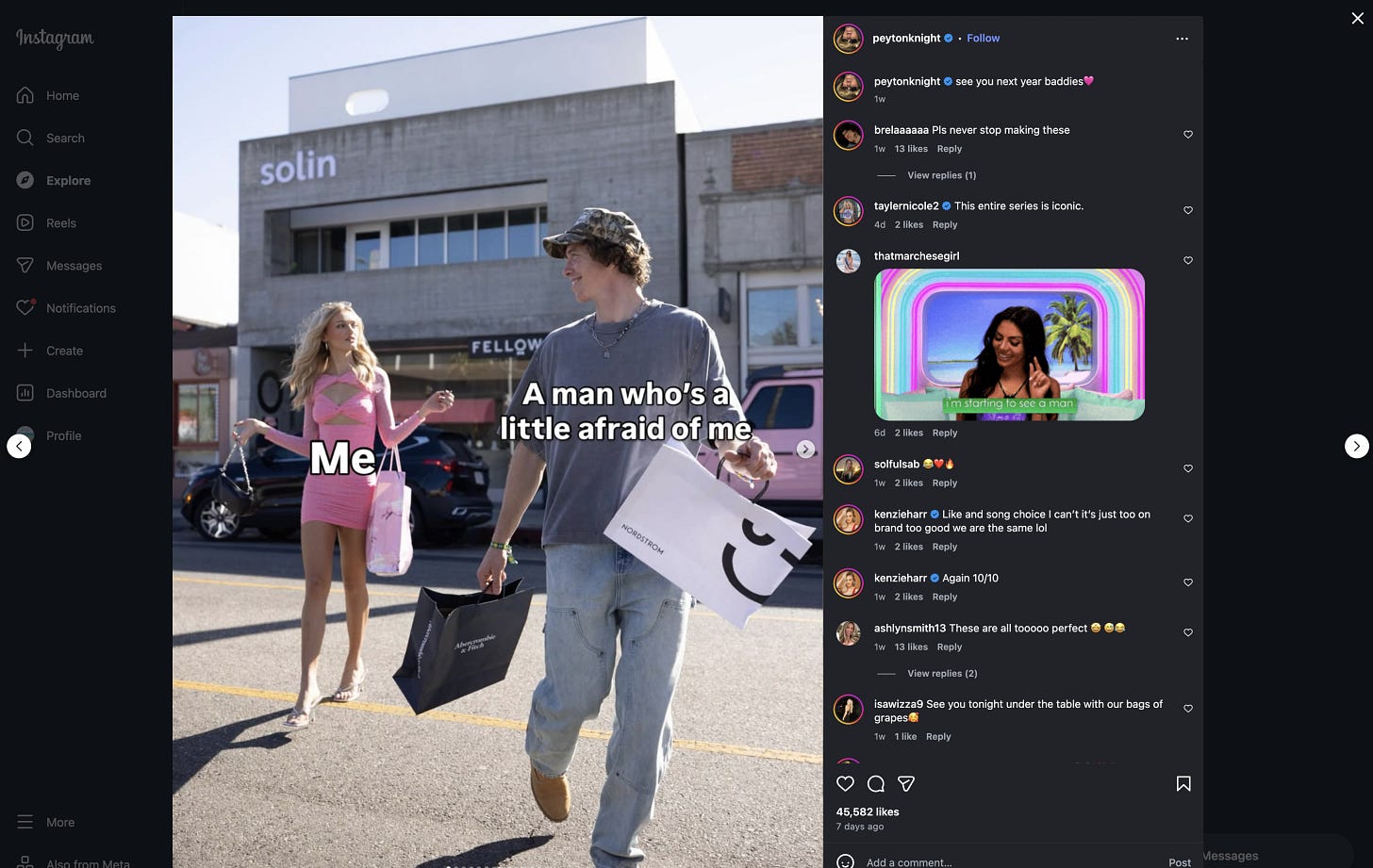
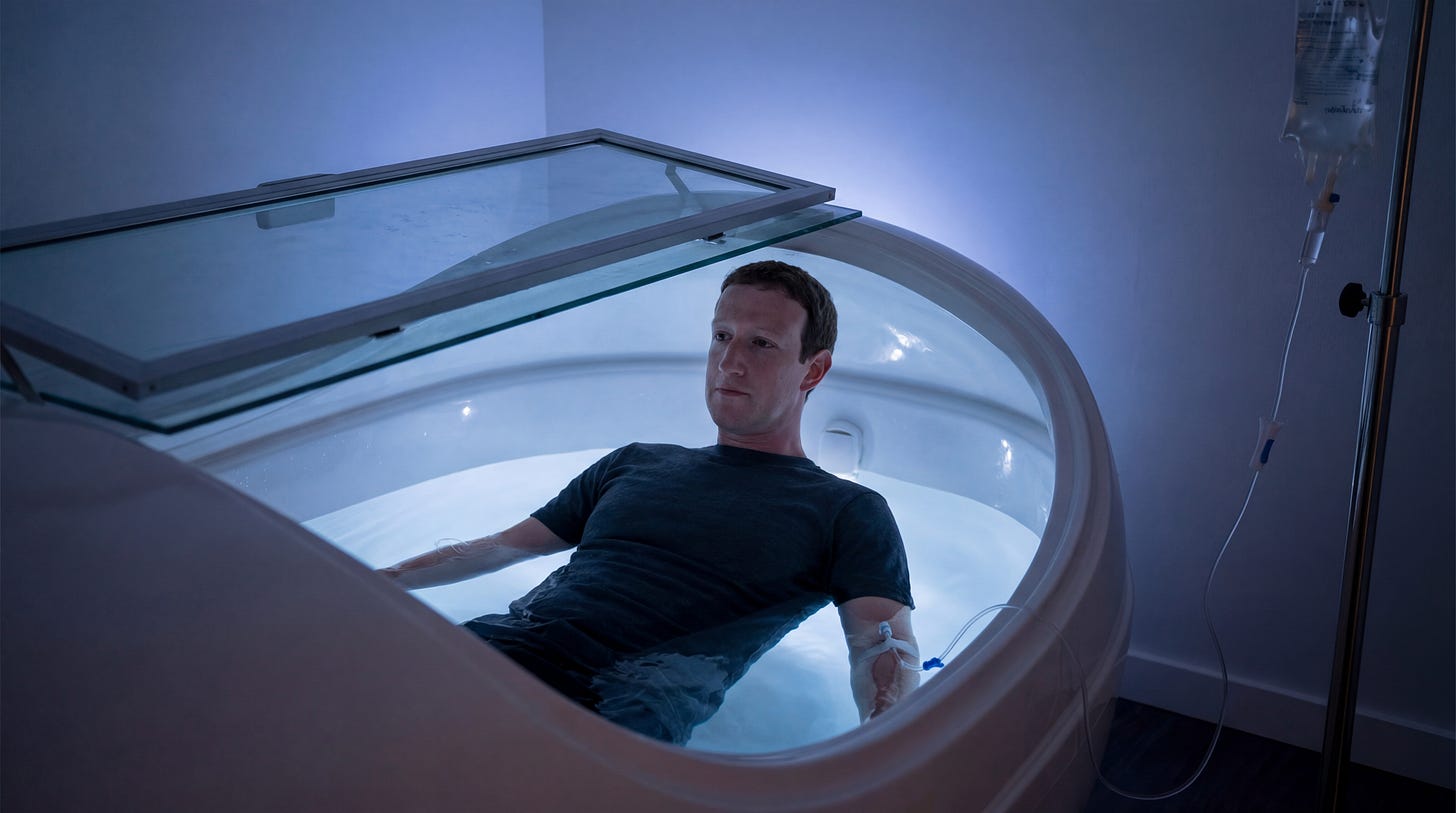
Not sure any of them are capable of making the switch, if I’m being honest, Adam. You’ve trained them all too well old mate – they couldn’t summon up an original idea if you put them on a drip and floated them in an isolation tank for a month.
What else you got for me?
“Unless you are under 25, you probably think of Instagram as feed of square photos: polished makeup, skin smoothing, and beautiful landscapes.”
I’m not under 25 and I sure as fuck don’t think of any beautiful landscapes when I think of Instagram. I think of fantasy landscapes created for smartphone screens by people who believe 100% saturation is a default.
But if you were under the illusion that you could view beautiful landscapes on Instagram then hold onto your hats, because Adam then reveals that “People stopped sharing personal moments to feed years ago.”
You know how many years ago, Adam? Nearly two decades, but thanks for catching up with the zeitgeist. It was right about the time social media stopped being ‘social’ and started being ‘content’ – and not long after we realised our ‘personal moments’ could be weaponised and used against us by ex-partners, psychos, our employers, advertising agencies, conspiracy wingnuts, data-brokers, the government and, lest we forget – you.
Skipping the staggeringly obvious statement in slide 8 that people choose instead to share via DM, we get to my favourite bit.
“The camera companies are betting on the wrong aesthetic. They’re competing to make everyone look like a pro photographer from 2015. But in a world where AI can generate flawless imagery, the professional look becomes the tell.”
Let that sink in for a minute. The bloke that championed a billion AI-generated posts on a platform whose primary function is engagement-at-any-cost reckons that the pursuit of natural realism is wrong.
Instead of shooting with optically perfect lenses on proper cameras with massive sensors that can record light and colour in staggering detail, we should just give up and throw the towel in, because AI can do it too. The machines have already won, Skynet’s gone live, HAL won’t open the pod bay door, Mother wants us to check out LV-426, we took the blue pill and the matrix has us.
You see the thing is, Mr Mosseri, you’ve got it arse about face. The only reason AI can generate (let’s not use the word ‘create’) anything more sophisticated than a puckered anus is because you stole our photographs.
Why the fuck should we be concerned about our photographs looking too ‘professional’ when we’re merely documenting reality, as we have for the last 200 years? Because Nano Banana Pro can now pull off a half decent landscape photo we should forget about recording actual photons of light in the real world and instead… what? Make them deliberately shit?


Your solution to the soul-less spirit-sucking creativity-void you built is to blame photographers for being too competent? Not the scraping? Not the training? Not the incentives you designed for us, the dumb schmucks who made your billion dollar business a success in the first place?
Abandon perfection and embrace the suck. Could be the new Instagram tagline.
And when everyone’s traded in their full frame cameras for point-and-shoots from 1994, so that their content looks ‘unproduced’ and ‘unflattering’ – what happens then? The AI models scrape that too so that it looks more ‘real’?
Ah yes, you admit that will happen too. But Adam, if “AI will create any aesthetic you like” then why the fuck should we bother changing? Your company and the other companies with generative imaging and large language models have already grifted the sum output of several thousand years of human creativity and now you’re saying it’s not enough?
How about you just remove all the fucking AI and give your platform back to the humans? Is that really such a huge leap of faith? You know, instead of just giving in, throwing in the towel and accepting our fate like extras in our own extinction event, grateful for the spectacle.
The rest of his PowerPoint deck is nothing more than a half-arsed, ill-thought-out, tone-deaf mea culpa.
“We’re going to move from assuming what we see is real by default, to starting with skepticism.” When you consider that Instagram popularised cheesy photo filters, some of us out here in the badlands have been ‘starting with skepticism’ from the very beginning. His platform championed fakery from the start. Instagram didn’t lose its authenticity. It industrialised its absence.
But again in slide 14 he shifts the blame onto someone else with a masterful exercise in gaslighting.
“It will be more practical to fingerprint real media than fake media,” he suggests. “Camera manufacturers will cryptographically sign images at capture, creating a chain of custody,” he says.
Interesting use of legal language there, Adam ‘chain of custody’ quite ironic considering Instagram has spent years destroying exactly that. Metadata discarded, context erased, originals mangled, and now suddenly the solution is for camera manufacturers to clean up the mess?
He suggests that Instagram needs to get better at surfacing provenance. “Who is behind the account?” he asks. Never who you think it is, that’s for sure mate.
Vast numbers of them are fully automated bots of course, but he hasn’t done much to address that issue has he? It was in the ‘too hard’ box – far simpler to gaslight legitimate users by suggesting that, “the creators who can maintain trust and signal authenticity by being real, transparent, and consistent will stand out.”
Real. Transparent. Consistent. Got it.
I’m not going to lie, this PowerPoint deck was a difficult read – and I say that as someone who once attempted The Da Vinci Code.
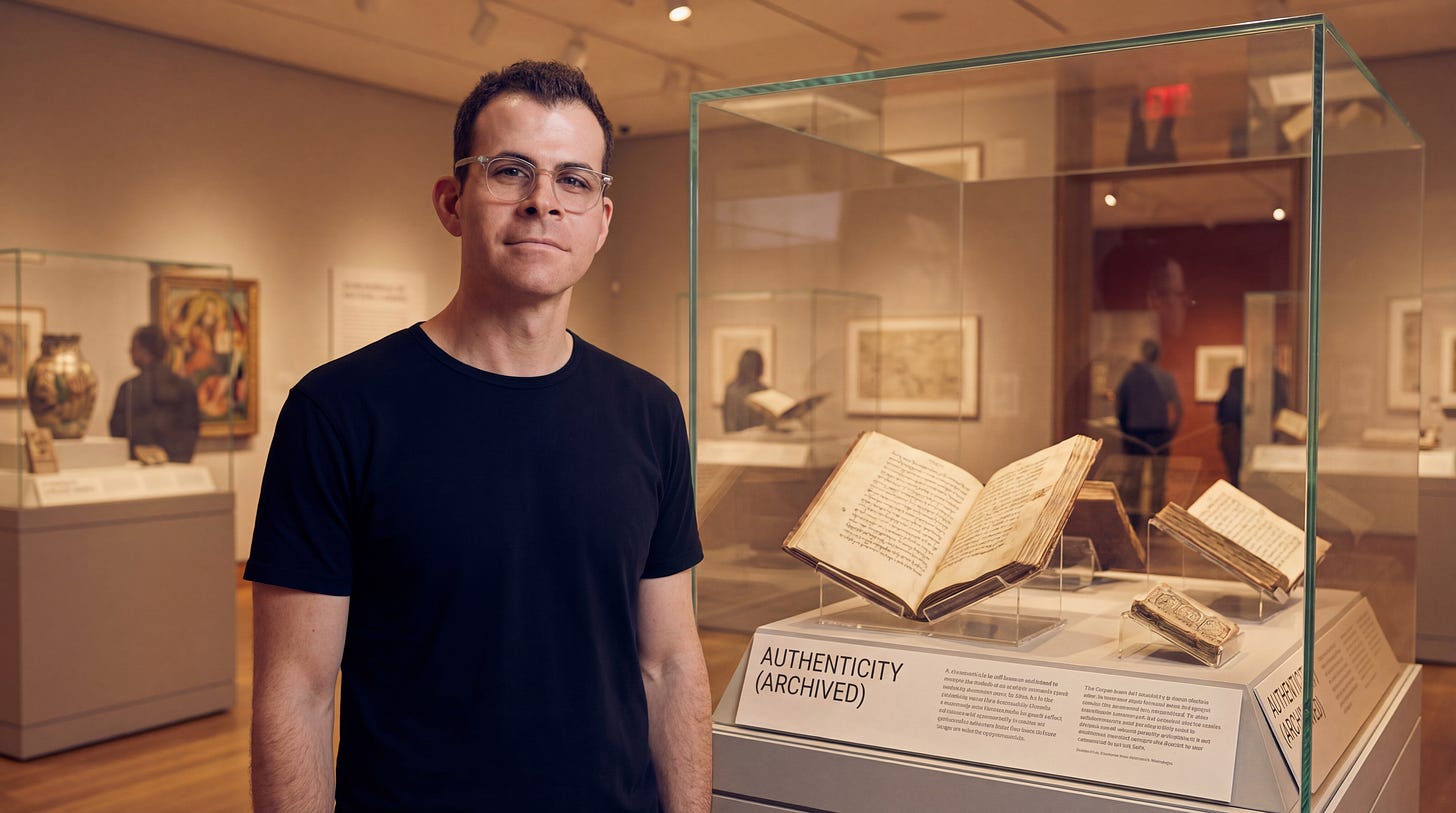
Once you strip away the buzzwords, the gaslighting and faux-philosophy, the core argument is a contradiction in terms so massive that it’s like claiming you’re saving a drowning man by standing on his head. The platform wants humans to behave in ways that make AI easier to monetise, then blames humans for the consequences. Mosseri has explained a problem his own company caused while pretending it arrived from the future.
He talks about Authenticity. Trust. Provenance. Chain of custody. Then blithely ignores the fact that Instagram has undermined every single one of them, deliberately, for years.
His thought-bubbles read like an autobiography. It’s not a vision for the future, but a confession about a platform that no longer believes in its own product.
Authenticity isn’t scarce. Trust is. And Instagram burned through the fucking lot, with a knowing smile and a flamethrower.
Also published in RAW & Unfiltered on Substack.