Did Nano Banana Pro Kill Photography or Just Photo Editing?
I Can’t Tell What’s Real Anymore
 Andy Hutchinson
14 min read
Andy Hutchinson
14 min read
T
wo and a half years ago I made a video about generative AI and photography that became the most watched thing I’ve ever uploaded. Perhaps because I accidentally hit the zeitgeist, or perhaps because the title had the word ‘porn’ in it – who knows.
At the time it seemed very obvious to me, given the way that generative AI was developing, that we were at an inflection point – one of those periods when everything gets upended. And this week, as I tested the latest version of Google’s generative imaging model, I realised that the future I talked about in that video had arrived.
And this week, as I tested the latest version of Google’s generative imaging model – Nano Banana Pro – I realised that the future I talked about in that video had arrived.
It Doesn’t Have to be the Future
As someone who loves photography, I’ve been paying very close attention to the speed with which generative imaging has matured over the last couple of years. I didn’t want to find myself in a situation where I was caught unawares by the speed of change and blind to the volume of AI-generated imagery I was being exposed to.
But I also knew that the day would undoubtedly arrive when a model broke out of uncanny valley and looked, even to the expert eyes of photographers, to be legit. And while the end results aren’t always consistent, and sometimes it’s still pretty easy to spot the fakery, I think that Google have got most of the way there with this latest model – Nano Banana Pro.
All it has taken is trillions of dollars worth of server farms, a precarious potentially devastating economic bubble, and another half degree of global warming. Yay!
Before I get into the results of my tests, I would like to point out that the existence of generative models as good as Nano Banana Pro does not stop us from taking photographs. We can carry on exactly as we have – photographing the world around us, documenting events, shooting portraits, astrophotography, whatever floats your boat. Nothing has to change.
If you shoot photos for yourself, because you like the challenge of it, or just because – like the kind of weekend fishermen who never seem to catch a fish – you just like being outside and in your own head for a bit, then none of that has to stop.
But it’s also important to note that it’s now impossible to trust the authenticity of a photograph simply by scrutinising it. Not all of the photos created or modified using this tool will fool you, but I’m certain that a high percentage likely will.
In order to see how things had progressed, I trawled back through my Midjourney history and found the original generative images I used in my aforementioned video, which I admit look comically, obviously AI now. And I’m a bit embarrassed about how impressed I was with them at the time.
I ran some of those same prompts through Nano Banana in order to compare the outputs of early 2023 Midjourney with late 2025 Google. I also did some generative editing of my own photographs, which produced eye-opening results.
The Generational Leap
The differences between 2023 and 2025 generative AI are stark enough to be genuinely unsettling. I ran the same prompts through both systems – simple requests like “an old man pushing his mobility walker down a street in the north of England” – and the results tell you everything you need to know about how far this technology has come in barely two years.
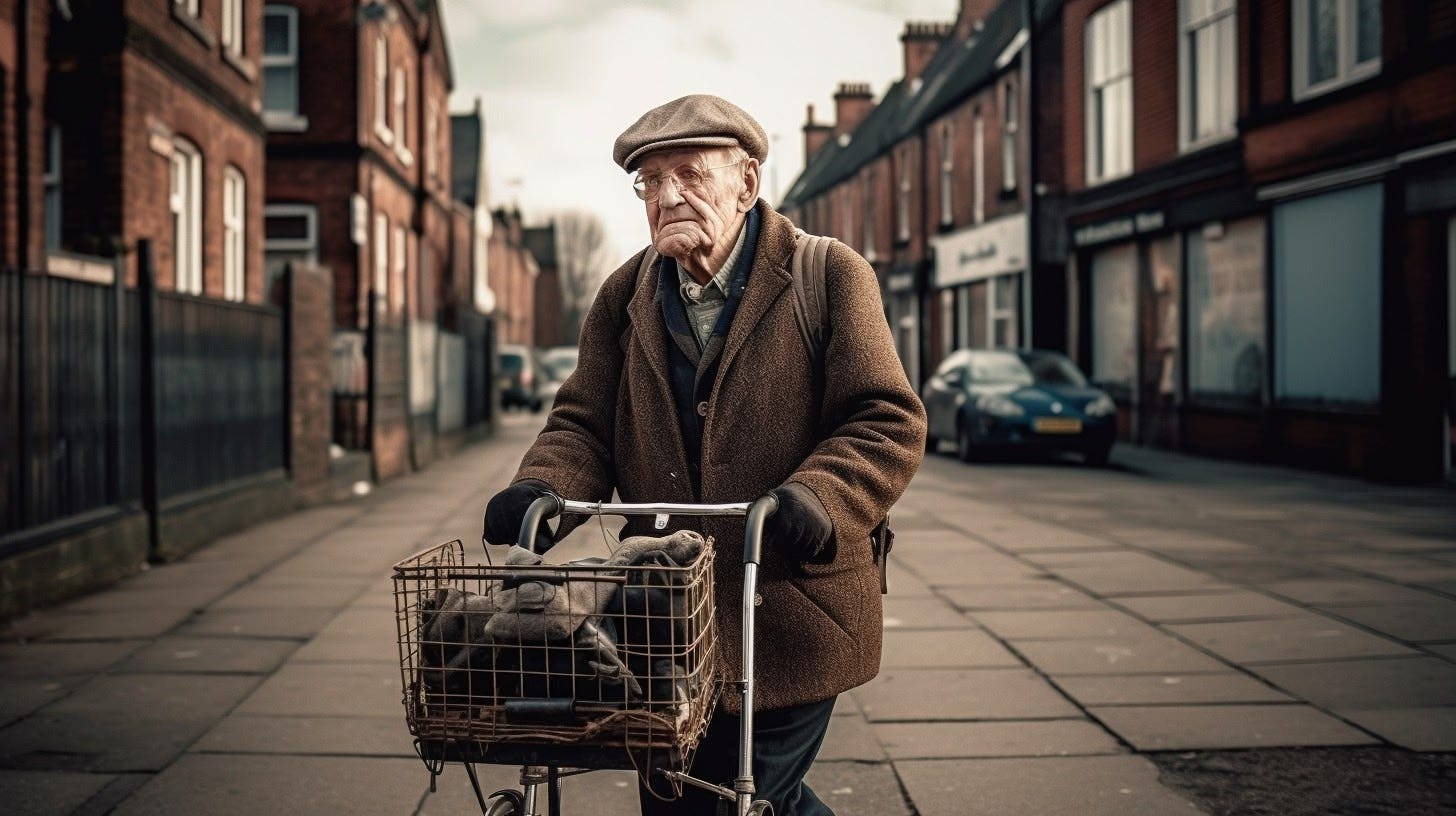
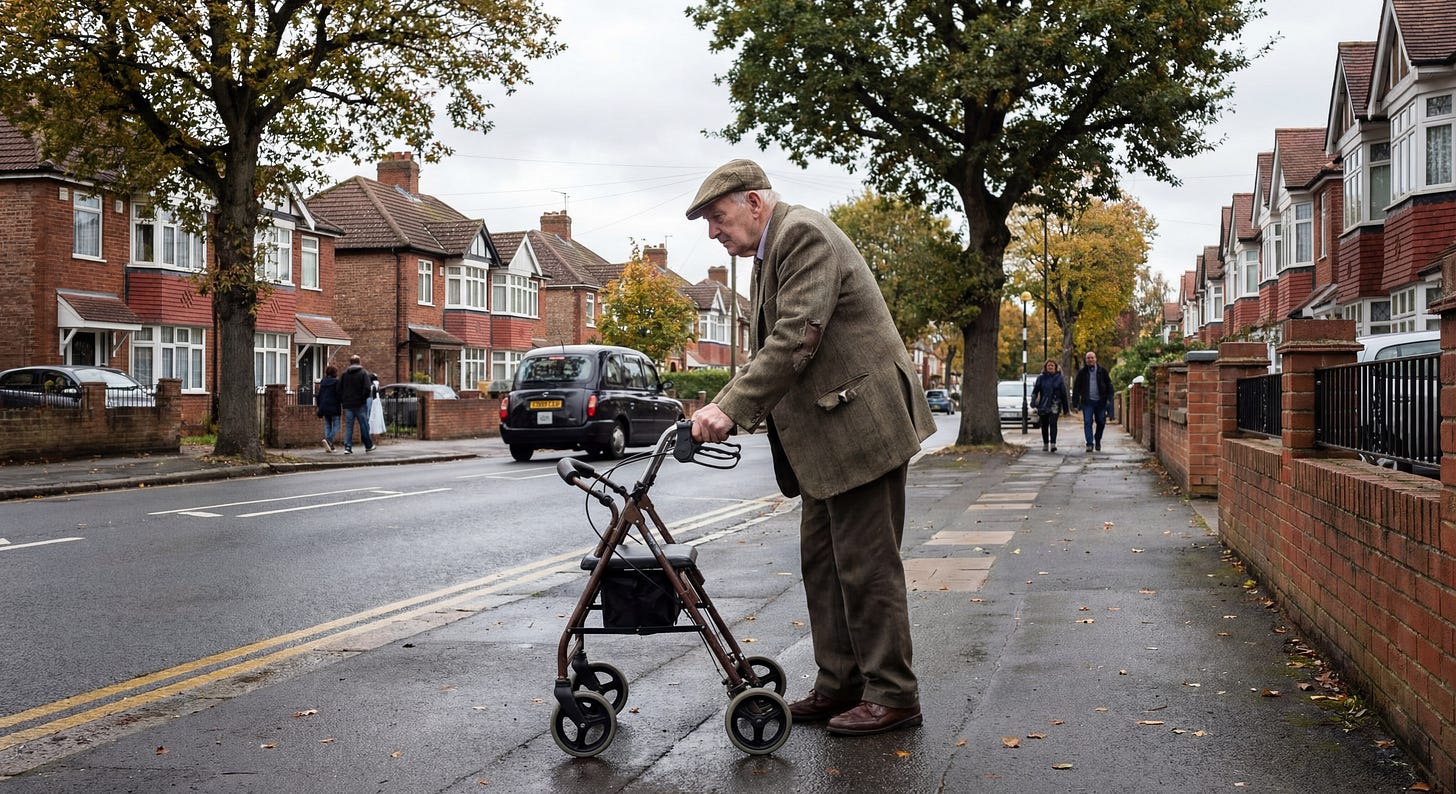
The Midjourney version from 2023 looks like what it is: graphic art attempting to masquerade as photography. The 2025 Google version looks like a photograph I could have taken myself. Completely realistic old bloke, completely realistic mobility walker (my old dad had one exactly like it), nicely blurred people in the distance as if shot with shallow depth of field. The only ‘tell’ is the number plate on the taxi in the background, which dissolves into gobbledygook when you zoom in. Easily fixed in post, of course.
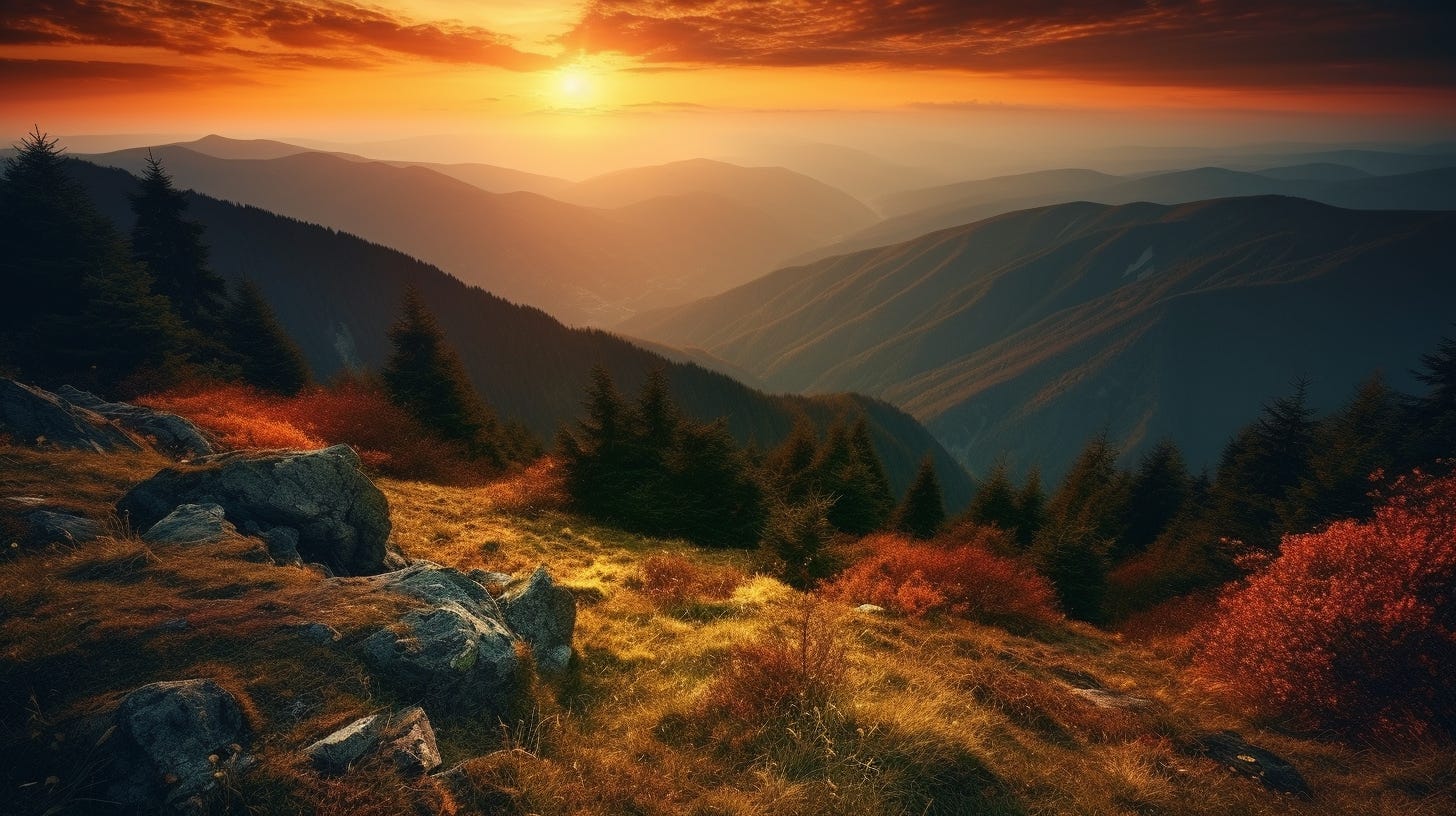
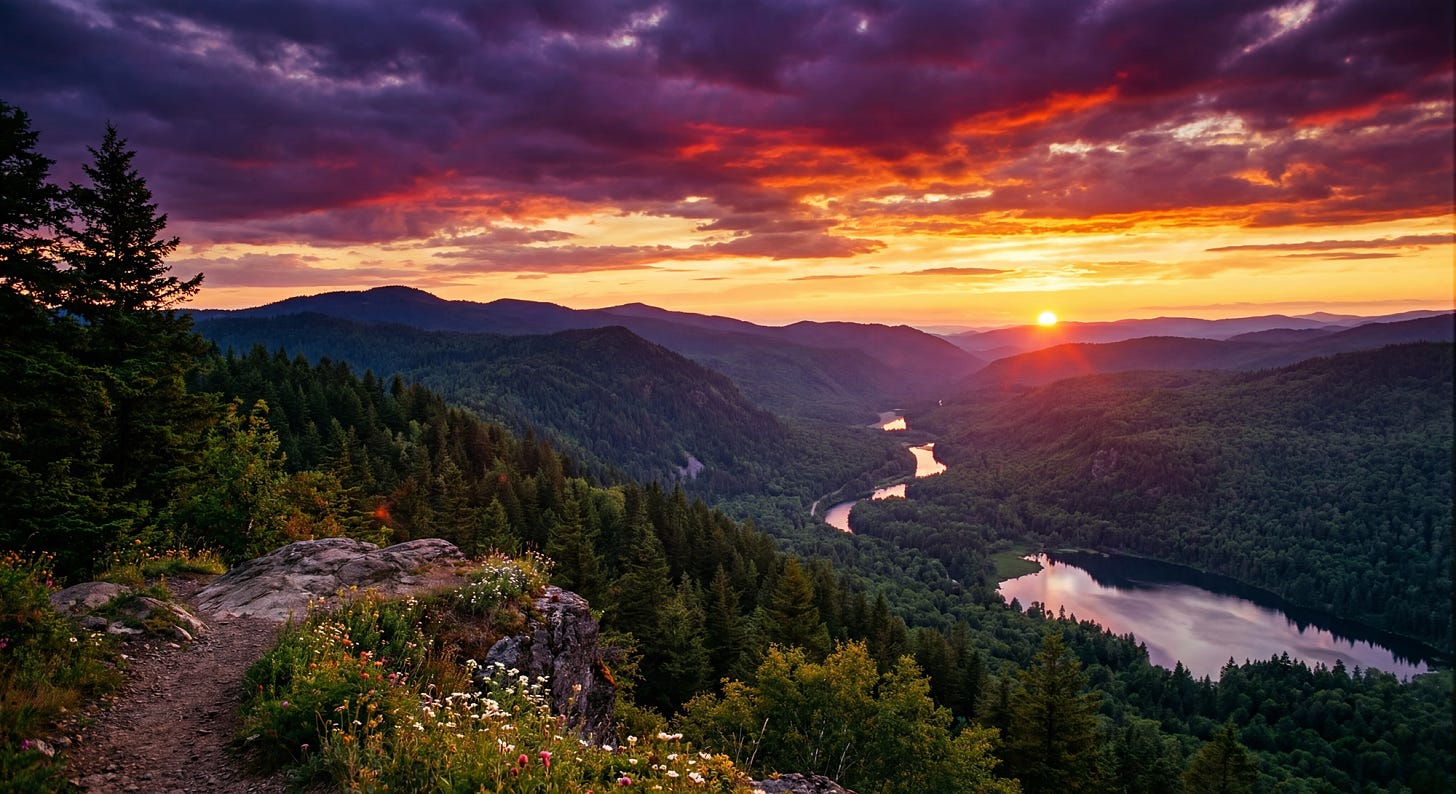
Landscapes show the same progression. The forested mountainous hillside prompt that gave Midjourney fits in 2023 – producing something with that telltale CGI quality when you examined the trees – now comes out of Google looking indistinguishable from a hundred photographs sitting in my Lightroom catalogue. It’s nailed the way my Canon DSLR used to render sun flare, the quality of light at golden hour, even the believable distribution of detail across the focal plane.
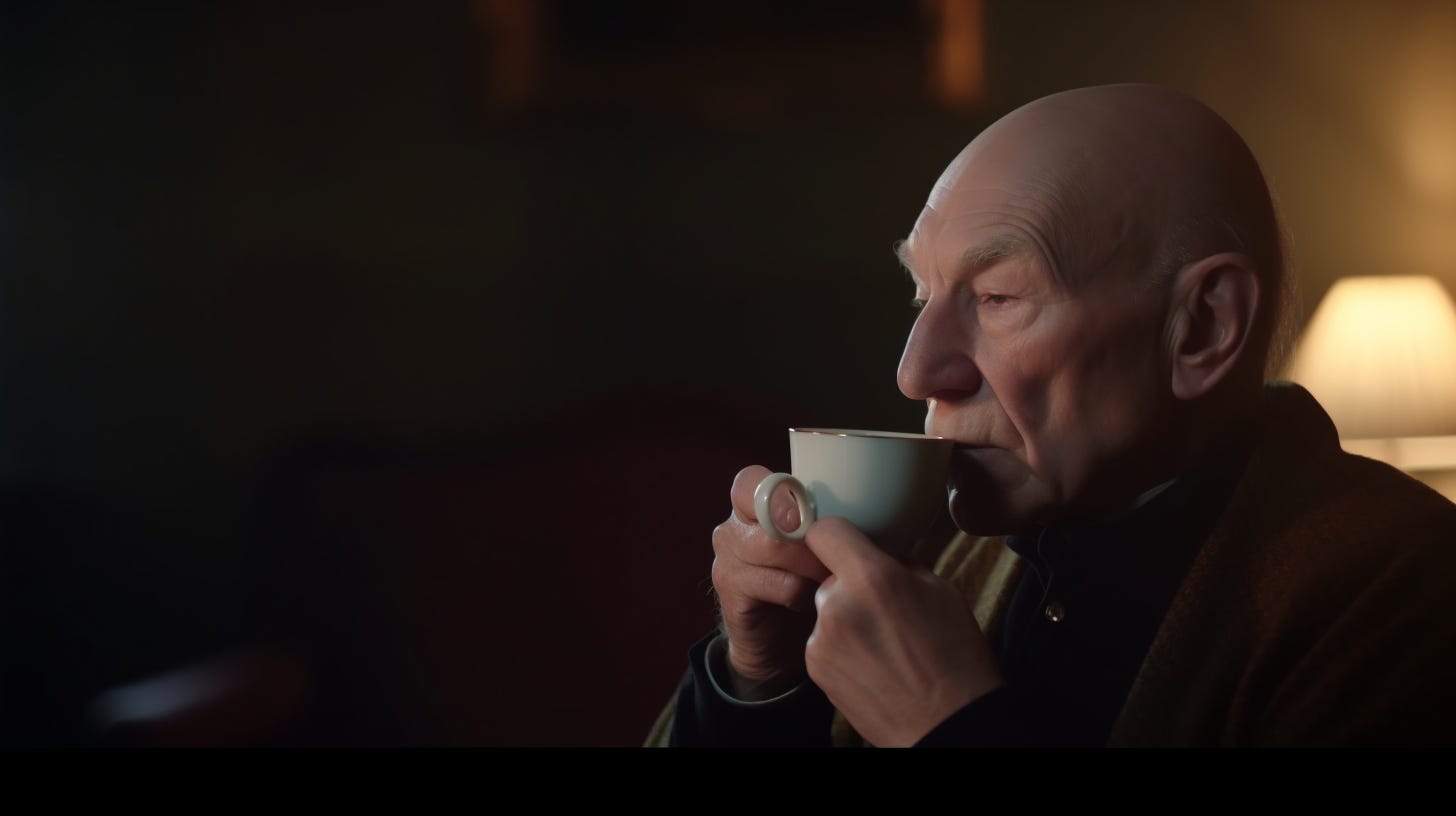
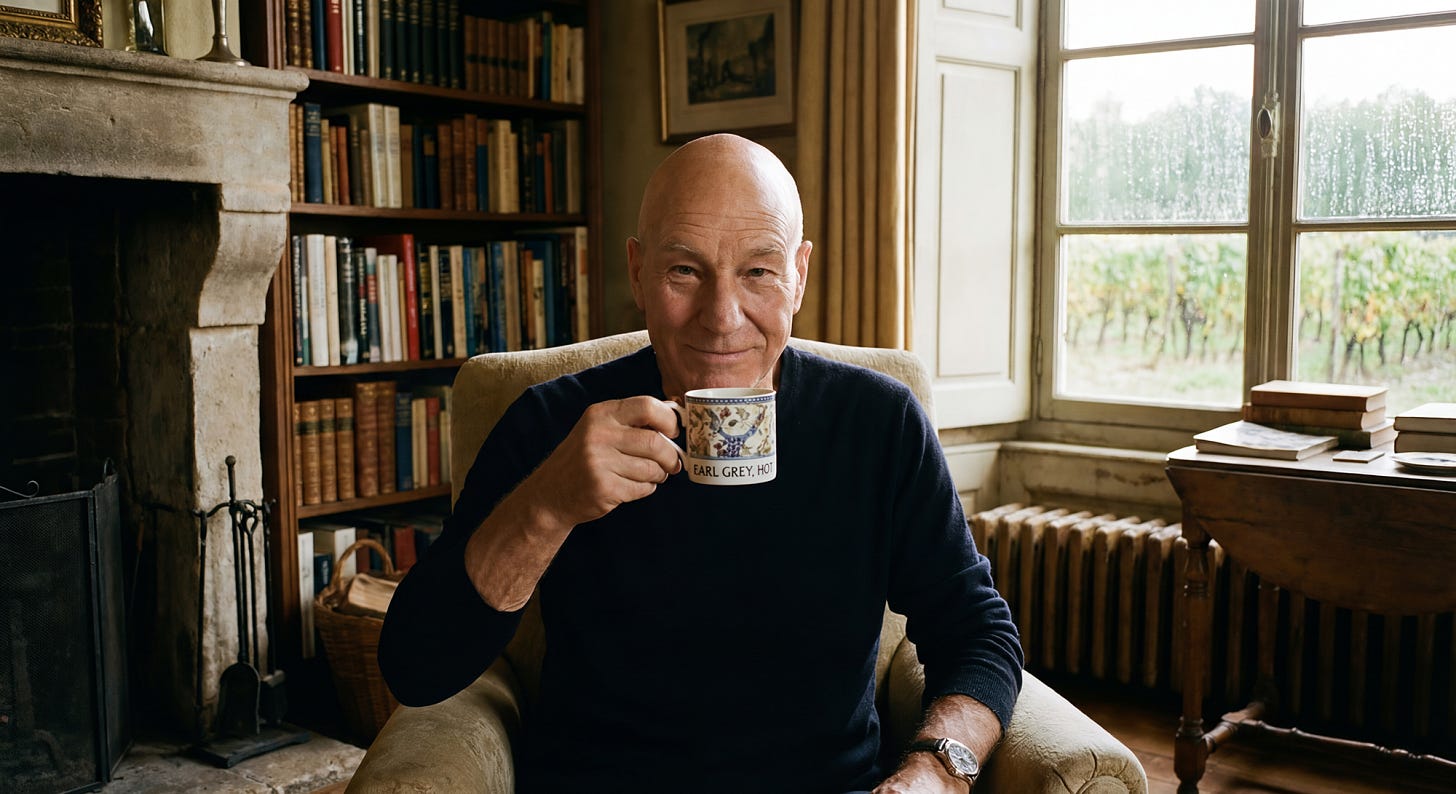
But it’s the portrait work that crosses over into properly disturbing territory. When you zoom into the faces of these generated people, you find follicles and skin texture and the subtle variations in tone that come from actual human skin catching actual light. It’s stopped making the weird smoothed-out mannequin people that were so easy to spot a couple of years back. These look like photographs of real humans.
Rewriting Your Own Reality
The really eye-opening stuff happened when I started using Nano Banana Pro to modify my own photographs rather than generating images from scratch. Because this is where it stops being a novelty and starts being an actual threat to the integrity of photography as a medium.
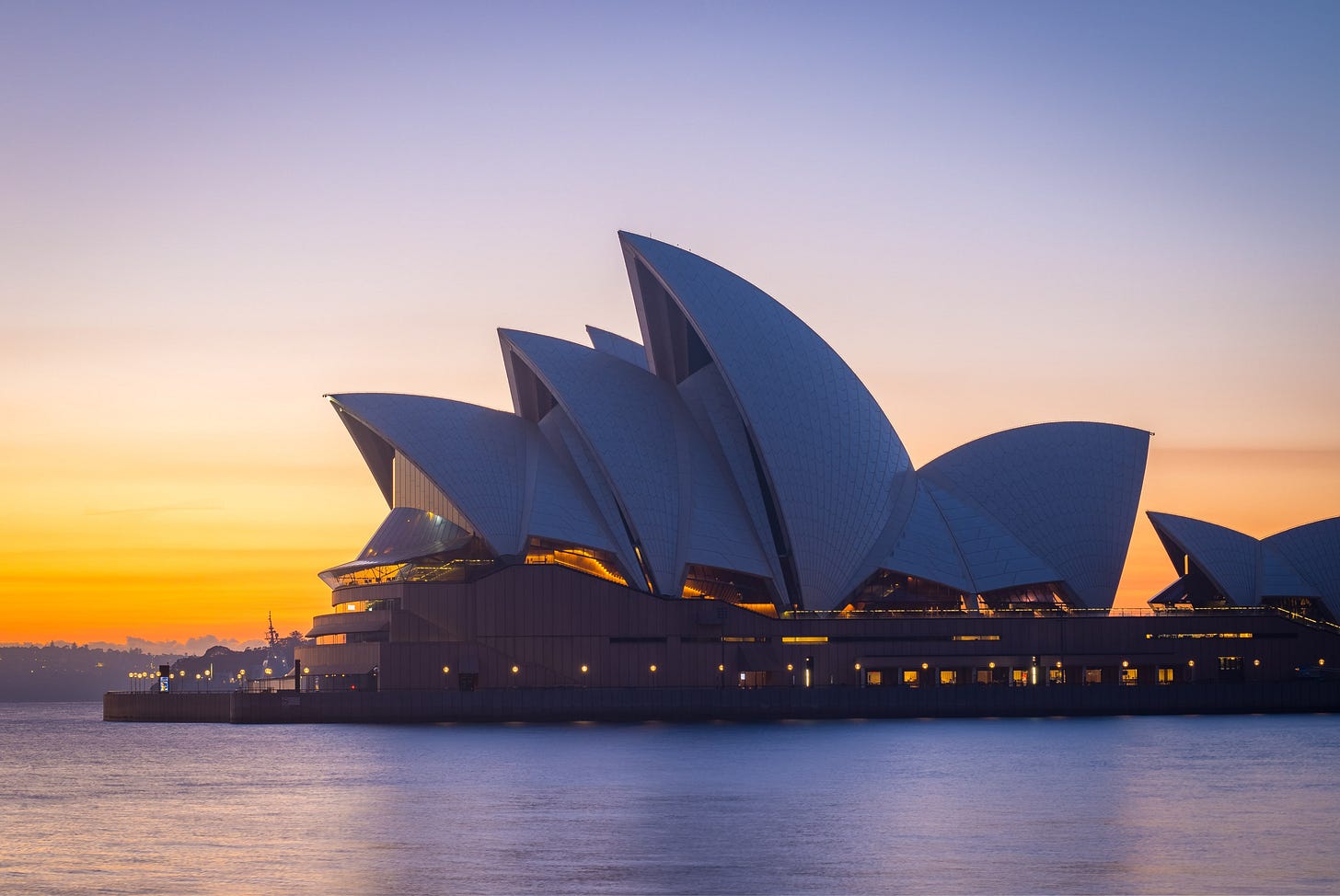
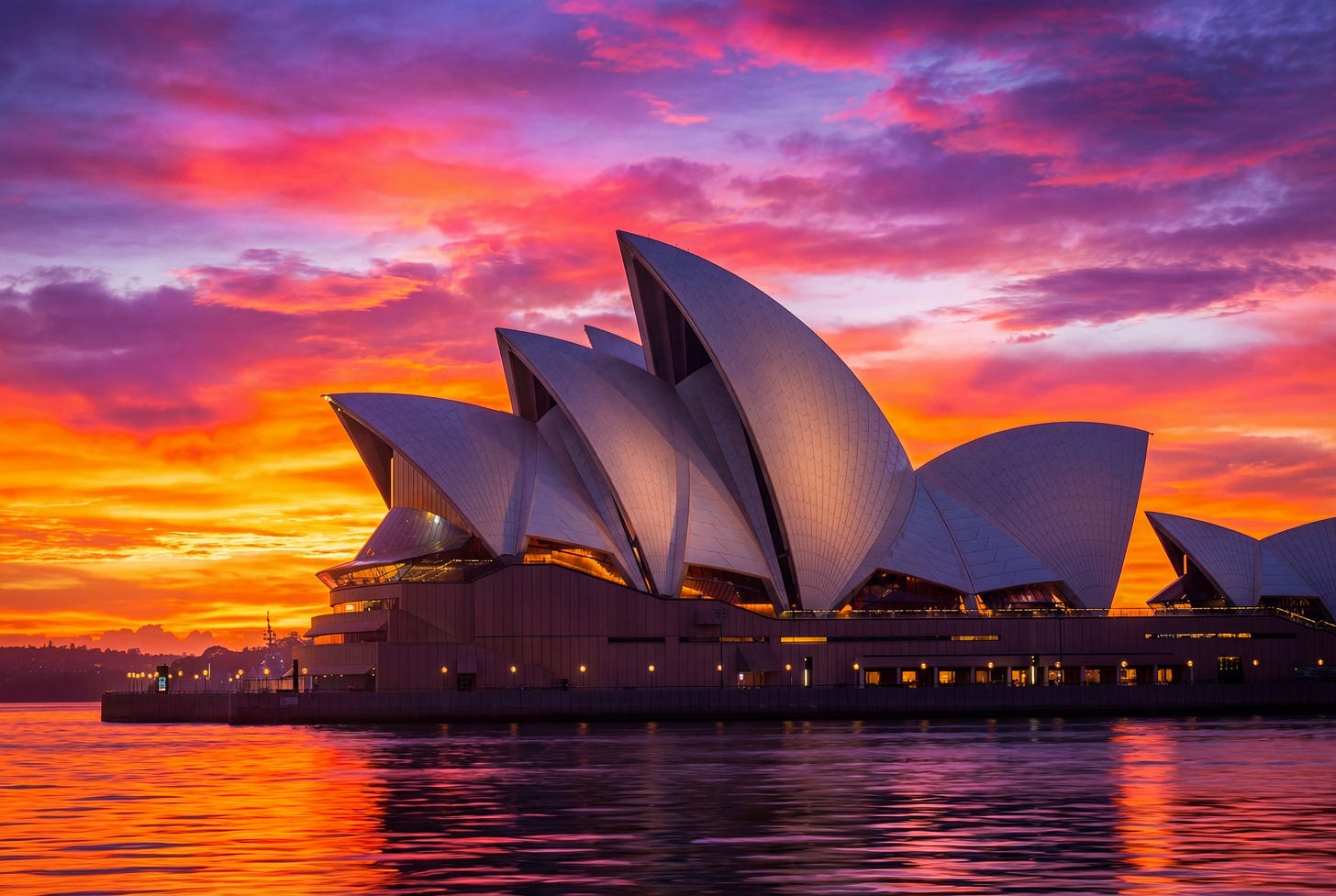
I took a photograph I’d shot of the Sydney Opera House at sunrise – perfectly acceptable shot, nice bit of detail, but nothing special – and told the AI to make it more vibrant, make the sky really kick off. What came back was the same photograph completely and authentically re-lit, as if I’d been there on a different morning when the sky decided to put on a proper show. Every brick is present and correct, it hasn’t added an extra sail to the Opera House, but the light has been fundamentally transformed in a way that would have taken hours of painstaking work in Photoshop, if it was even possible at all.
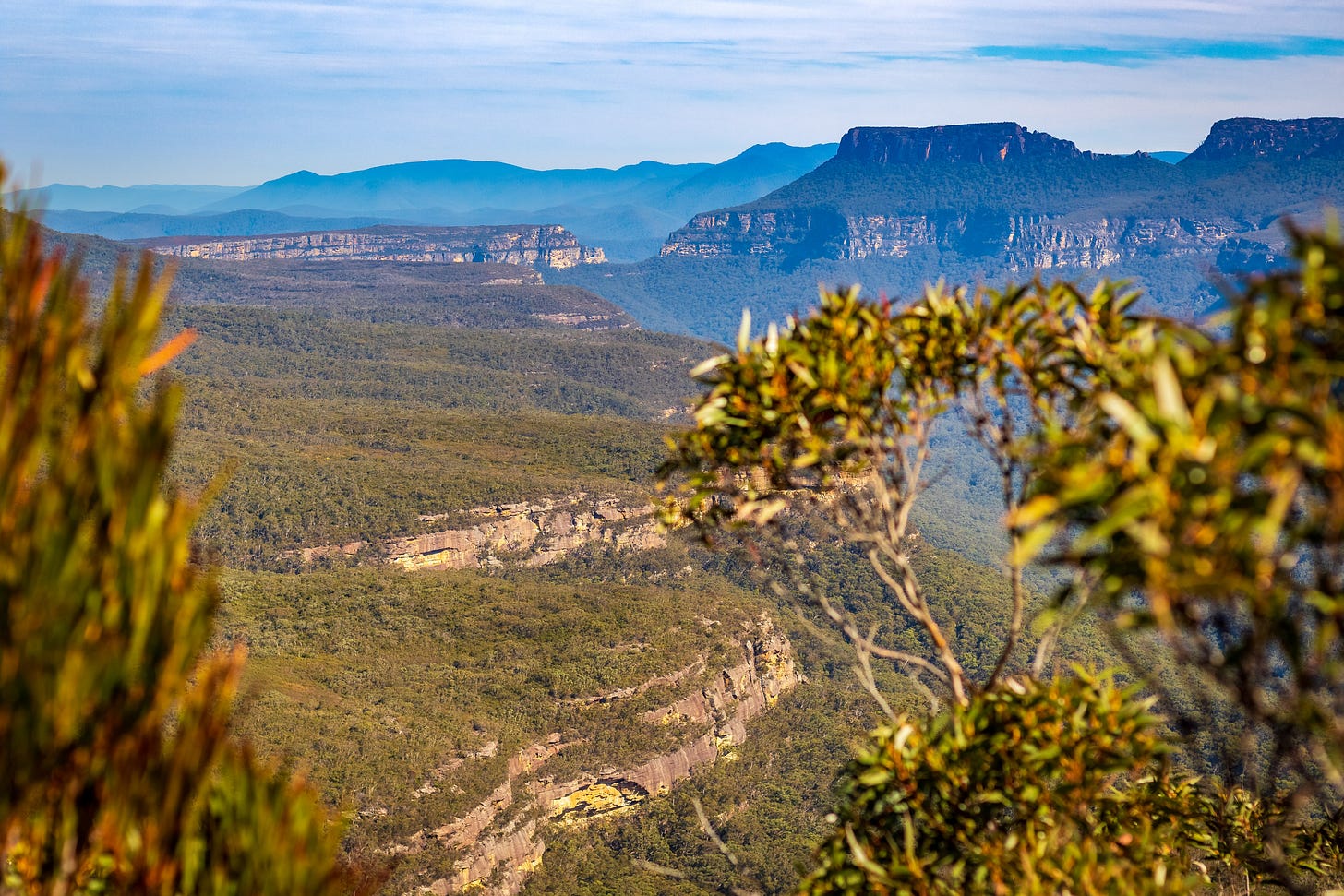
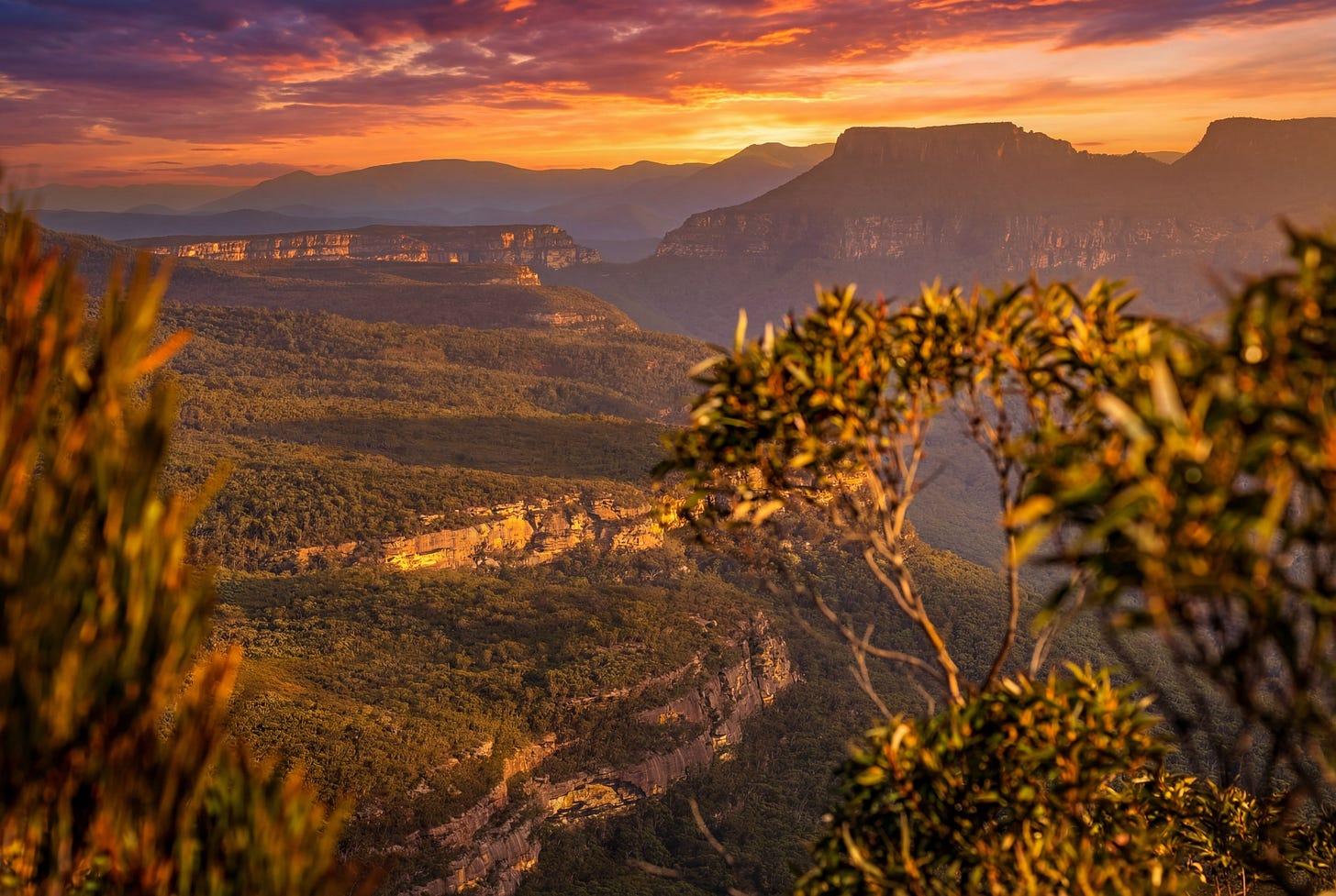
Then I tried something trickier. I had this midday shot from Morton National Park near where I live – harsh light, flat conditions, the kind of photograph you take because you’re there and you’ve got your camera but you know it’s never going to be a keeper. I asked Nano Banana Pro to change it to sunset. What it did was reconstruct the entire lighting scenario – shadows falling correctly for the new sun position, warm tones washing across surfaces that would catch that light, cooler tones in the new shadow areas. All the rock detail faithfully preserved, all the trees and landforms kept intact, just comprehensively relit as if I’d come back at golden hour.
Theft as a Service
One of the things that marks out one photographer from another – beyond what they shoot and how they compose – is the way they process their images. Colour grading, tonal decisions, the aesthetic choices that make a Marc Adamus landscape instantly recognisable, or a Daido Moriyama street photograph unmistakable.
Nano Banana Pro can steal that too.
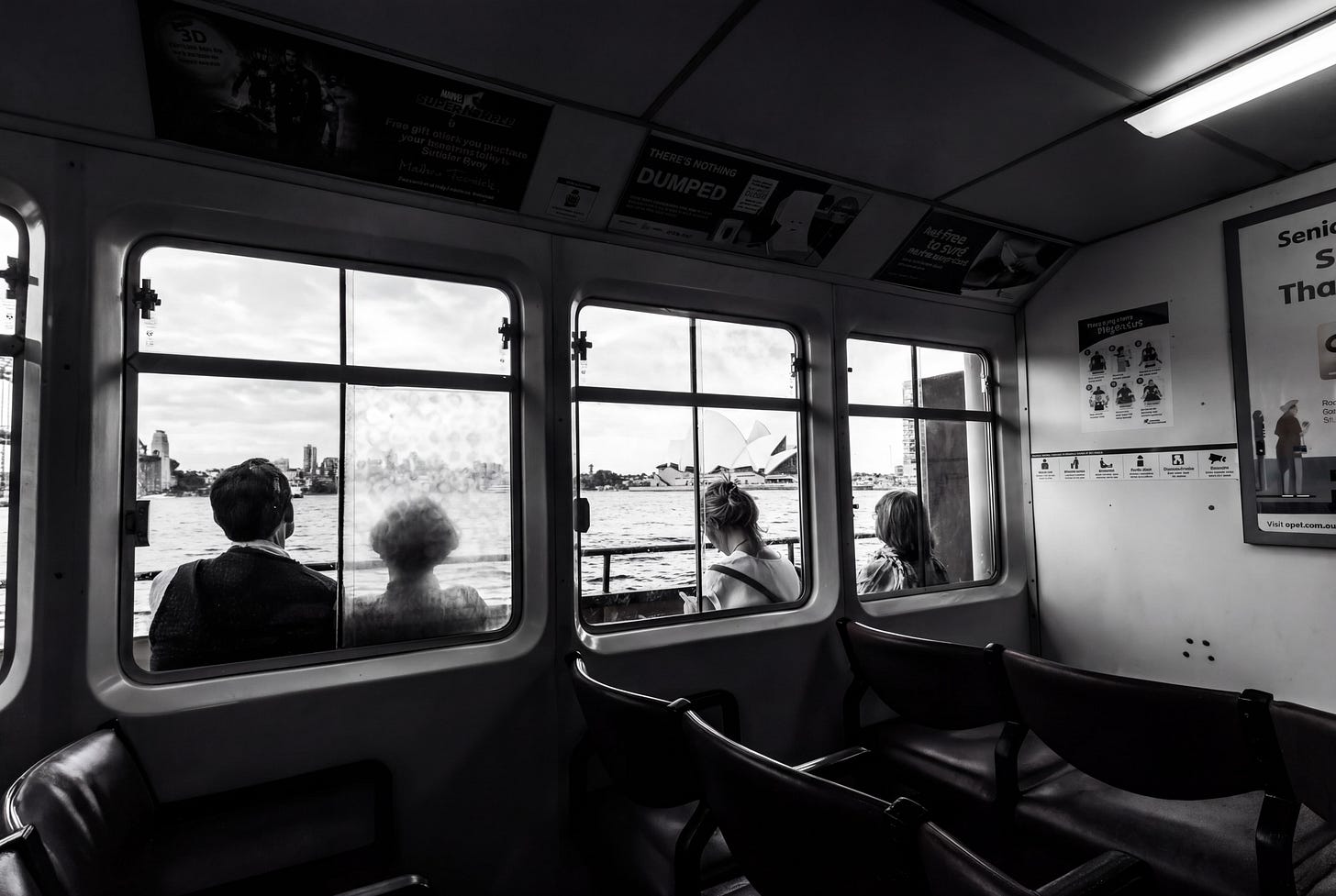
I took a thoroughly ordinary photograph I’d shot of the south coast on a regular daytime outing and told it to reimagine the image in the style of Marc Adamus. What came back had the Adamus touch – that particular quality of light and colour that he’s spent years developing as his signature. I did the same with a ferry photograph, asking for the Daido Moriyama treatment, and got back something with his characteristic high-contrast blacks and brilliant whites.
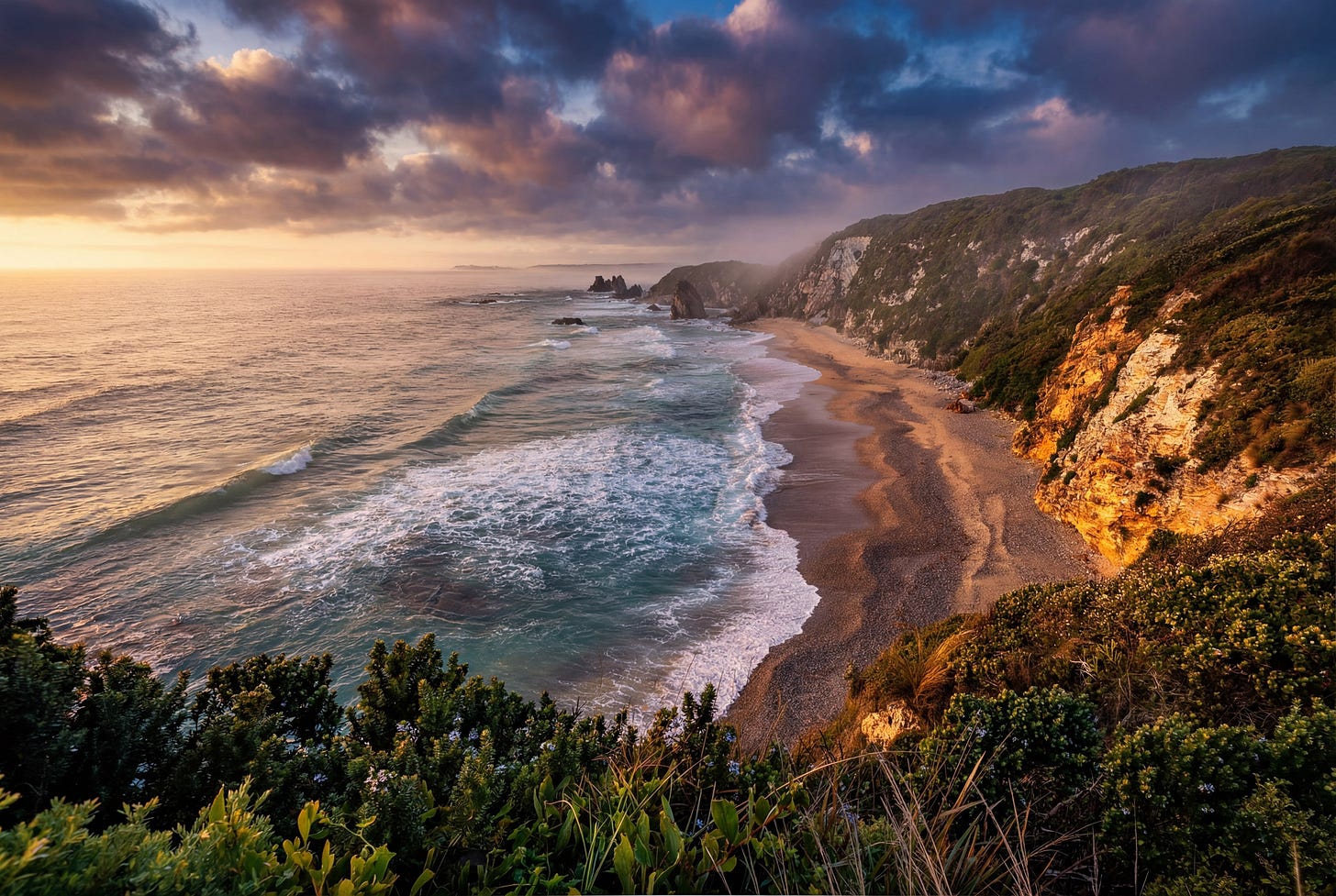
It doesn’t always work perfectly – when I asked it to do a Saul Leiter interpretation it got a bit confused and added rain on a window that didn’t make sense for the scene – but when it works, it works disturbingly well. Who needs Lightroom presets when you can just nick the aesthetic of any photographer whose work the algorithm has been trained on?
The Influencer’s Wet Dream
When I started playing with the tool’s ability to add and remove elements from photographs, I immediately thought: the heads of tourism organisations and social media influencers are going to absolutely love this thing.
I had a shot of a local beach that was perfectly fine but not exactly Instagram gold. So I asked Nano Banana Pro to add some dolphins jumping through the wave. And it did. Beautifully realistic dolphins, properly integrated into the water, spray and all. Instant engagement bait.
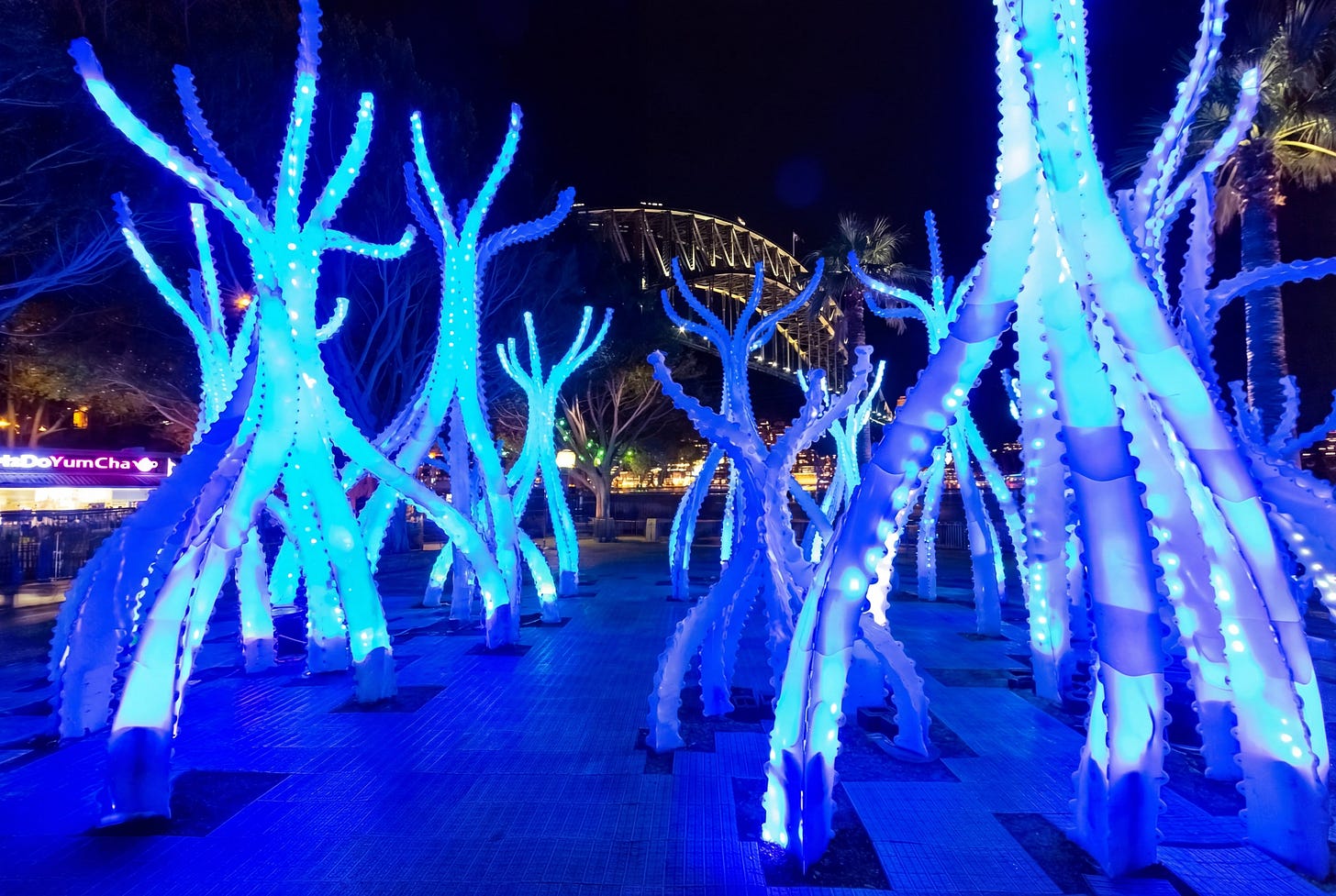
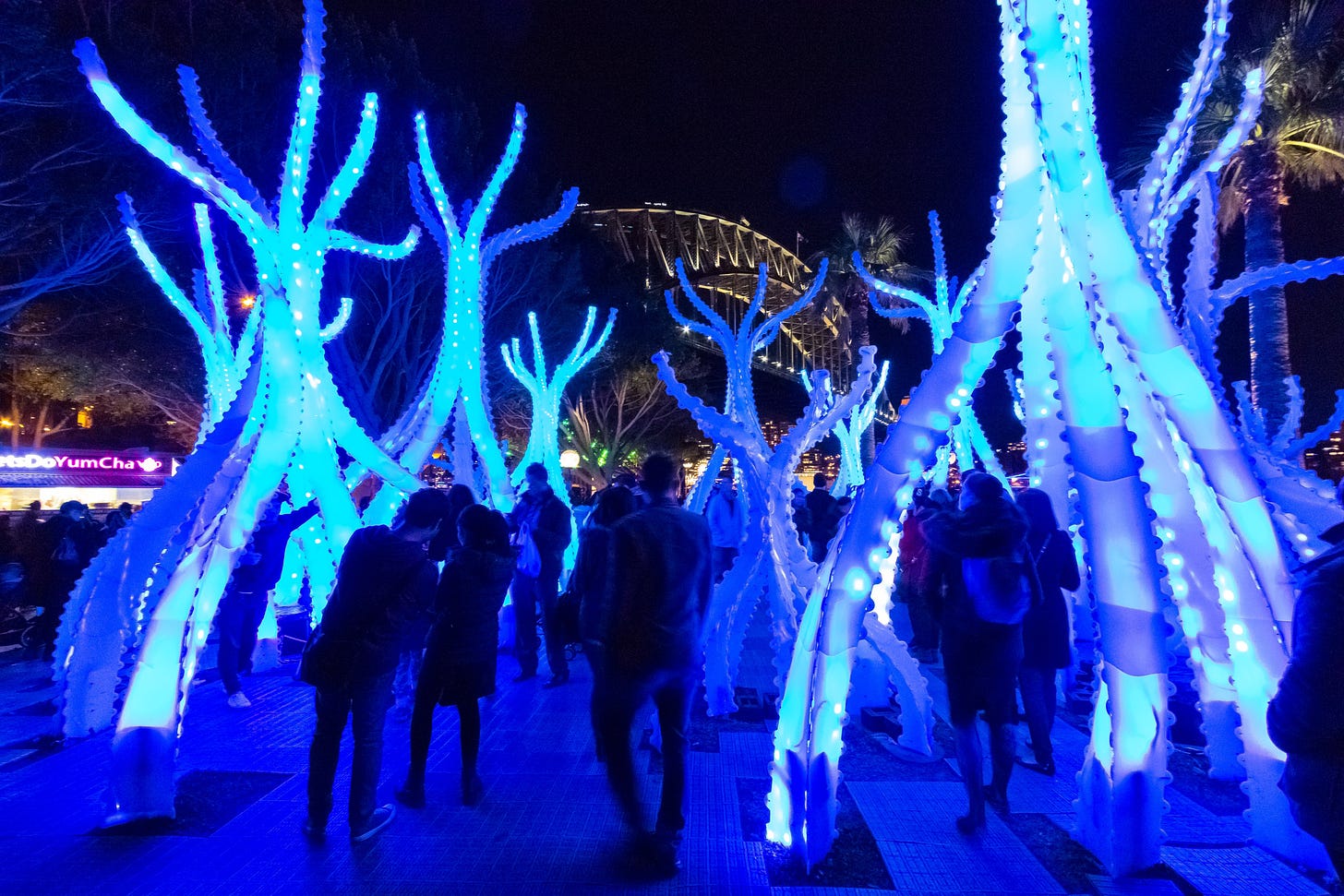
Then there’s the eternal photographer’s problem: you’ve lined up the perfect shot and there are people standing exactly where you don’t want them. I tested this with a photograph of a light installation in Sydney where tourists were partially obscuring the structure. Asked the AI to remove them. It did, and then went further – reconstructing the parts of the installation that had been completely blocked, matching the style and lighting perfectly.
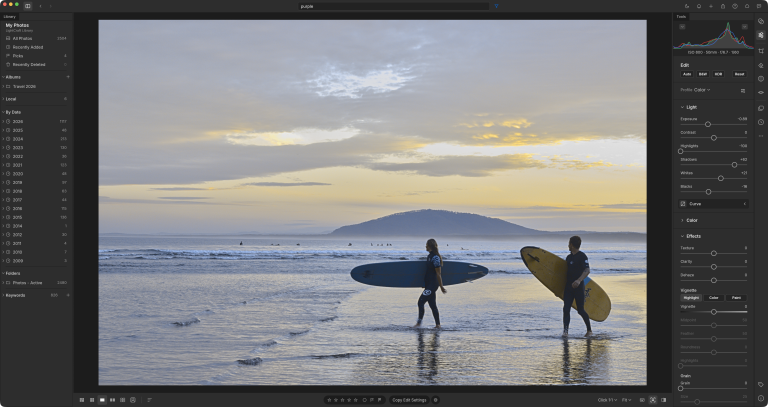
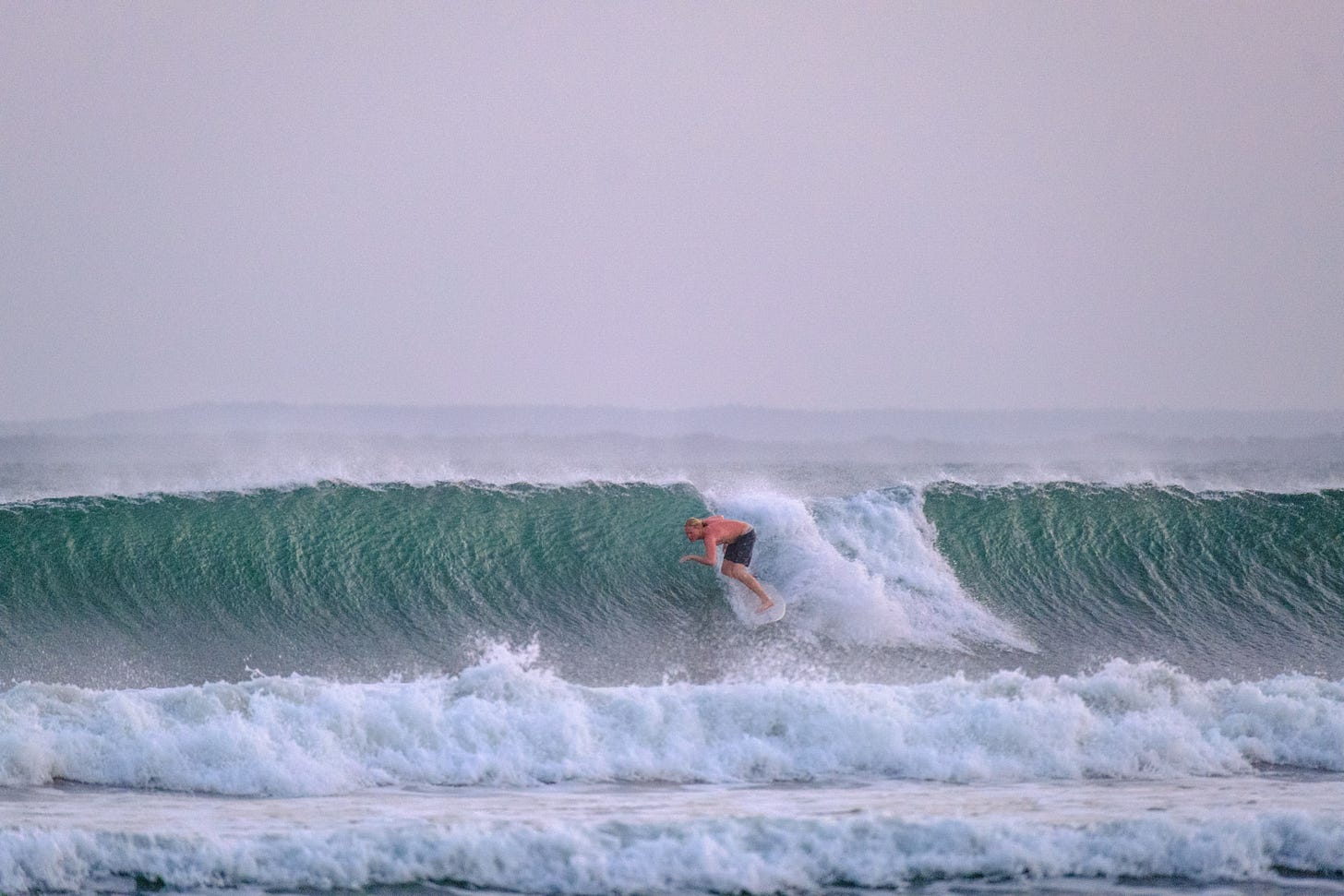
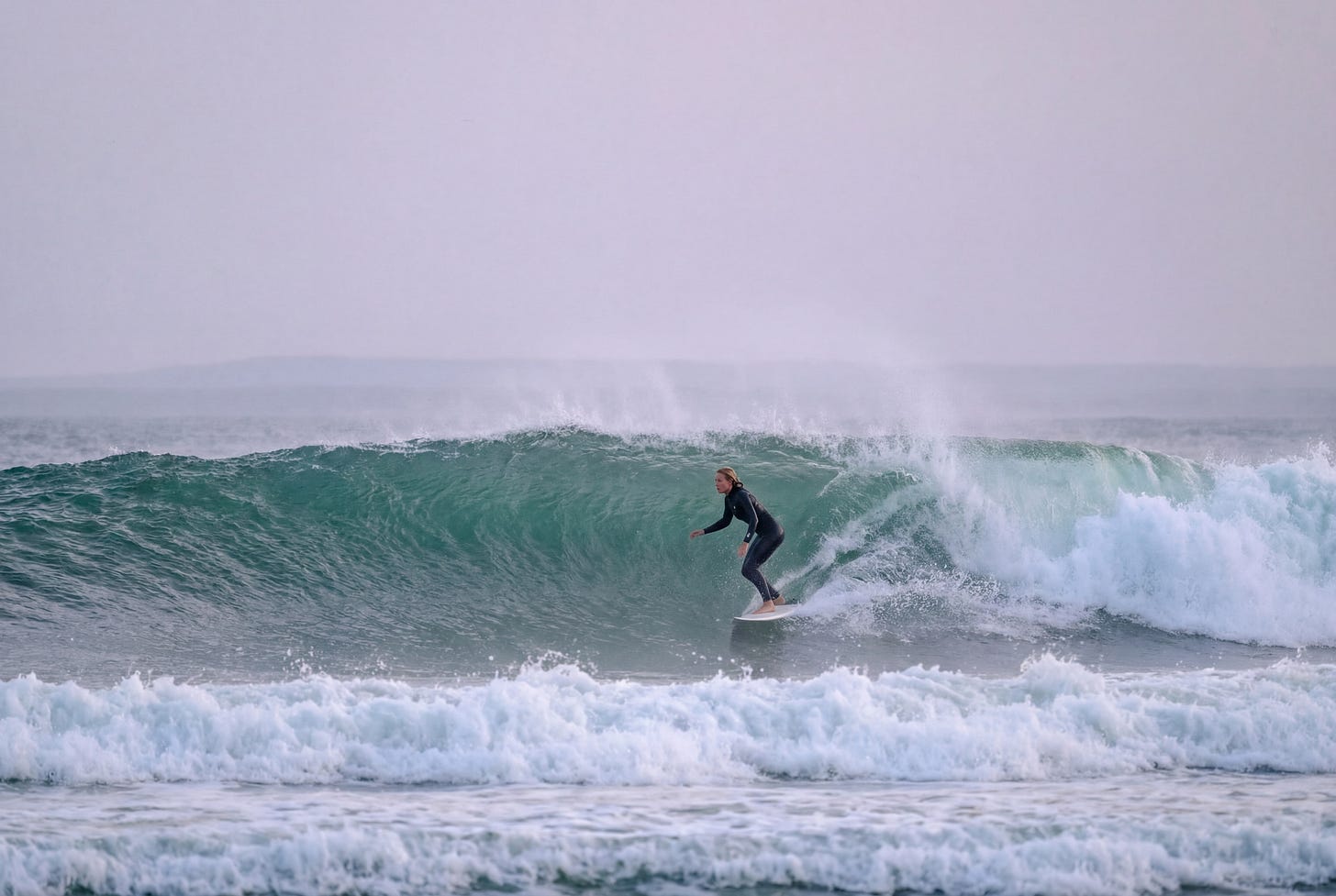
I had a photograph of a lone surfer heading out at dawn. Thought it might be nice to have a woman surfer in there too for compositional balance. Added one. The AI generated her complete with realistic water splash, wetsuit catching the early light from the correct direction based on the existing lighting in the scene, even a believable wake pattern behind her surfboard.
Don’t like the male surfer? Easy – replace him with a woman. The results are sharper than my original, better composed, more professionally finished. And completely, utterly fake.
Just for laughs, I grabbed a screenshot from Google Maps Street View of the Royal Crescent in Bath – one of those low-quality compressed tourist reference images – and asked Nano Banana Pro to remove the cars and text overlays. It cleaned it up beautifully, reconstructed obscured architectural details, and as a bonus removed some scaffolding that was cluttering up the shot. It was instantly ready to illustrate a travel article without ever having been there.
Anywhere, Anytime, Anyone
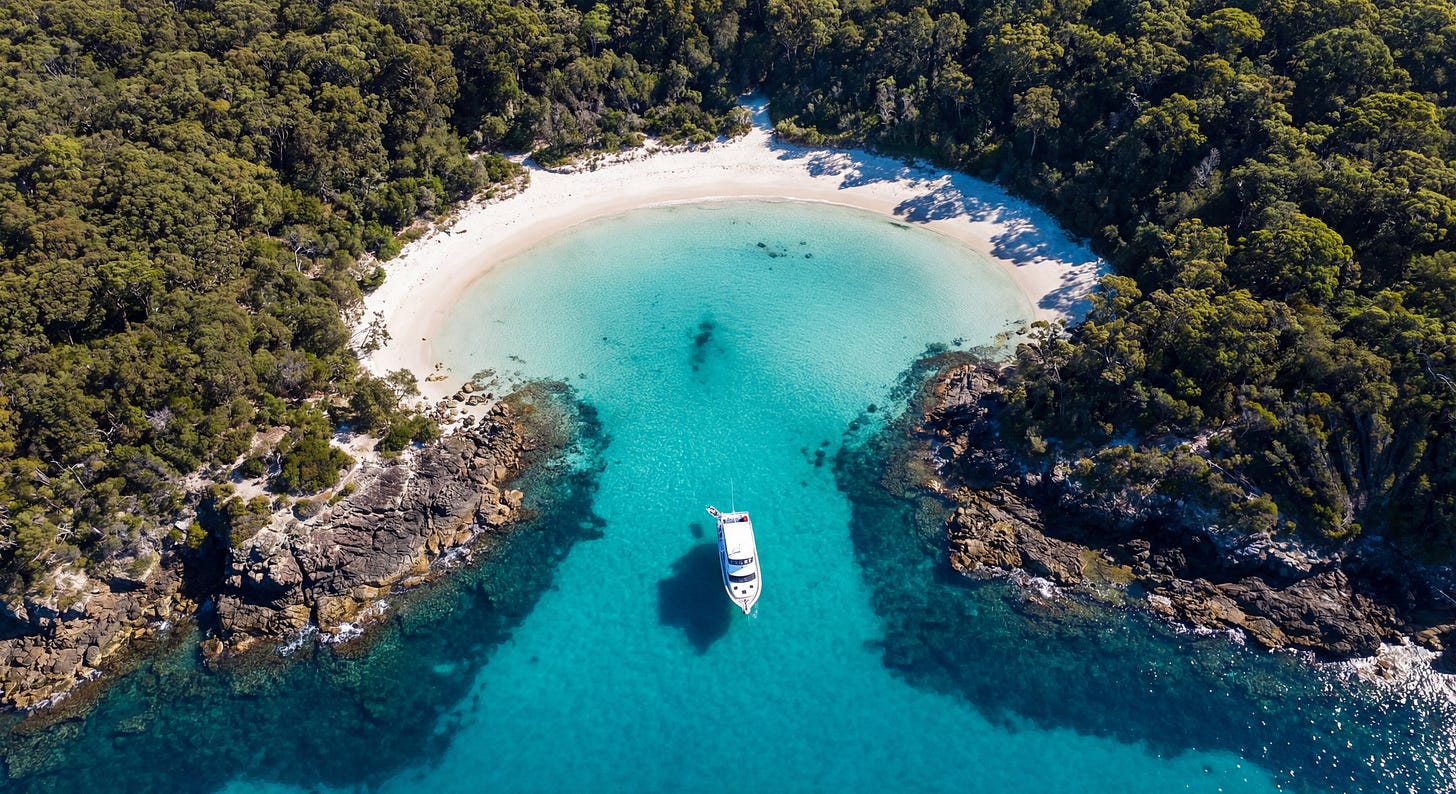
Here’s where it gets properly fucked: I asked Nano Banana Pro to create photographs of specific real-world locations I named. Not “a beach” or “a waterfall” but Honeymoon Bay in Jervis Bay, with a tourist boat in the inlet. The result was geographically accurate. I know that beach intimately and the AI got it right.
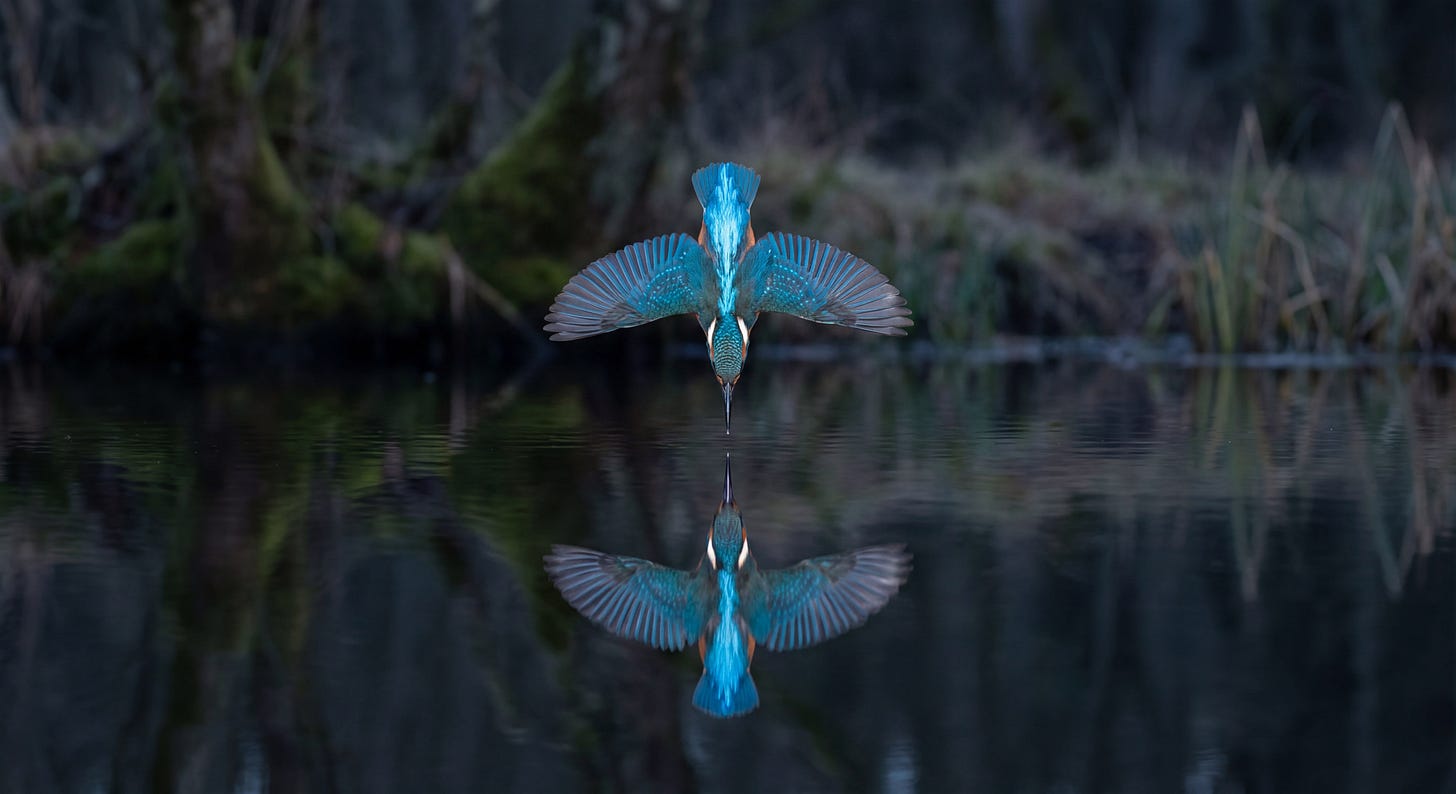
Asked it for that famous kingfisher shot – you know the one, took the original photographer seven years of patient waiting to capture the decisive moment of the bird hovering just before the dive. Nano Banana Pro gave me a convincing version in 14 seconds.
Icelandic waterfall? Geographically accurate. New Zealand mountain scene with Milky Way arch? Absolutely bang on – and I’ve shot enough astro to know what the Milky Way actually looks like. Torres del Paine in Patagonia? Horseshoe Bend? All recreated with enough fidelity that if you’d been there you’d recognise them, and if you hadn’t you’d never know they were fake.
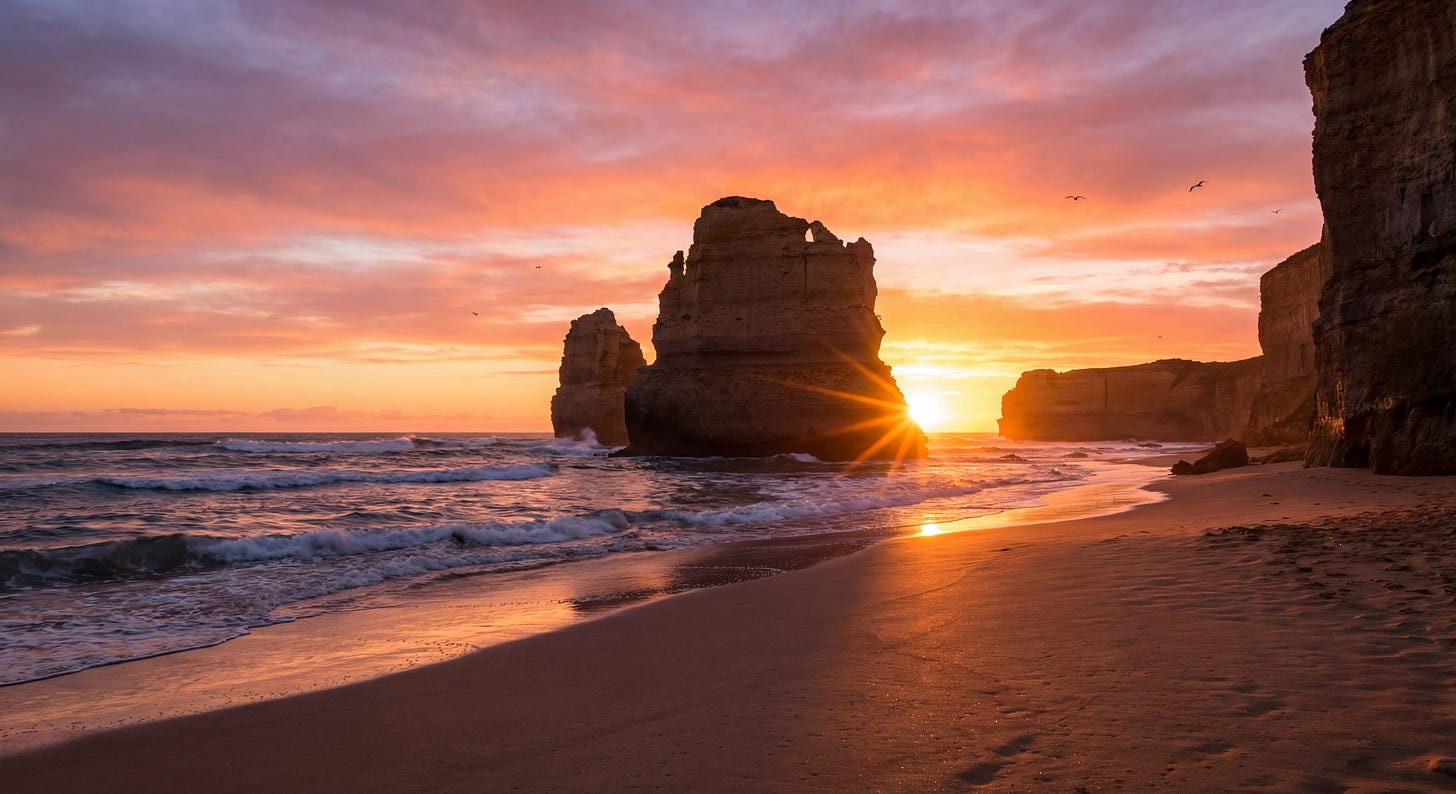
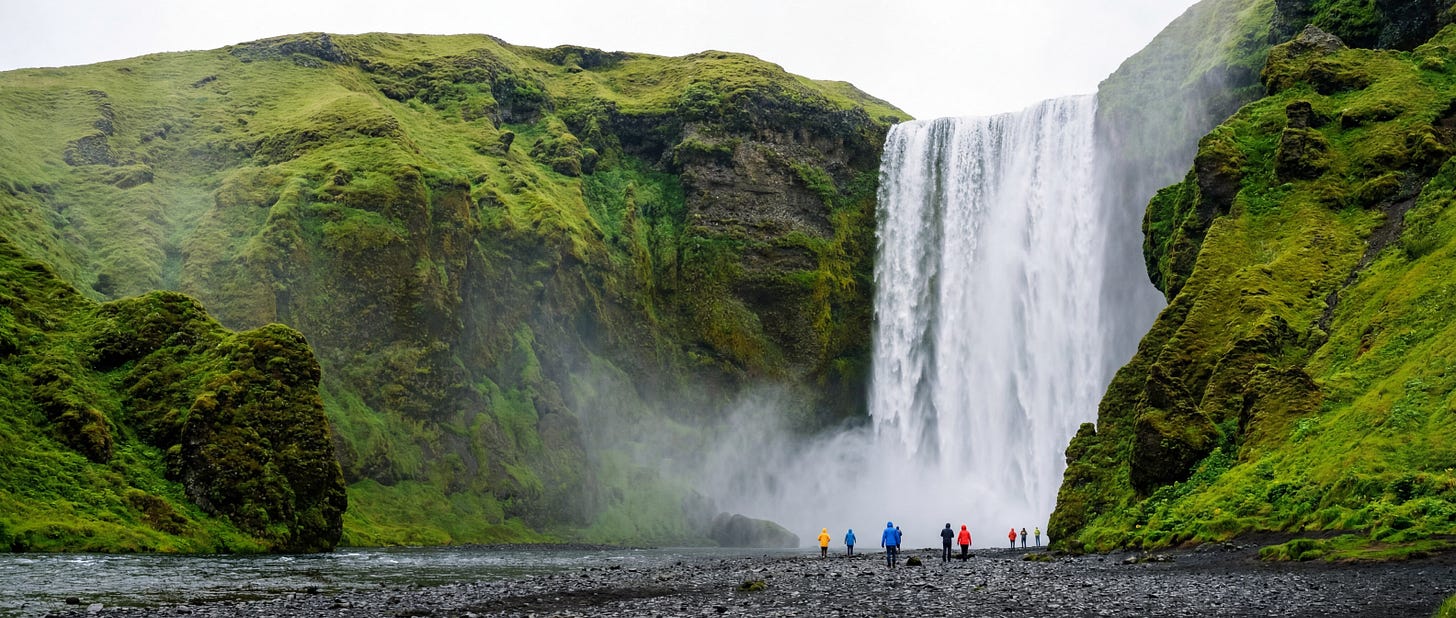
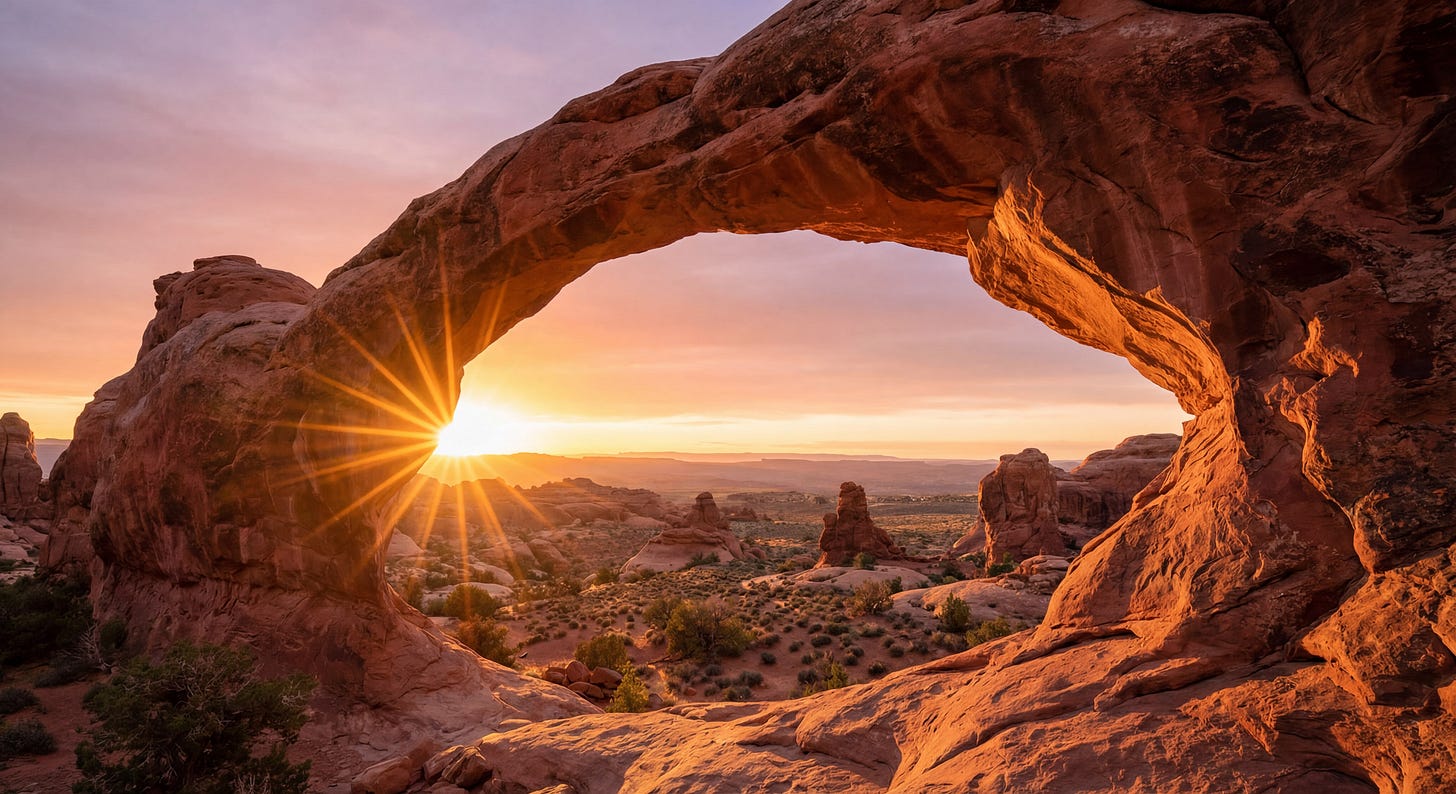
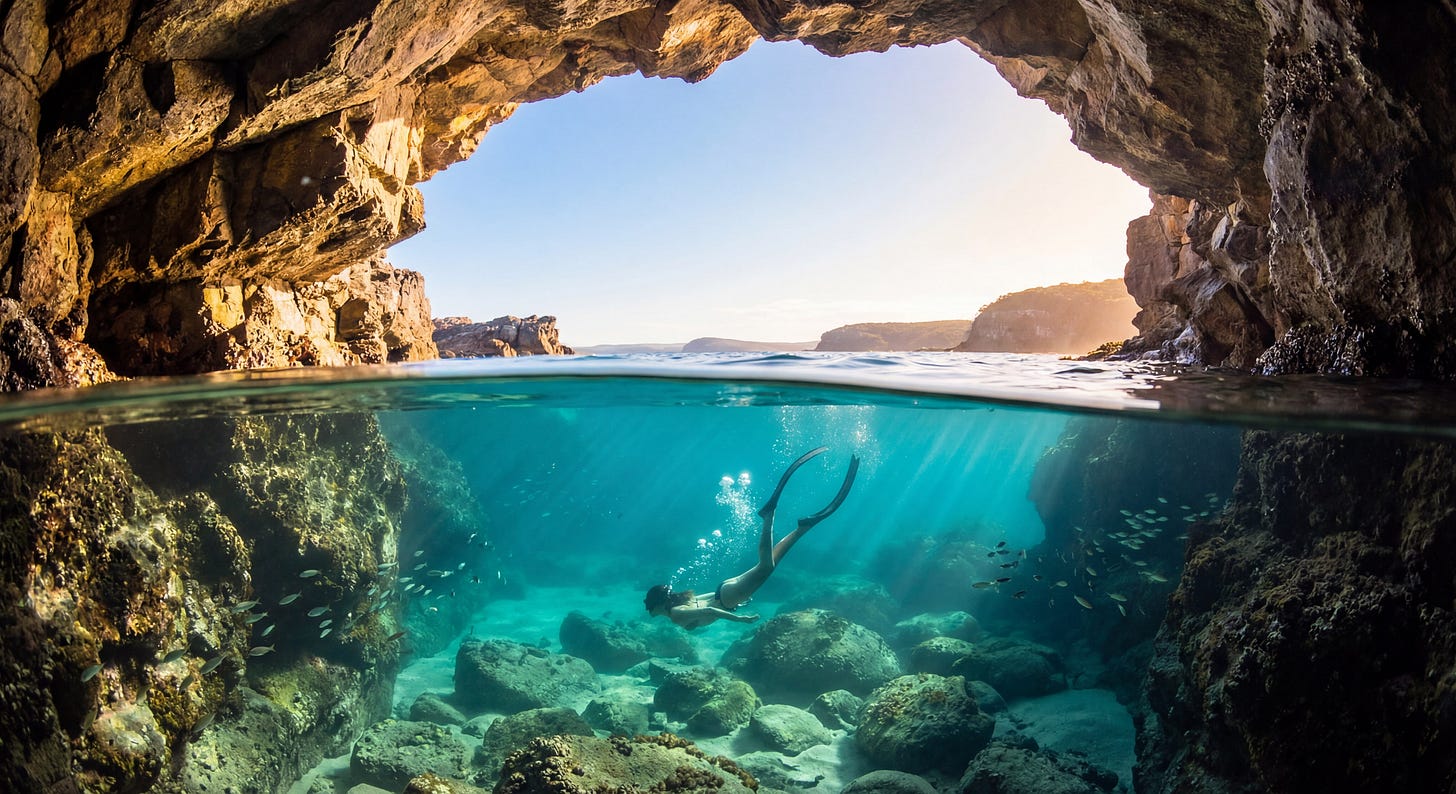
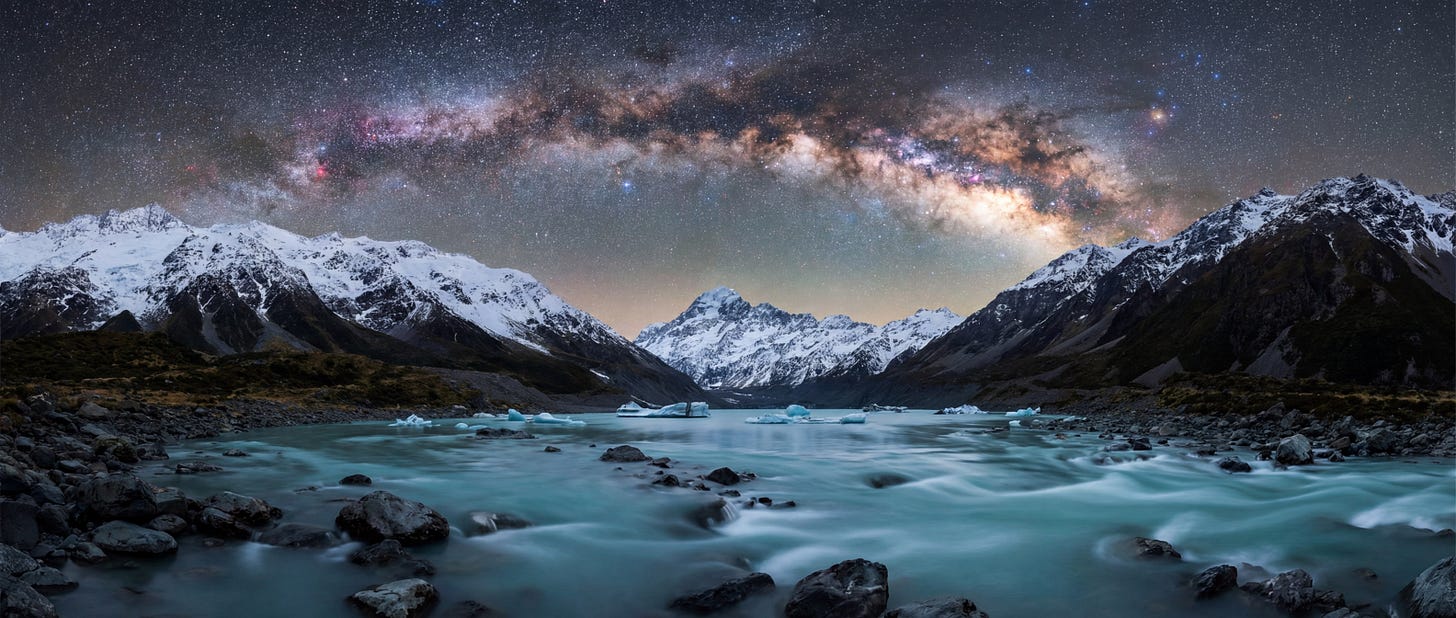
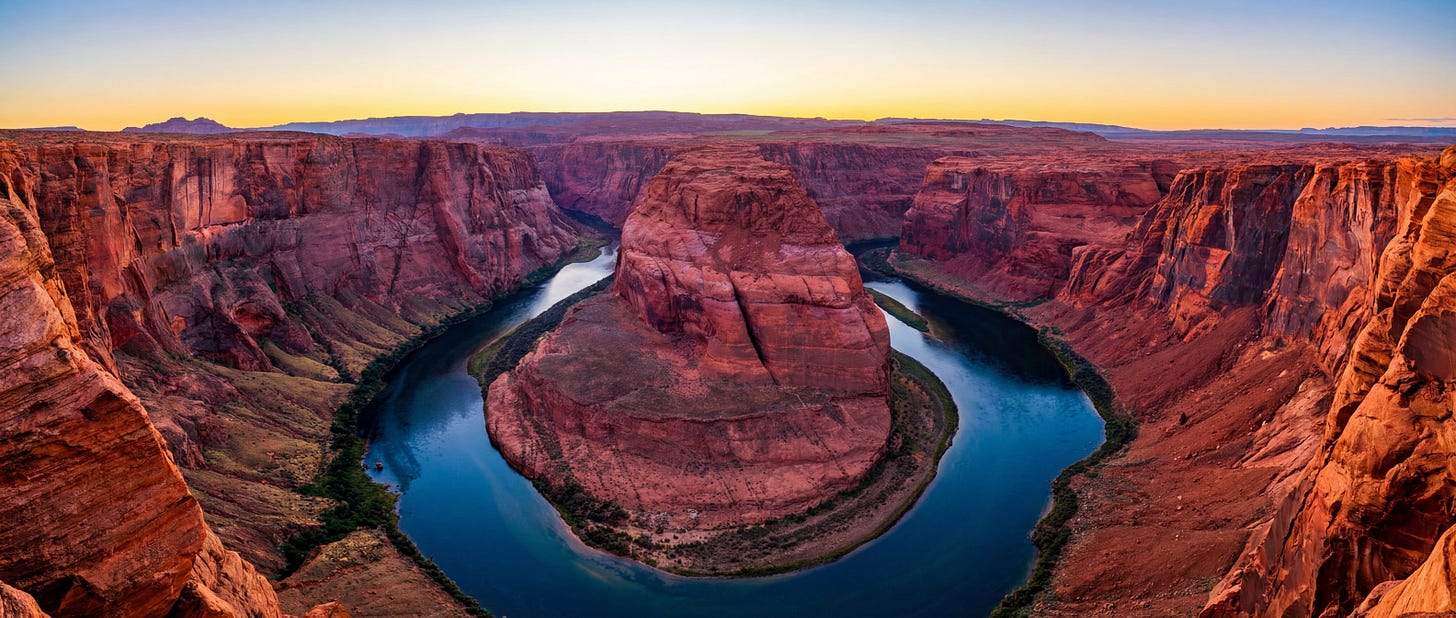
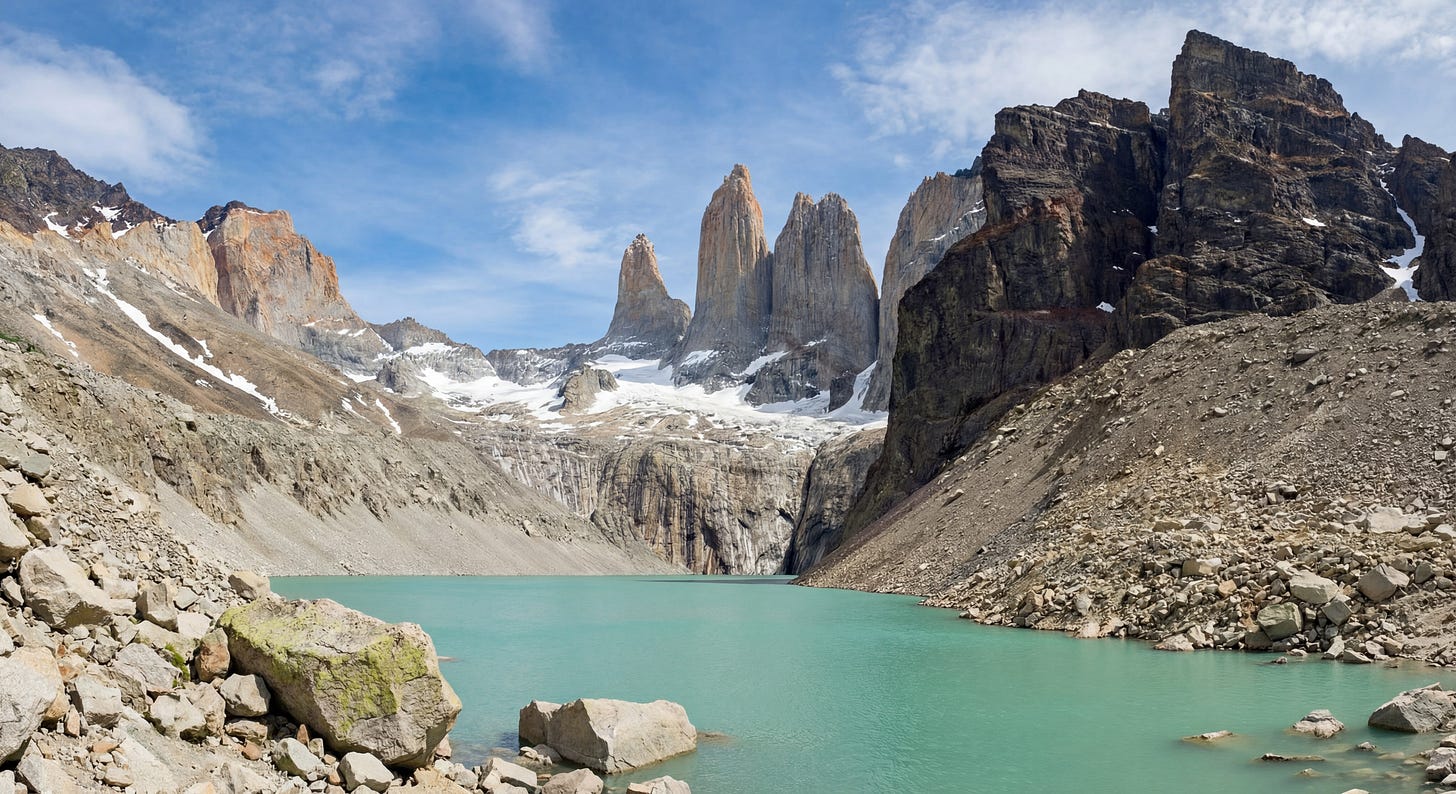
You don’t need to travel anymore. You don’t need to wait for conditions. You don’t need to own the gear or have the skills or put in the time. Just describe what you want and the algorithm will build it for you, pulling from the millions of photographs that real photographers actually went to these places and actually took.
What This Means
This is a weird time to be a photographer, passionate about photography and about capturing the world around us. It has made me far less trustful of what I’m seeing than ever before.
I feel like these latest generative models strike at the core of what I used to think was a brotherhood/sisterhood of photographers. We have all been in a situation, have we not, where we’ve gone to capture a particular photograph and the weather has not played game with us, or we were at a particular location at a particular time of day and had no choice but to photograph it in those conditions.
You get what you’re given. You work with the situation. You do the best you can with the equipment you’ve got, and you leverage your technical knowledge to achieve the best outcome on that day in that place.
Well now, if you’re prepared to use these tools, none of those things matter. You can change daytime to sunset, sunrise to midday, flowering meadows to snowfields, and cloudy skies to galaxies.
There are heaps of us who will play by the rules, but there will be many more who don’t and who couldn’t give a flying fuck about doing the work.
We’ve been here before to a certain extent – when Photoshop became a global phenomenon and the phrase ‘photoshopped’ entered the global vocabulary. Does it matter that some people won’t think twice about presenting heavily AI-modified or completely AI photos as original work?
If you’re one of those photographers competing with others for eyeballs on Instagram, entering photography competitions, competing for gallery spots, flogging prints, or trying to build a reputation as someone who actually goes out and does the work, then I’m guessing it will matter. Yes.
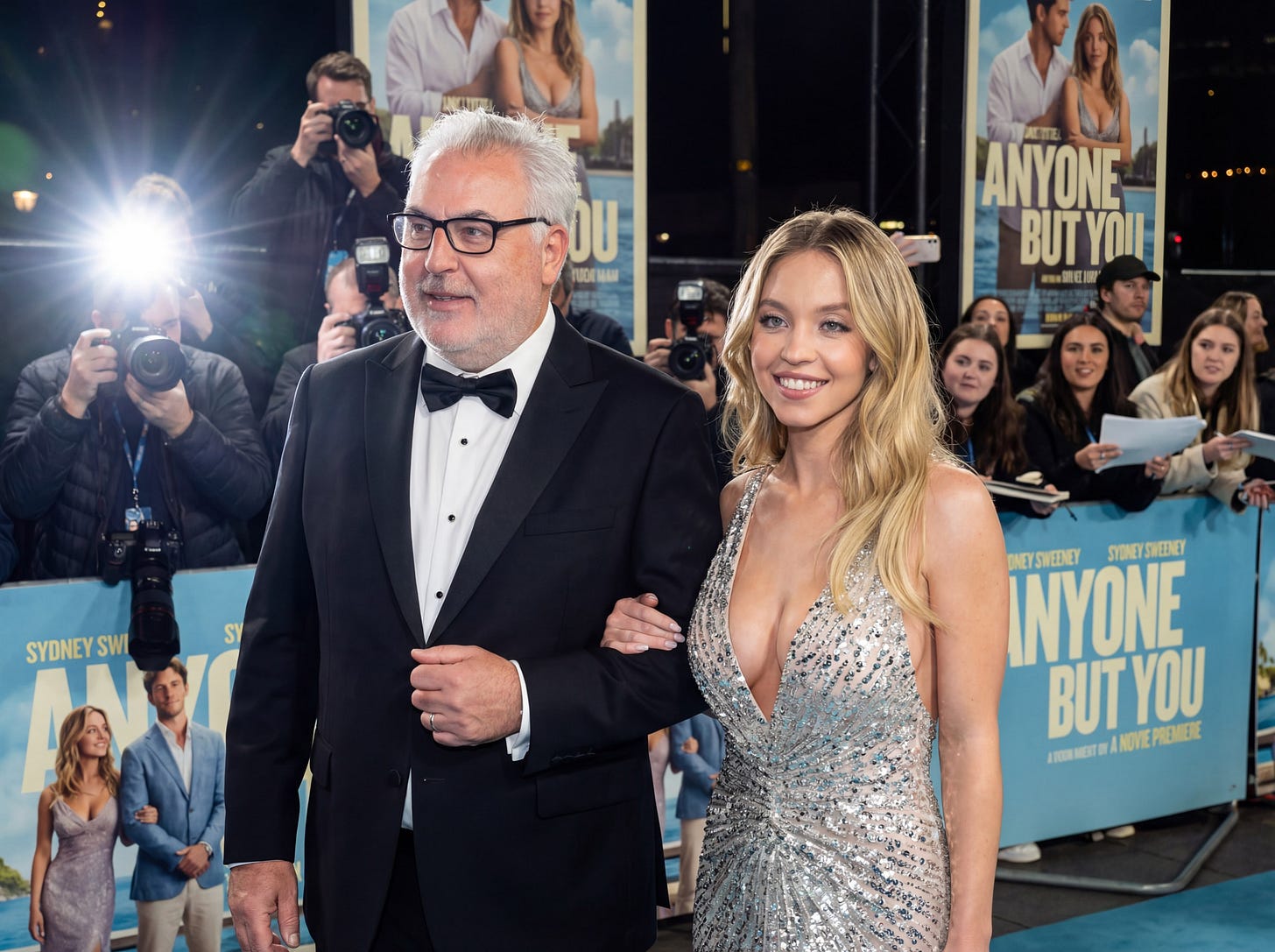
When your meticulously planned dawn shoot at Torres del Paine – the one where you dragged your arse out of bed at 4am and hiked two hours in the freezing cold to catch that perfect light – is sitting next to someone’s “I generated this entire mountain range in my pyjamas over breakfast” masterpiece, you’re going to feel, at best, a bit deflated, and at worst, ready to throw the towel in.
If I was the head of tourism for any town, city, region, or country, I’d be rubbing my hands with glee. No need to deal with wanker influencers in burgundy fedoras anymore – just remix one of your existing photos and you can instantly tap into current trends without getting up from your desk.
No need to travel anywhere for photographs anymore. Just grab a screenshot off Google Street View and generate your own high-resolution image with all the flaws removed. Or just grab literally anyone’s photograph of anywhere and modify it slightly, tweak the angle a little bit. Nobody will be able to prove a thing.
I’m trying really hard to think of any photographic niche that isn’t completely undermined by this technology that Google have helped push further down the line.
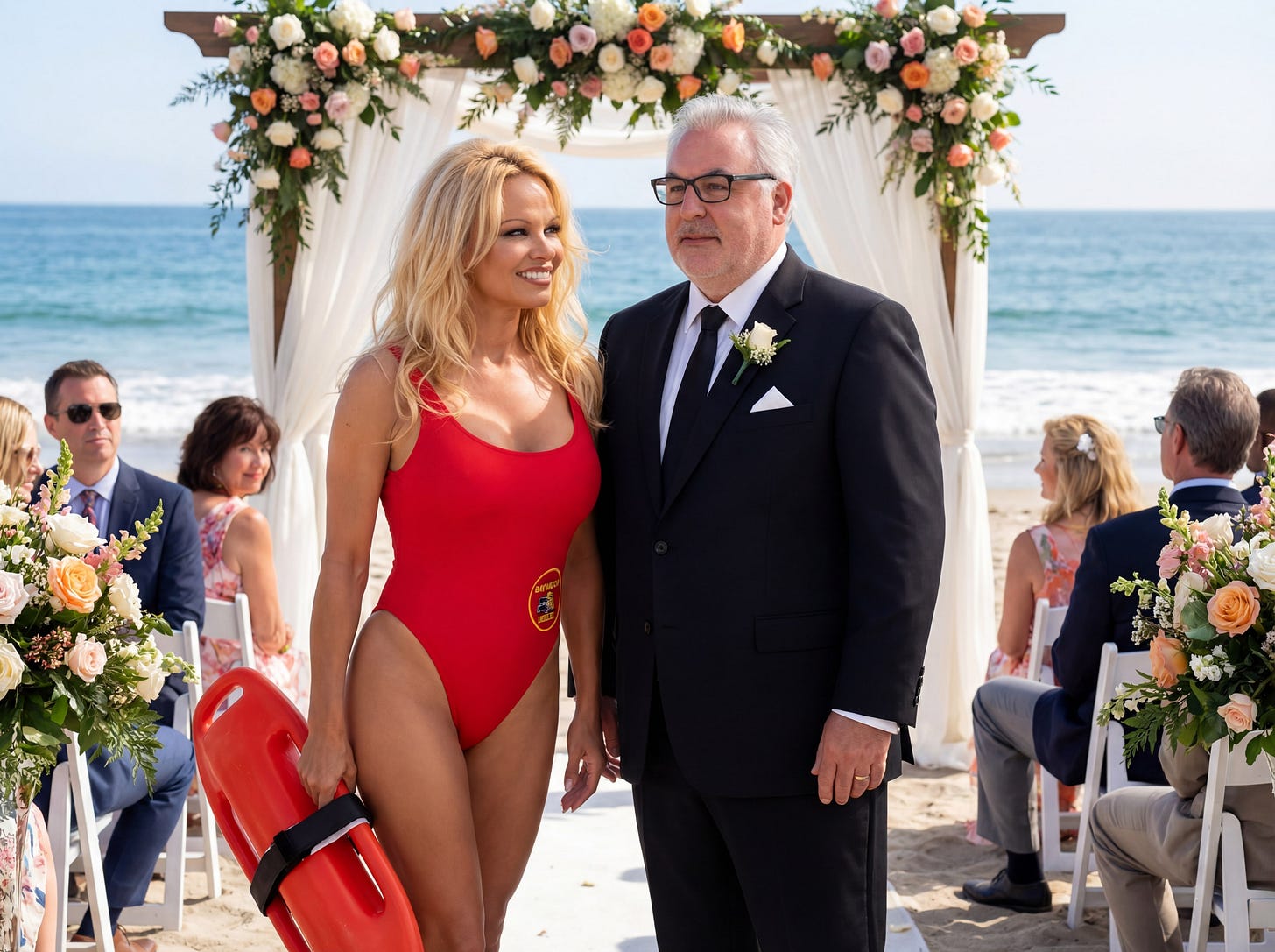
For instance, you can still do things the old-fashioned way if you want, but equally there’s now no mandatory requirement for a wedding photographer anymore. Sure, an AI won’t catch those real, highly candid moments – the ones between the father of the bride and his daughter, or the elderly relative and the groom – but equally many people won’t care and will be happy to save the cost.
Wildlife photographer, product photographer, definitely real estate photography – all extremely fakeable now. That last one in particular, though of course real estate has always been the most faked niche.
And I’d remind you, as I did in that original video from a few years ago, that this technology is only going to get better.
The New Normal
Trust is the real casualty of this situation. Words and pictures were the first victims in the AI wars. Music and video followed. Voice, identities, expertise, education, and news have gone too.
This isn’t a problem with a solution. It’s just where we are now, and we have to accept that it’s the new normal. The bedrock that used to sit at the base of everything that was created pre-AI was the knowledge that a human made it. And now the bedrock’s gone.
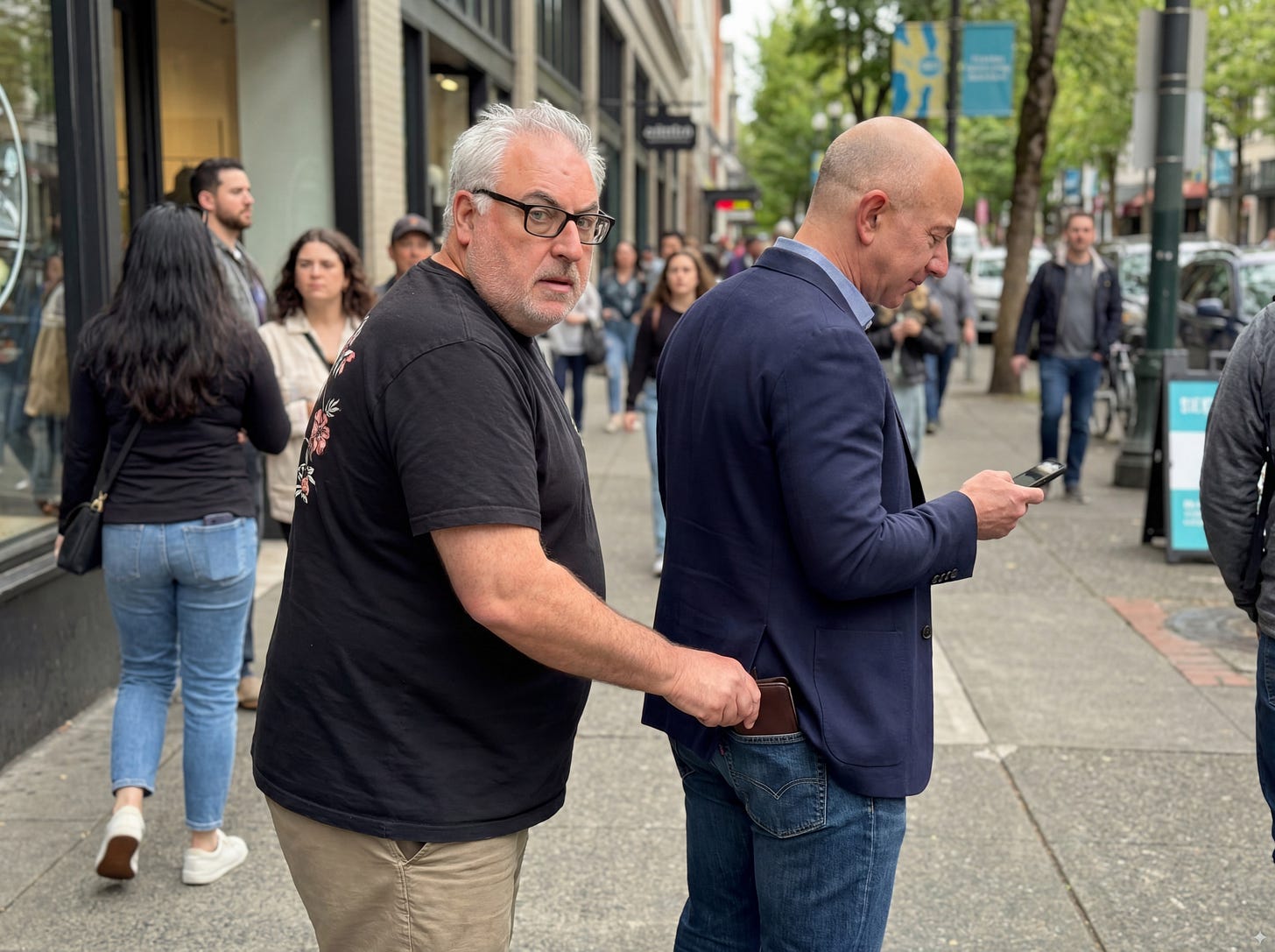
We can argue that what these server farms are churning out is mush, an averaged amalgam of human knowledge made utterly bland in the blend – like every ice cream flavour stirred into one tasteless dairy slurry. But 30 years ago we were all convinced to give up butter for margarine, so acceptance is not going to be the problem.
I guess that ultimately we all have to decide how we’re going to let this impact our lives – whether we choose to use it to augment our creative lives or to replace them.
In the right hands, AI can be an enormous force for good. I highly recommend you go and watch the documentary The Thinking Game which charts the way a team of scientists used AI to solve the problem of folding proteins and tackle a scientific riddle that was considered unsolvable.
And I’m not taking the moral high ground here. Like everyone else, I use ChatGPT. I use it like a talking dictionary when I can’t think of a word, or like a thesaurus when I want alternatives to a word, or to explain something complex to me.
But I sure as shit don’t get it to write everything for me, and I think we’ve all learned the hard way to fact-check everything it so confidently states.
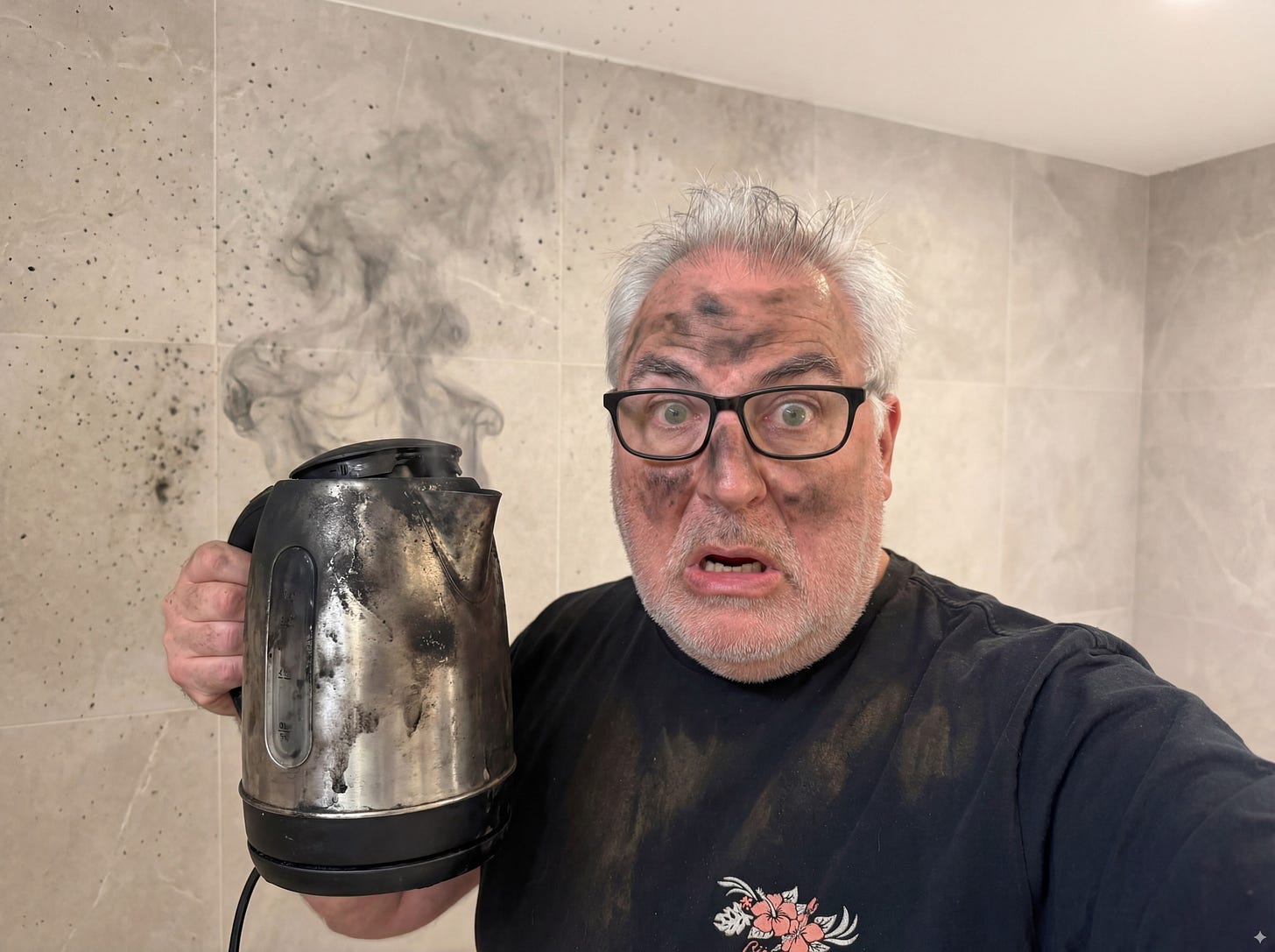
And I think that’s where the line sits for me. If I use it as an improved version of something that already existed in the pre-AI world, then it’s fine. If it’s solving a problem that doesn’t eradicate human creativity, then it’s fine.
But if I use it because I’m just fucking lazy, then it’s not fine. And it’s down to me to police myself and not give in to the little voices persuading me to take the easy route.
Some people will absolutely fake photographs, but it doesn’t matter, because in doing so they prove that they’re not photographers and never will be. They just don’t get it.
Photography is a lot more than the end result – the photograph. Just as song is a lot more than just notes and books are a lot more than words.
A lot of AI will be inescapable. It’ll be woven into everything we see and hear, whether we know it or not. But equally, we can also opt out and be true to ourselves.
Jean-Paul Sartre once said, “Man is nothing else but what he makes of himself.”
So let’s not be artificial.
Also published in RAW & Unfiltered on Substack.