It Doesn’t Matter How Many Features Your RAW Photo Editor Has if the Demosaicing is Shit
I’m looking at you ArtCraft
 Andy Hutchinson
For paid subscribers
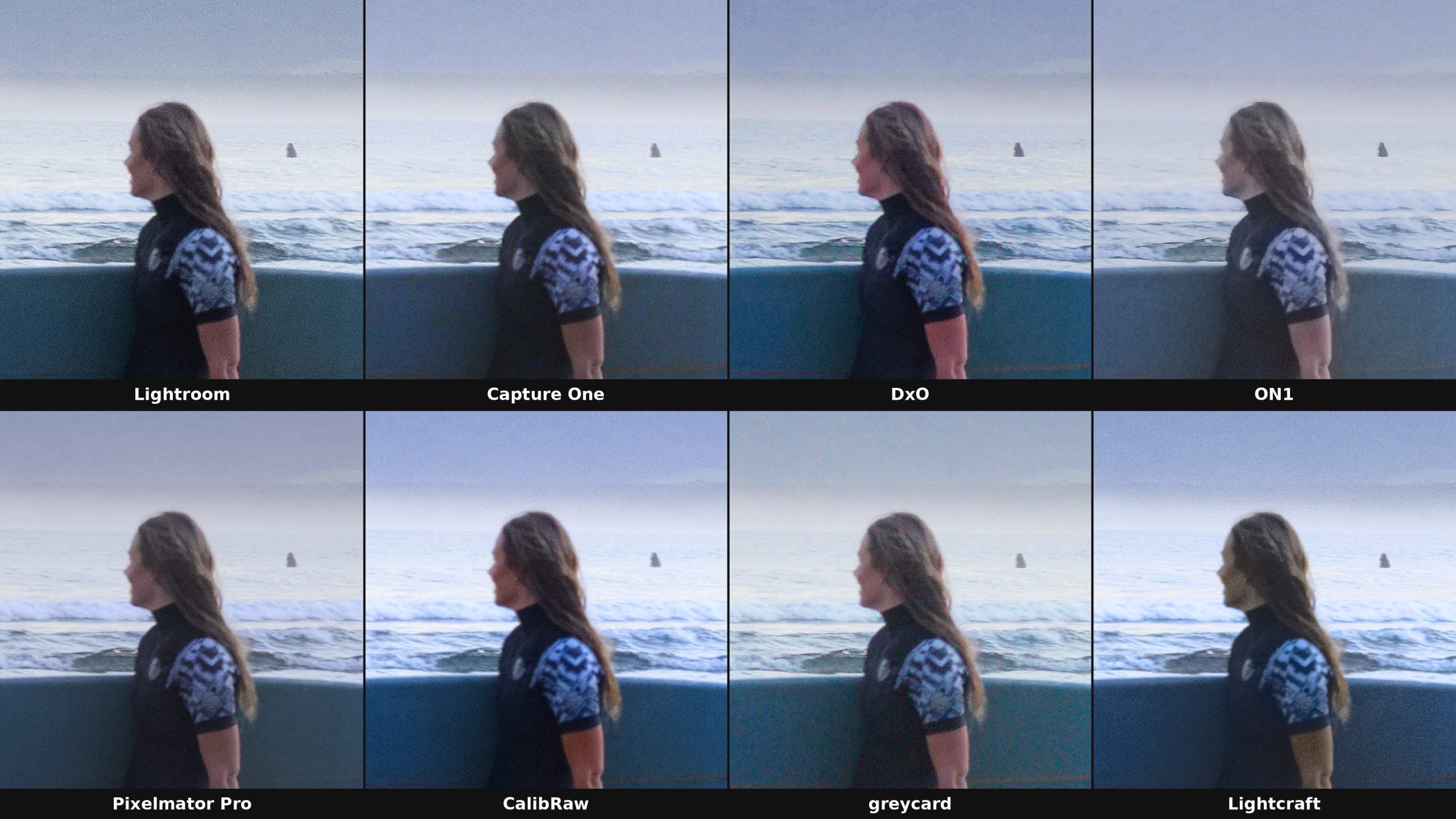
Long before you nudge a single slider, your RAW photo editor has completed the most important part of the digital photographer’s post-processing workflow.
It has taken the string of numbers produced by your camera (the literal RAW data) and converted it into an enhanced format you can view on your screen. There is no standardised algorithm for this – no magic equation that everyone uses – they are all invented from scratch by clever people.
Because this is such a fiendishly difficult job to do well, only the top tier RAW editors – Lightroom, Capture One and Photolab – have their own bespoke in-house demosaicing code. Pretty much everyone else relies on either the code that’s built into the operating system (in the case of Apple apps) or an off-the-shelf open source demosaicing algorithm they either modified or just used unchanged.
Here’s an example of an open-source algorithm – this is the Malvar-He-Cutler Linear Image Demosaicking equation
This doesn’t necessarily mean that the second-tier of photo editors (the ones made by small developers or released as open source apps) are necessarily worse off – there are some excellent free demosaicing algorithms out there. And the fact is that the corporate developers undoubtedly based their demosaicing code on the same publicly released scientific papers as everyone else.
The rest of this one’s for paid subscribers.
Already a paid subscriber or a Patron? Enter the members’ password from your welcome email.
Not a member? Subscribe on Substack or leave a one-off tip.
Also published in RAW & Unfiltered on Substack.