AI Gave Us the Apps We Wanted. Nobody Said They’d Be Any Good
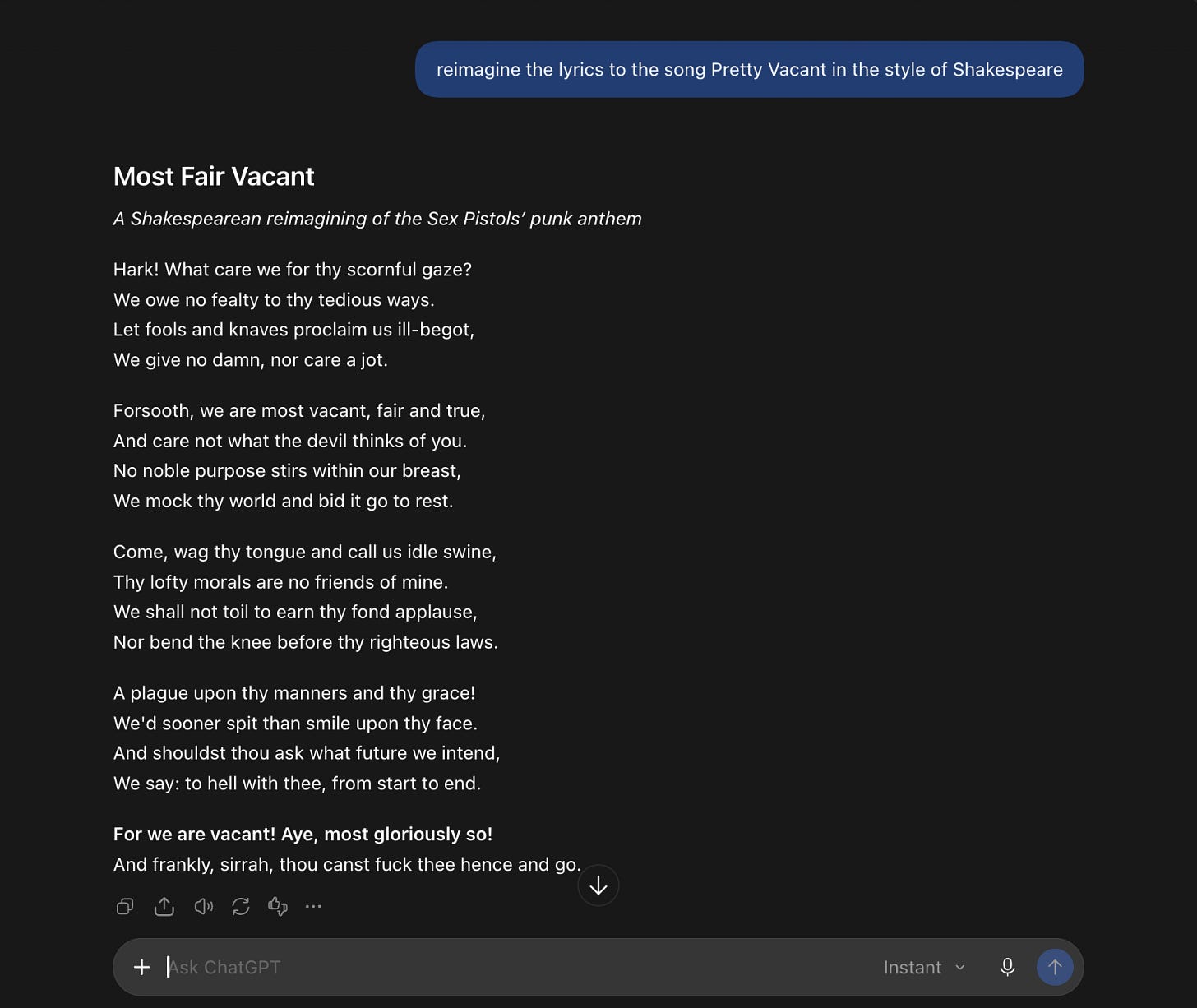
When ChatGPT was first released, and exploded into the global consciousness, it was hungrily seized upon by elated students for writing essays, by depressed office workers needing help sounding less suicidal in business emails and by everyone else for writing song lyrics in the style of Shakespeare.
 Andy Hutchinson
8 min read
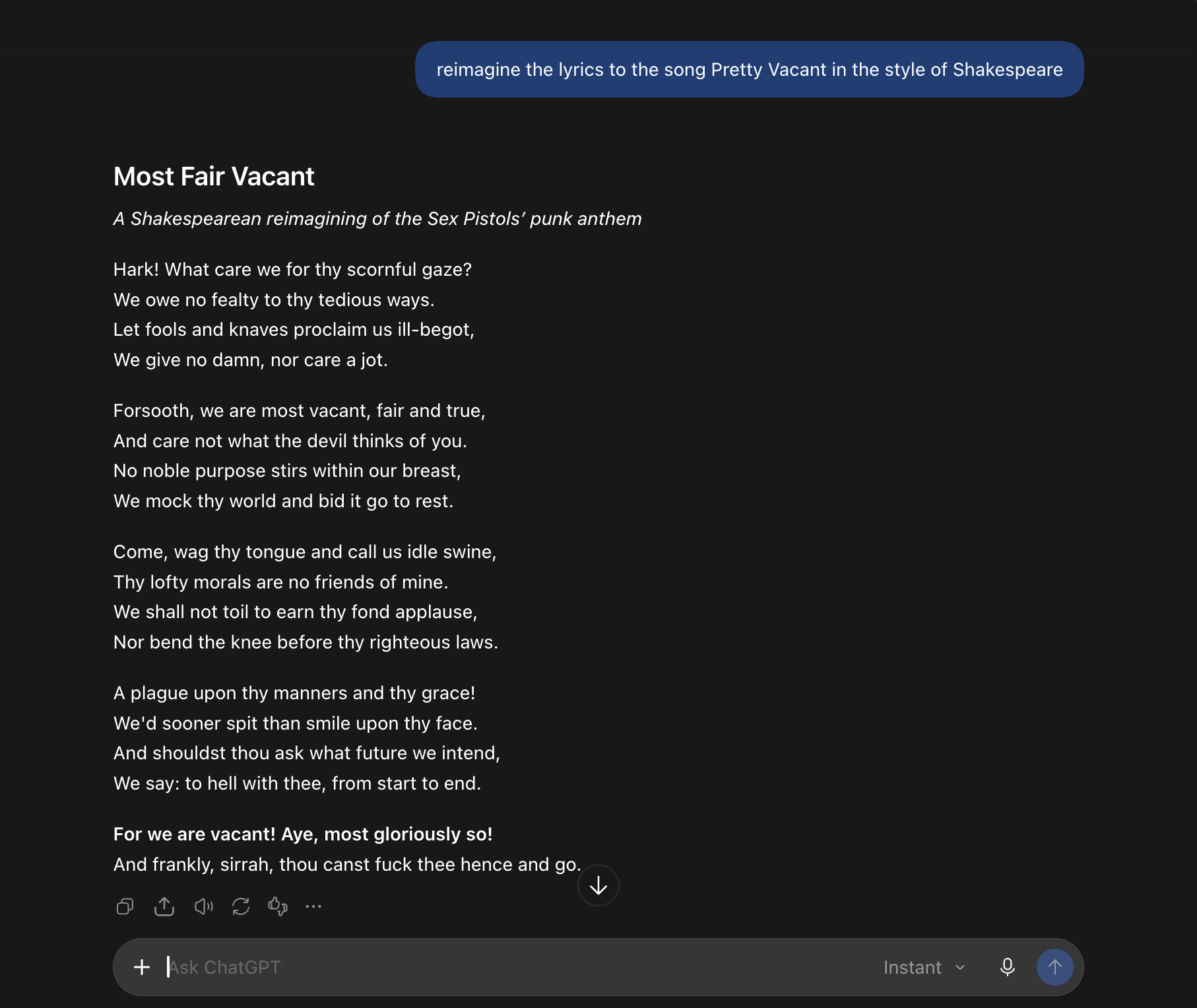
When ChatGPT was first released, and exploded into the global consciousness, it was hungrily seized upon by elated students for writing essays, by depressed office workers needing help sounding less suicidal in business emails and by everyone else for writing song lyrics in the style of Shakespeare.
Within just five days of its release, ChatGPT had rocketed to a staggering 100 million daily users – and humans quickly explored a million use-cases, from ‘explain the offside rule like I’m 5’, to ‘why does it hurt when I pee’. And not long after Sam Altman opened his expensive servers up to the world, some people started to form relationships with ‘their’ ChatGPT and artificial-intimacy became a thing without needing Blade Runner’s ‘skin jobs’.
But of the early cohorts of users – in fact almost certainly in the first wave, even before the lazy students – were the coders. They immediately realised that while it might just be a highly sophisticated guessing machine, a large-language-model was well suited to programming.
Initially it was just used for snippets of code or some help with a small bug, but before long the LLMs had become highly expert in every coding language on the planet and software companies who’d previously struggled to maintain complex codebases now had a brutally efficient digital slave that could work 24/7 for 90 bucks a month.
I highly doubt that there’s a software company on the planet that doesn’t use an LLM or two in some way, in order to maintain and to develop their code. But in their joy at realising how ridiculously useful these tools were, in shaping and improving their software – they forgot one important fact – now everyone could be a coder.
Liberation Day
30 November 2022 may go down in history as Liberation Day for code. Ordinary people who couldn’t tell the difference between a variable and a vegetable, could now summon up any app they wanted with nothing more than a couple of prompts. And summon them up, they did.
Now believe me when I tell you that I am not taking the moral high ground here, defending the noble art of programming in the face of a tsunami of entirely AI-generated apps and websites. In this case, I am both poacher and gamekeeper. I was right at the front of the vibe-coding line – I have several apps in the official Apple AppStore and several open source apps on Github – all of which were created in Claude Code.
For me, the appeal was obvious. I very quickly realised – as so many of us did – that I could now summon up the software that I’d always wanted and I didn’t have to hang around hoping that some software company would have exactly the same unique problems as me.
The first few apps I made, with earlier iterations of Claude Code and Codex were clunky and the process was slow and painful. But the current models – Sonnet 5.5 and Sol 6 for Anthropic and OpenAI respectively – they are so good at coding that it brings to mind that famous quote by Arthur C. Clarke, that any sufficiently advanced technology is indistinguishable from magic.
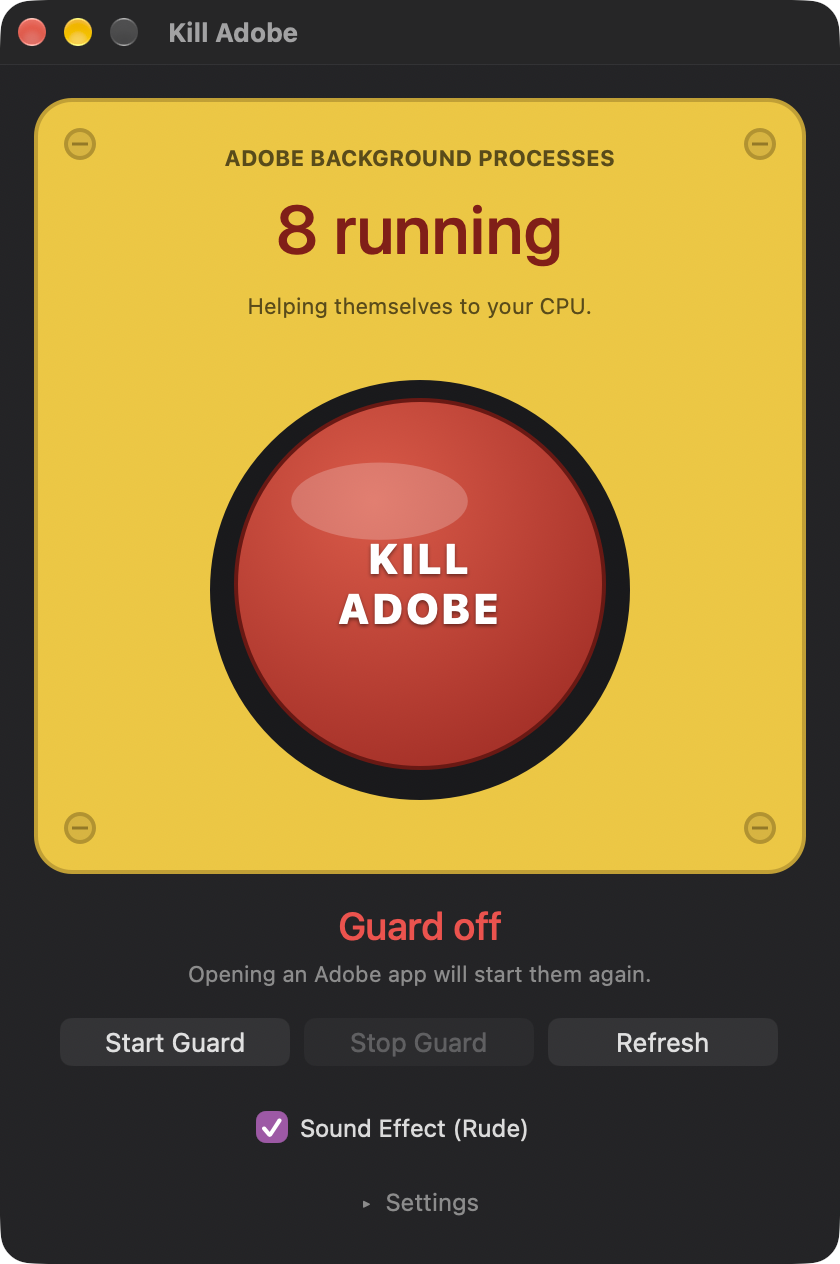
But while I think my apps are great, all but one of them is free – like many vibe-coders, my apps are just personal projects that I decided to make available to everyone. And it’s the personal part of this that’s crucial.
Just Because You Can, Doesn’t Mean You Should
I operate a couple of moderately successful YouTube channels with a cumulative 50,000 or so subscribers – one about photography and the other about Apple Macs. And because I operate those channels, I get sent software.
This time last year that software I got sent was exclusively regular apps usually coded over a period of years by established developers. The autumn is traditionally when a lot of software gets released or updated and I expect to see about four or five big updates, perhaps something brand new as well. But this year – in fact just this month alone, I’ve been sent 36 apps – all but three of which are vibe-coded.
Every single one of the emails that accompanied those apps had the same sort of pitch: “I saw your video about xyz and thought …”, “I’m a solo developer …”, “I’m an indie dev …”, “I built Fudgejamcycloneparty because …” and they sound the same because usually AI wrote the email too.

Five of those apps are culling apps – utilities designed to let you find the keepers in a large batch of candidate photos from a shoot. Six of them are RAW photo editors. The rest are all, without exception, vibe-coded ‘interpretations’ of existing Mac apps and utilities.
You see, vibe-coding is the latest gold rush. It used to be NFTs and before that it was crypto and before that it was ‘influencers’, but now it’s vibe-coding – and you will find a hundred snake oil merchants on YouTube telling you how they earned $100k a year, or $500k a year or (in one case I saw) $20m in a year – just by vibe-coding an app or service. And in case it’s not obvious those claims are almost certainly complete and utter bollocks.
But people just love a get-rich-quick scheme and, in this current economy, with fuel costing as much as a mortgage repayment and wages lagging decades behind inflation – I can understand why this sort of plan is so popular. For the cost of a couple of coffee shop lattes you can vibe-code your way to financial independence and fuck the job market.
There are, however, a couple of unfortunate flaws with this plan which means that they’re highly unlikely to extract anything even remotely close to a living wage from their enterprise.
Appy Days
Firstly, and most obviously, most of the vibe-coded apps I get sent are derivative copies of other better known apps. Notch apps are all the rage at the moment, ditto screenshot apps – oh and launcher apps too.
I made a video about voice dictation which covered eight different apps and I got sent another 16 of them in the weeks that followed its release. None of those voice apps are doing anything particularly different, most of them use the same publicly available AI models, some are free, but the majority were commercial. Nobody is making money from this apart from a couple of well known incumbents – the venture-fund backed Wispr Flow and Jordi Bruin’s MacWhisper.
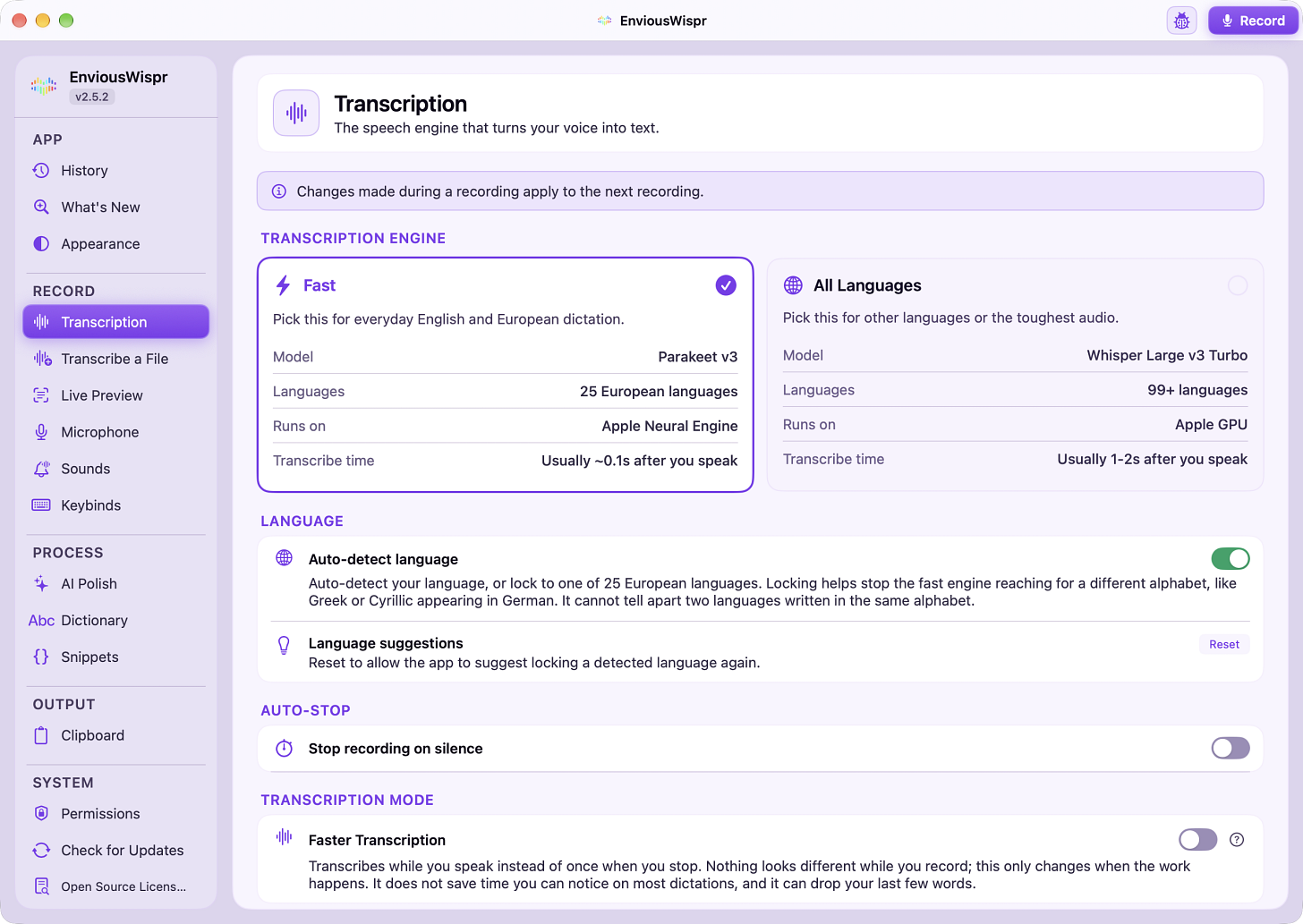
The lack of imagination in the vibe-coding community is just staggering.
Secondly, most of the vibe-coded apps I test are shit. Sorry, but there’s no other way of phrasing it. It’s hard to tell them apart in many cases because they have the same dark-mode looking interface, pastel buttons and that Claude brown colour that is literally everywhere.
While the LLM that they’ve used to create their app might be an expert in Rust, or C++ or Swift – the person behind the prompt is not. Nor do they have any experience in interface design, app-flows, accessibility, onboarding, error handling, or what happens when someone pastes a 4GB file into a text field.
Thirdly, while I might give an app a mention in a video, nobody really knows these vibe-coded apps exist. The developers have zero marketing knowledge and think that a vibe-coded website with a snazzy parallax animation and a promotional post on /r/macapps is all they have to do.
Fourth – for all the reasons above – many of the apps I get sent also get abandoned. Having sunk a few million tokens into an app, a round of testing by friends and family, a launch, a few downloads and then a month or two of nothing – the vibe-coder gives up on the app and moves onto the next one. Why would anyone invest their money given how sketchy the prospects are?
Roll Your Own
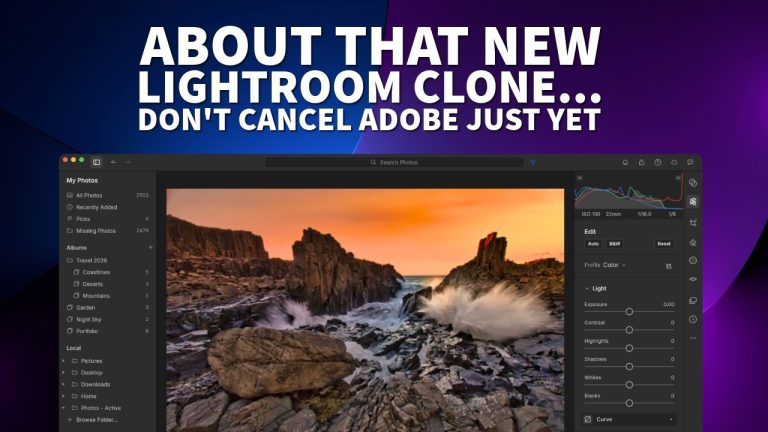
I’ve already written about the breakthrough viral success of the ArtCraft suite and I must admit that I love how huge a ‘fuck you’ it is to Adobe – without doubt one of the shadiest corporations on the planet. But I also have no doubt whatsoever that we are closer than ever to an era in which anyone can magic up any app with a short paragraph of text in an LLM – you won’t even need to be a vibe-coder like Brandon Thomas.
But the problem is that making the app was never really the problem – making something new or inventive that people want to use – that’s the real trick. Are people flocking to ArtCraft because it’s good software or just because it feels edgy or rebellious, like they’re giving the middle finger to bad old Adobe and sticking it to ‘the man’?
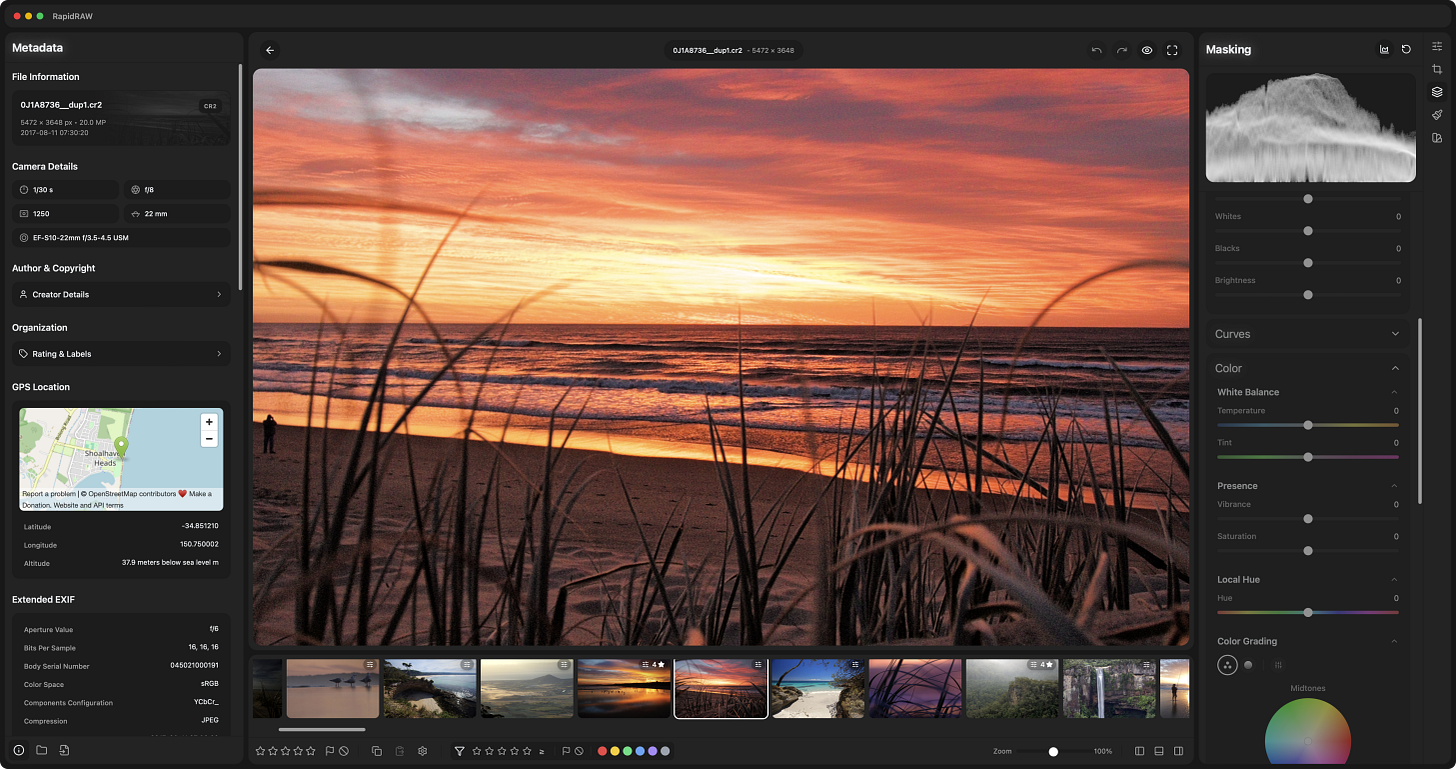
Back in the olden days when developers slaved over actual code – there were still plenty of losers – apps that, for one reason or another, failed. The only difference now is that the period of time that passes between idea and failure has closed from several years to a couple of weeks.
The real skill, it seems to me, is having an original idea. The thousand and one voice dictation apps currently available would suggest that having those ideas is one of the few things that chat engines can’t help with. After all, they just recycle existing human knowledge right, so why would they be any help?
Liberation Day happened. Everyone got the keys. It turns out that most people, when handed the means to build anything, will build the same four things. The code was never the hard part, and neither was the app. It was always the idea.
Also published in RAW & Unfiltered on Substack.