Pluto Trigger Review: Real-World Lightning Photography Test
Testing the trigger's ability to capture lightning during a powerful electrical storm
Authors note: Pluto Trigger is currently not available in the official store but is being refreshed and will be back on sale later this year. You can pick one up second-hand or the MIOPs devices are equally good.
The Pluto Trigger lives up to its name – it’s a compact device that sits atop your camera and triggers it in response to various stimuli. While it offers multiple triggering methods from sound to lasers, I primarily purchased it for lightning photography. After three years of ownership, a recent electrical storm provided the perfect opportunity to document its real-world performance – albeit from the unlikely vantage point of a public toilet doorway.

The Old Way vs. The Pluto Way
Before acquiring the Pluto Trigger, my approach to lightning photography relied heavily on luck. The traditional method involves shooting continuously in interval mode with a small aperture to maximise shutter time. This hit-or-miss approach typically results in thousands of empty frames, hoping to catch that perfect moment when lightning strikes during an open shutter.
The Pluto Trigger fundamentally changes this equation by making your camera smarter. Built-in sensors detect sudden changes in the sky, such as lightning strikes, and trigger the camera in response. This automated approach offers several significant advantages. Beyond simply improving your hit rate, it enables faster exposure times, resulting in crisper images with more detailed lightning bolts.
Setup and Installation
Setting up the Pluto Trigger is remarkably straightforward. The device mounts to your camera’s hot-shoe via an included adapter, and connects to your camera’s shutter release port using a model-specific cable (specified at purchase, though additional cables are available if you change cameras).
The system operates through a companion smartphone app connected via low-energy Bluetooth to conserve power. Once you’ve paired your trigger with the app, you gain access to a comprehensive array of modes and settings. The interface provides granular control over the trigger’s various functions, from lightning detection sensitivity to sound-based triggering thresholds.
Real-World Performance
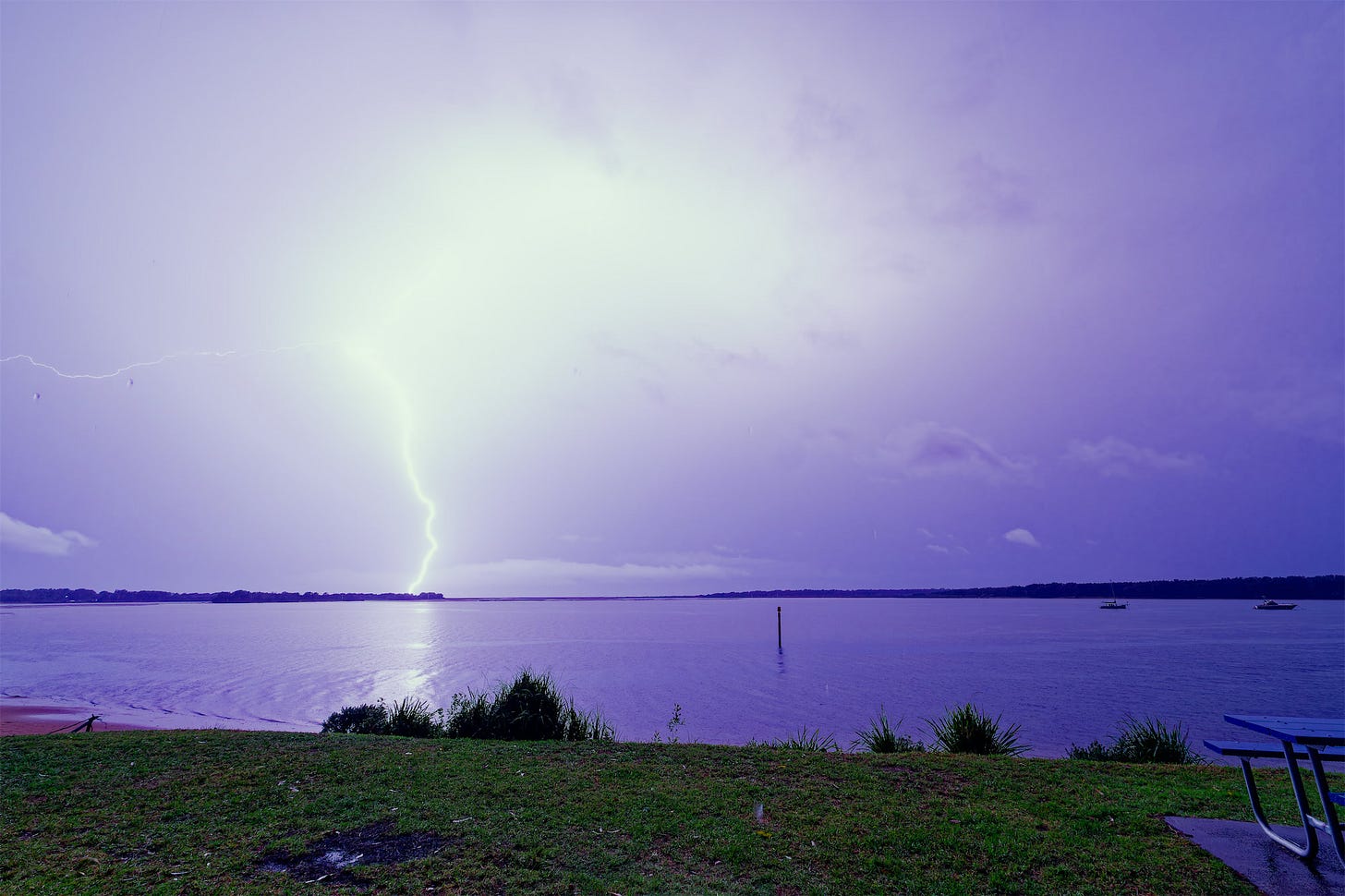
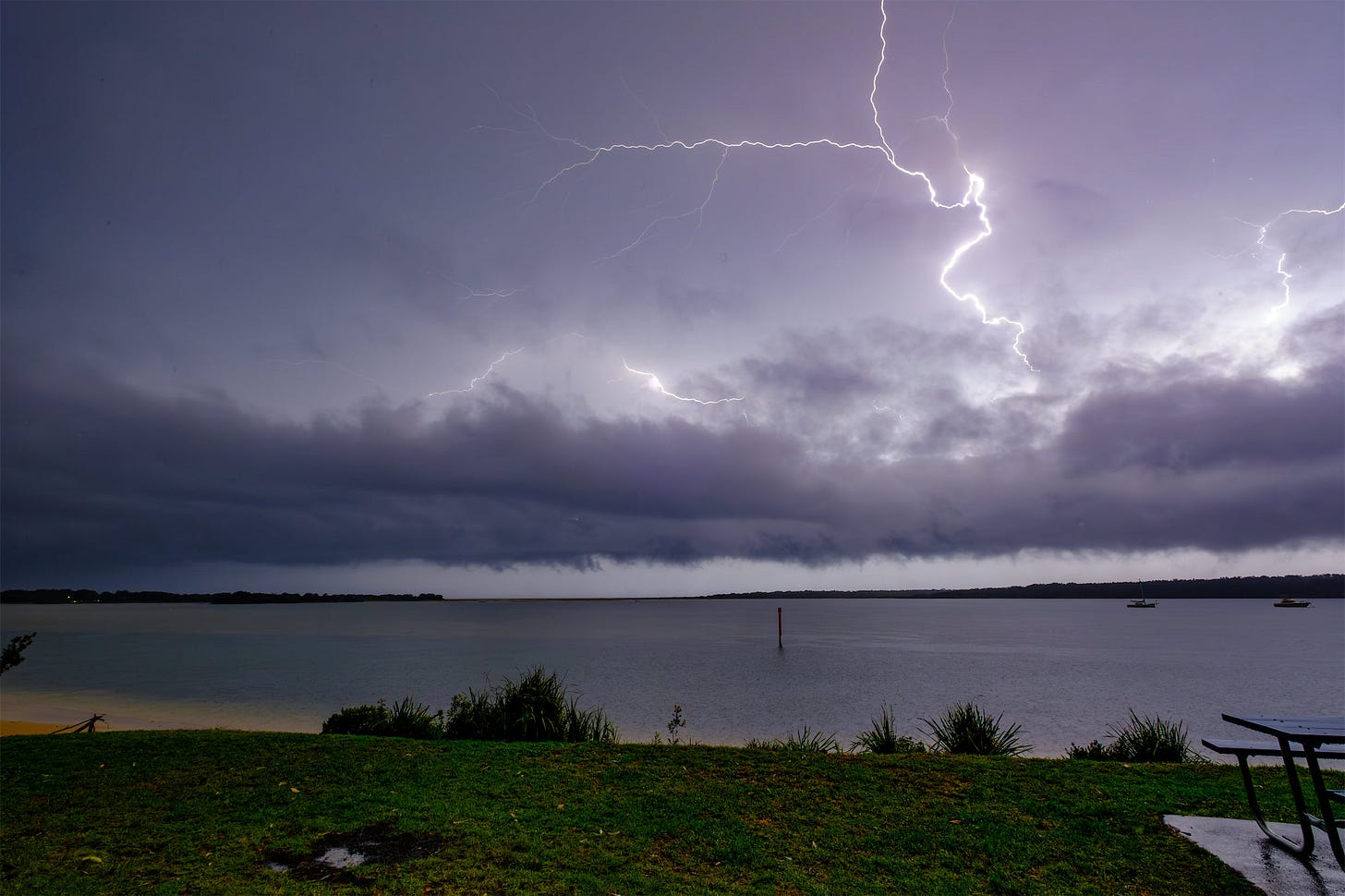
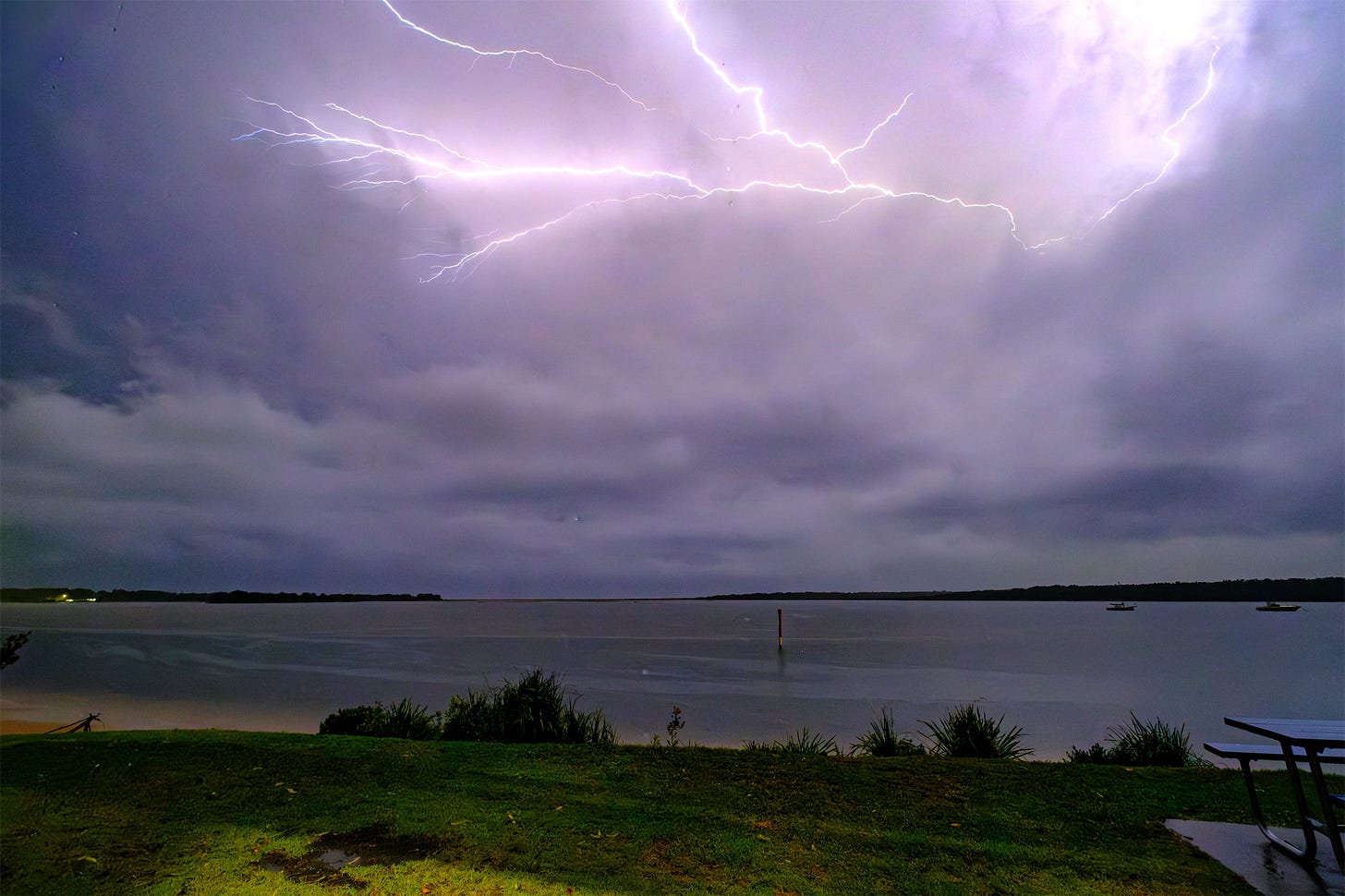
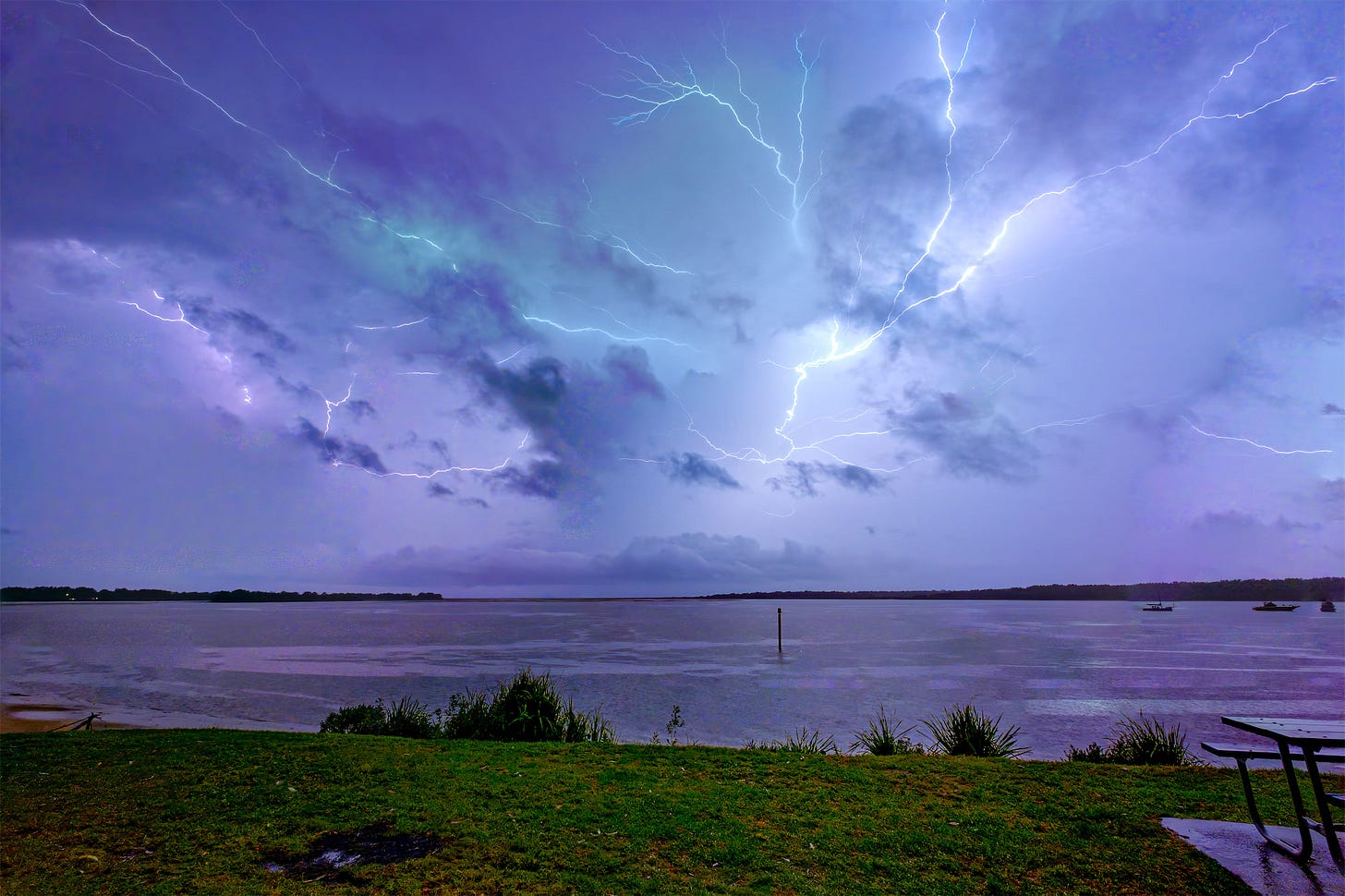
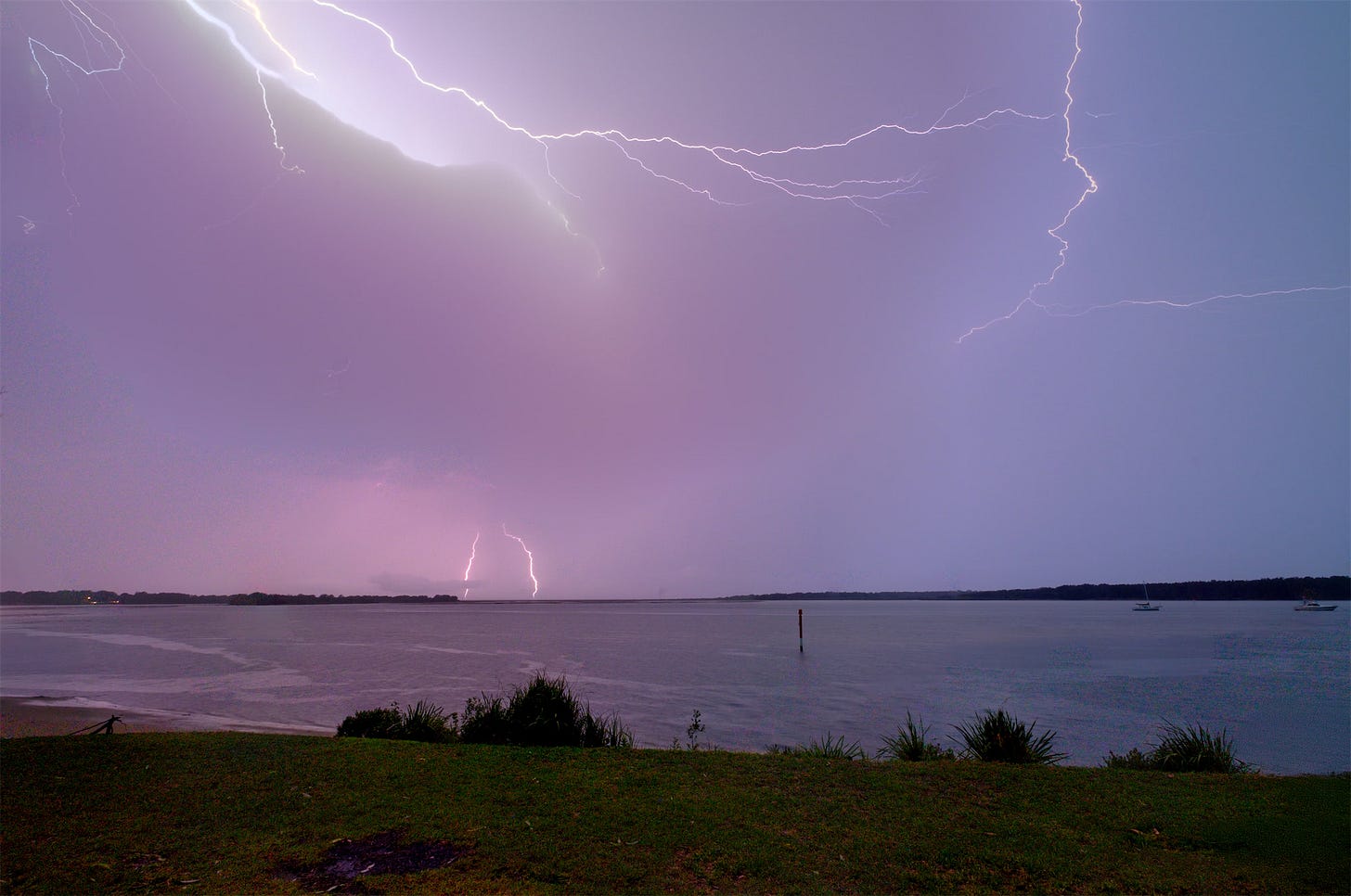
During a recent intense storm system, I had the opportunity to test the Pluto Trigger under challenging conditions. Despite contending with heavy rain, active lightning, and persistent mosquitos, the device performed admirably. These less-than-ideal circumstances actually highlighted one of the Pluto Trigger’s key strengths – its reliability under pressure.
Why It Works: More Than Just Another Smart Device
For those familiar with my review of the Arsenal Pro ‘smart’ device, the Pluto Trigger represents everything that product should have been. Instead of attempting to automate away photographic skill, the Pluto Trigger extends your camera’s capabilities through straightforward engineering principles.
This is not a device that tries to replace photographic knowledge – you still need to understand light, color, composition, aperture, focal range, depth of field, dynamic range, and exposure to get the best results. There are no shortcuts to becoming a skilled photographer; the device simply provides additional tools to capture moments that would otherwise be nearly impossible to photograph.
Value Proposition
At approximately $120 US ($180 AUD), the Pluto Trigger packs remarkable versatility into a modest package. For serious storm chasers seeking reliable lightning photography capabilities, it’s an invaluable tool. Unlike many specialized photography gadgets that end up forgotten in the bottom of a camera bag, the Pluto Trigger’s wide range of applications keeps it consistently useful.
Final Verdict
After three years of use, the Pluto Trigger has proven itself as an essential tool in my photography kit. Its straightforward approach to extending camera capabilities, rather than trying to replace photographic skill, makes it particularly valuable for photographers looking to capture challenging subjects like lightning.
Key Strengths:
Reliable lightning detection
Multiple triggering modes
Simple setup and operation
Reasonable price point
Practical real-world performance
For photographers serious about storm chasing or looking to expand their technical capabilities, the Pluto Trigger represents an excellent investment that consistently delivers results.
Also published in RAW & Unfiltered on Substack.