Everything You Ever Wanted to Know About Demosaicing … But Were Afraid to Ask
The Secret Algorithm Behind Every Digital Image You've Ever Taken
P
hotography, whether we do it as a hobby or as a job – is a creative process. We talk about it with the same artistic terms that we do painting – light, structure, form, balance, intent etc. Yet like painting, it’s equally a technical discipline, one that has grown significantly more complex since the advent of digital photography and more specifically since the arrival of the RAW format.
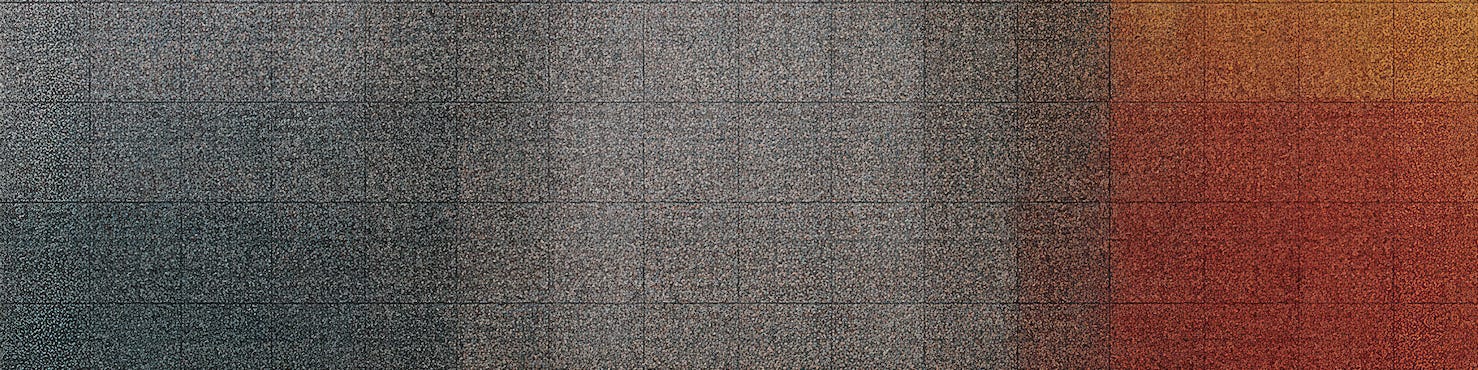
And at the very core of the RAW file format is demosaicing – the crucial intermediate process that bridges the initial capture of your photograph in your digital camera, with its eventual display on your editing app’s screen.
The word demosaicing (and indeed the process it describes) is a complete mystery to many photographers, which is not ideal, because it’s literally the foundation of the entire post-processing workflow. Is it the word itself? Does the fact that it has five syllables in it put people off? I think we need to get to the bottom of this.
So, friends, if demosaicing is one of those phrases your brain just cheerfully skips over like ‘terms and conditions’ or ‘read manual before assembly’, then buckle-up space cowboy – I speak fluent geek and I’m happy to translate.
The rest of this one’s for paid subscribers.
Already a paid subscriber or a Patron? Enter the members’ password from your welcome email.
Not a member? Subscribe on Substack or leave a one-off tip.
Also published in RAW & Unfiltered on Substack.