Phojo No-Go – How to Beat the Photography Blues
How to stop over-thinking and fall back in love with your camera
Rule 1 – and this is literally the only hard rule for the process – you don’t have to share anything with anyone. Doing it entirely for yourself will free you of all expectations and any dread of failure because the only outcome we seek is the doing, not the results.
Start Where You Are
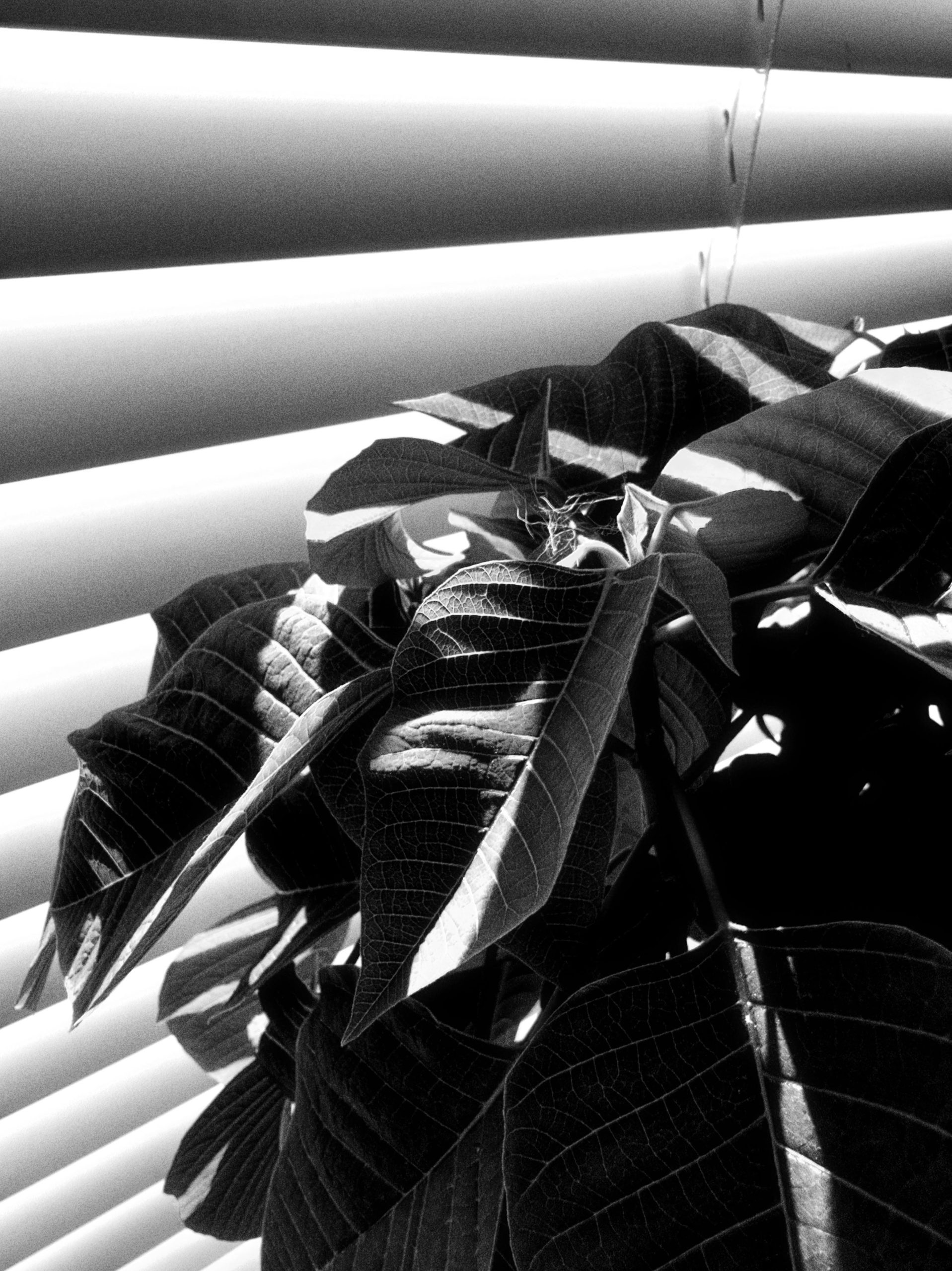
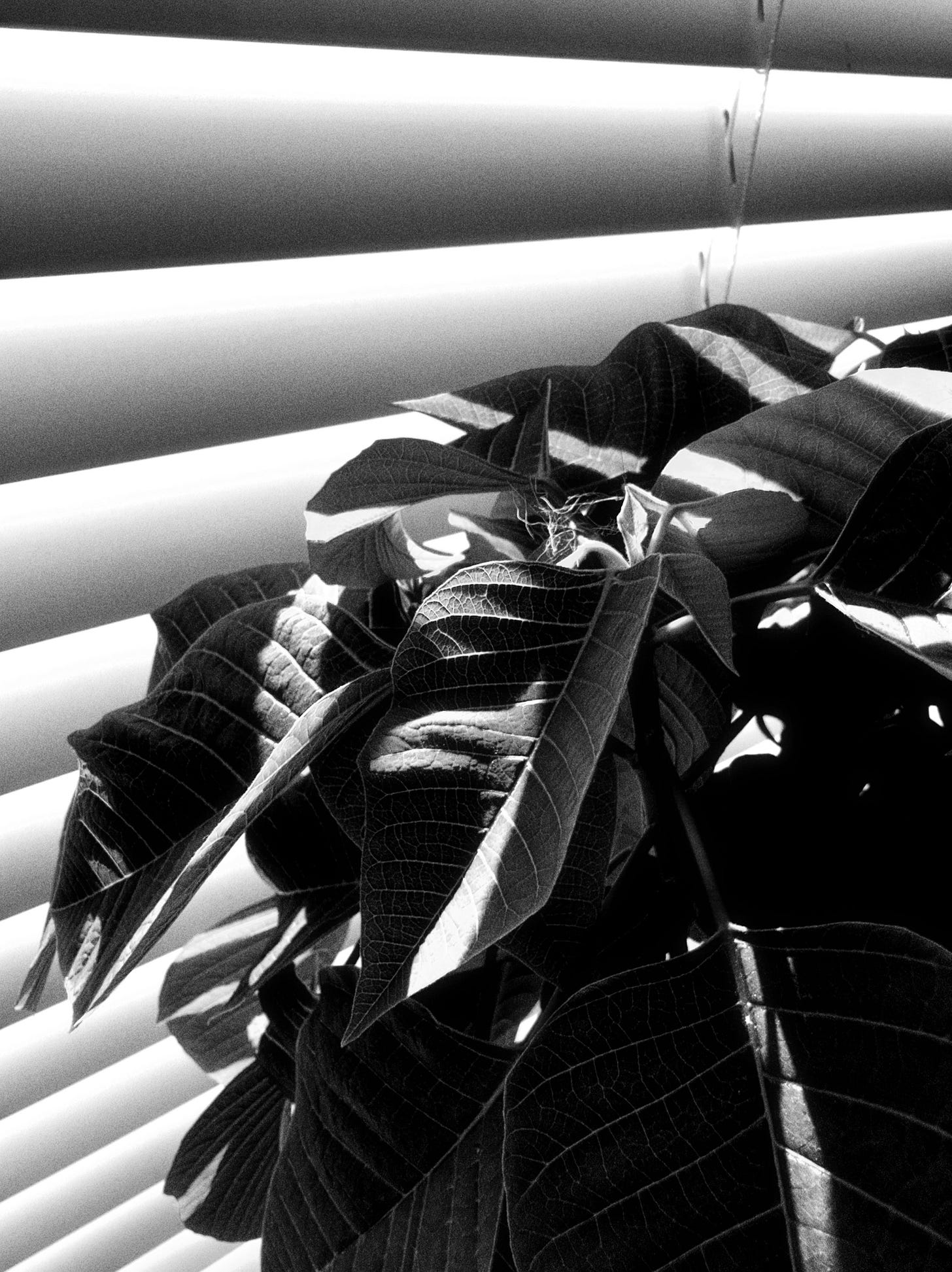
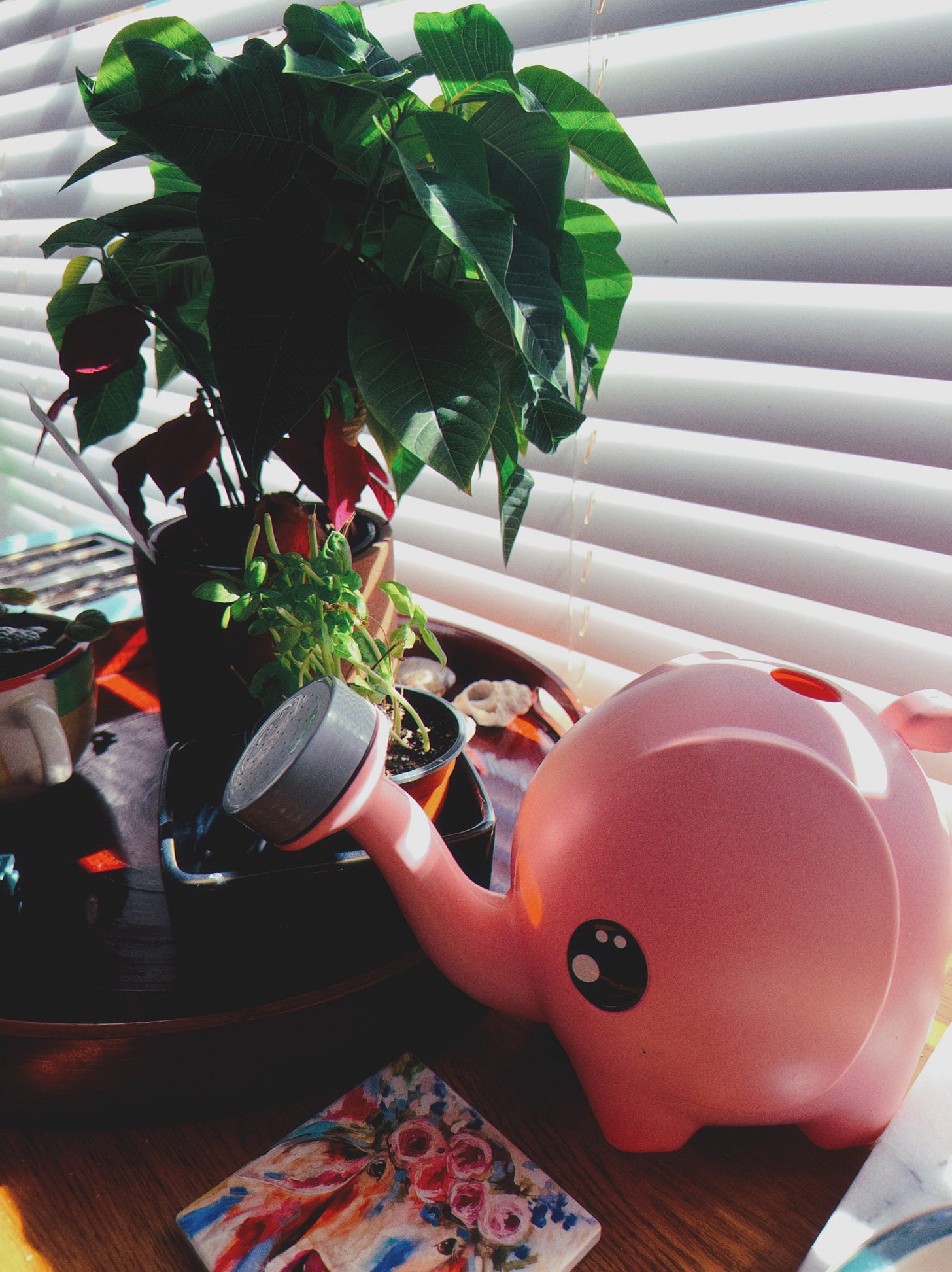
Try photographing stuff in your house – the light shining through some blinds, a macro of a house plant, the way your coffee cup sits on the kitchen counter. Why? Often we feel unable to commit to going outside, so start small, start at home. Take the stress of getting your gear together and going somewhere and dealing with other people out of the equation. Be utterly selfish. Your living room doesn’t judge your artistic choices, and it’s never closed for renovation.
Become Your Own Subject
Shoot some fun portraits of yourself. Get some funky lights. Try different lenses. Mess about with heights. Try focusing on a specific part of your body. Wear stupid hats. Try shooting a sequence. Set the camera on repeat and just run through some goofy poses. Try picking up a random accessory and posing with that. The beauty of self-portraits is that your model never complains about the lighting, never charges overtime, and is always available for reshoots.

Find the Extraordinary in the Ordinary
Take your camera on your commute and snap what catches your eye. Don’t force the issue, just try to become aware of when something is visually appealing to you. Obviously don’t do this if you commute on your own in a car, or maybe wait till you get to the car park or the walk to the office. There is always a photograph lurking – even in the most mundane journey, light hits surfaces in interesting ways, people create fleeting moments of humanity, and urban decay has its own brutal poetry.

Rediscover Your Visual DNA
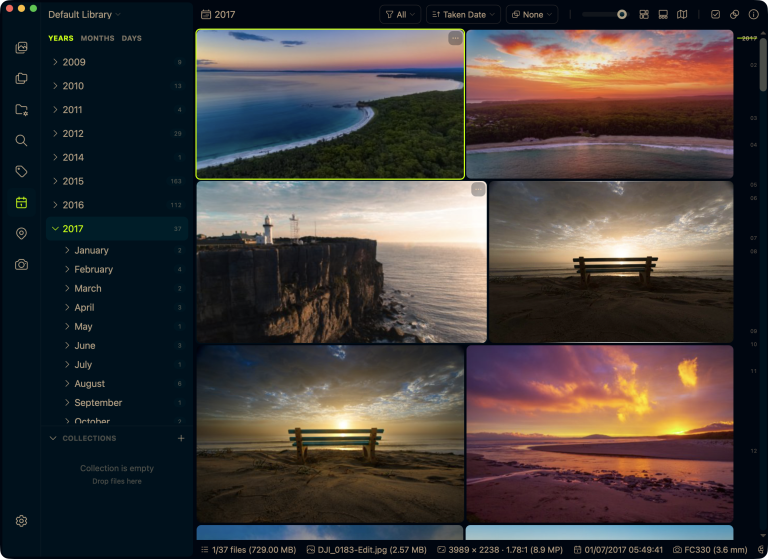
Look back at your archive of photographs and, in whatever asset manager you use, create a new collection which we’re going to call ‘My Vibe’ or something equally stupid. Now flick through your photographs and add shots to the new collection that cause you to pause.
They don’t have to be the best photos or the ones with the best post-processing, just the ones that made your finger hover for a fraction of a second longer than the previous photo.
You now have a collection of shots that inspire you. Can you see any themes in there? Any motifs? Do any of those photos put you in your happy place? Treat the collection like a mood board and be inspired by your own unique creativity.
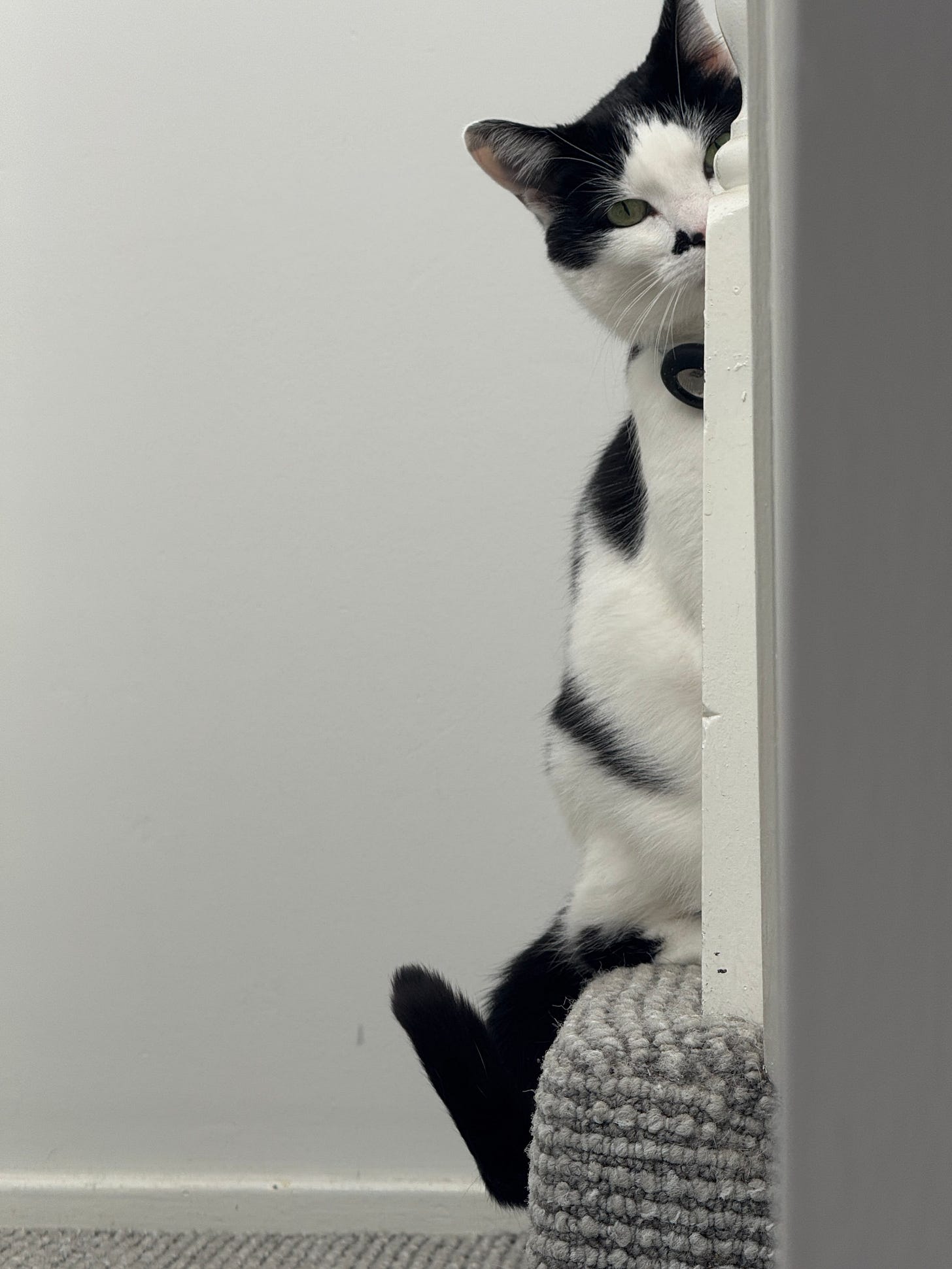
Got a Pet?
Give Your Old Work New Life
Pick a photograph from right back when you started out with your current photography hobby and re-process it. Use all the skills you’ve acquired since you started. Don’t worry about getting the photograph into some socially acceptable state – just go with the flow, experiment, try split-toning, push those sliders to places that would make purists weep. You might be surprised how much your eye has developed, and how a fresh perspective can breathe life into something you’d written off years ago.
Master Your Immediate Environment
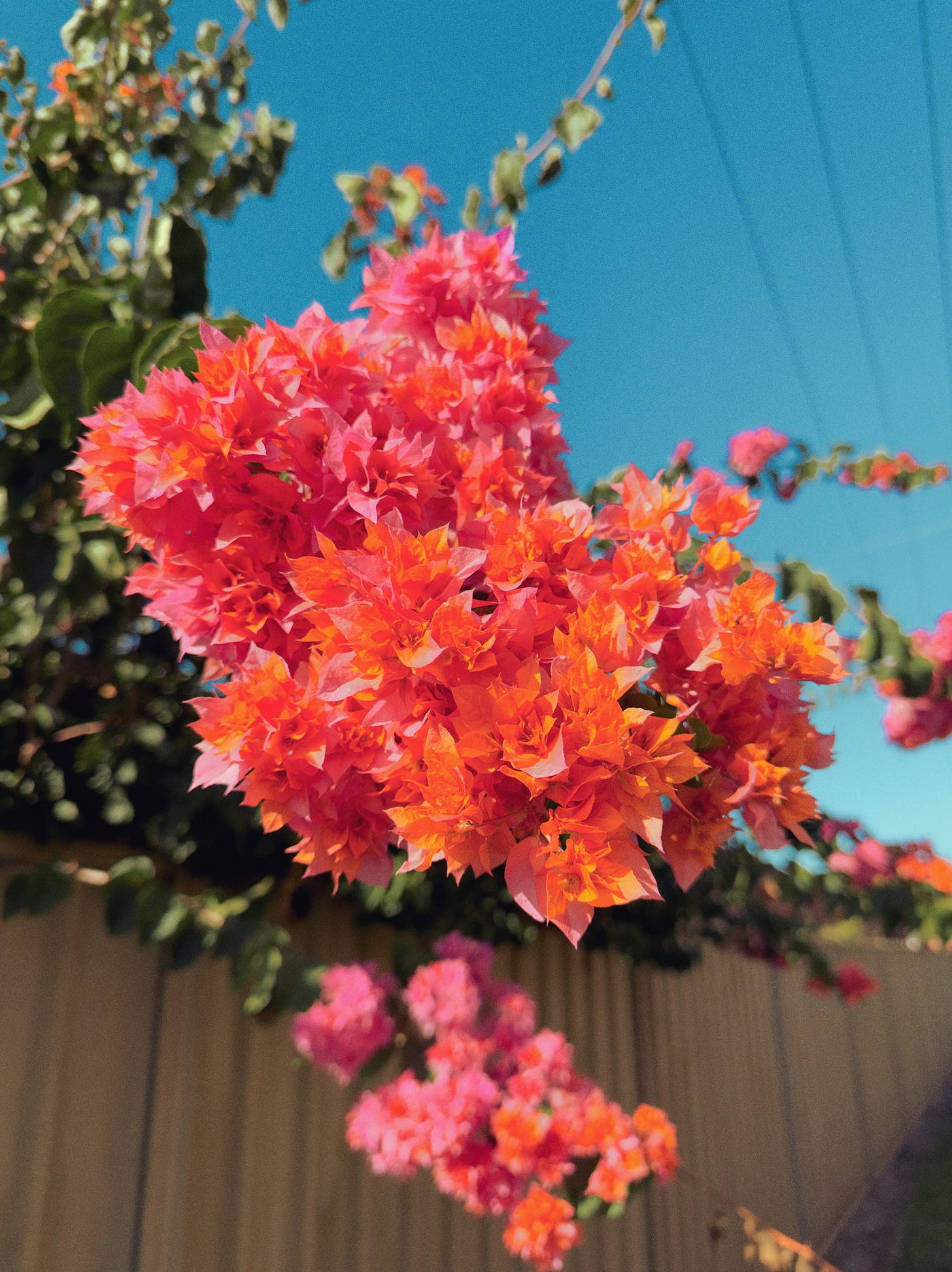
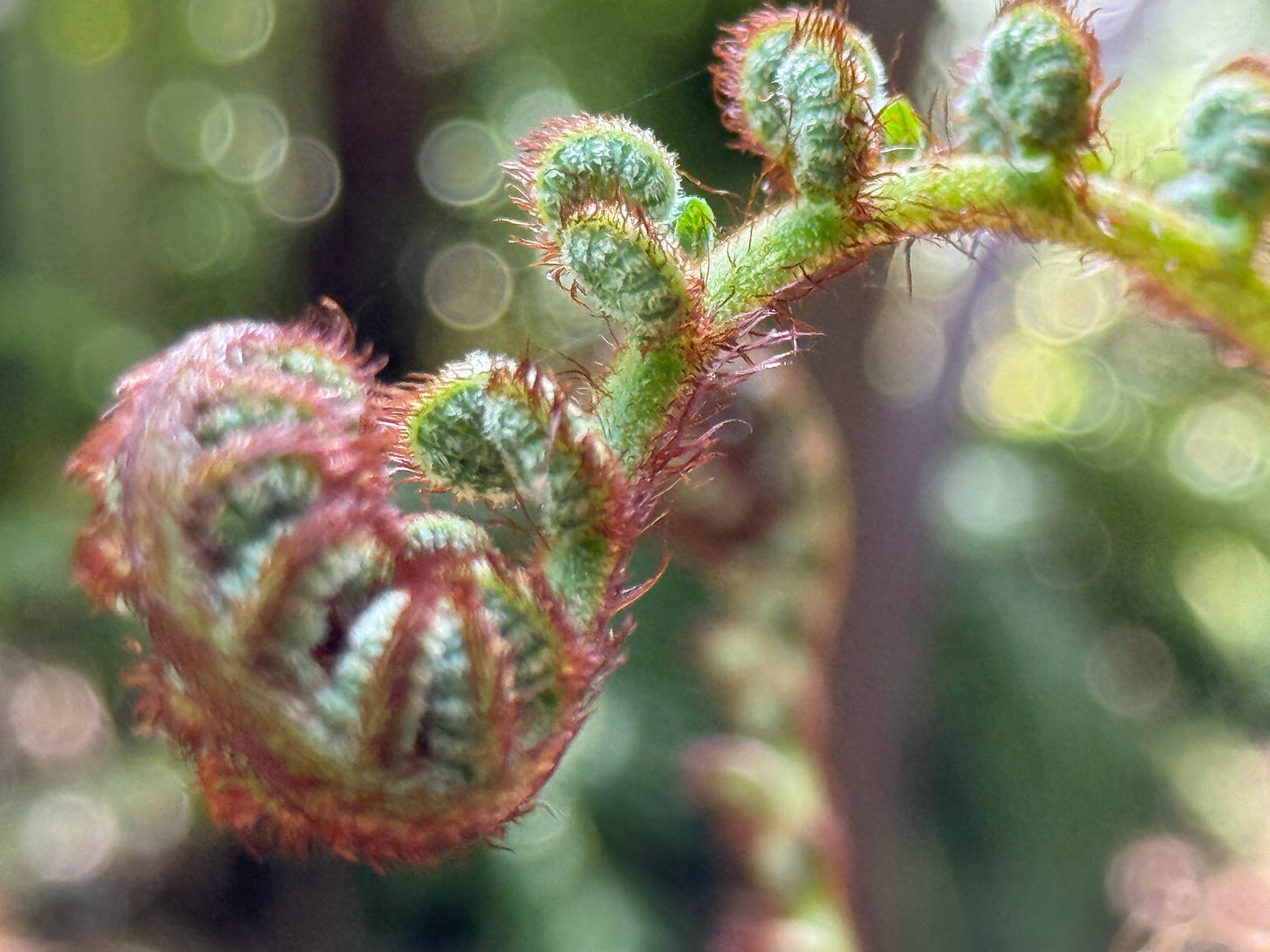
Spend a day in your yard, garden or balcony. Try and find five unique shots. Look for texture, colour, natural framing – anything that your eye settles on as it scans the environment. Then do the same thing in a couple of days and find out what you missed the first time. It’s remarkable how much visual interest exists in the most familiar spaces once you start looking with intention rather than just existing in them.
Document What Matters
Photograph your family. As photographers we often spend so long looking for artistic compositions or thinking three steps ahead to when we share a photo on social media that we neglect one of the most powerful use cases for a good camera. Take photographs of your partner, your kids, your siblings, your older relatives. Don’t pose anyone, don’t ask them to look at the camera, don’t wait for the right light, just press that shutter button when your natural instincts tell you to do so. These candid moments of people you love will outlast any carefully crafted landscape shot in terms of personal value.
Make It Physical
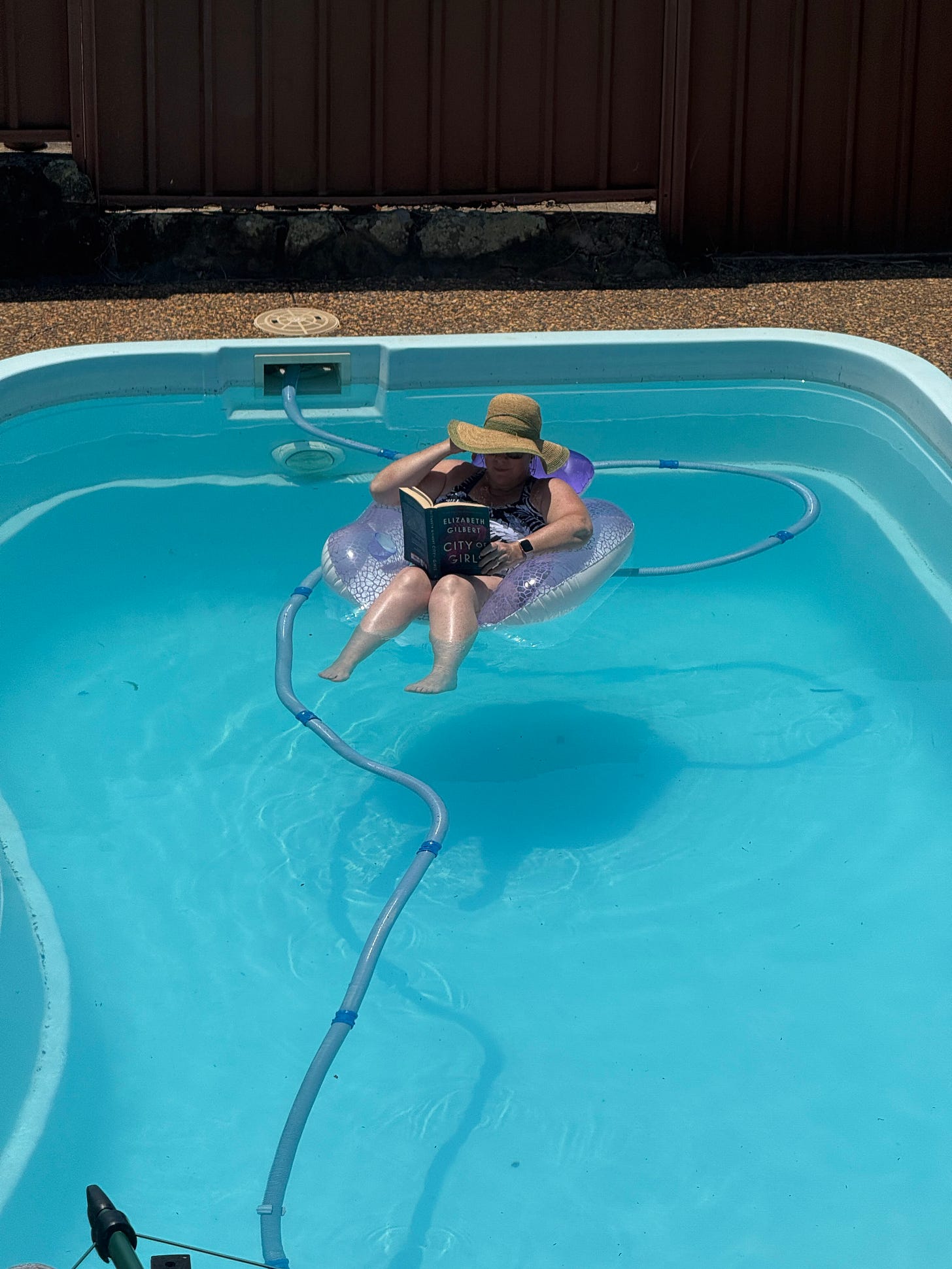
Print some photographs. Digital photography has turned us into digital hoarders and we rarely get to see the beauty of our photographs the way they were originally intended – out here in the real world. Choose a couple of shots that you like – forget whether they meet some artistic criteria – all that matters is that they are meaningful to you in some way, whether it’s a connection to the place or a moment or you just like the shot for no reason in particular. Get it printed, stick it in a $10 frame from Kmart. Put it on the wall somewhere you walk past often. There’s something transformative about seeing your work in physical form that no screen can replicate.
Shoot What You Love (That Isn’t Photography)
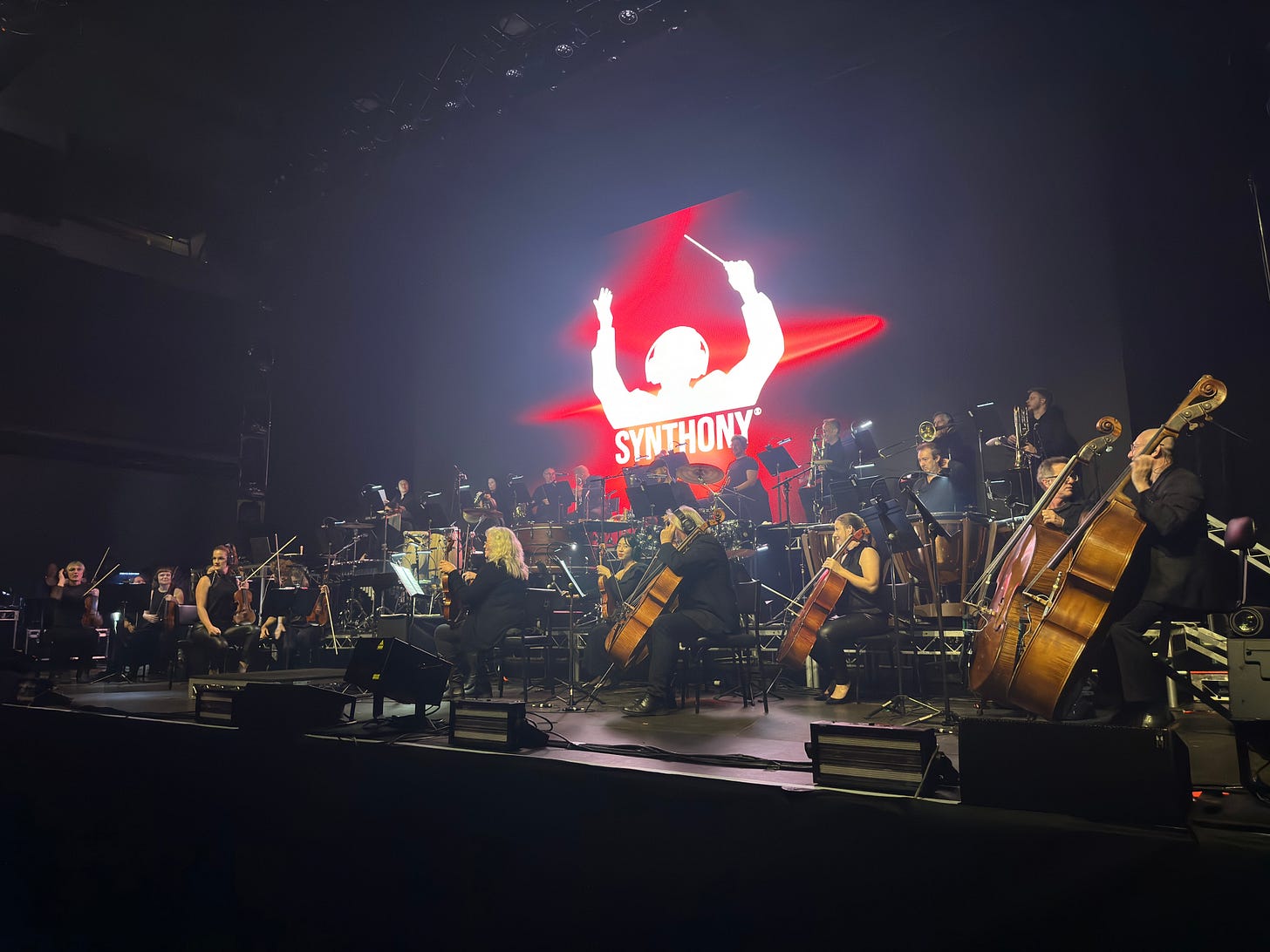
Do you have another hobby you enjoy? Racing cars at track days? Needlework? Football? Gardening? Managing a local flat-earth group? Take your camera along and just document the other hobby (alright maybe not that last one) – this relegates the camera to second place in the order of importance and means you’ll stress less about any artistic mental blocks that are holding you back. When photography becomes a supporting act rather than the main event, the pressure lifts and creativity often flows more freely.
Embrace Constraints
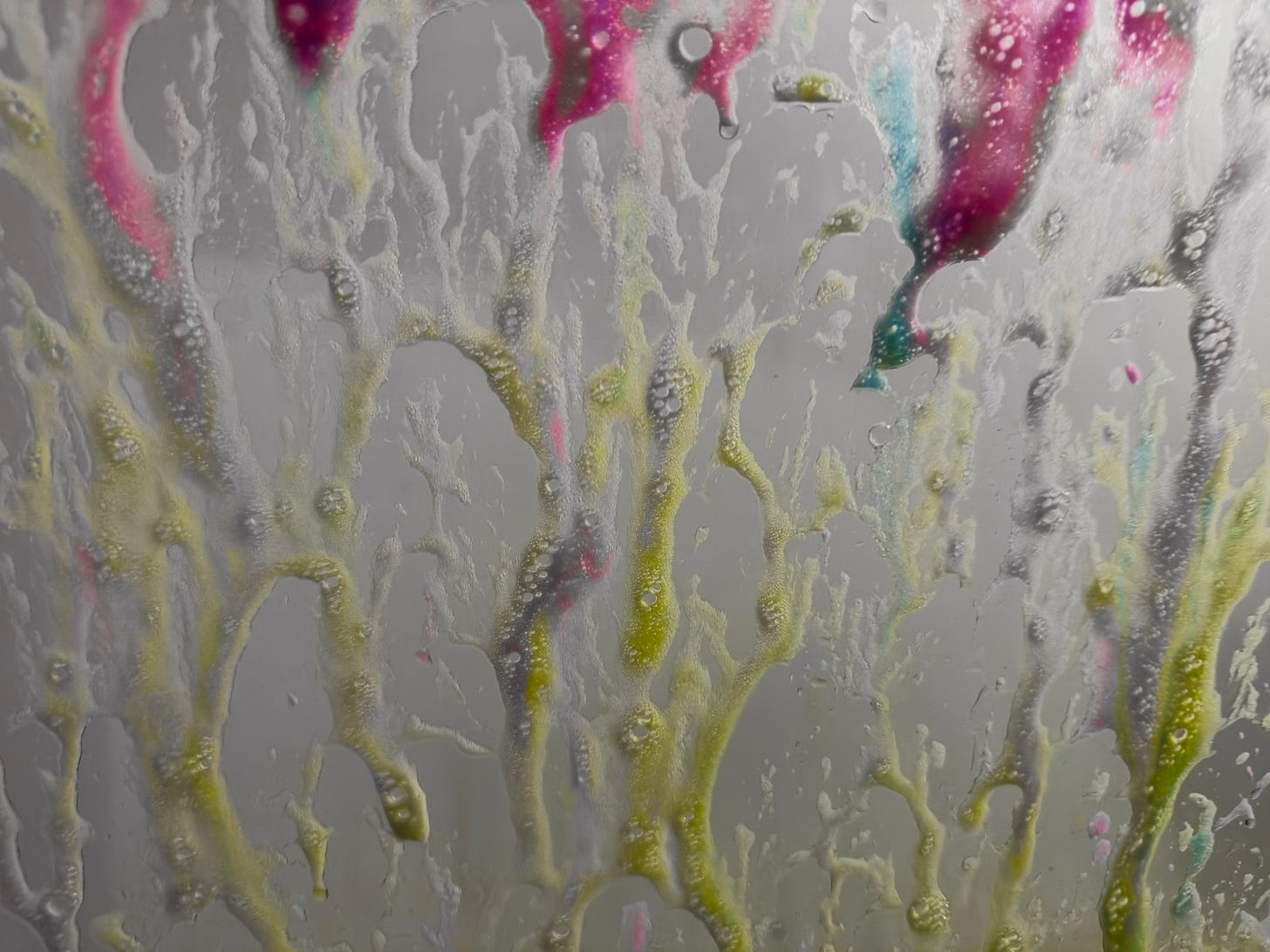
Pick one focal length and stick with it for a month. Or commit to only shooting in black and white. Or challenge yourself to take a photo every day using only window light. Constraints force creativity in ways that unlimited options rarely do. When you can’t rely on gear or settings to solve problems, you start seeing solutions everywhere.
Create a Photography Ritual
Establish a simple routine that signals to your brain it’s time to be creative. Maybe it’s making a particular type of coffee before you pick up the camera, or playing a specific playlist, or taking the same walk around your neighbourhood every Sunday morning with your camera. Rituals create psychological space for creativity and help bypass the mental friction that often keeps us from starting.
Sometimes, Don’t Fight It
Wait it out. Sometimes no trick will break the apathy you feel towards photography and you shouldn’t beat yourself up about that. Interests come and go and the fact that you’ve probably invested a sizeable amount of money in your photographic hobby is irrelevant if pursuing said hobby actually makes you feel worse. Unless you’re strapped for cash I’d advise against selling your gear, no matter how long it is since you lost your phojo.
The thread that runs through all of this is permission – permission to be imperfect, permission to shoot for yourself, permission to find your own path back to what made you pick up a camera in the first place. Photography isn’t a performance; it’s a practice. And like any practice worth doing, sometimes the most important thing is simply showing up, pressing the button, and trusting that the joy will return when it’s ready.
Also published in RAW & Unfiltered on Substack.