A
s photographers, we accept that there is a cost to entry into this hobby and it’s not just the realisation that nobody looks cool doing it.
Sure, it might start off without breaking the bank, with an entry level camera of some kind – that first camera might even be free – a gift from parents or partner. But once you get into this way of life, it’s really easy to start spending money because at its core – real photography is about taking the photographs that we can see in our minds-eye.
And we will do as much as we can to make those photos of our dreams become a reality, including spending $500 on a ball-head because it swivels slightly better than the $100 version. In this digital age, the software we use to process our photographs is every bit as important as the camera and lens we use to take them with.
But month by month, year by year, the loyal enthusiasts who sustain camera makers and pour billions into software are being forced to the margins. In the race to chase profits, the industry has forgotten the very photographers who kept it alive.
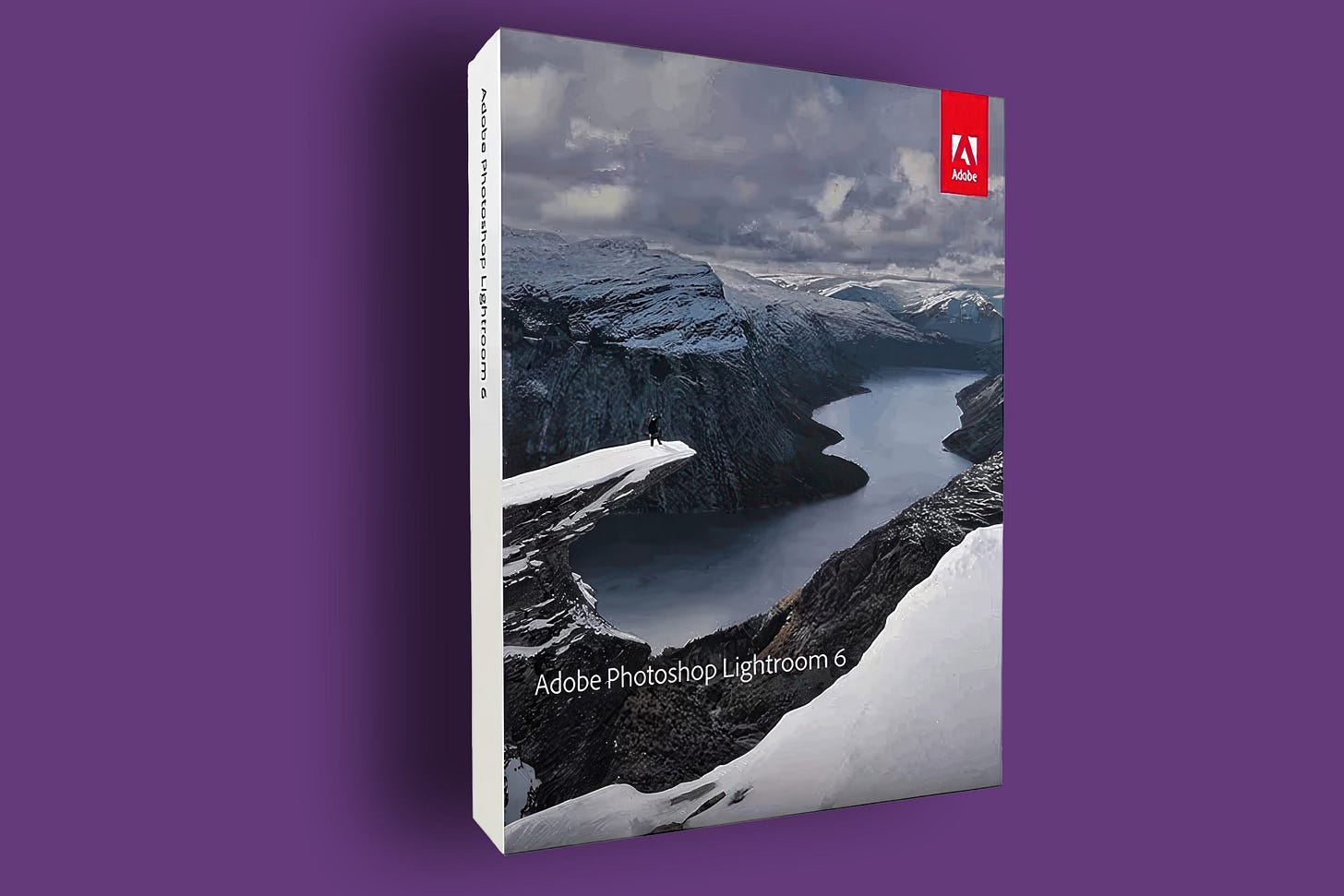
Do you know how much Adobe Lightroom cost in 2015? Have a think, cast your mind back, if it helps, picture those big old boxes that software used to come in. Can’t stretch the old memory banks as far back as a decade? Allow me to spark some memories.
Apple launched a watch that the pundits said looked shit and nobody would buy, Netflix was the world’s best and only real streaming service, hover-boards were catching fire, Obama was US president and us nerds cheered at “Chewie, we’re home.”
Still not helping. Okay – I’ll put you out of your misery. You could buy the standalone lifetime version of Adobe Lightroom for $79 back in 2015.
Let that sink in for a minute. You could buy the industry best asset manager / RAW editor for $79 and use it for the rest of your life, no questions asked.
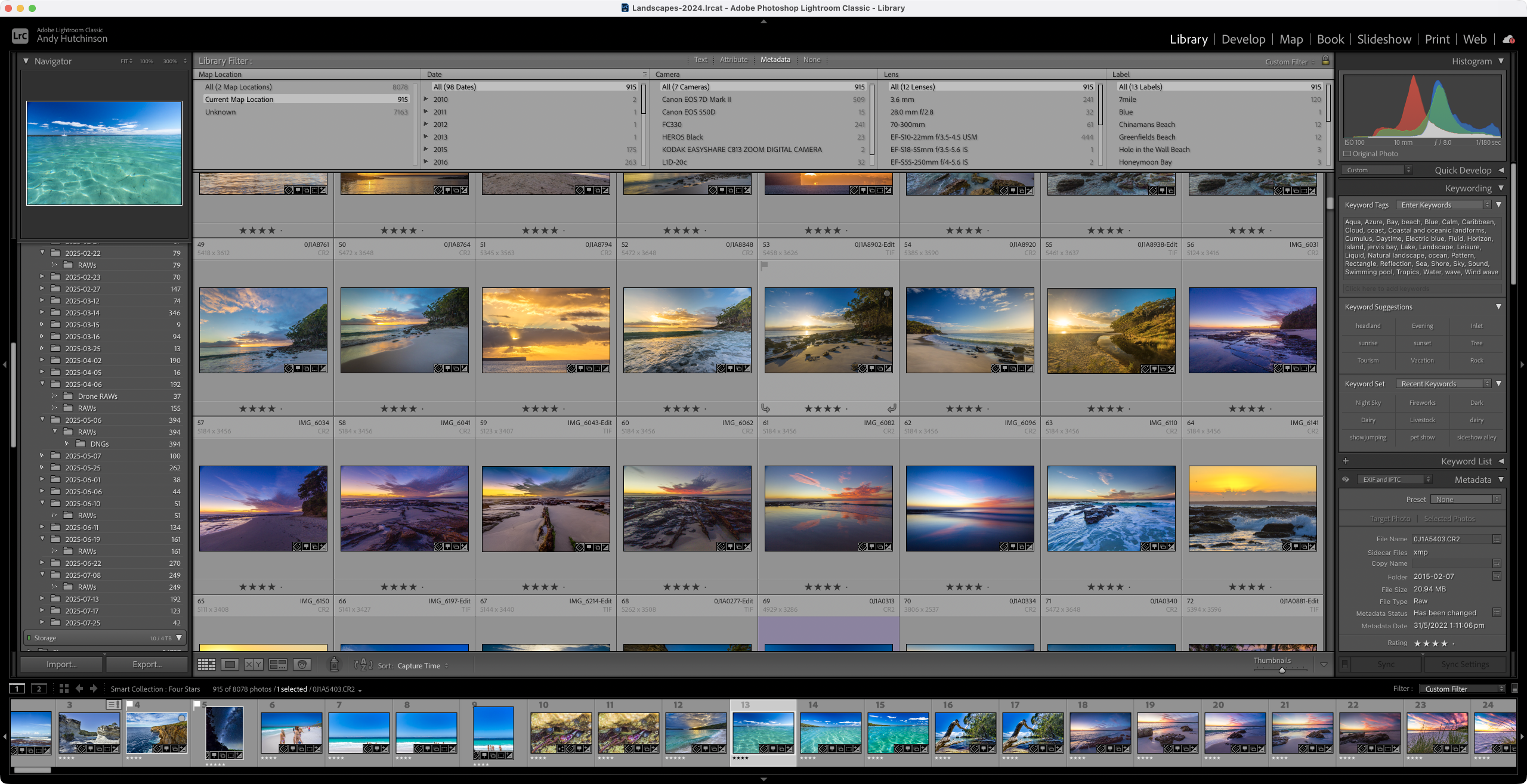
Depressed? Allow me to make it worse. Here’s what Lightroom looked like 10 years ago.
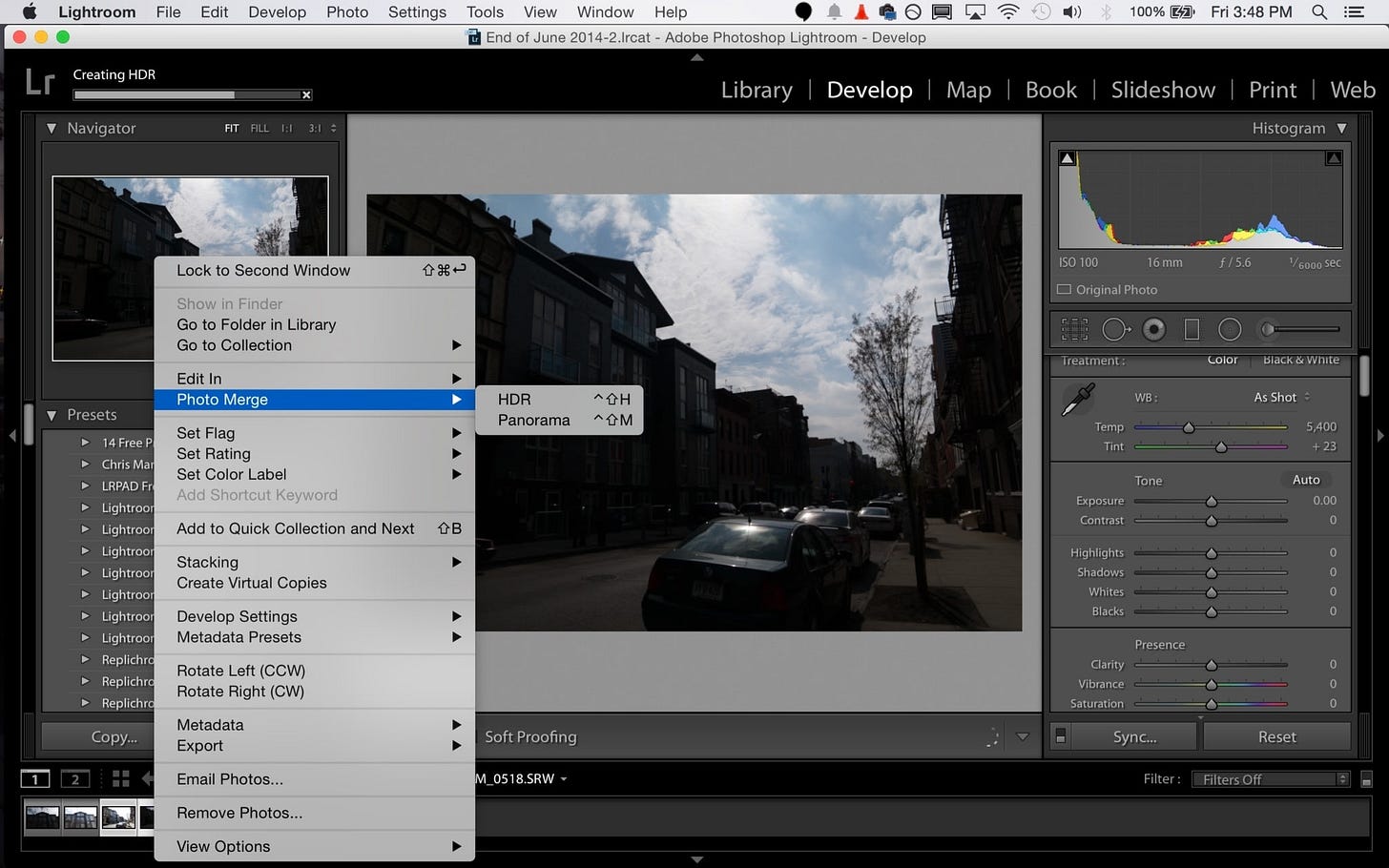
Seems pretty familiar doesn’t it? Same sliders, same interface, same layout, same colour scheme and most of the same tools. Sure it’s missing AI denoising and AI masks, but honestly? That’s about it. I feel confident that I could sit down in front of that 10 year old app and get great results from my RAW files assuming they were from my Canon 550D and not my Fuji X-T4.
I’m guessing it wouldn’t run like a bloated piece of shit, either, unencumbered as it would be by smart previews, facial recognition and an agentic crash assistant called Sensei Stability Advisor.
In 2015, Capture one cost $129, DXO OpticsPro (the predecessor to Photolab) was $129, On1 Perfect Photo Suite (the predecessor to PhotoRAW) was $79 and you could get the late-lamented Aperture from Apple for $79.
And if those old prices aren’t enough to cause your right eyebrow to pulsate like you’re picturing getting tasered in the plums, every single last one of them was a single subscription-free lifetime purchase.
In 2025, Adobe Lightroom – on its cheapest US plan (the Lightroom-only no-cloud one) – is $120 per year, no perpetual licence available. The other apps still offer ‘perpetual’ licences, but, prices have gone up a bit. Capture One is currently $300, Photolab is $240 and On1 is $119.
And while it’s great news that you can still buy these so-called perpetual licences, times have changed and ‘perpetual’ only means updates for about one calendar year – after that (if you want the new features or bug fixes) – you’ll basically have to pay again.
Pretty much every serious photo editor on the market is now either subscription-only or forever-ish. And the developers go out of their way to lead you down the path to the far-more-expensive-in-the-long-run subscription deals because it’s obviously far more profitable for them.
I think I made my feelings about TopazLabs Photo AI pretty clear in my recent review, but if I was interested in producing fuck-awful looking edits of my photos, it would now set me back a minimum of $21 per month because Topaz have just made their entire software suite subscription only.
Yes, that’s $252 per year. And that’s just for Photo AI – or actually – just plan old ‘Photo’ as they’ve now rebranded it.
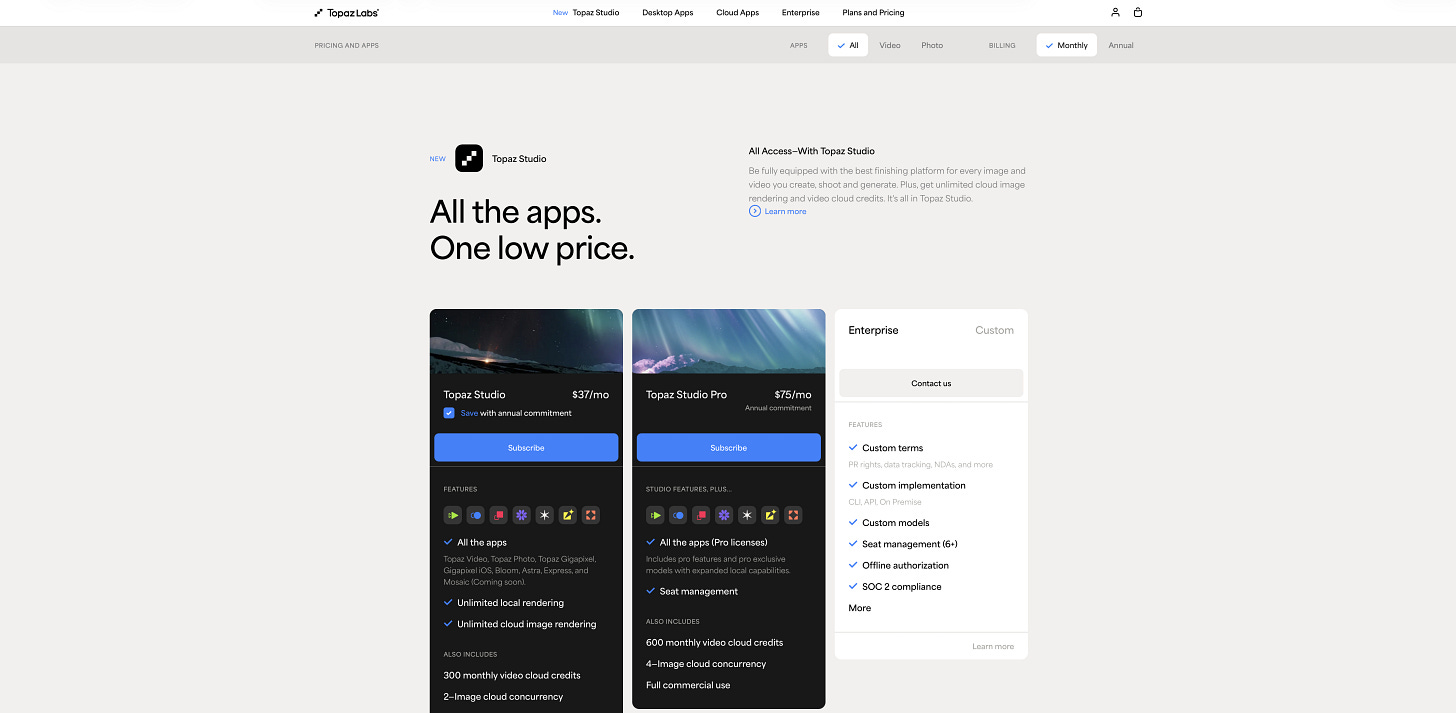
The last-remaining TopazLabs app that I paid for was GigaPixel AI, which in April of this year, cost me $64. And for the time-being I can continue to renew for $64 per year, but who knows how long that will last. And if I wasn’t an existing customer I’d be paying 220% more than last year’s price.
Couple of years ago I did my first review of the Mac-only aggregating AI powered asset manager – Peakto by Cyme – it cost $189 for a perpetual licence and in 2025 that same licence will set you back $466.
One by one we’ve seen the dominos fall as every developer has switched to subscription models which massively increase the costs of using their software or, in the vast majority of cases, massively hiked their ‘lifetime’ prices. The end result of all of this is that companies are pricing the serious hobbyists out of the market.
It seems pretty evident based upon how widespread this price gouging is, that the developers also couldn’t give a fuck that they’re pricing their loyal customers out of the market.
The Outcome
Time and again, in the comments section of my videos on YouTube and here on Substack I hear you guys telling me that the software is now priced beyond your discretionary spending limits.
Many of you ditched Adobe a year or two ago when they hiked the prices of the Creative Cloud suite. Meanwhile, some of you did the same as me and dropped from the full suite to the Photography bundle. And that seemed like a workable situation until this year when Adobe decided to double the cost of that bundle too.
So the outcome – it seems to me – is that many photographers are leaving the flagship editors behind – unable to justify the cost in an era where ordinary working people are being squeezed to breaking point by the familiar ratchet of corporate pricing.
It’s hard to justify spending $300 per year on something as self-indulgent as a RAW editor, another $100 on plugins, $200 on photo utilities, when its now twice as expensive to fill the tank of your car or pay a utility bill.
I’m in a fortunate position compared to many hobbyist photographers. I get sent serial keys for many of these apps because I have a platform over on YouTube that developers want to seek exposure from – and the software I pay for myself I can claim against my tax because the wife and I run a small design agency.
But even if I was a white-collar professional whose job hadn’t been replaced by AI, and I was in a position where I didn’t have to worry about spending hundreds of dollars per year on post-processing software, I’d still question why it all got so expensive, so quickly.
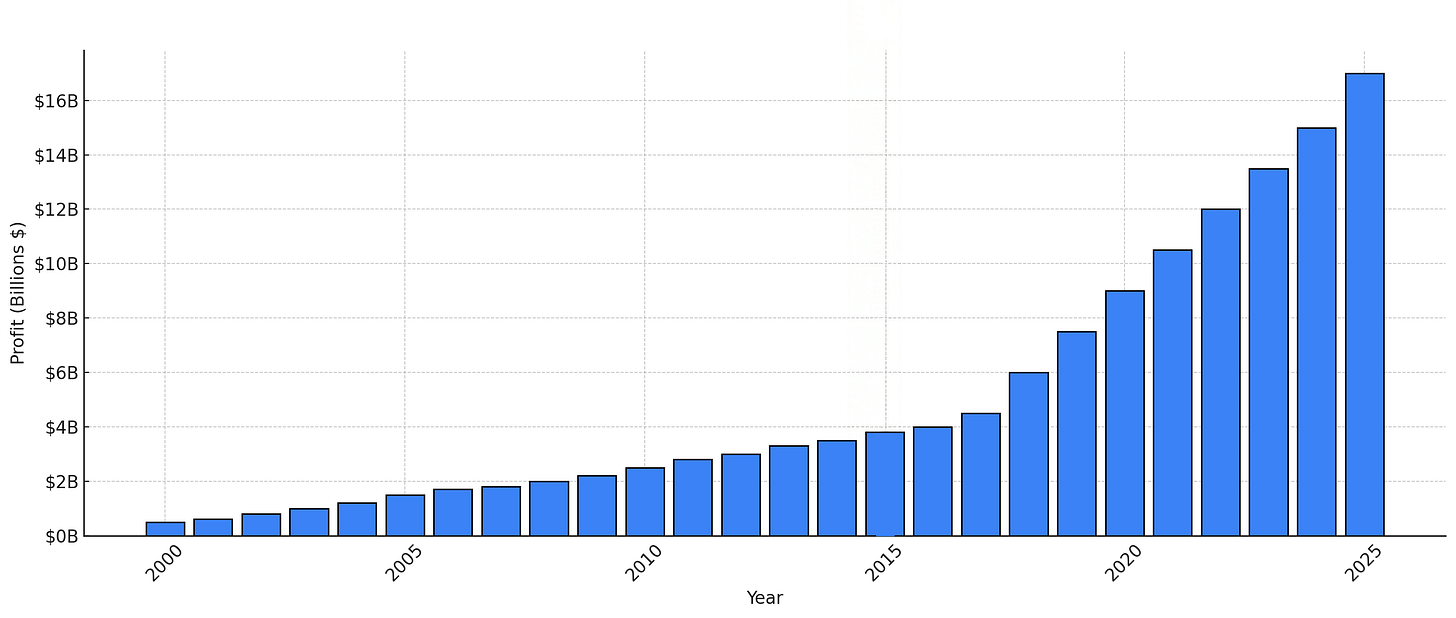
Adobe’s profits have never been higher, over $20billion last year in fact and they gave up worrying about the ‘home’ user a long time ago. We’re the little people and they couldn’t give a flying fuck about us. All the other well known apps and utilities are going the same way.
Businesses are happy to pay monthly subscription fees because they can spread the costs out over the financial year, because it’s an operating expense and not something on the depreciation schedule and because it’s predictable. As consumers we’re told to vote with our wallets and to move on, but firstly it’s not always that easy to just shift to another app and secondly, the developers don’t care either way.
For those drifting between RAW editors and asset managers, unsure of where to settle, there are a couple of options available to you.
Version Hopping
If you are a user of one of the flagship RAW editors then one of the best solutions to this on-going price gouging is to version-hop. Everyone except Adobe and TopazLabs offer a ‘perpetual’ license for their software and they guarantee you updates and bug fixes for about a year after that purchase date.
So realistically the upgrade clock doesn’t start ticking until one year after your purchase. Depending upon when you purchase the app, in its development cycle, you might even get 18 months or more. And since most of these companies do have a fairly well established release schedule you can make an educated guess on the ideal purchasing window.
But let’s say that one year to the day, the developer rolls out a point release – a big update – and your ‘perpetual’ licence falls outside the upgrade window. You can simply choose not to pay the upgrade fee. Have a long hard look at the new features and consider whether or not they are going to benefit the kind of photographs you take.
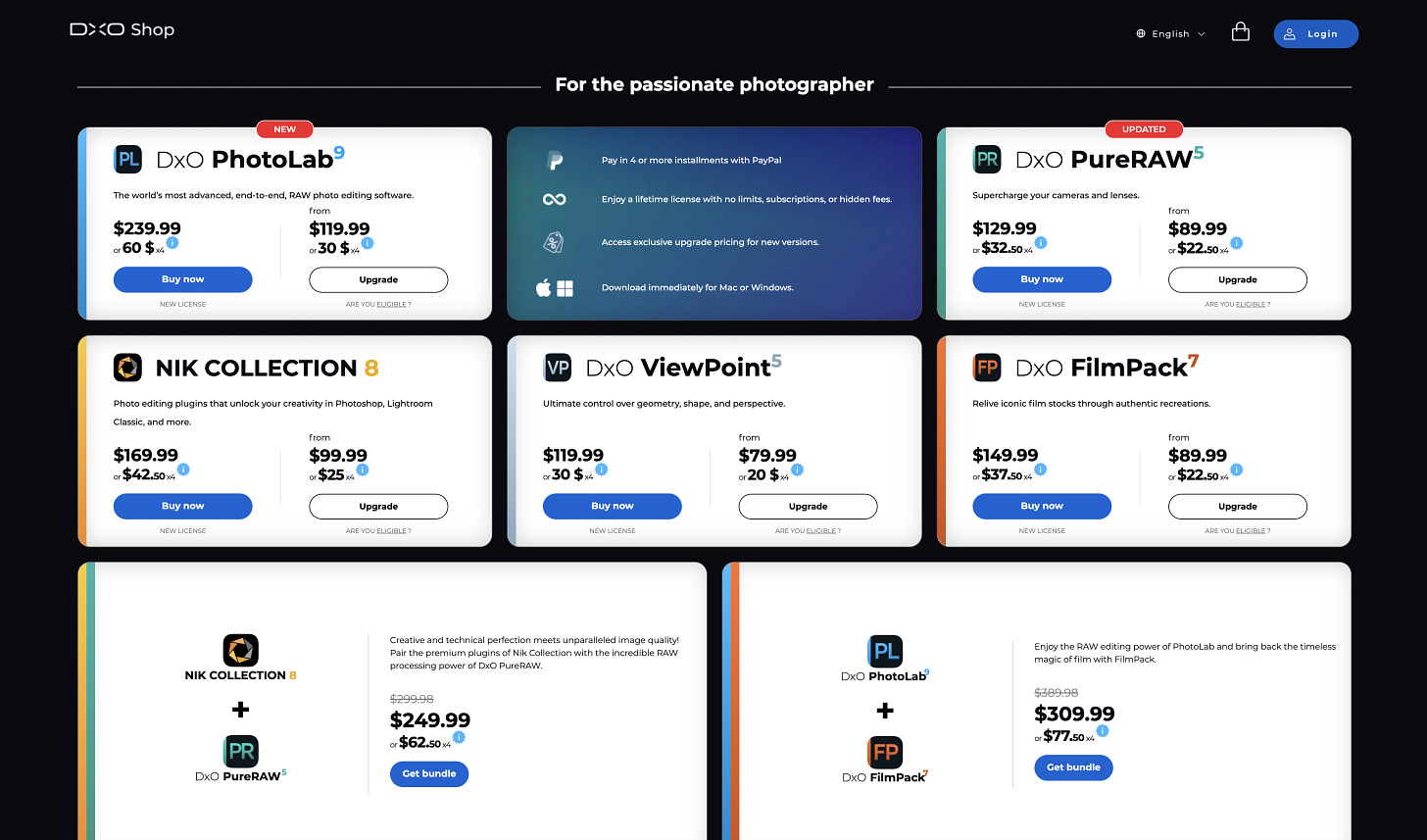
For instance, DXO have just released version 9 of Photolab and it’s a big upgrade with AI masks and localised noise reduction. But if you’re a landscape photographer, I’d question the practical application of those AI masks. I’ve had version 9 for a couple of months now and, apart from creating videos for my YouTube channel, I haven’t used them once.
And let’s not even mention the fact that the Windows version is so buggy that if you were an early adopter of version 9 you’d have been forced to downgrade your Nvidia drivers, just to use the AI masks.
If you’re unsure about the new features of any of these post-processing tools, download the trial version and install it alongside your current version – and test it. See how often you actually use the new tools and then make a decision based upon empirical evidence. Given the lack of real innovation in the post-processing market you could realistically version hop for several years and miss out on nothing of any value.
Champion the Little Guy
But let’s say that you’re done with the flagship editors, you’re not going to be party to the sunk cost fallacy and you’re going to move on. Take a look at what the smaller developers are building and you’ll quickly ask yourself why you didn’t jump earlier. As long as you do your homework and ensure compatibility with your camera and your computer, there’s no reason why a $50 app from a lone coder can’t fulfil your post-processing needs.
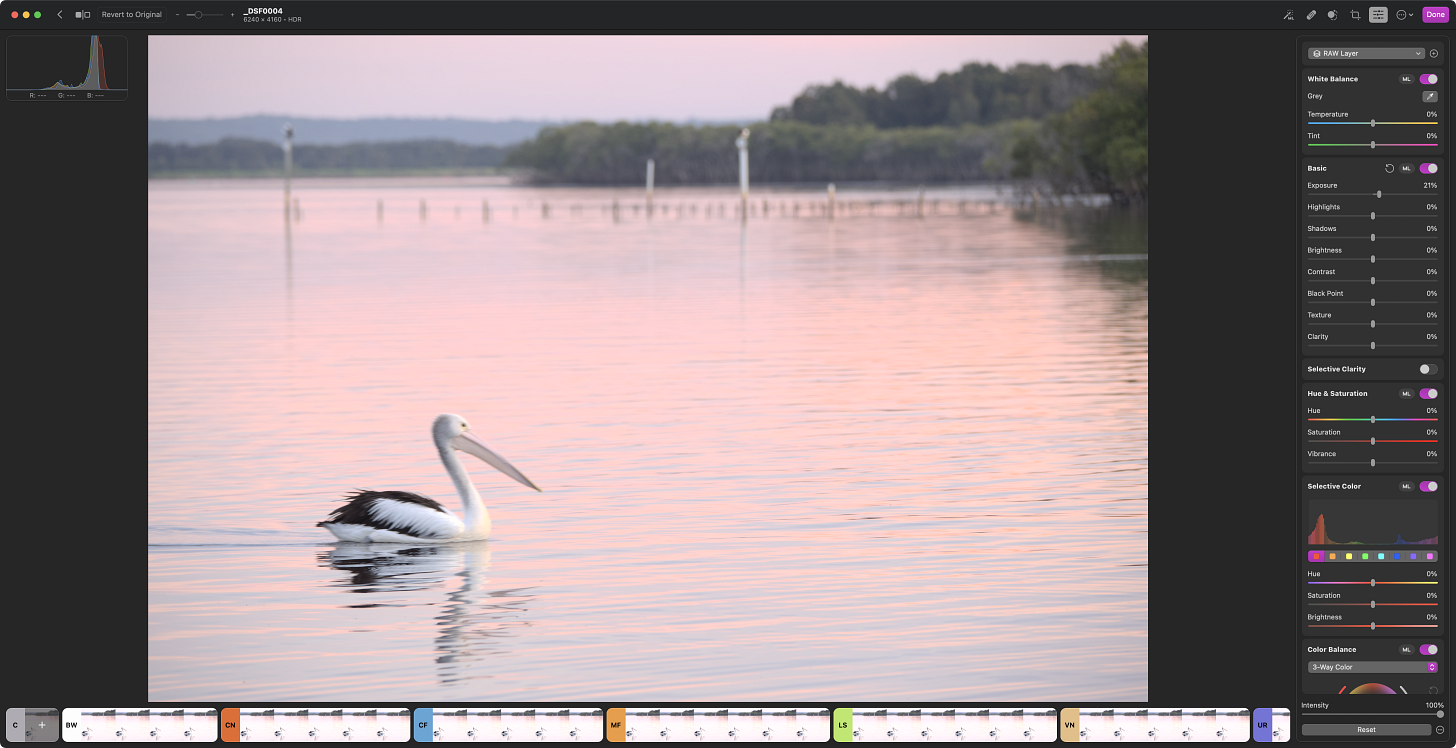
Mac users are particularly lucky in this regard with an active independent development community producing excellent apps. If you are a Mac user then you could even give up commercial third-party apps completely and just use Apple Photo as your asset manager and editor. But if you do want a more capable app, then you could also look at Luminar Neo, Nitro, Musebox, Acorn, Darkroom Photomator and Affinity Photo.
Windows users could look at Luminar, Affinity Photo, Zoner Photo Studio X and ACD See Photo Studio.
Most of those are single-purchase perpetual licences, with the exception of Darkroom (which costs $45 a year) and Zoner Photo Studio which is $60 per year.
Open Source
Now, I know that a small but noisy faction among you will have been shaking your fist angrily and shouting, “What about open source, you muppet?” And so yes – freedom-loving evangelists – open source software is of course a brilliant alternative to commercial software and a huge middle-finger to price-gouging companies like Adobe.
The main downsides of open source are interfaces only a mother could love, and support that usually arrives in the form of a 12-year-old forum thread written in broken English on a website that hasn’t seen much love since Windows 95 shipped. The advantages are access to software that’s potentially far more capable than anything the commercial developers are producing.
I’m thinking, of course, about Darktable – a photo editor so powerful that you’ll spend three months learning it, two full days crying, and the rest of your life telling strangers on Reddit how great it is.
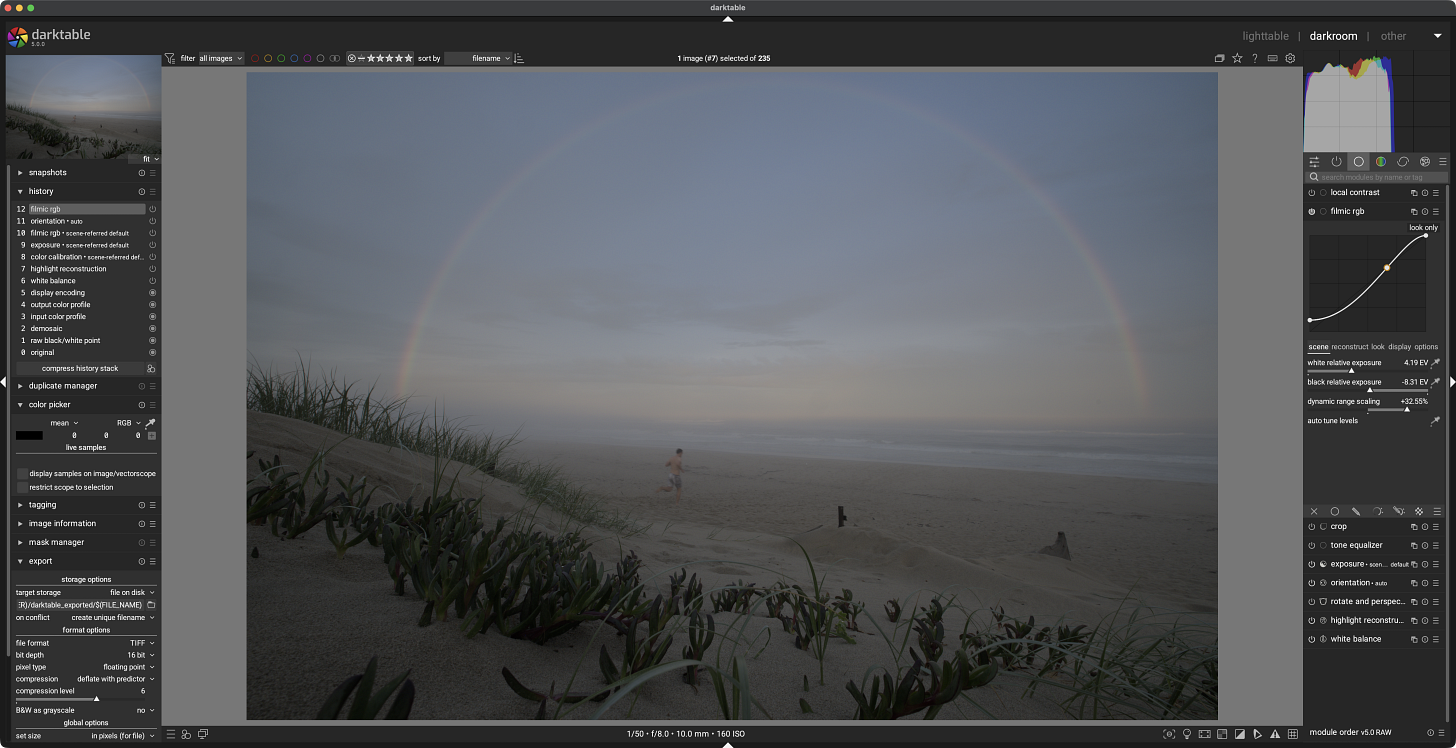
It is not for everyone. I’ve made several attempts to learn its secrets and fallen on my arse every time. Call me a coward if you like, but I’m saving properly learning Darktable for the next pandemic. But give it a go – you might wonder what all the fuss is about and take to it like a wellness grifter to TikTok.
Piracy
And, since we’re living in the real world and it would be stupid to pretend it doesn’t happen – you could of course just pirate the software.
I am not condoning the practice and Thor-only knows a surprise payload in your pirated app could convert your GPU into a node for Albanian Bitcoin farmers, North Korean botnets and Indian ransomware recruiters – but you’re a grown-up – make your own decisions.
The End of the Prosumer
Seems to me like the software industry – for photographers and other niches too – is fractured into two main factions with the serious hobbyists and prosumers falling into a rapidly diminishing gap in the middle.
On the one side you have the business/enterprise crowd who are the audience being catered to by the big developers. And on the other side you have the casuals using the free or cheap stuff.
Nobody has a right to cheap software – most of us live in capitalist societies where people expect to get paid for their work – and in which businesses are in competition with each other in a contest for the dollars we do earn. But you also have the freedom to *not* purchase specific apps. You can give their competitors a go or you can throw in with the open source crowd.
Photography itself hasn’t changed, it’s still about light, lenses and compositions, but the industry around it has decided you’re a bottomless revenue stream, not an artist. Or, as Tyler Durden said in Fight Club: The things you own end up owning you.
Also published in RAW & Unfiltered on Substack.