S
ince Google announced the release of Nano Banana Pro – their next-generation generative imaging model – it has generated a colossal amount of interest in the media (both ‘social’ and otherwise) and with good reason. This is a very different beast to the previous iterations of this technology and one that is both a threat to photography and also a powerful tool at one and the same time.
There are existential problems deeply rooted in the development of this technology, not the least of which is the fact that it has been trained exclusively on the work of the very photographers it seeks to replace. Given the high quality of the outputs now possible with this model, the job of ‘photographer’ has never been under greater threat.
And yet there are useful purposes for this technology that do not involve eradicating human creativity and instead open up new directions and applications – particularly in the arena of post-processing.
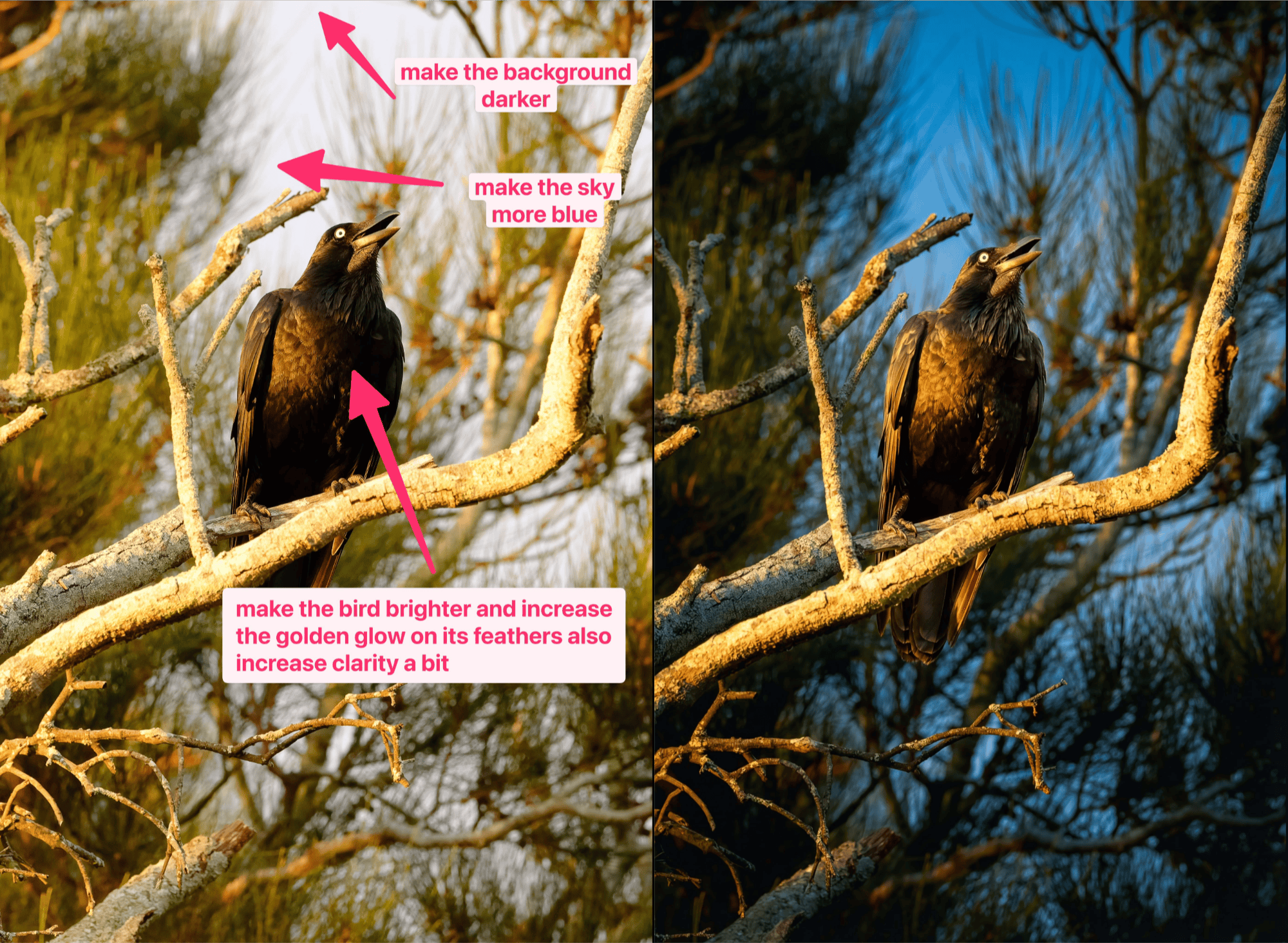
I have been testing the possible ways in which we can edit photographs, whatever the subject matter happens to be – portrait, landscape, wildlife – whatever.
In the images in the gallery below you can see a variety of test scenarios – removing tattoos, colourising, changing hair styles. All of the output files are 4K and match the dpi of the input image. Sidenote: if you view this gallery on the Substack website you’ll be able to click on the images to see them larger and individually.
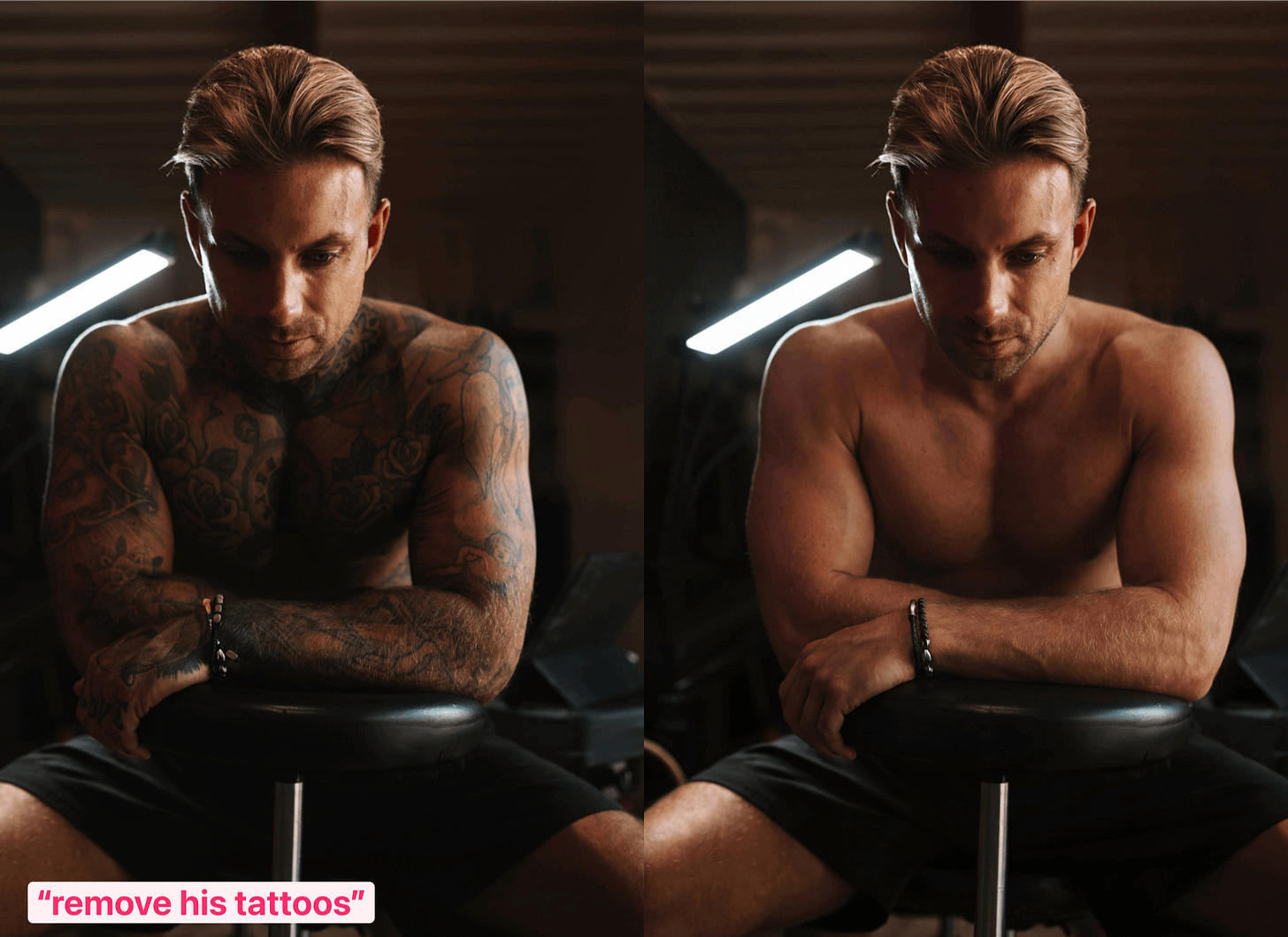
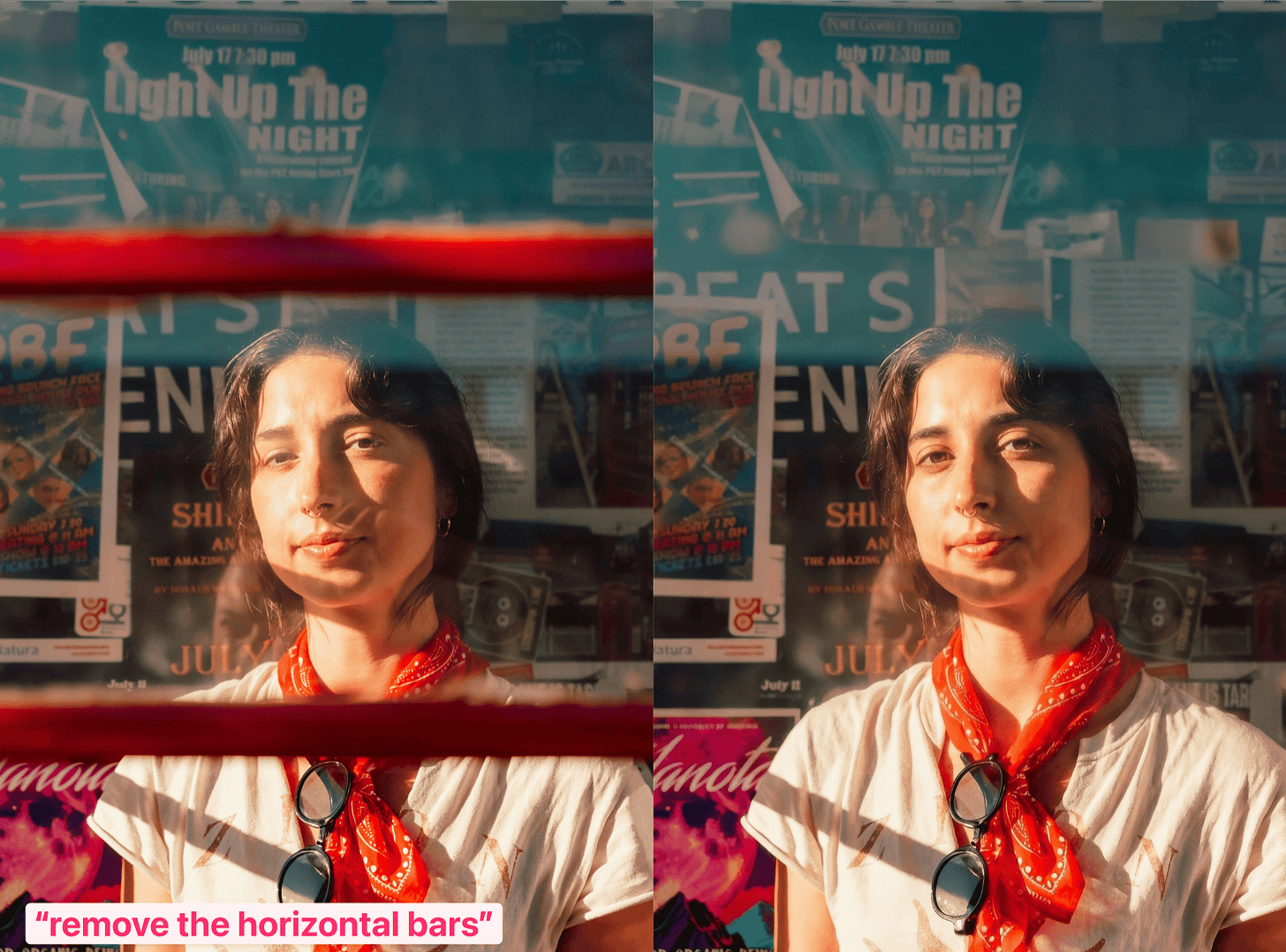
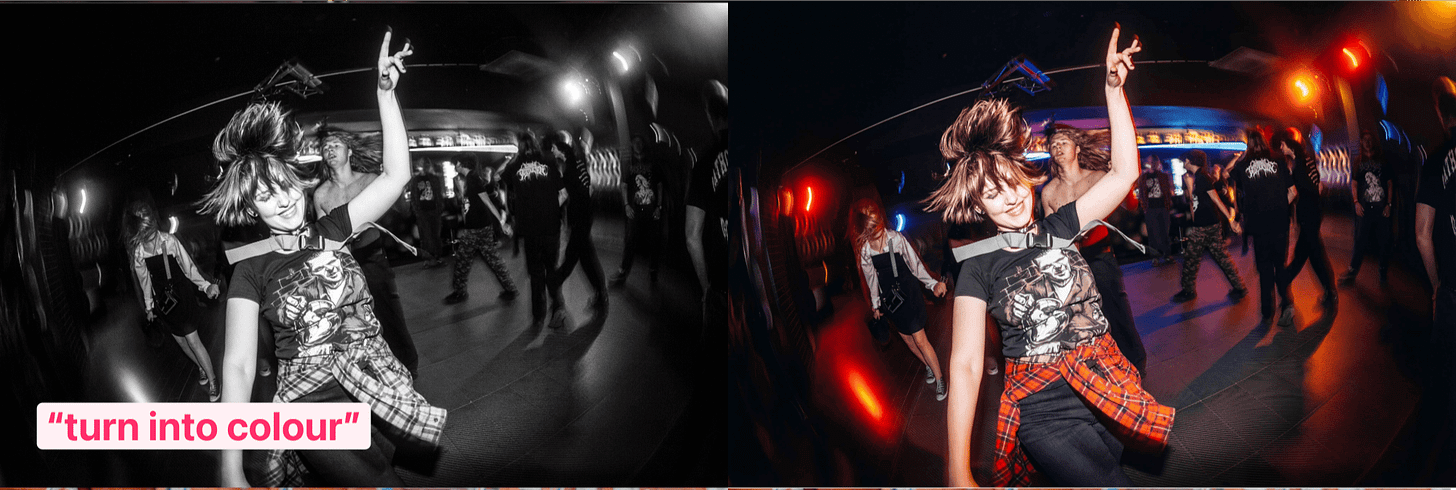
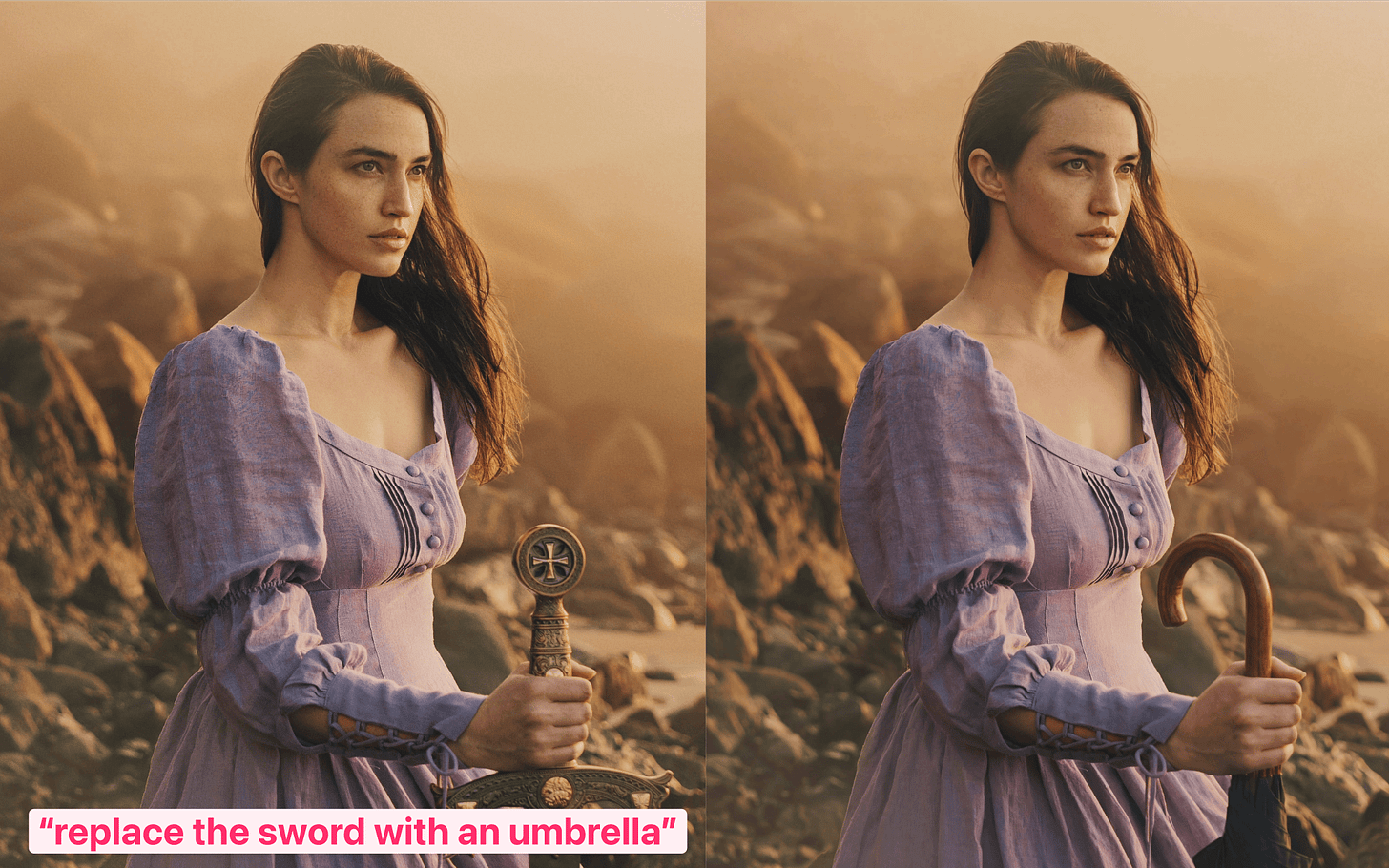
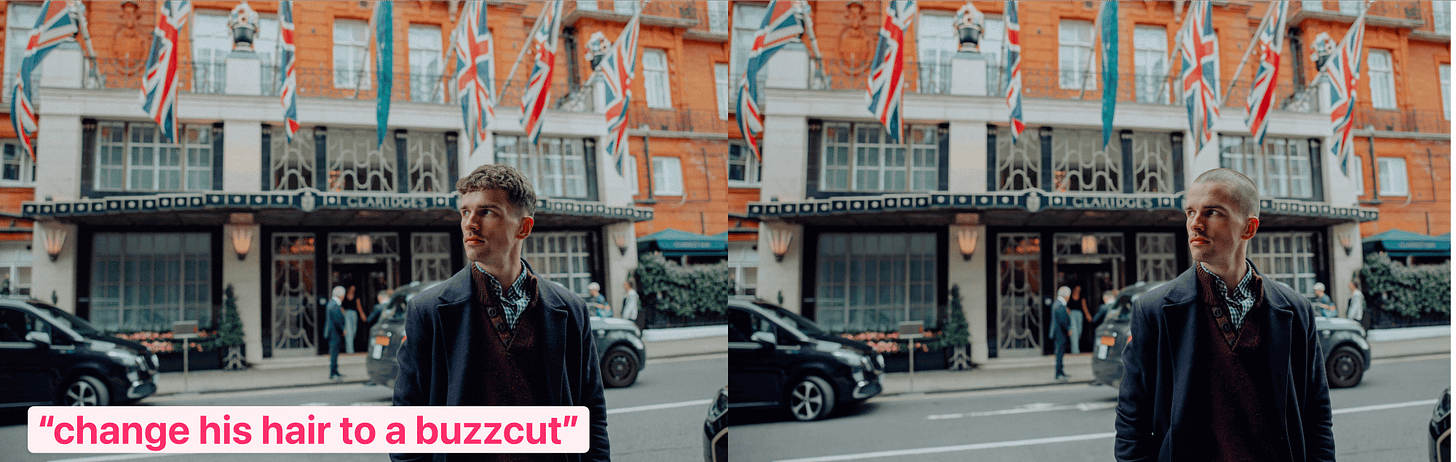
In many ways there’s a strong argument to make that this sort of technology democratises the editing process and enables people with no knowledge of the RAW editing process to get excellent results from their images. Is there really any difference between getting an AI to make the changes and do them ourselves with prompts as long as it’s only edits that take place and not transformations?
I said recently that in the near-future we will look on the editing of photographs with sliders as something quaint and old-fashioned – and having experimented with the ideas with Nano Banana Pro I am even more convinced.
Does this mean I’ll be abandoning Lightroom? No, I won’t – because I know how to edit photographs and I enjoy the process. I like the level of control I have with a full editor and as good as my test results are, you would be very hard pushed to replicate that level of control by describing what you want with text prompts. RAW editing is as much a creative art form as the process of taking photos in the first place.
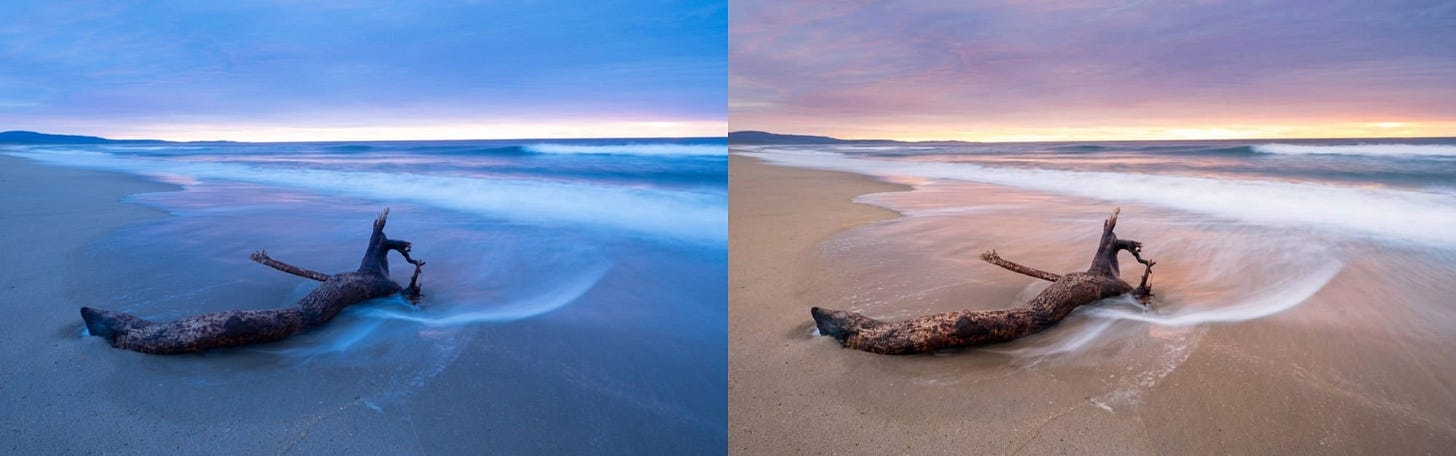
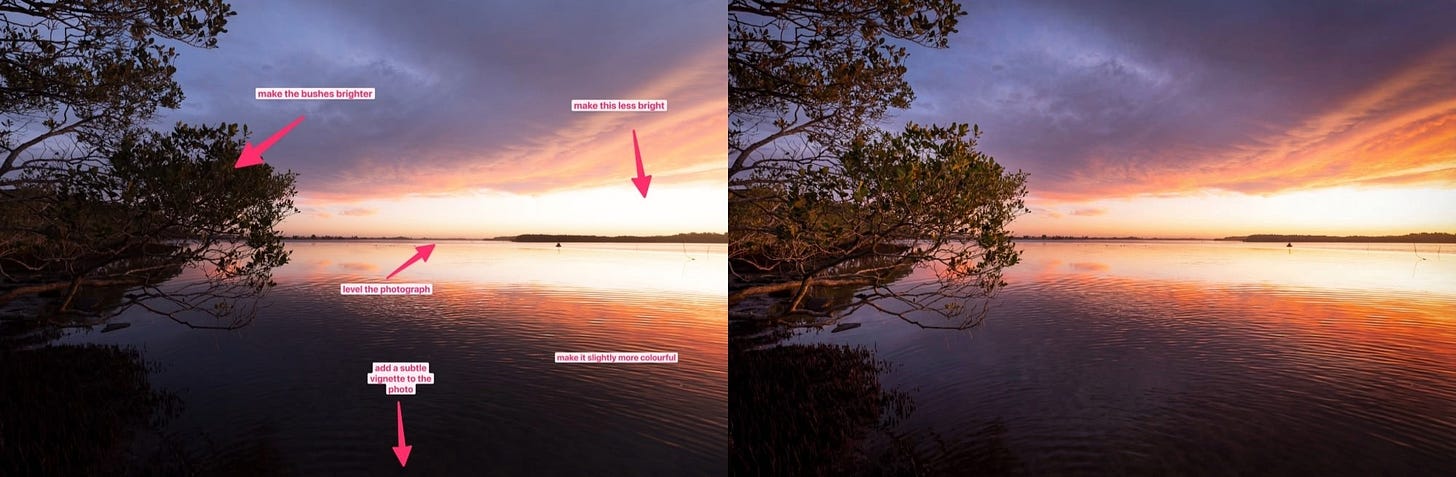
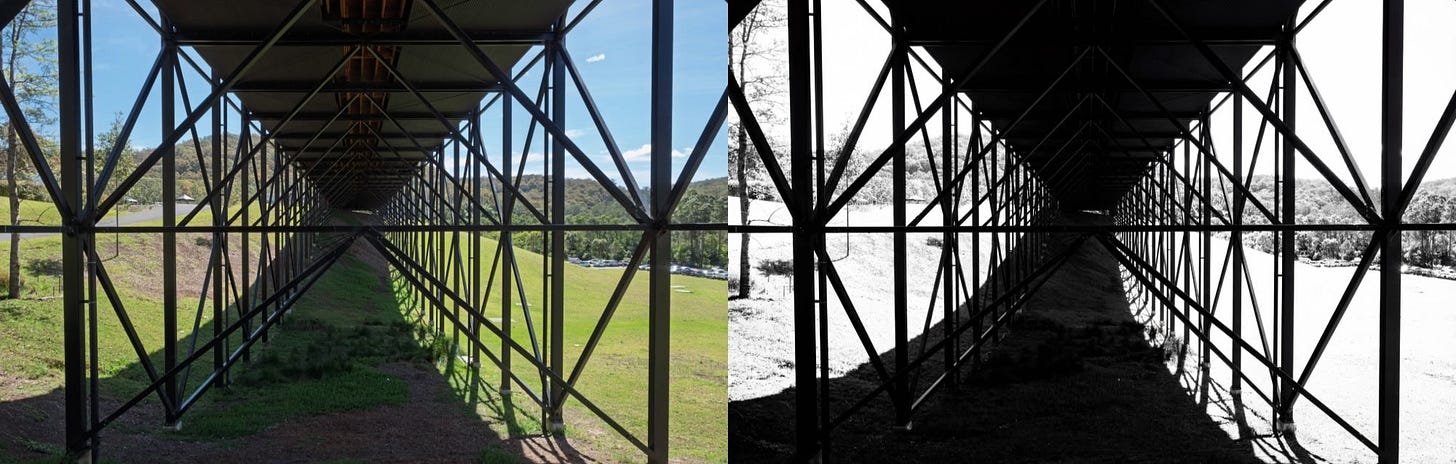
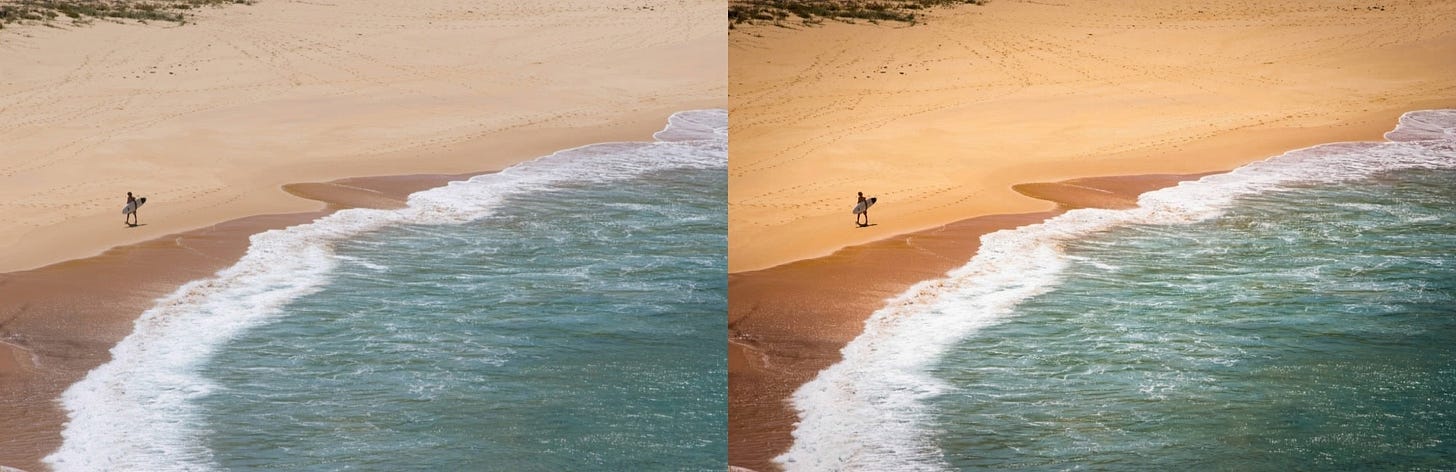
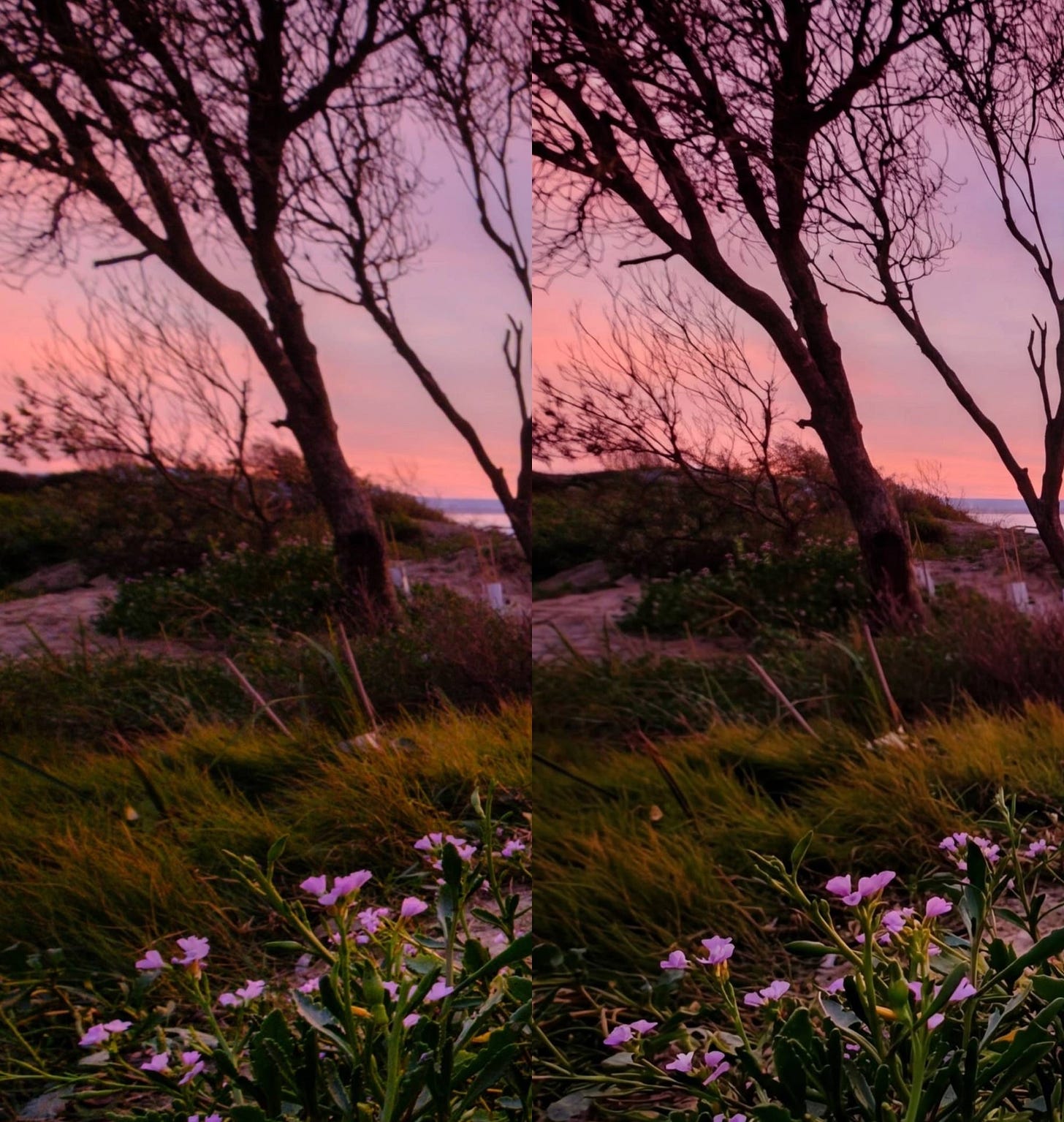
But consider this – the vast majority of photographs are taken on smartphones which already leverage computational processing to transform photographs near-instantly. In many ways this is just an extension of that technology. Instead of editing a photo the user can just request the changes be made.
I did think that a key flaw is the fact that the models can only work on non-RAW files – JPEGs etc. But when you think about it – the model does not need access to that extra RAW information to do its job – it can just generate whatever is needed in its place. If you look at the gallery of landscape photographs above you can see that the ‘intent’ of the photos has not changed – these are not outlandish edits and they certainly do not scream ‘AI’ the way they used to in the past.
This technology can deal with issues that no RAW editor will ever be capable of. For example I took an image with an out-of-focus background and prompted the model to make everything in focus from front to back – and it did it perfectly with no hallucinated details.
As always I’d also like to point out that this technology is only going to get better, with higher resolution outputs and better results. It won’t stop the rest of us from using Capture One or DXO Photolab, but like working in a darkroom with film, the days of software-only photo editing are numbered. Soon it’ll be a choice, not a requirement – a niche craft rather than the default way people edit photos.
Also published in RAW & Unfiltered on Substack.