Never Buy a New Camera (Buy Last Year’s)
I
’ve got a fairly ancient gaming PC that hasn’t seen an upgrade in over six years, and which would struggle to play modern triple-A games in 1080p above 20 frames per second. But since I don’t really want to be spending $120 on some over-hyped new PC game, the age of my PC is actually a weird kind of advantage.
And that’s because all the triple-A titles they released five to ten years ago have long since had all their bugs fixed, run perfectly on my 3060 Ti graphics card, and I can pick up those titles for virtually nothing in the Steam sale.
Yes, I’m effectively living in a bit of a time-warp, but who cares? My days of needing the latest thing to impress anyone are long behind me and I paid two dollars and 50 cents for a game that won over 40 game of the year awards.
And that, basically, is also my entire camera-buying strategy.
The Long Game
I put it to you that buying a camera that’s brand new to the market is a several thousand dollar gamble.
It doesn’t matter who makes it, whether it’s a revision of an existing model or a brand new line, or even if it’s the most hyped release of the year (in fact particularly if it’s the most hyped release of the year). It’s an unknown entity and you’re placing your entire faith in a glossy launch video and a few dubious ‘review’ videos shot by photography influencers flown to Japan at the manufacturer’s expense.
Most camera manufacturers have been in the marketing game for a very long time and they’ve long since learned how to seduce us camera nerds, to tap into our gear acquisition syndrome, to play on our FOMO and to get us to open our wallets, even when that little voice in our heads is counselling caution.
I strongly believe that waiting for at least one calendar year isn’t indecision, it’s the smart play, and here’s why.
It Will Be Cheaper
We all know that you pay a premium to buy brand new products that are fresh to the market. The manufacturers play on our desire for exclusivity and bragging rights, and therefore all products are at their most expensive when they are first launched.
Have you ever seen the expressions of glee on the face of the Apple faithful when they’re lining up at their local gleaming Apple Store to buy the latest and greatest iPhone? Or the utter joy as someone hands over their credit card to purchase the latest console?
Buying brand new stuff makes us happy, and if the brand new stuff is some desirable item that’s been attracting a lot of media attention, then the feeling is only amplified.
If the hype has truly kicked in for a particular camera, then you may well find that the manufacturer cannot keep up with demand and your deposit, or indeed the full purchase price, sits in some camera retailer’s bank account for several months while the supply chain catches up with the frenzy. So not only are you paying the most that anyone will ever pay for that particular camera, but you will probably find yourself refreshing the tracking page for a painfully long period waiting for it to tick over from ‘order received’ to ‘shipped’.
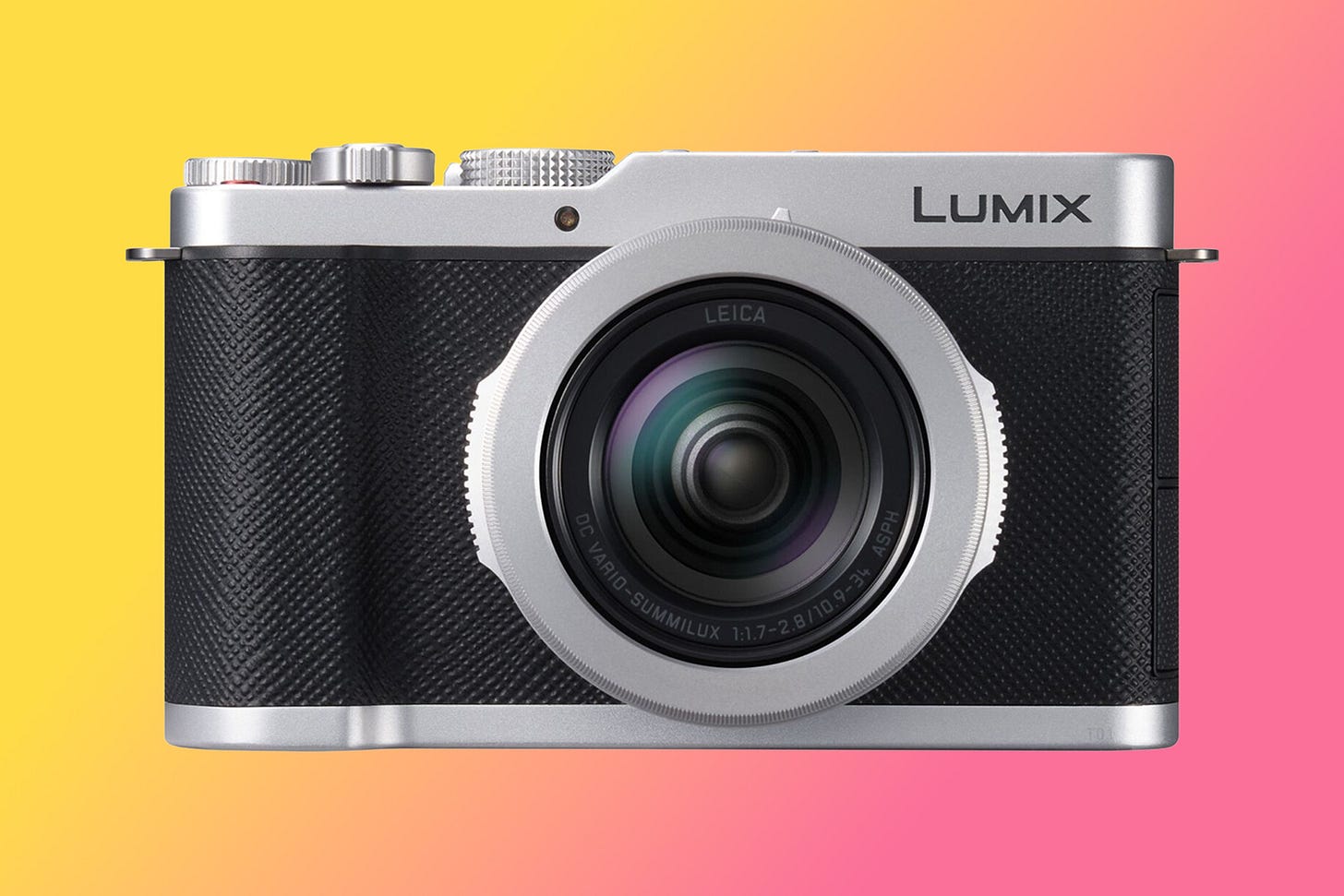
If, however, you manage to quieten your needier inclinations and to put off the purchase of that new camera for one year, you will almost certainly pay substantially less than the folks who gave in to the itch.
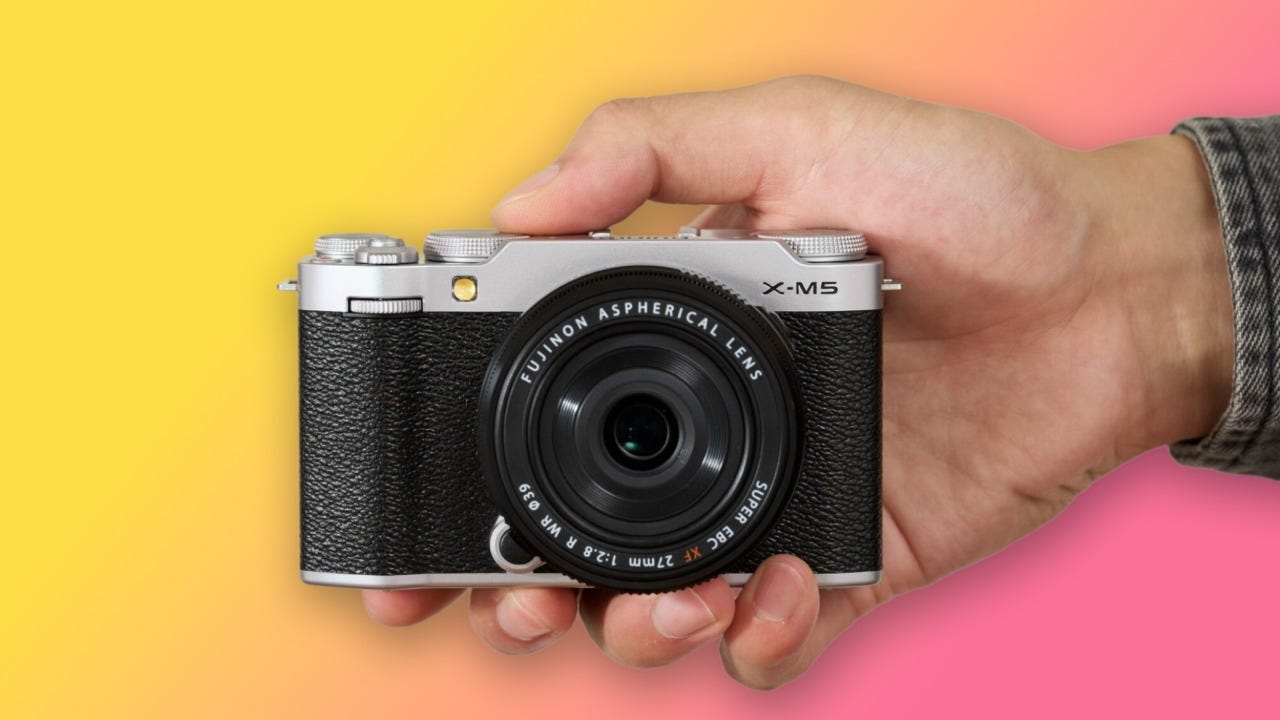
Here in Australia, the Fujifilm X-M5 launched 18 months ago, at $1500 for the body-only version. As an existing Fuji owner with many excellent lenses, this camera and particularly its video capabilities perfectly met my requirements, and I knew that I would (eventually) buy one. But I chose not to rush to the front of the line.
As late as June 2025, 7 months after launch, it was still being described as a hot-ticket item and there were reports of customers waiting over four months to receive their cameras. The rules of supply and demand dictate that no retailer is going to discount something they can’t keep on the shelf.
Fast forward a year and the hype machine had moved on to newer camera models such as the Lumix L10 and the Sony A7R 6, and the price of the X-M5, no longer in the spotlight, has fallen. The big online retailers here in Australia are stocking it for $1100 for the body-only package, but I picked one up in the Amazon Prime Day sale for $940 Australian dollars (that’s about $650 US).
[Insert image: the X-M5, or a screenshot of the launch price vs the current retail price]
If You Buy New You’re A Beta Tester
Businesses are always under pressure to release new goods and services. It doesn’t matter if they make air fryers, motor cars, video games or trainers, you keep the profits in the black by updating your inventory to keep your customers coming back for more.
But with that profit incentive, to release these new goods and services, there’s also the pressure to sell stuff that isn’t perhaps as ‘finished’ as it could be. That inevitably means that the first six to twelve months of many products’ life encompasses a series of updates.
If a pair of trainers has some fault that’s made it through to manufacturing, there isn’t much you can do but try and get your money back, but the operating system of cameras, the firmware, that can at least fix all sorts of issues.
Autofocus (never Fuji’s strong point) was markedly worse in the X-T5 than previous models and required a major firmware update. The Canon R5 became notorious for overheating and had to be fixed by firmware after it turned out that it wasn’t a baked-in hardware issue, but a stupidly conservative thermal lockout setting. In Nikon’s case, they released a firmware update for the Z8 that broke compatibility with many third party lenses and they had to patch the patch to restore full functionality. And the Lumix S5 II had a whole string of documented image-quality bugs that had to be fixed by iterated firmware updates.
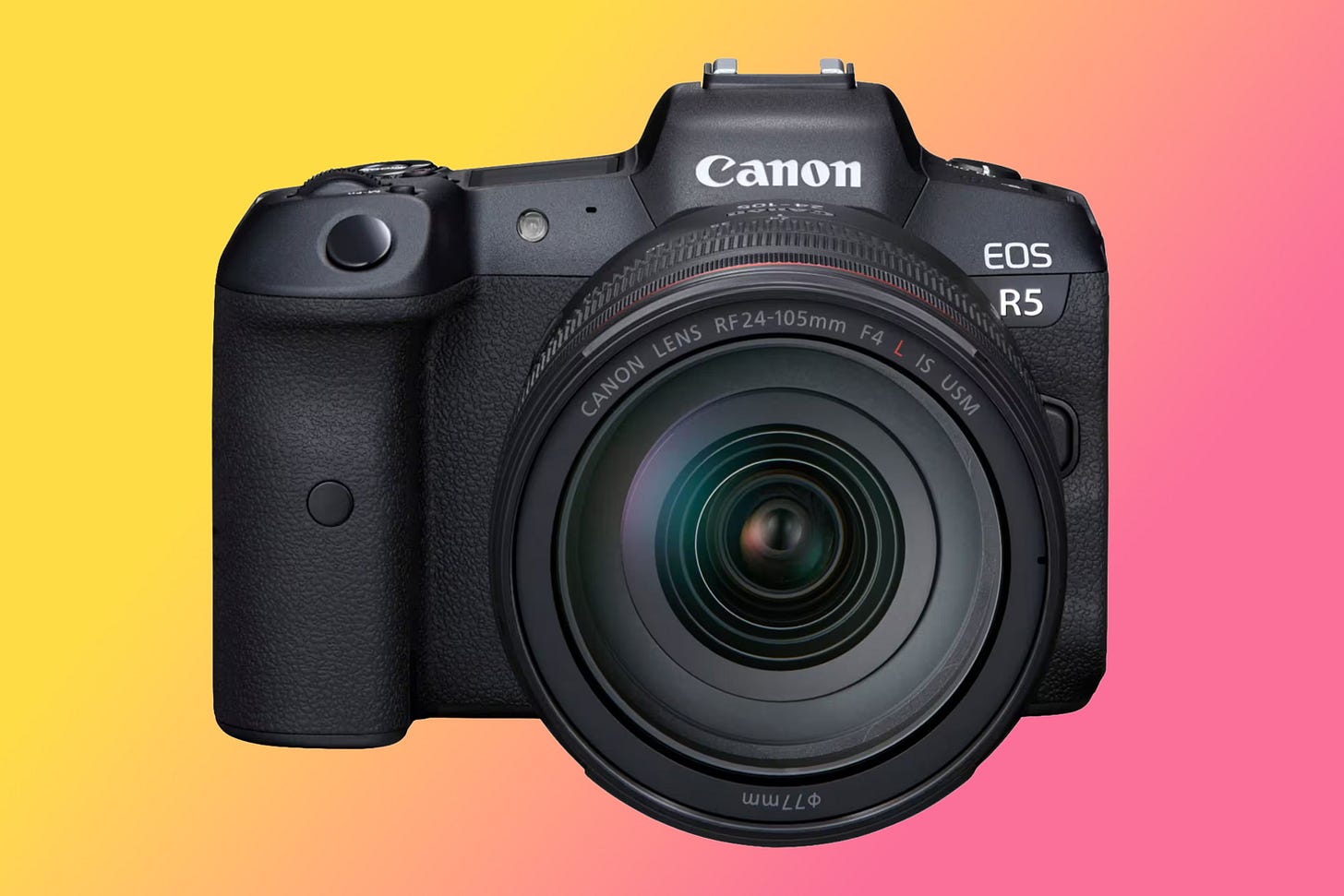
If you wait before purchasing, then all these glitches have been dealt with and you get the camera and its full capabilities.
But above and beyond firmware, it’s usually only once a camera is actually in the hands of photographers that issues start to emerge. If you’re basing your purchasing decision on the opinions of a photography YouTuber who had one day in Tokyo to form a verdict on a new camera, then you’re asking for trouble.
And I’m not even talking about flaws such as those in the Nikon D600 which contaminated its own sensor with oil and dust, or the weak infrared filter in the Leica M8 that turned blacks to magenta. I’m talking about how the camera feels in the hand after a few months use, or how useful the flip-out screen is, or whether you accidentally trigger video recording when you’re trying to take a photo, the sort of stuff you only ever discover through persistent use.
I bought the X-M5 knowing ALL of its flaws. I know that the hand grip isn’t the greatest and really needs a third party add-on, I know it feels quite plasticy and that the bottom edge is prone to damage from rubbing if unprotected, I know the battery life sucks, that the side ports are in an awkward location and that a lack of IBIS is a serious handicap.
Buying any product is a question of weighing up its pros and cons, but often you’re only ever told about the pros.
Buy new and you’re unpaid QA, testing it in the field for free.
Wait a year and someone else has already found the overheating, the autofocus quirks, the battery life and the deal-breakers reviews miss on day one.
They Don’t Make ‘Bad’ Cameras Any More
So yes, some cameras get released with flaws, and yes, some cameras have idiosyncrasies that don’t become apparent until you’ve used them for a few months, and some cameras take months to reach you. All of these things are solid reasons to wait.
But actually we reached peak camera a few years ago now and are genuinely living in a golden age of photography. One of the strongest arguments against purchasing a freshly released camera is that, unless you’re browsing the $100 deals on Alibaba, it is now remarkably difficult to buy a bad one.
And that means you lose very little by waiting.
There is no revolutionary new feature you urgently need before it disappears. The ‘next big thing’ is highly unlikely to be that much better. The camera you already own will continue producing exactly the same photographs, while the new model spends its first year revealing its flaws, receiving firmware updates and gradually becoming cheaper.
Mirrorless is a mature technology, high ISO performance is now astonishingly good, stabilisation means you can shoot handheld at long exposures and even Fuji (the X-T5 aside) are doing autofocus well these days.
Pick any of the major brands and, for most photographers, the biggest differences are the ergonomics, the menus and which lens system you’ve bought into. Everything else is semantics.
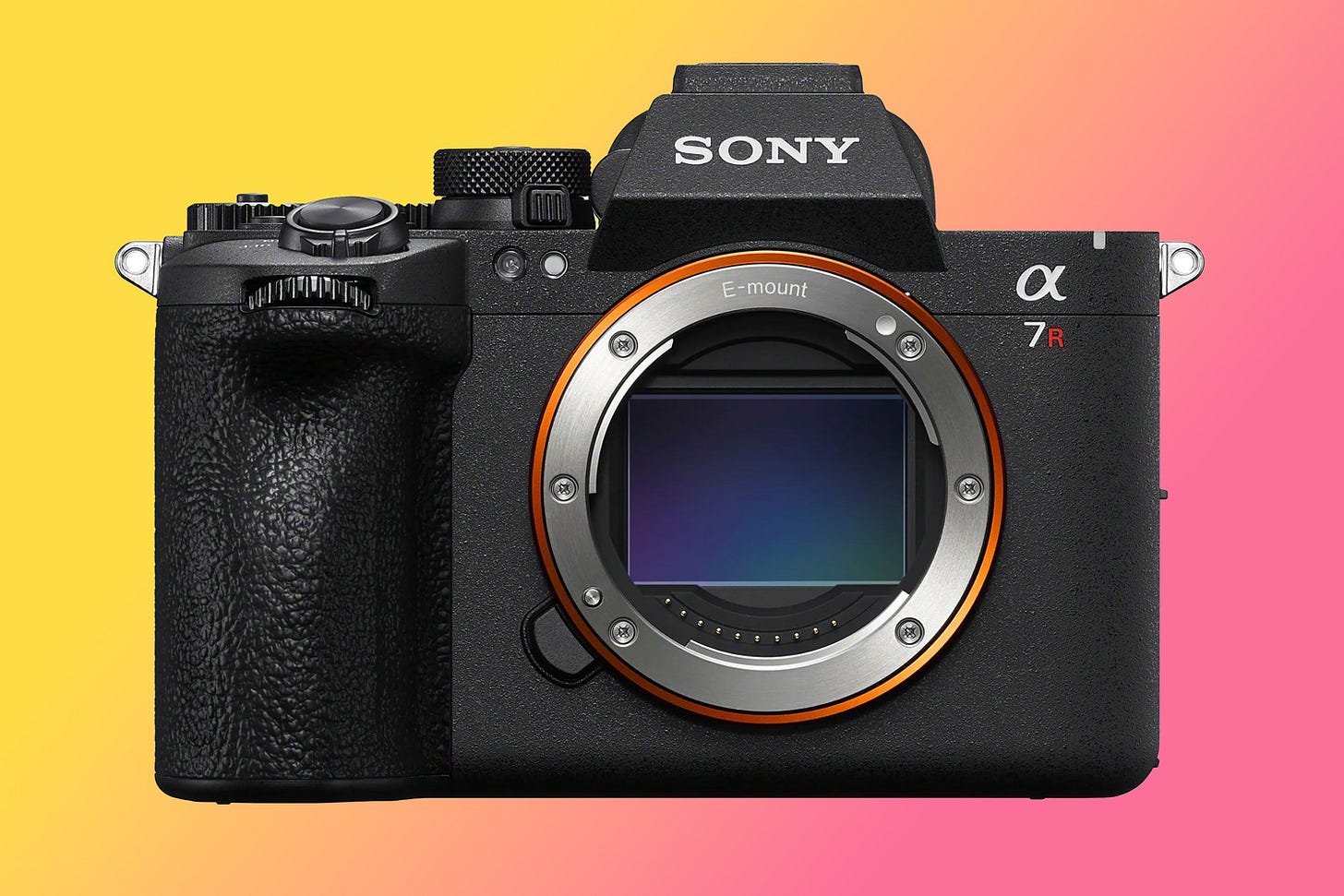
Influencers will try to convince you that the fractional upgrades, the minuscule variations, are a big deal, when the reality is you’d never spot the difference in an actual photograph.
In his farewell video, Photography YouTube’s leading camera reviewer, Gerald Undone, even said the quiet part out loud, “cameras felt mostly solved to me.” He decided to retire, partly because he was just ‘over it’ and partly because reviewing increasingly excellent cameras had become an exercise in spotting microscopic differences.
Which is precisely why the launch-day hype has become so relentless. When genuine leaps forward become rare, marketing has to work overtime convincing us that tiny ones are revolutionary.
The Case for Being Deliberately Behind
It might not feel it, but in 2026, we consumers have the ability to hold businesses to account.
We can’t stop them releasing flawed cameras, we can’t improve their warranties, we can’t stop them from making stupid ergonomic mistakes with the buttons and dials. But we can be aware of every single limitation in a camera before purchasing it. We can choose not to jump on the hype train and pay inflated launch prices. We can survey the landscape at our leisure, secure in the knowledge that by the time we’ve bought one, the internet will already be arguing about its replacement.
The best camera to buy isn’t the newest one, it’s the one that’s already proved itself.
Also published in RAW & Unfiltered on Substack.